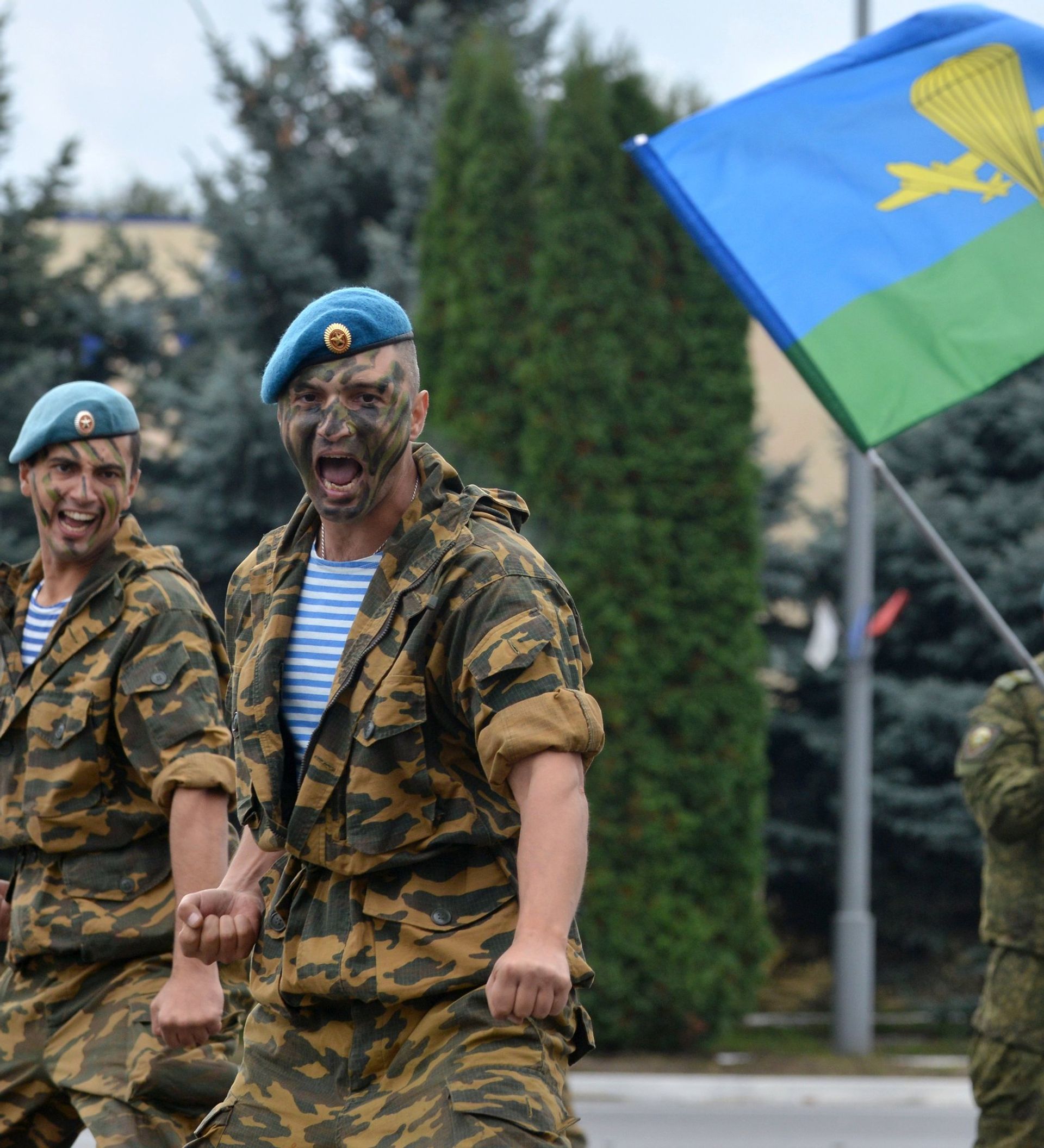
'Nobody But Us!' Russian Paratroopers Celebrate Professional Holiday
'Nobody But Us!' Russian Paratroopers Celebrate Professional Holiday
Sputnik International
On August 2, 2017, Russia celebrates the 87th anniversary of the official founding of the country’s Airborne Forces. Take a look at the Russian paratroopers in... 02.08.2017, Sputnik International
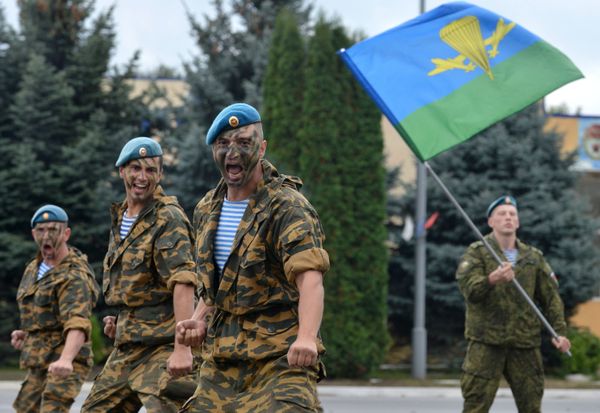
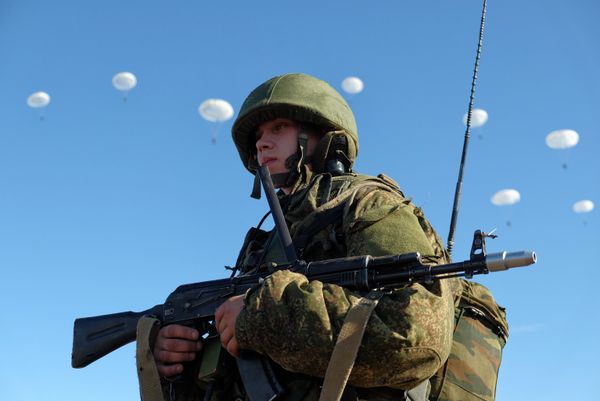
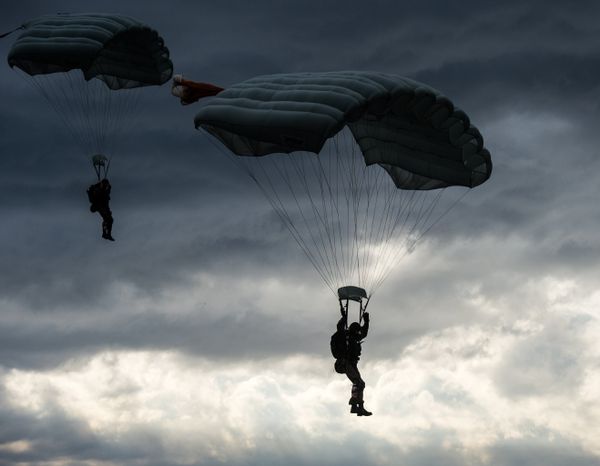
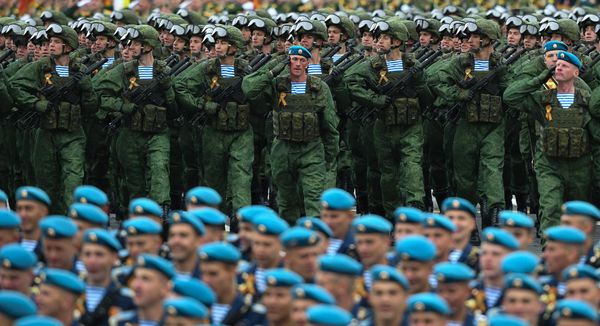
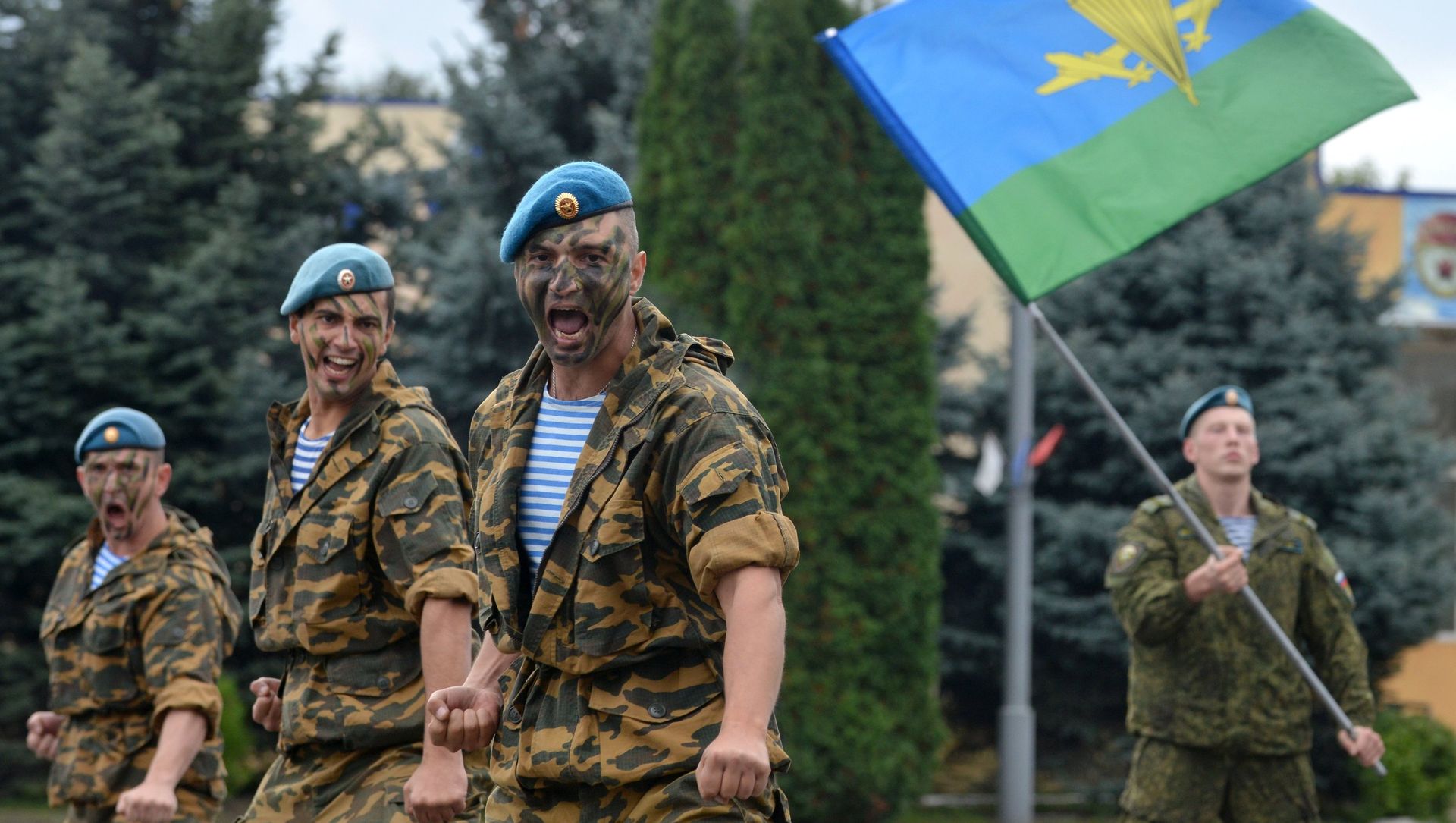
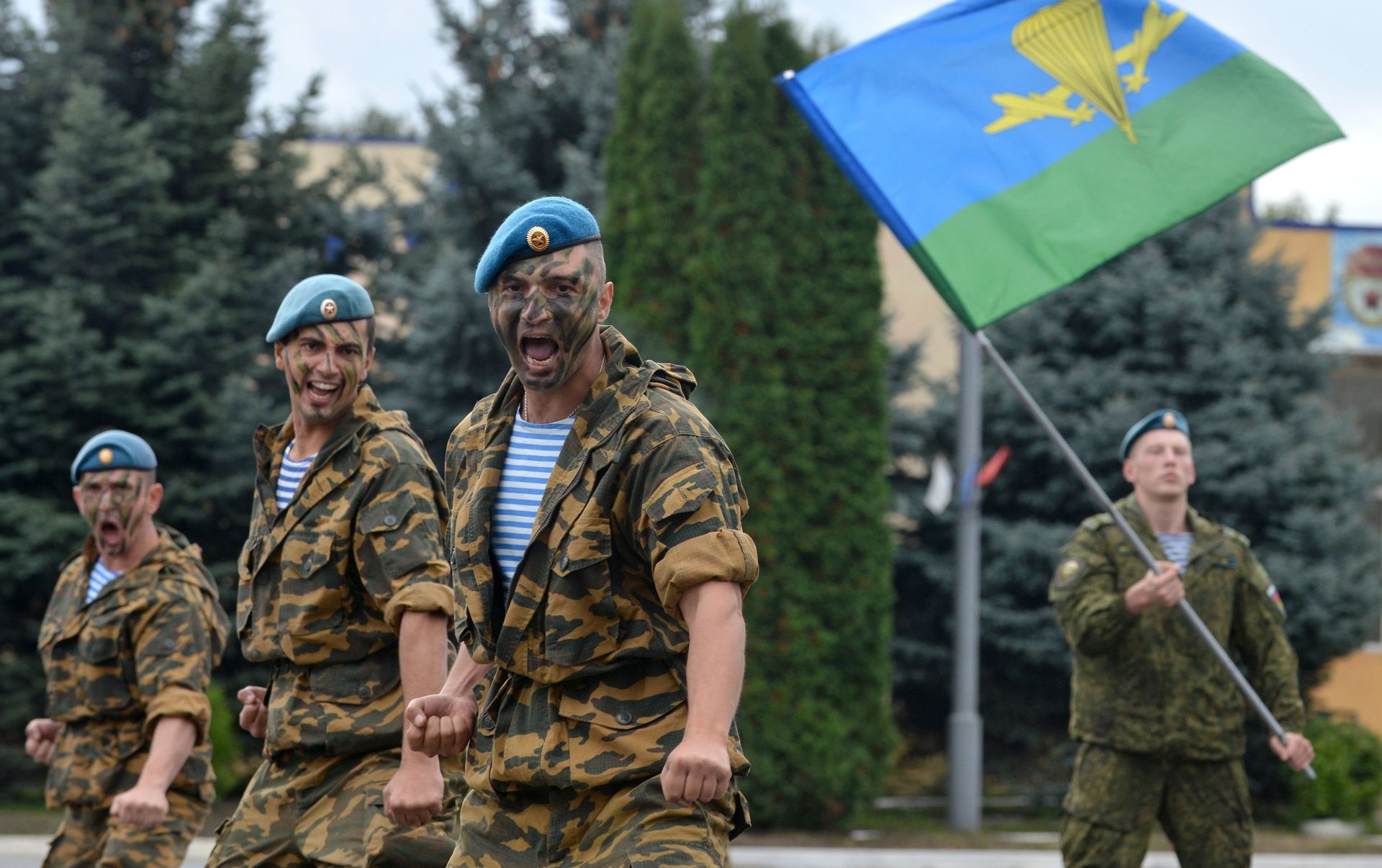
On August 2, 2017, Russia celebrates the 87th anniversary of the official founding of the country’s Airborne Forces. Take a look at the Russian paratroopers in sky-blue berets who continue to exemplify the highest standards of martial prowess, valor and discipline, following their motto, “Nobody but us!”
The Russian Airborne Troops' day is vastly observed across the country. Thousands of current and former paratroopers gather with their families to celebrate their professional holiday and the anniversary of the paratroop unit.
The day of the Russian Airborne Forces is celebrated on August 2. The national holiday was officially established in 2006 by the presidential decree to promote the revival and development of Russian military traditions and service and to commemorate the merits of Russian paratroopers. Photo: the 247 Guards Air Assault Regiment in Stavropol.
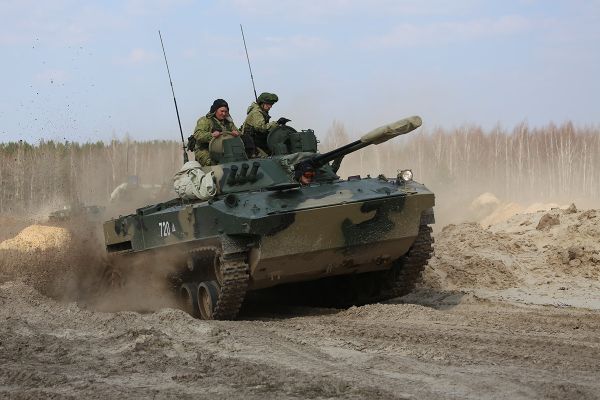
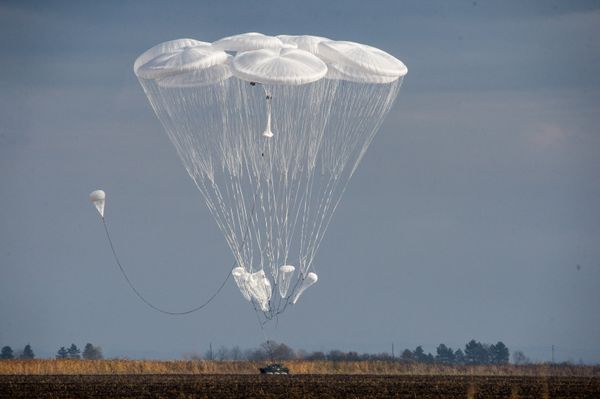
The Russian Airborne Forces are designed to cover the enemy in the air and conduct combat operations in its rear. Photo: Russian paratroopers hold drill with the newest combat vehicles BMD-4M and BTR-MDM.
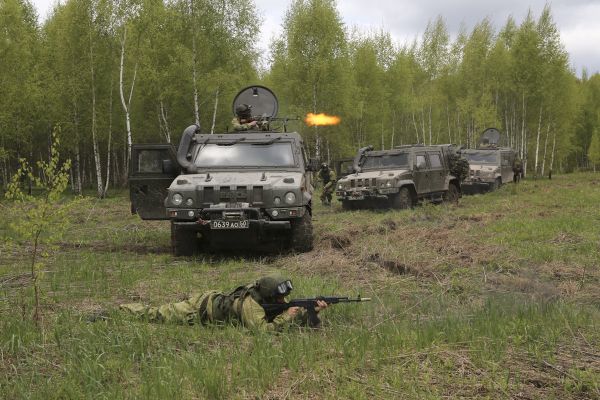
The airborne troops in Russia constitute an elite branch within the Armed Forces structure. They are individually selected from volunteers based on physical fitness, intelligence and loyalty. Photo: Airborne units in Pskov Region.
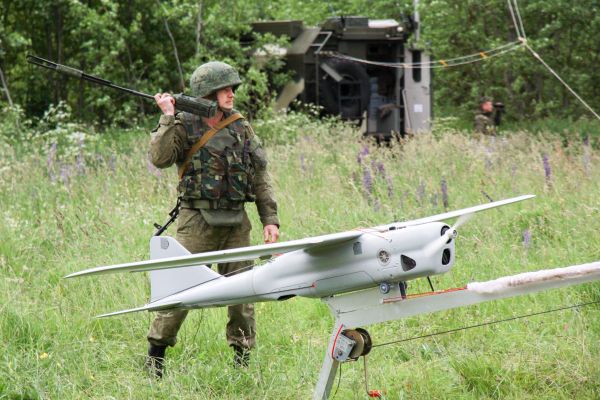
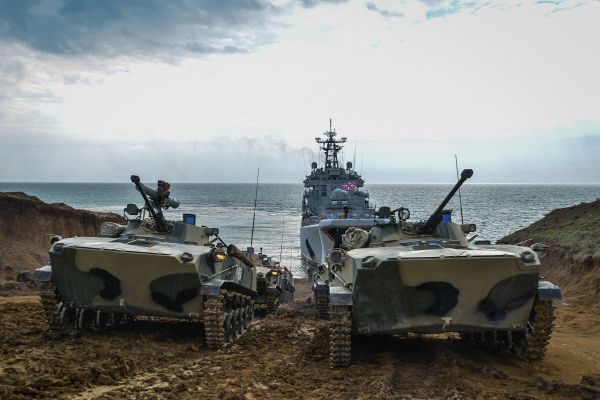
According to Russia's Defense Ministry, the main goal of the Russian Airborne Force is participating in containment activities in strategic areas and fulfilling tasks in cooperation with other military branches aimed at resolving crisis situations in the period of threat and in the time of war. Photo: The final stage of exercises of the Russian Airborne Forces’ units in Crimea.
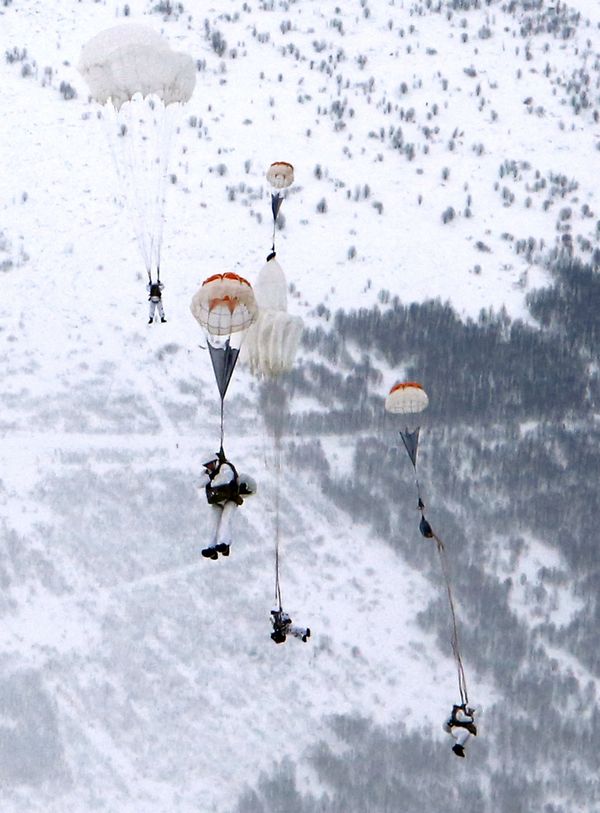
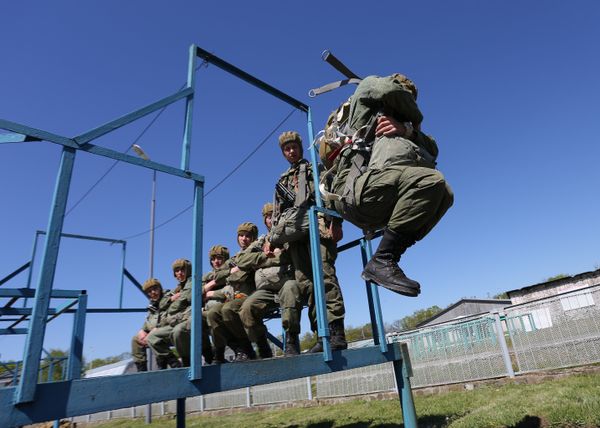
In the time of peace, the Russian Airborne Force continues to perform strategic deterrence tasks and may also take part in peacekeeping operations. Photo: Conscripts of a paratrooper unit in the Russian city of Ivanovo during their first parachute exercises.
The Russian airborne troops have been involved in conducting a series of special missions in different parts of the world, including Afghanistan, former Yugoslavia and Syria. Photo: Divisions of the Airborne Forces' 31st Separate Air Assault Brigade during a tactical drill at Vostochny airfield in Ulyanovsk Region.
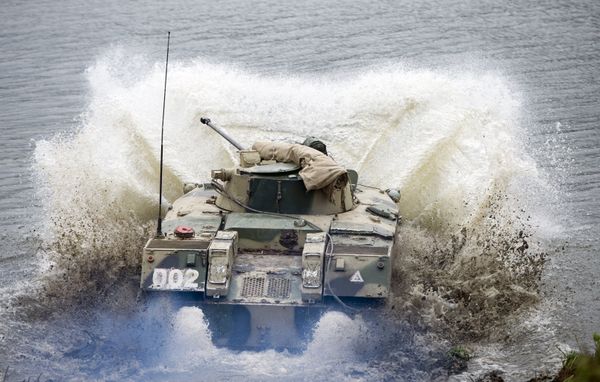
Along with Belarusian Special Forces and Serbia's Special Brigade, Russian airborne troops participate in Slavic Brotherhood military exercises, an annual joint anti-terrorism military training operation organized since 2015. Photo: Russia's BMD-2 airborne combat vehicle during a training landing in Serbia at the Slavic Brotherhood 2016.
On August 2, 1930, during an exercise of the Air Force of the Moscow Military District near Voronezh, a small unit of 12 people was parachuted for the first time to perform tactical tasks. This date is officially considered to be the birthday of the Russian Airborne Forces. Photo: Servicemen during drills at the airborne center in Krasnodar Territory.
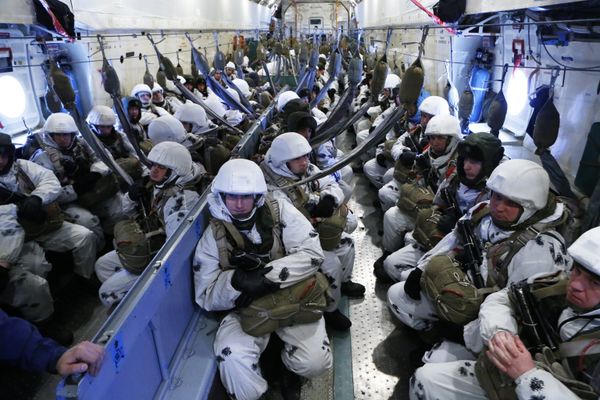
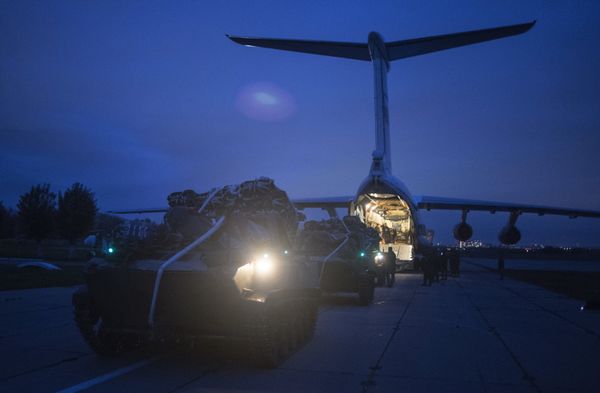
The Russian Airborne Troops are subordinated to the Supreme Command. Photo: BMD-2 airborne infantry fighting combat vehicles are loaded into an Il-76 aircraft.
The Russian Airborne Forces include airborne and air assault formations, military support units and a training formation. Photo: Training landing of airborne troops in Serbia during Slavic Brotherhood 2016.
Belarus, Kazakhstan and Ukraine also celebrate Airborne Forces Day on August 2. Photo: Servicemen of the Russian Airborne Forces during the military parade marking the 72nd anniversary of victory in the Second World War.
Newsfeed
0
Access to the chat has been blocked for violating the rules .
You will be able to participate again through:∞.
If you do not agree with the blocking, please use the feedback form
The discussion is closed. You can participate in the discussion within 24 hours after the publication of the article.