World Tourism Day is observed annually on September 27. It was established in 1980 by the United Nations World Tourism Organization. In honor of the occasions, Sputnik presents some of Russia's most spectacular sights, from the world-famous Lake Baikal and Mount Elbrus to the less popular Arkaim and Dombay.
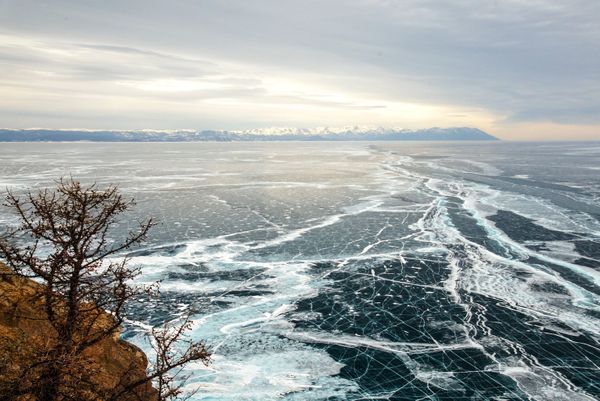
Lake Baikal, located in southern Siberia, between Irkutsk Oblast to the northwest and the Buryat Republic to the southeast, is known for being the world’s largest freshwater lake.
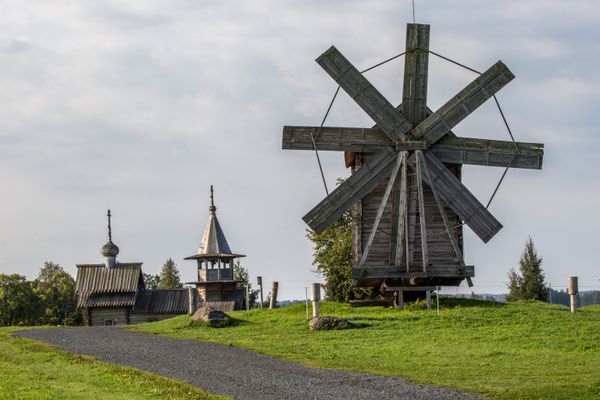
Kizhi Island, located in the Lake Onega in the Republic of Karelia, is a national open-air museum with about 87 centuries-old wooden structures. The most famous of those constructions is the Kizhi Pogost, which is included in the UNESCO World Heritage list. Photo: A windmill at the Kizhi Pogost.
3/24
© Sputnik / Igor Podgornyi
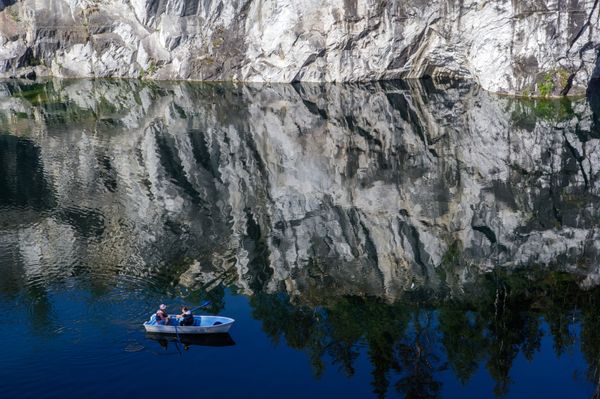
Ruskeala stone quarries were mined in Karelia for almost for three centuries; now, this picturesque site has become Ruskeala Mountain Park with a stunning marble grotto and a crystal clear lake. Photo: Marble Canyon in Ruskeala Park.
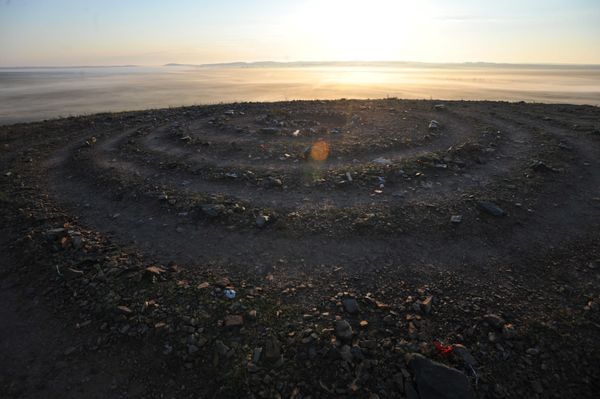
Arkaim, an archaeological site situated in the steppe of the Southern Ural in Chelyabinsk Region, just north of the border with Kazakhstan, is a unique historical monument of the Middle Bronze Age and one of the strongest anomaly zones in Russia. Photo: Ritual spirals of stones in Arkaim.
Arkaim, an archaeological site situated in the steppe of the Southern Ural in Chelyabinsk Region, just north of the border with Kazakhstan, is a unique historical monument of the Middle Bronze Age and one of the strongest anomaly zones in Russia. Photo: Ritual spirals of stones in Arkaim.
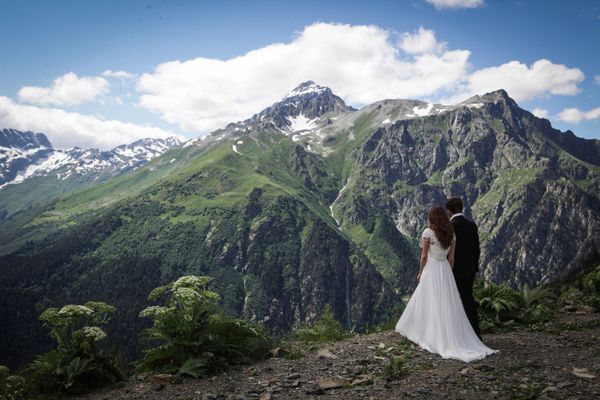
Dombay, a resort settlement located in the Karachay-Cherkess Republic, is surrounded with snow-capped mountains and glaciers all year round. Even if you are not into skiing or hiking, the natural beauty of the Caucasus Mountains in Dombay will definitely win your heart.
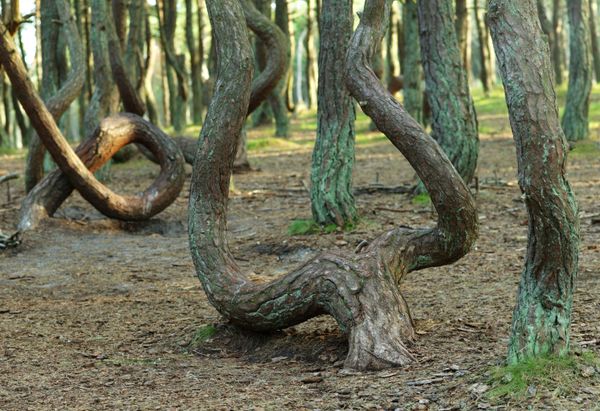
The Dancing Forest on the Curonian Spit in Kaliningrad Region is known for its unusual trees twisted into different patterns, such as rings, hearts and spirals. The exact cause of the trees' distortion is unknown.
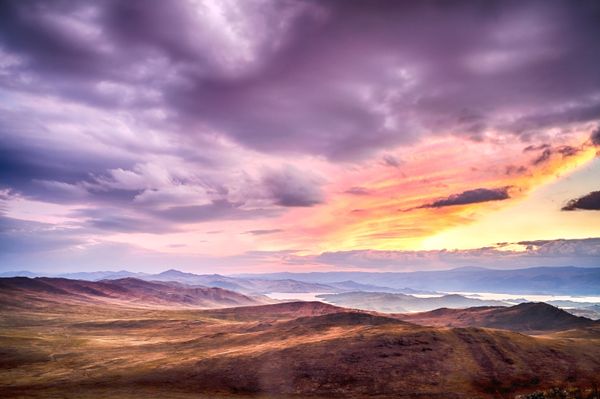
Olkhon Island is the largest island in Lake Baikal and the fourth-largest lake-bound island in the world. It is one of the most scenic locations in eastern Siberia, as well as an important spiritual place to the indigenous Buryat people.
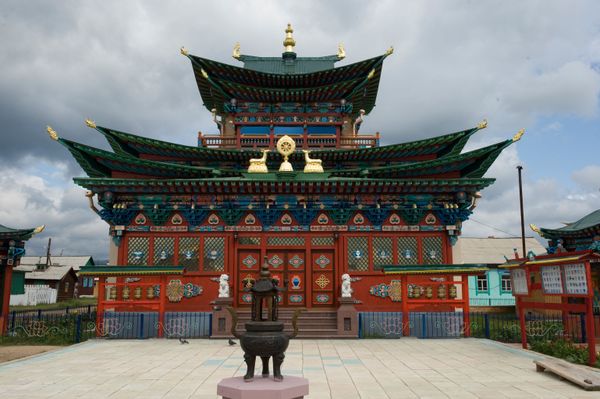
Ivolginsky datsan is the Buddhist Temple located near Verkhnyaya Ivolga village in Buryatia. It is the first and the most important Buddhist spiritual center in Russia. It is also home to a phenomenon that continues to intrigue scientists and attract thousands of believers – the preserved body of the Khambo Lama, the leader of all Russian Lamas who died in 1927 and is still sitting upright in the lotus position. Photo: Residence of Pandido Khambo Lama at Ivolginsky datsan.
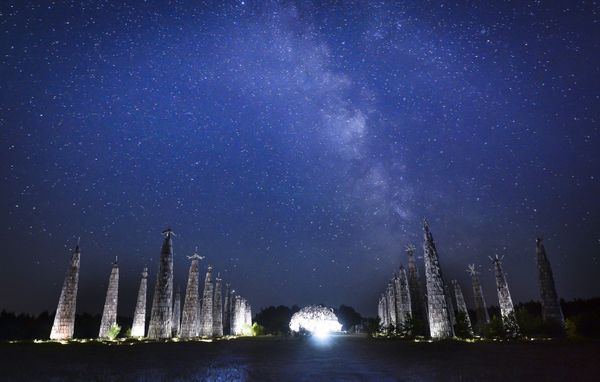
Nikola-Lenivets is the largest art park in Europe situated a couple of hundred kilometers from Moscow. The park was developed since 2012 on 600 hectares of fields and forests surrounding a tiny village of Nikola-Lenivets in Kaluga region. Photo: Art installation at Nikola-Lenivets.
11/24
© Sputnik / Maria Vashuk
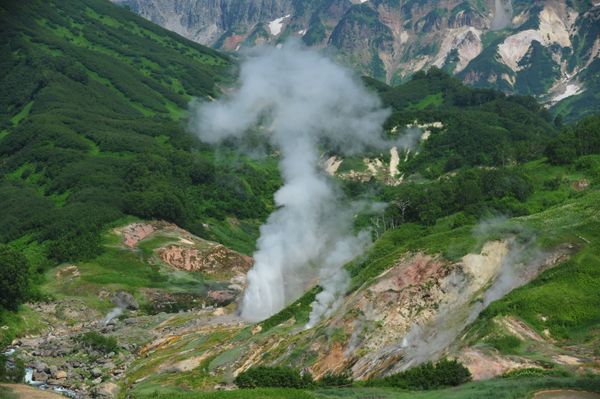
The Valley of Geysers, located on Kamchatka Peninsula, is the world’s second largest geyser concentration. It is part of the magnificent Kronotsky Nature Reserve, which occupies an area of 10,990 square kilometers.
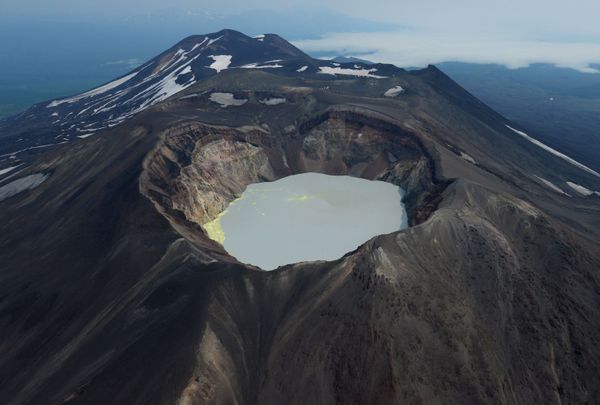
Kamchatka is also known for its multitude of volcanoes, numbering amongst the hundreds, but only 28 to 36 of them are considered active or potentially active. Photo: stratovolcano Maly Semyachik.
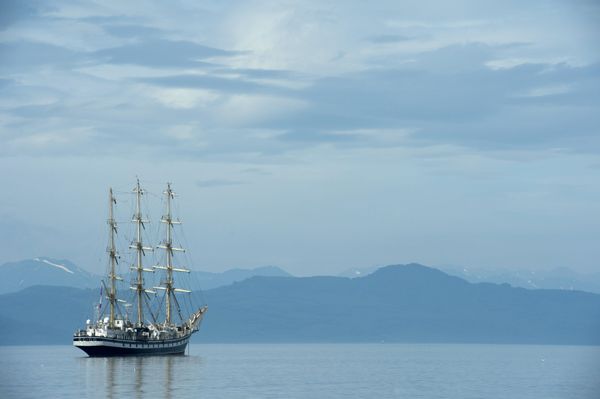
Avacha Bay, a Pacific Ocean bay on the southeastern coast of the Kamchatka Peninsula, is considered one of the largest bays in the world, which is able to fit ships of any size.
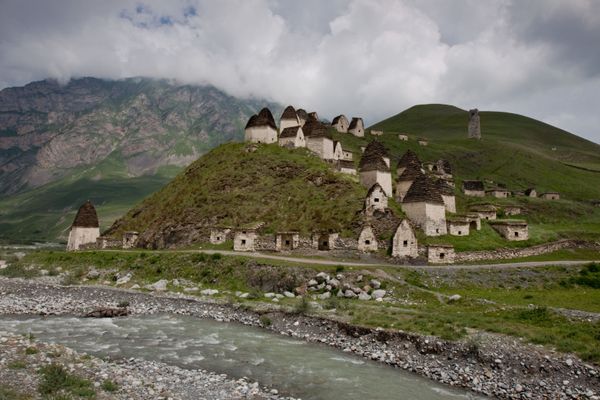
Not far from Dargavs, a settlement in Prigorodny District of the Republic of North Ossetia-Alania, tourists can explore the “City of the dead” – a necropolis comprised of 99 different tombs and crypts. According to some sources, the oldest crypts date back to the 12th century.
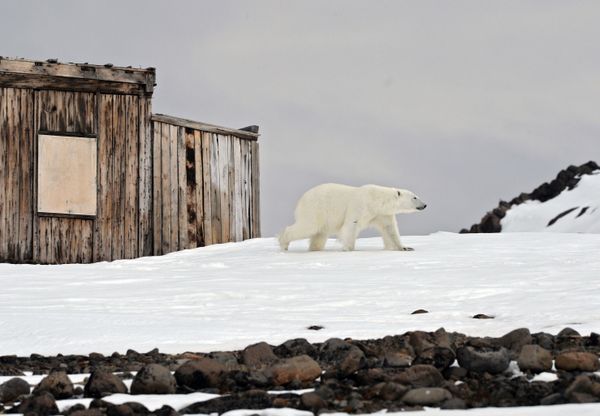
Franz Josef Land, the world’s northernmost archipelago, is located about 900 kilometers from the North Pole. Made up of 192 islands comprising more than 16,000 square kilometers, the uninhabited island chain has until recently been locked beneath ice for much of the year.
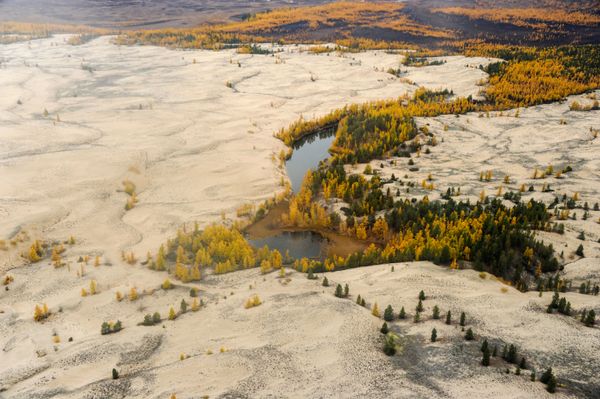
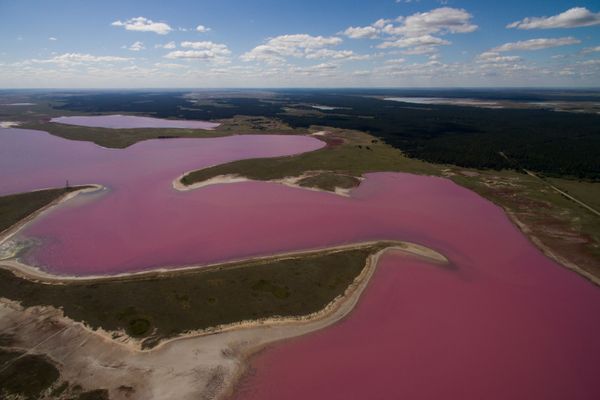
If you can’t handle the severe cold, you might be interested in visiting the Chara Sands. This miniature desert lost in the taiga near the Kodar and Udokan mountain ranges is called one of the seven natural wonders of Siberia.
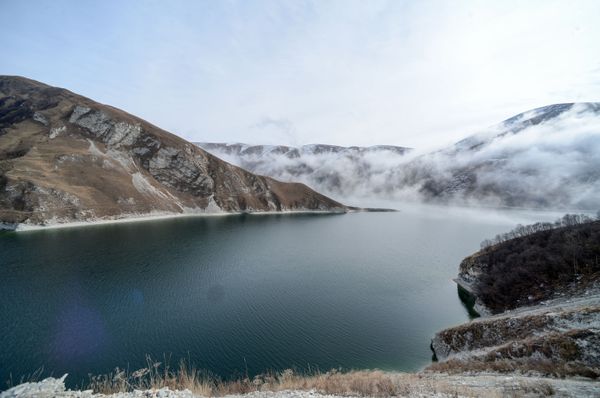
17/24
© Sputnik / Said Tsarnaev
Lake Kezenoy-am is the deepest lake in the Caucasus Mountains, situated at an altitude of 1870 m above sea level.
18/24
© Sputnik / Anton Denisov
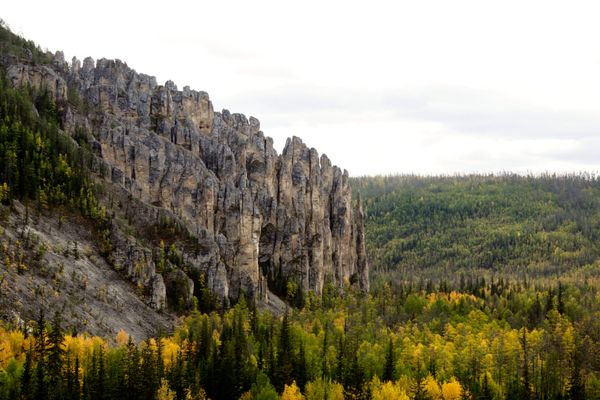
Lena Pillars is a natural rock formation on the territory of the Lena Pillars Nature Park, spread along the banks of the Lena River in far eastern Siberia. The pillars are 150-300 meters high and were formed in the Cambrian period (560-540 million years ago).
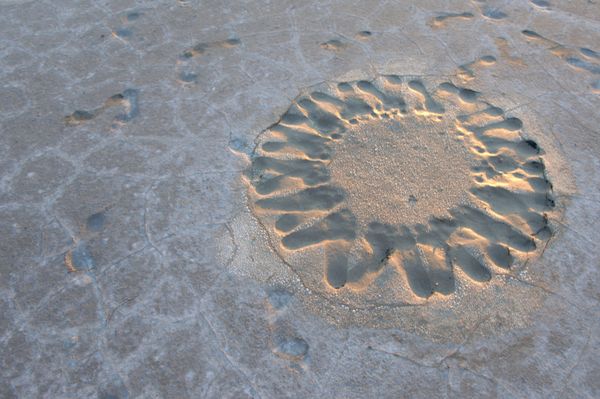
Lake Elton, a salt lake in Volgograd Region, near the border with Kazakhstan, boasts a spa resort.
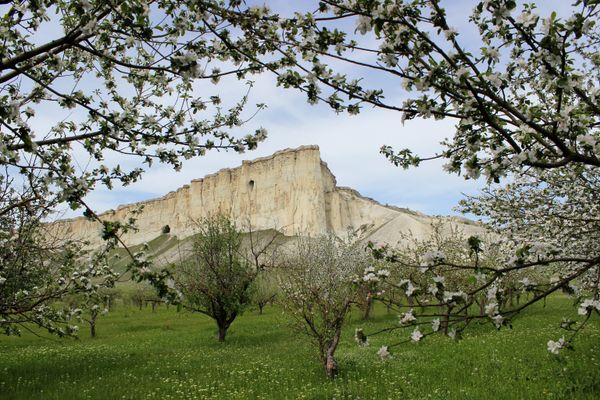
Among a rich variety of sights available to visitors to Crimea, there is one very interesting spot – White Rock, or Ak-Kaya, a cliff made of limestone and sandstone. In the Middle Ages, Ak-Kaya was where prisoners were executed.
21/24
© Sputnik / Roman Kruchinin
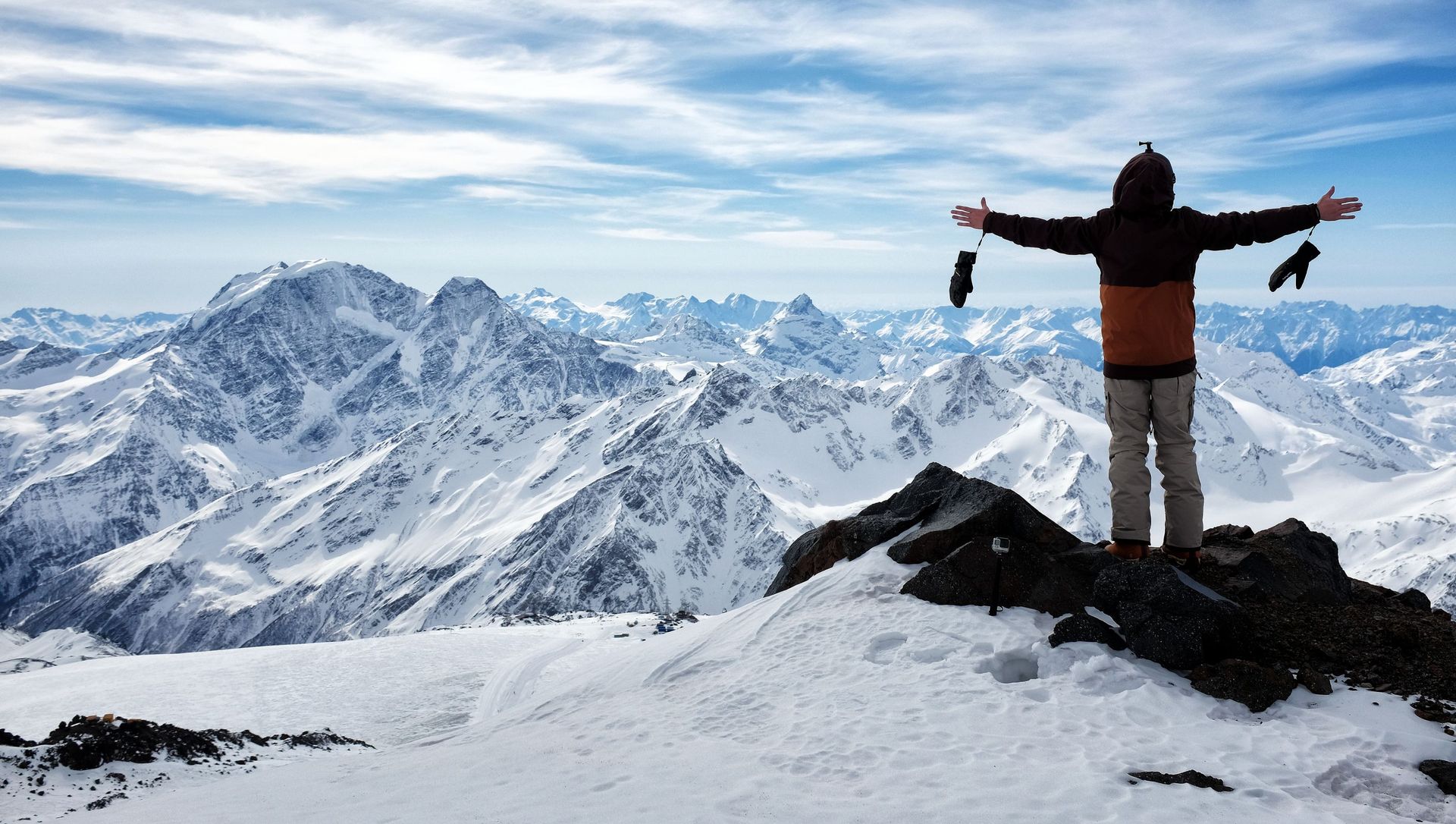
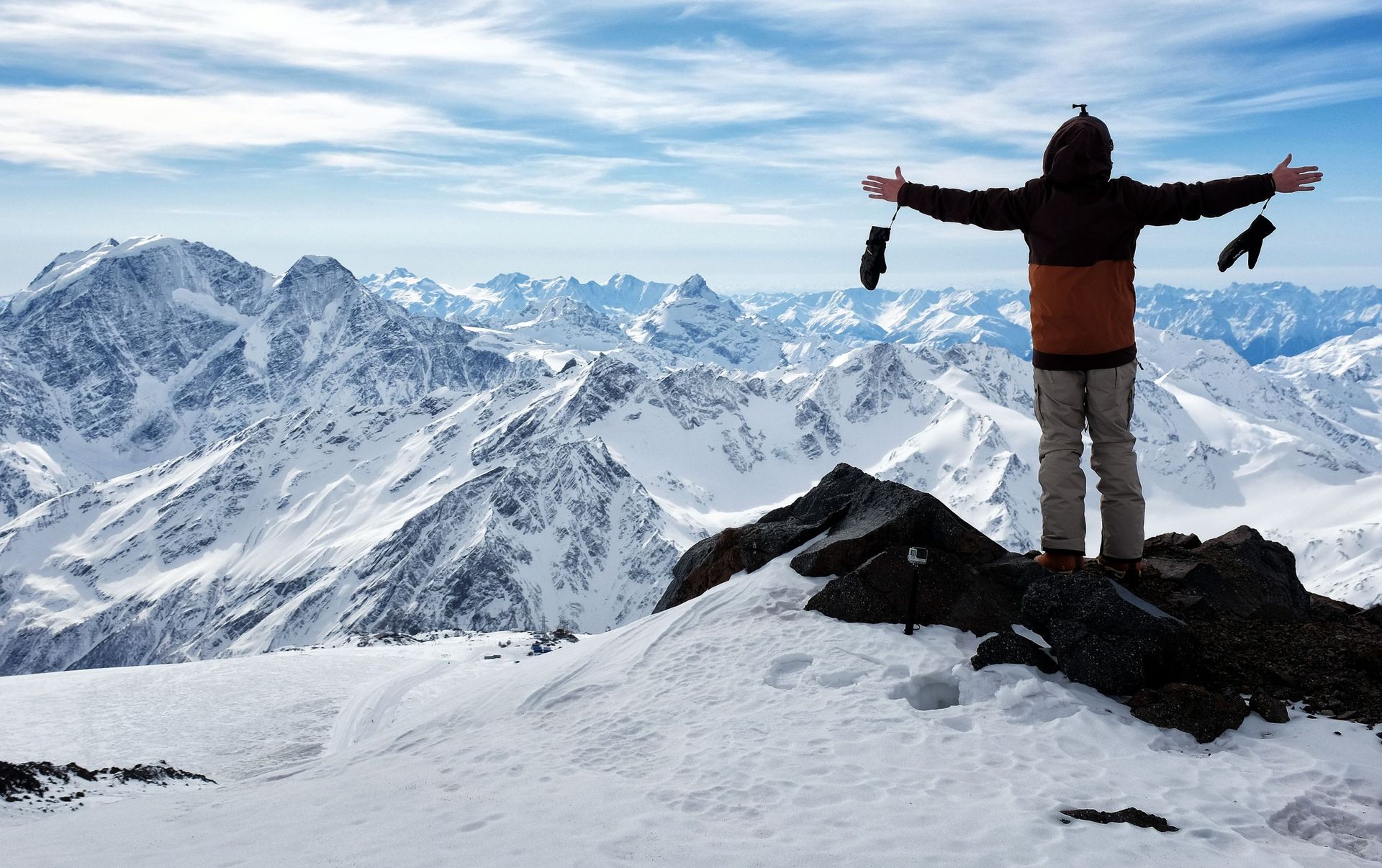
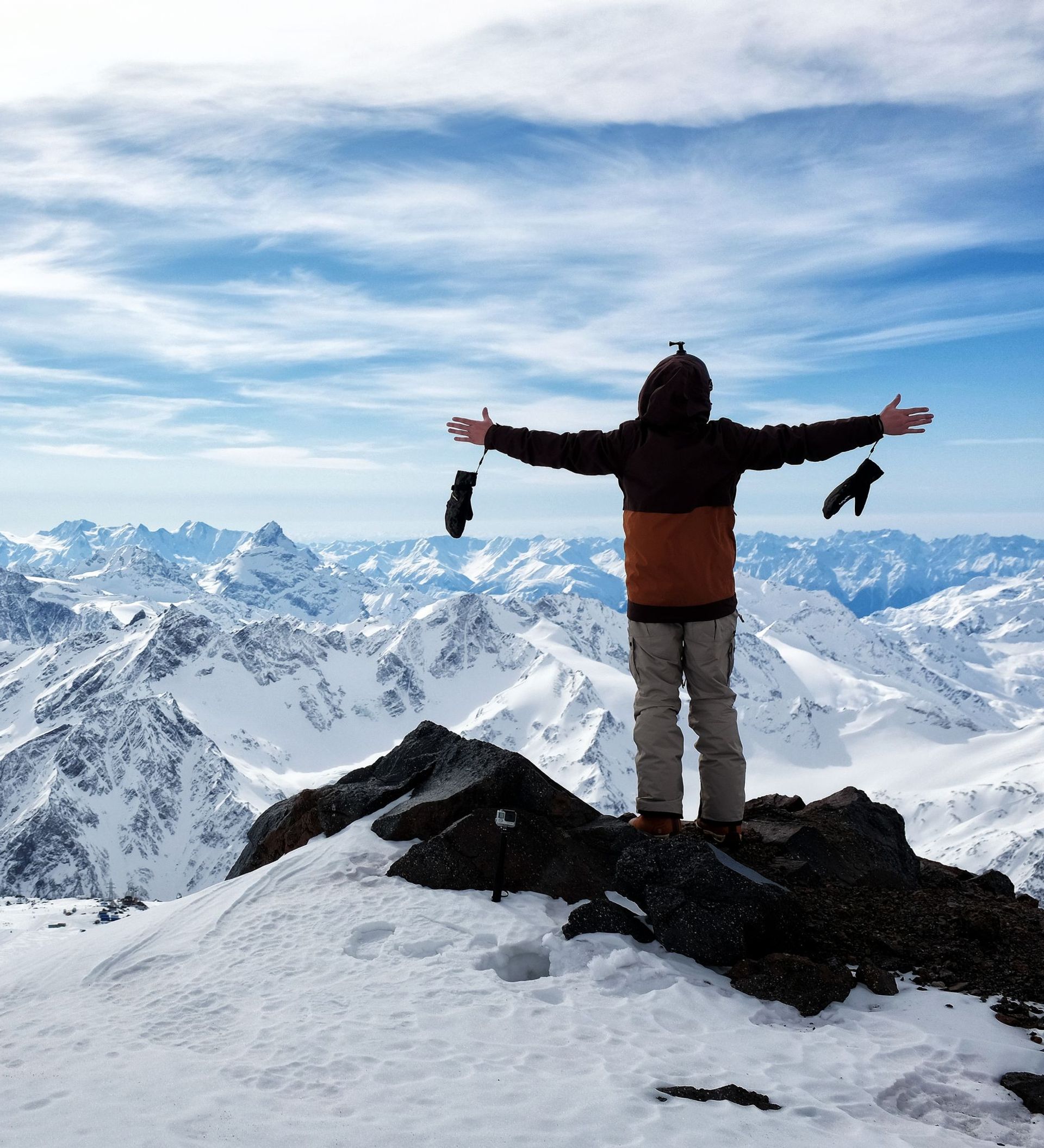
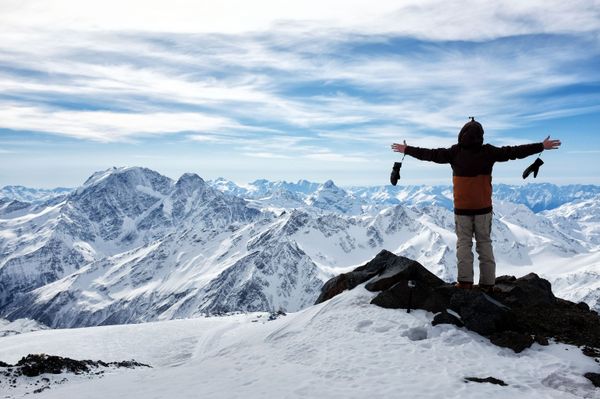
Mount Elbrus, the highest mountain in Russia and in Europe, is the tenth most prominent peak in the world. A dormant volcano, Elbrus is located in the Caucasus Mountains in Southern Russia, near the border with Georgia. It has two summits, which are 5,642 meters and 5,621 meters high.
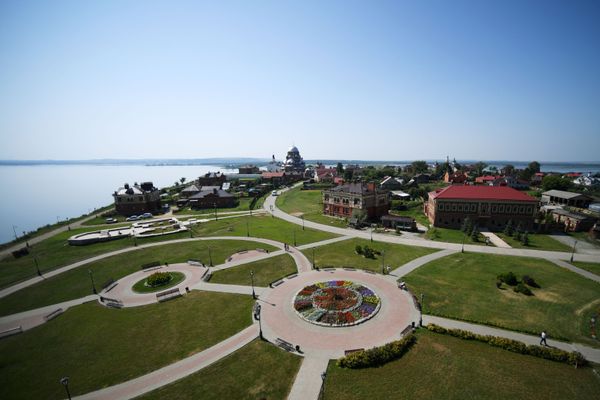
Sviyazhsk, a town in the Republic of Tatarstan located at the confluence of the Volga and Sviyaga Rivers, is often referred to as an island.
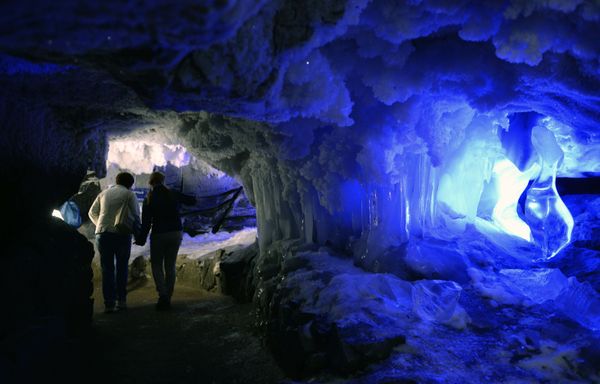
Kungur Ice Cave, located in the Urals, near the town of Kungur in Perm Region, is a popular tourist landmark famous for its ice formations.
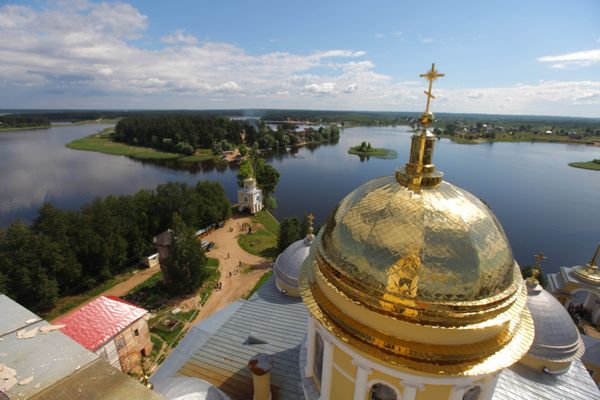
Lake Seliger in Ostashkovsky District of Tver Region is actually a large system of lakes linked by effluents. It is one of the biggest natural lakes of Central Russia, situated within a picturesque landscape of pine forests and hills.