Sputnik presents the most original illusions in the buildings around us.
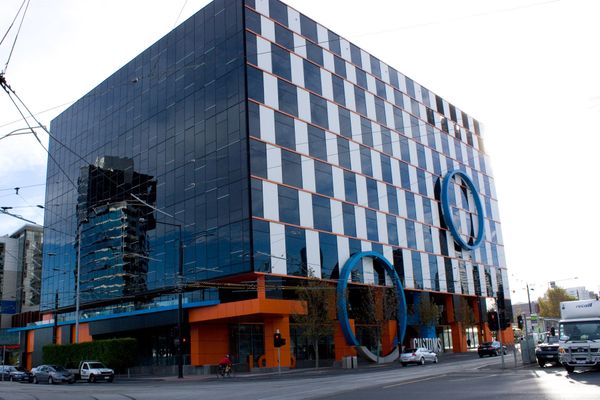
If you take a closer look at the facades of the Customs Building in Melbourne (Australia), it may seem that the horizontal orange lines "dance". However, this is only an optical illusion due to the special vertical black-and-white stripes between them.
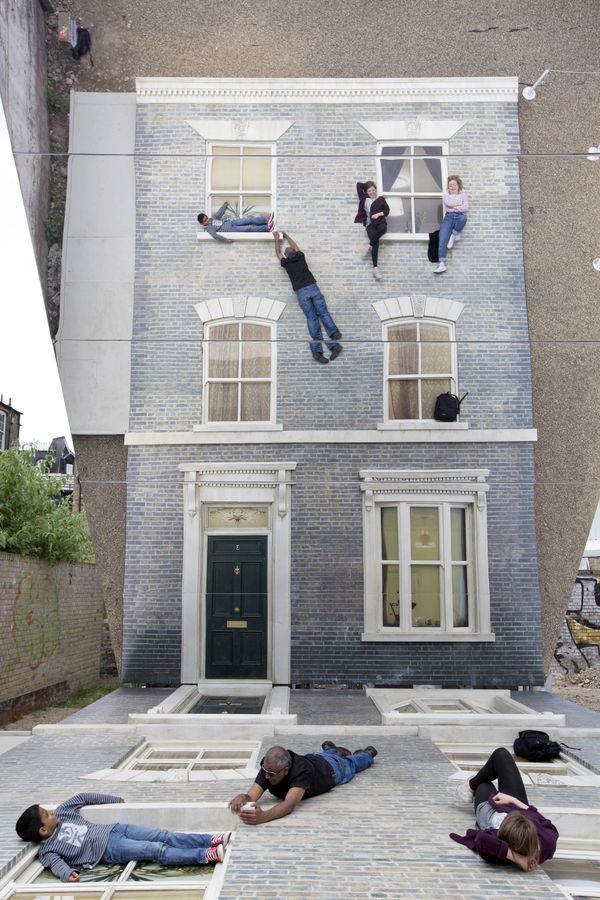
A mirror is a favorite working tool of all illusionists. It also works in architecture. Take the facade of the house, put it on the ground, and fix a mirror before it. Voila! You have an amazing attraction, which lets you "fall out" of the window or "scramble" along the wall.
Above: People interact with a large-scale installation art piece by Argentinian artist Leandro Erlich, entitled "Dalston House", in East London on June 25, 2013.
Above: People interact with a large-scale installation art piece by Argentinian artist Leandro Erlich, entitled "Dalston House", in East London on June 25, 2013.
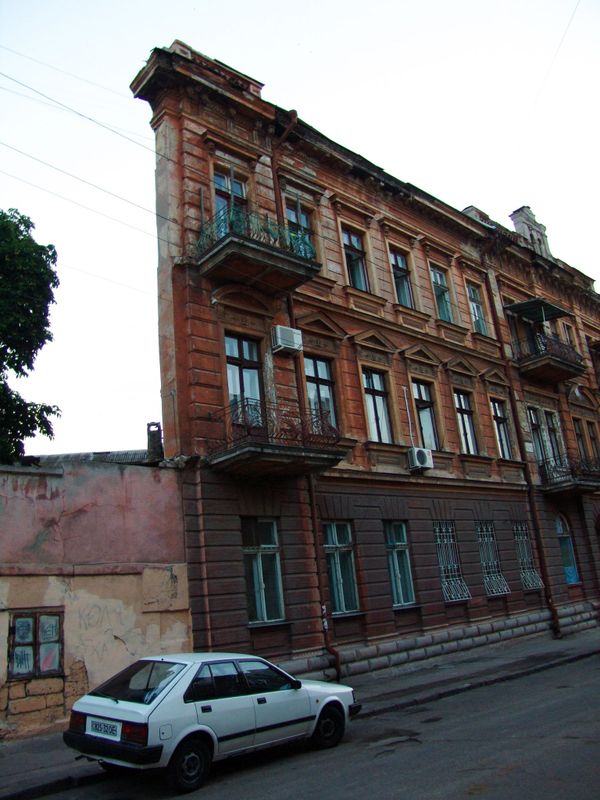
The House with One Wall is the most unusual building in Odessa. In fact it's just an optical illusion. The house 'deceives' passers-by, who may think it's a plane house due to an acute angle that its walls form. In reality the house is triangular-shaped.
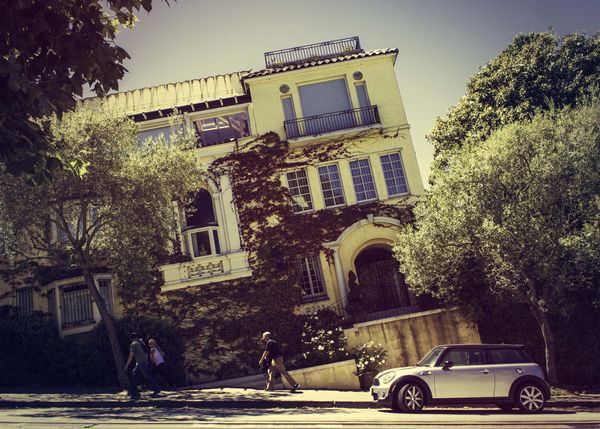
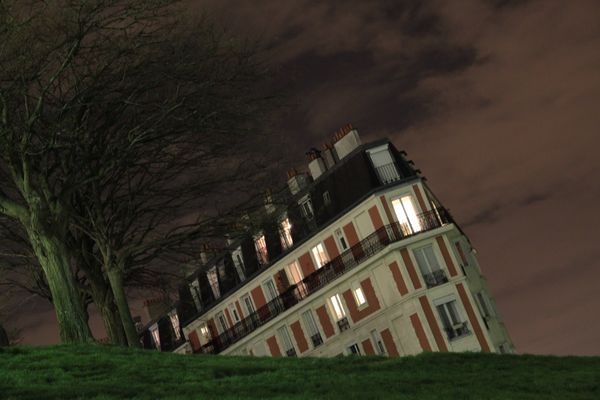
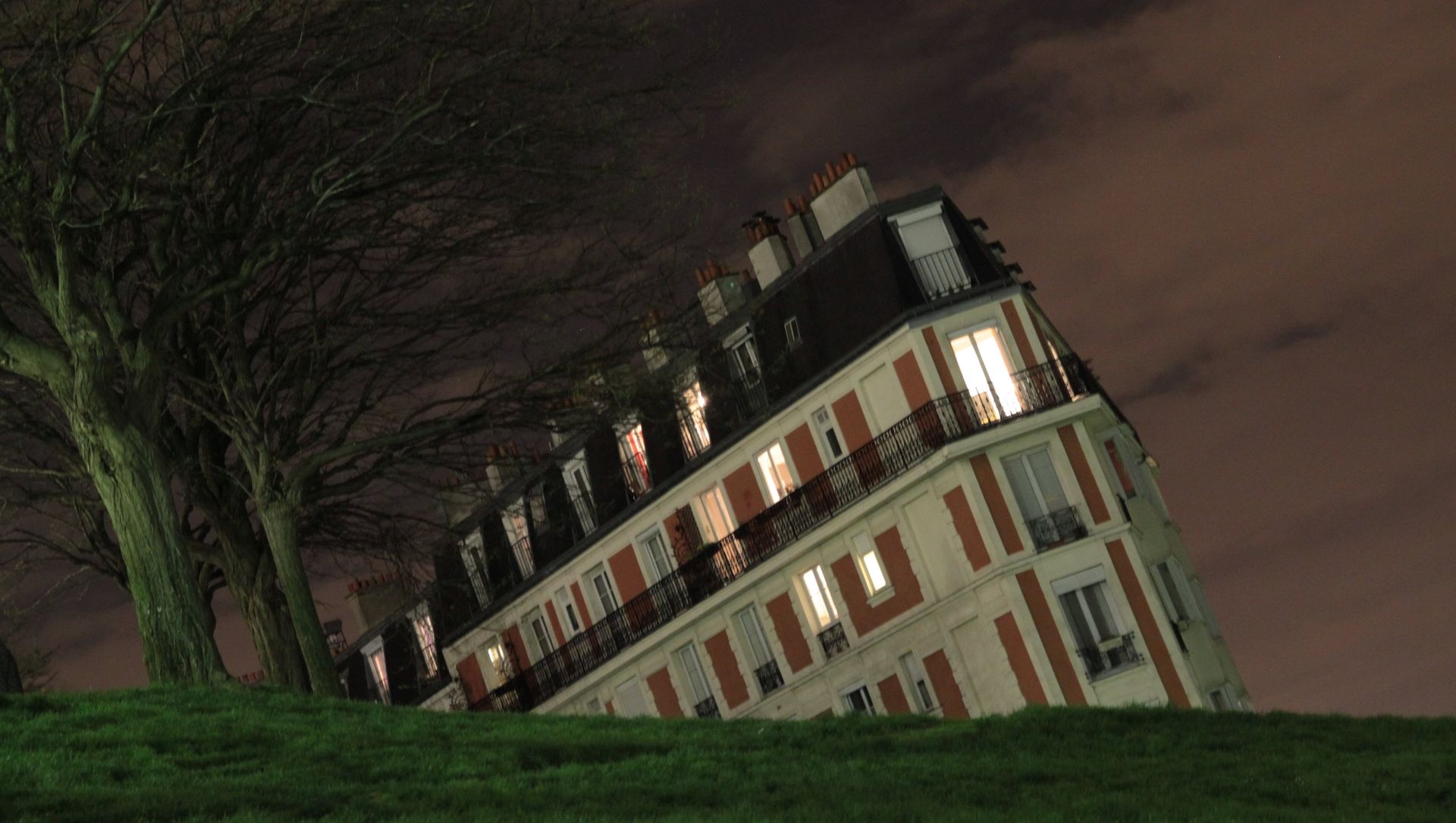
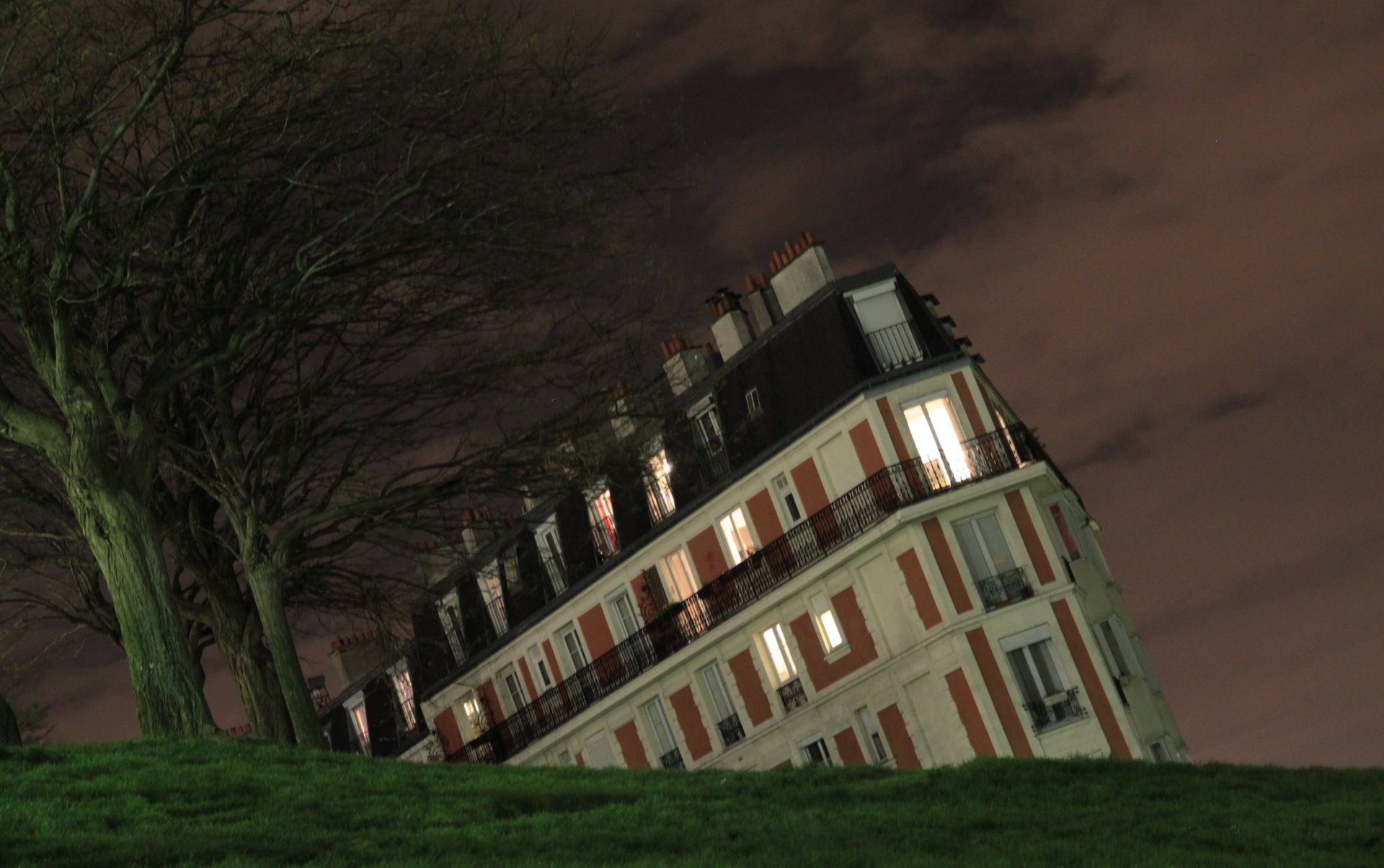
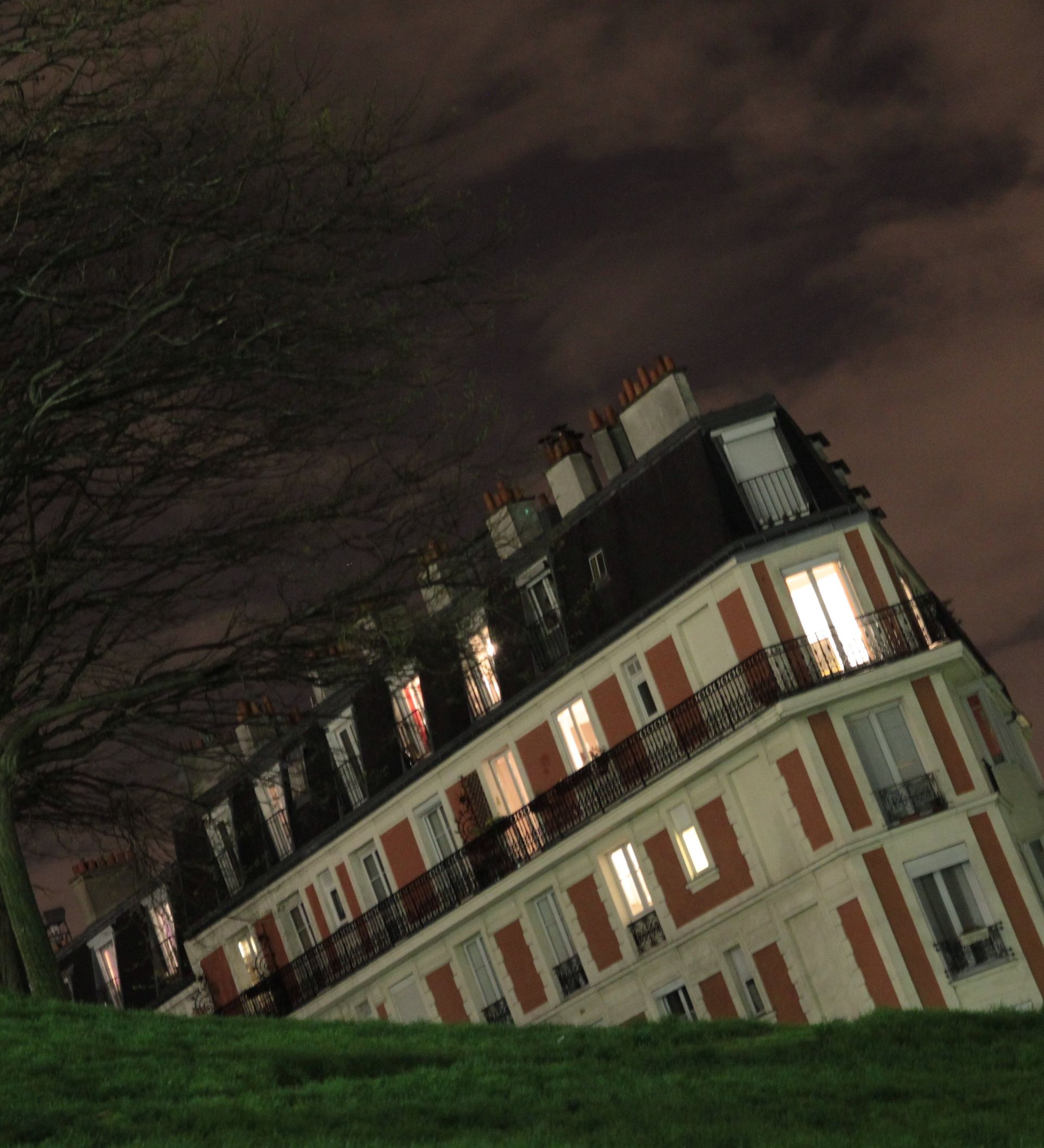
The same trick works with a photo of a house on Montmartre near Sacre Cœur in Paris.
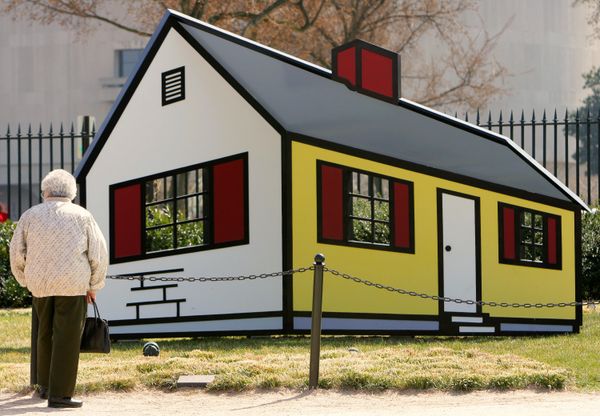
However, sometimes the illusion is disguised as reality, like this "House 1" at the National Gallery of Art Sculpture Garden in Washington. At first glance it may seem as if it was a real house, but in reality it's just a drawing.
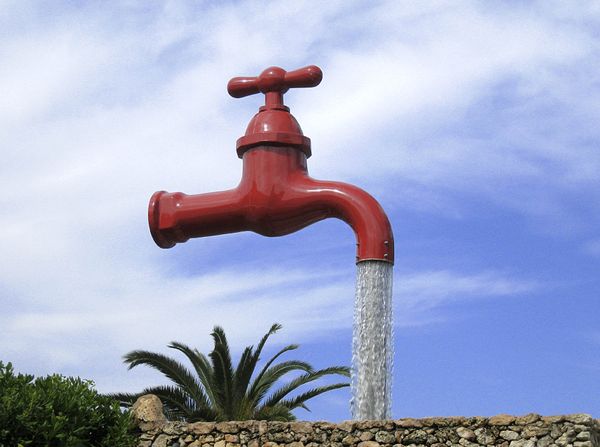
The fountains's construction is also a great opportunity for architects, sculptors and designers to turn their fantasies into reality. The most popular fountain-illusion is Tap Fountain in Menorca, Spain. It looks like tap is floating in the mid-air without any support, and water is flowing out of the tap. But in reality, a transparent tube hidden in the middle of the water column holds the tap in place.