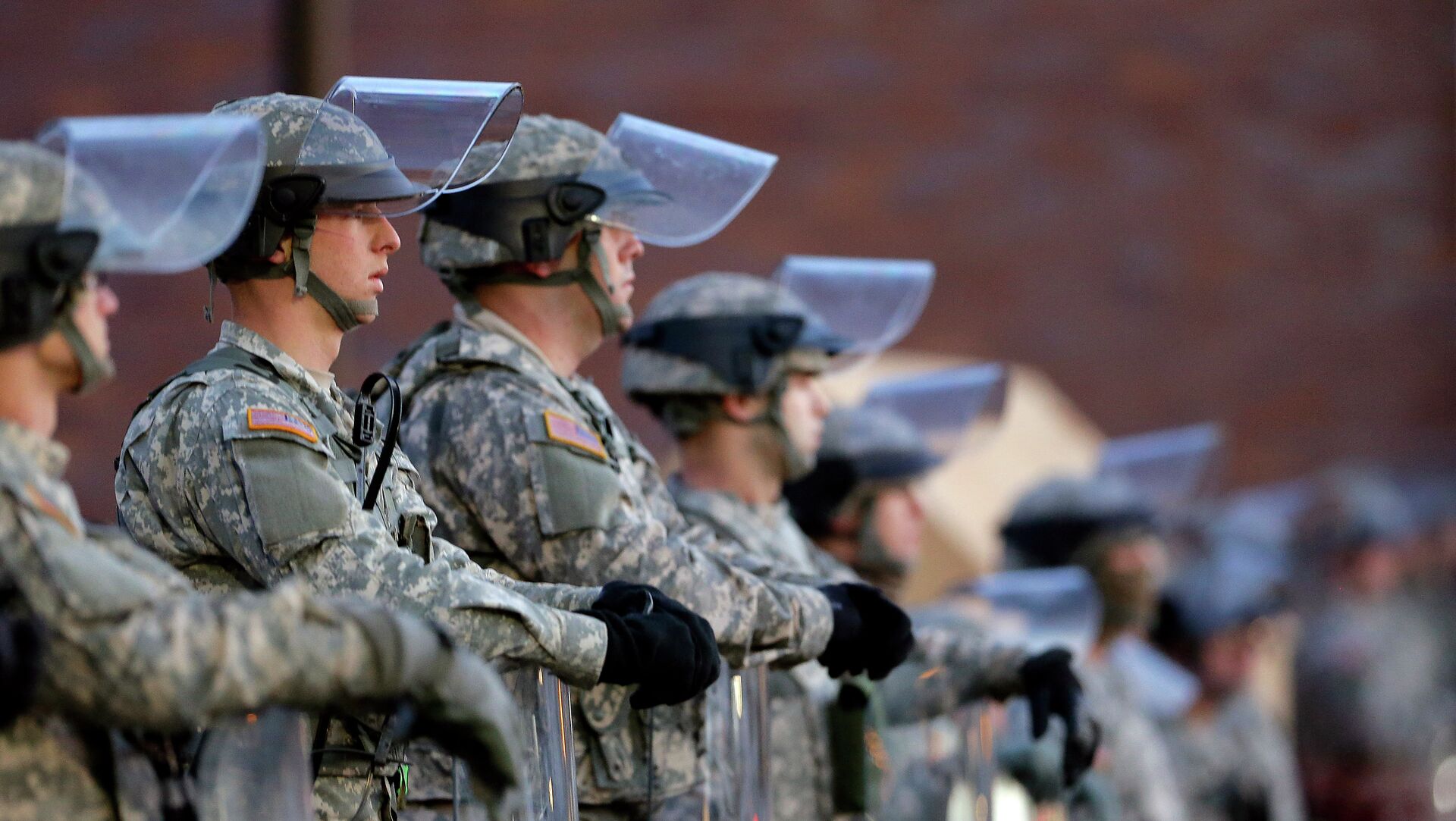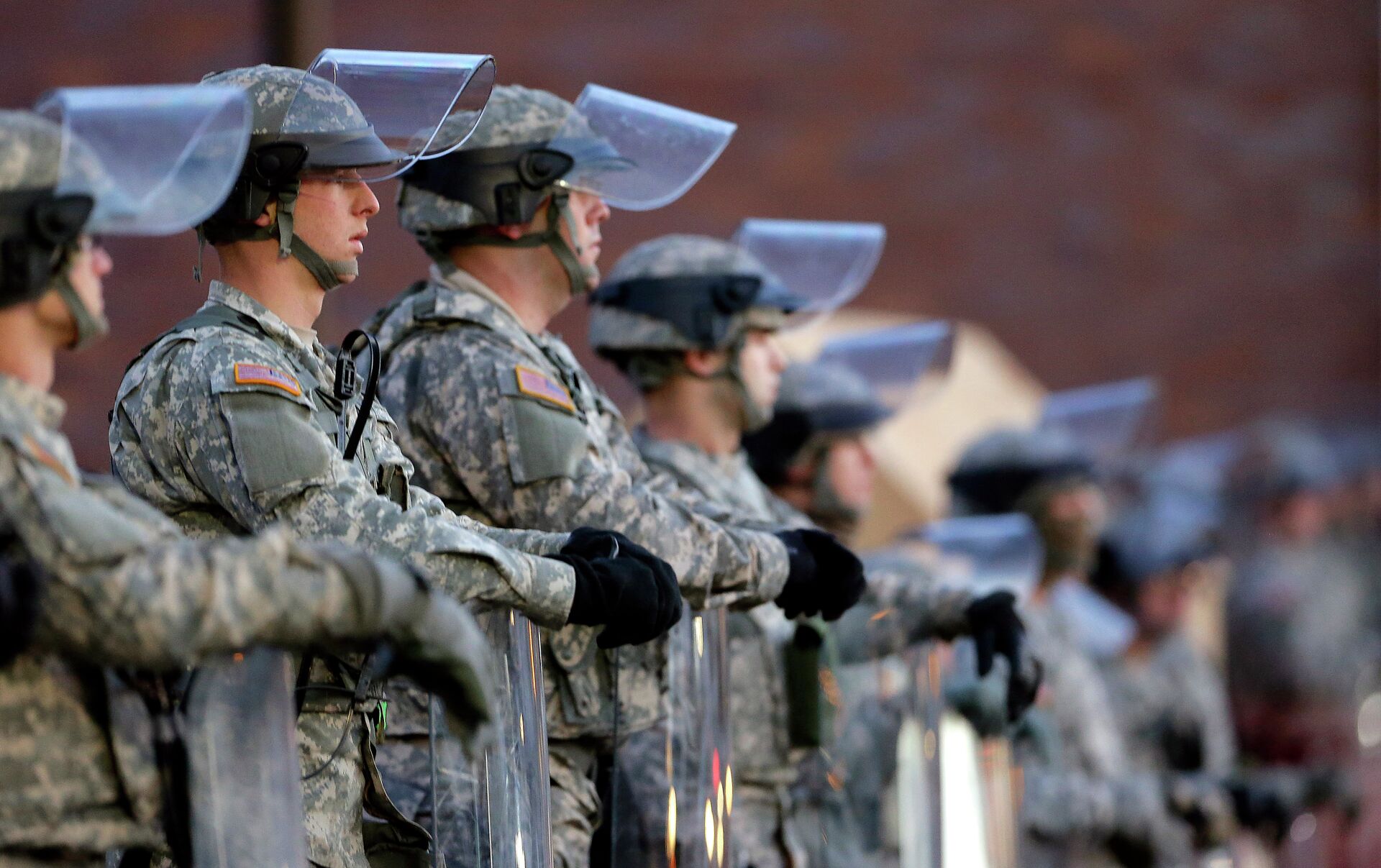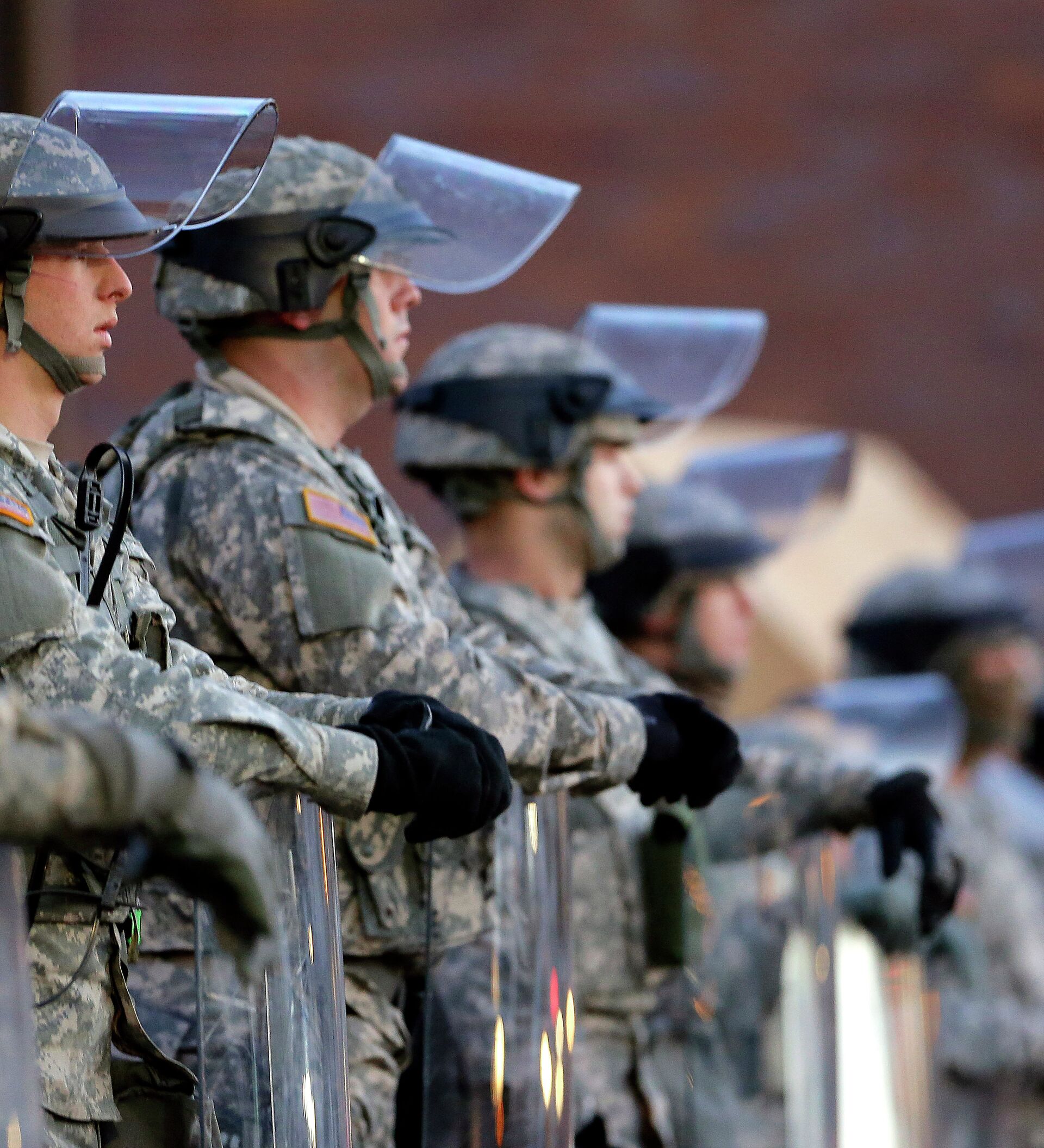
The exact number of troops, the intended duration of their stay and the accompanying costs have not been specified.
Radio Sputnik discussed Trump’s reasoning behind the deployment of the National Guard to the US-Mexico border with Mark Jones, chair in Latin American Studies and director of the Master of Global Affairs Program at Rice University.
READ MORE: US to Send Between 2,000 and 4,000 National Guard Troops to Southern Border
Sputnik: What are your thoughts on President Trump’s decision? What has become the turning point to prompt the President to go as far as to engage the National Guard?
Mark Jones: I think there’re two factors. One is that the March data are expected to show a dramatic increase in apprehensions along the border suggests that more people are trying to come across the border from Mexico and Central America. The other is a hardening of President Trump’s negotiating positions with Democrats in the United States regarding the broader immigration reform. The president extended an olive branch attempting to get democrats to agree to the construction of his border wall as well as some other restrictions in exchange for some benefits for young undocumented immigrants in the US. Those negotiations haven’t gone anywhere so the president over the past two weeks has hardened his position regarding that deal saying it’s no longer on the table as well as has ratcheted up his enforcement on border security as a decision to send National Guards to the border.

Sputnik: We know that one of his key promises with regard to becoming president was building this wall. He was very vociferous about his intent to begin this wall or bid the finance was going to come from Mexico of course. Is this another way of engaging the public to say that he means business with regard to strengthening the border crossing and to reduce immigrants coming to the country to a minimum amount of figures altogether?
Mark Jones: This is a way to show that he’s taking a very hard line stance on border security by effectively partially militarizing the border. This isn’t like there’s no precedent of this because President George W. Bush and President Obama sent National Guard troops to the border. And here in Texas where Rice University is our governor has kept our National Guard troops on the border for about six years.
Sputnik: On the other side there’s always the question with regard to the financial costing with regard to this initiative. Is deploying the National Guard going to affect issues between the Democrats and the Republicans? Where is the funding coming from? Is this going to cause a battle within the Senate House?

Sputnik: And what about the general consensus of the public? We know Donald Trump is a very divisive character, you either love him or hate him. What’s the general feeling from the US population? Are they with him with regard to this current stance and sending the National Guard down to the Mexican border? Do they support his strategy with regard to this?

Sputnik: Just give us your overview of the current situation with regard to the current position of the notorious wall initiative. Will it come to any fruition? Do you consider it feasible?
Mark Jones: I think the border wall is best thought of as a metaphor for enhanced border security. Now President Trump will want some construction of some wall. I would expect the most that we’re going to see in terms of an actual wall is maybe 50 to 100 km of a wall that the president can then use as a photo-op to show that he’s built the wall and even that may not be the case. We may end up just with 10 to 12 km of a wall and that’s probably enough for the president to show that he has constructed some wall.