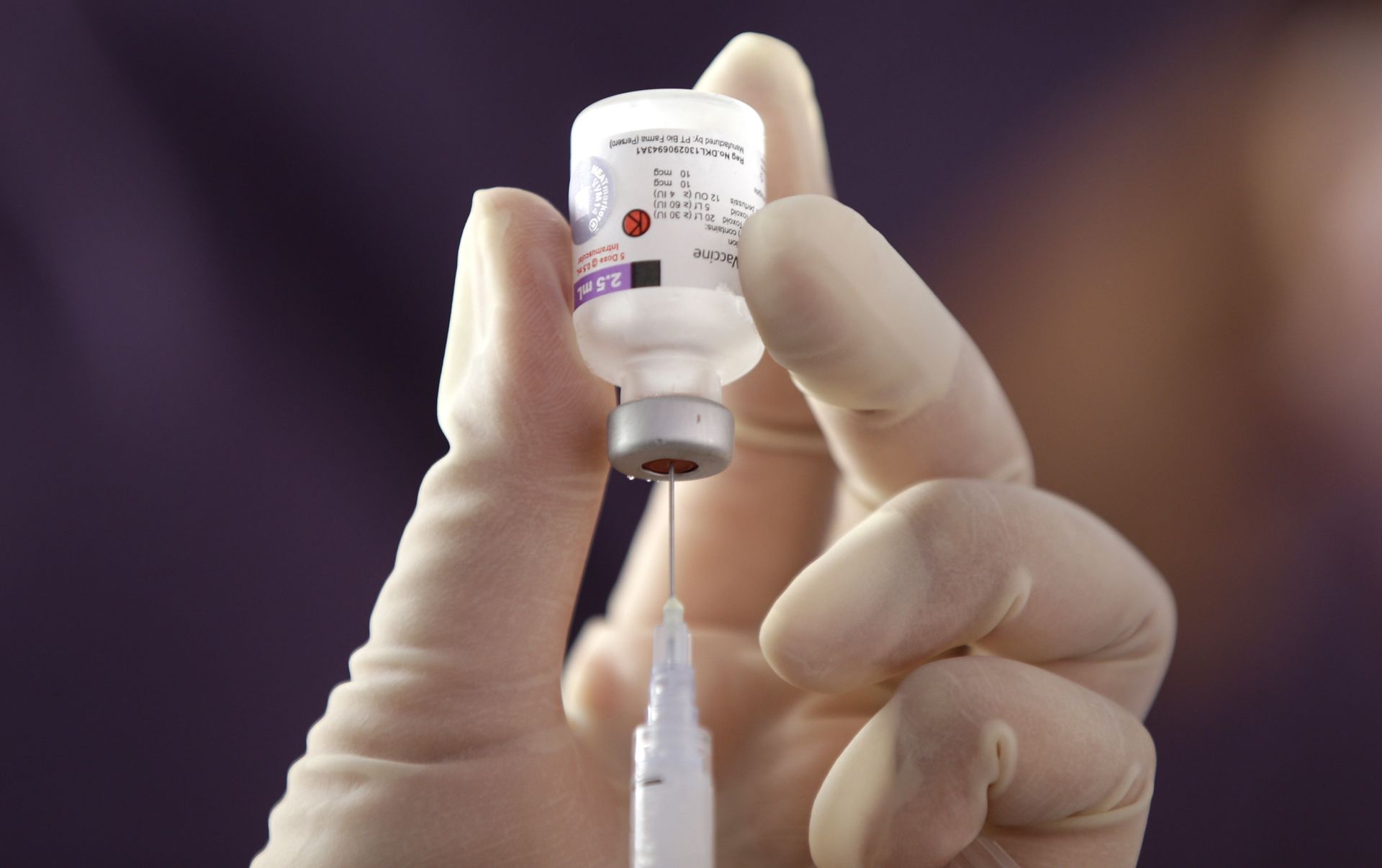

Sputnik: What's your take on the recent study and the allegations it's put forward?
Dr. Jeanne Zaino: It's very interesting. We're just getting the study now, and it does, as what's suggested, say that there were Russian trolls and bots that were at a higher rate than what we call regular Twitter users spreading information both pro- and anti-vaccines. I think one of the things that concern me about the study and not necessarily the study itself, but the discussion of the study that is following in the media; is that just because there is a spread of information or disinformation if you will, it does not mean that it has necessarily eroded public consensus on the necessity of vaccinations.
In other words, it's one thing to document, as the researchers accurately have, that this information was being spread, it's another, to prove in some way that the public was actually responding to that by not vaccinating children. And so that I think is a bridge too far in this public discussion of what's going on here.
READ MORE: 'Many Surveys Show that Opponents of Vaccinations in Italy are Minority' — Prof
Sputnik: Many experts say that the US has been leading the anti-vaccination movement, so isn't it strange to hear from the United States that Russia-based Internet users are spreading discord in the US society, have they got a point with this one?
Though, that it would be an attempt to spread disinformation on an issue that has already, to a certain extent, resonated with the public or at least small segments with the public. We saw this in one of the fascinating historical cases, the one involving AIDS, many, many years ago in which there was a disinformation campaign to impact rumors about AIDS in the 1980s.
READ MORE: Turkish Party Proposes Serious Jail Time for Parents Who Don't Vaccinate Kids
Sputnik: Other analysts have stated that this study was a more politically motivated rather than based on medical data, would you tend to agree with that, or you're more in balance in terms of what this is suggesting now?
Dr. Jeanne Zaino: You know in terms of the vaccination this goes back many, many decades in medical research. That, indeed, these vaccinations are not connected to autism, which is an enormous fear over here, and that they are helpful and successful in combating various diseases. You've mentioned the outbreak of measles in Europe of late, so I think the medical research on the necessity of vaccinations is clear.
And that's why I do agree with those who suggest that this is a political issue more than anything else, and it has to do with what has been, in the United States at least, long concerns about the ethics of medical research. I mean you can go right back to the Tuskegee experiments in the United States. These types of concerns are actually rooted in fact, and that is what makes this disinformation that much more real and more difficult to combat, because there is a history of this over here.
The views expressed in this article are solely those of Dr. Jeanne Zaino and do not necessarily reflect the official position of Sputnik.