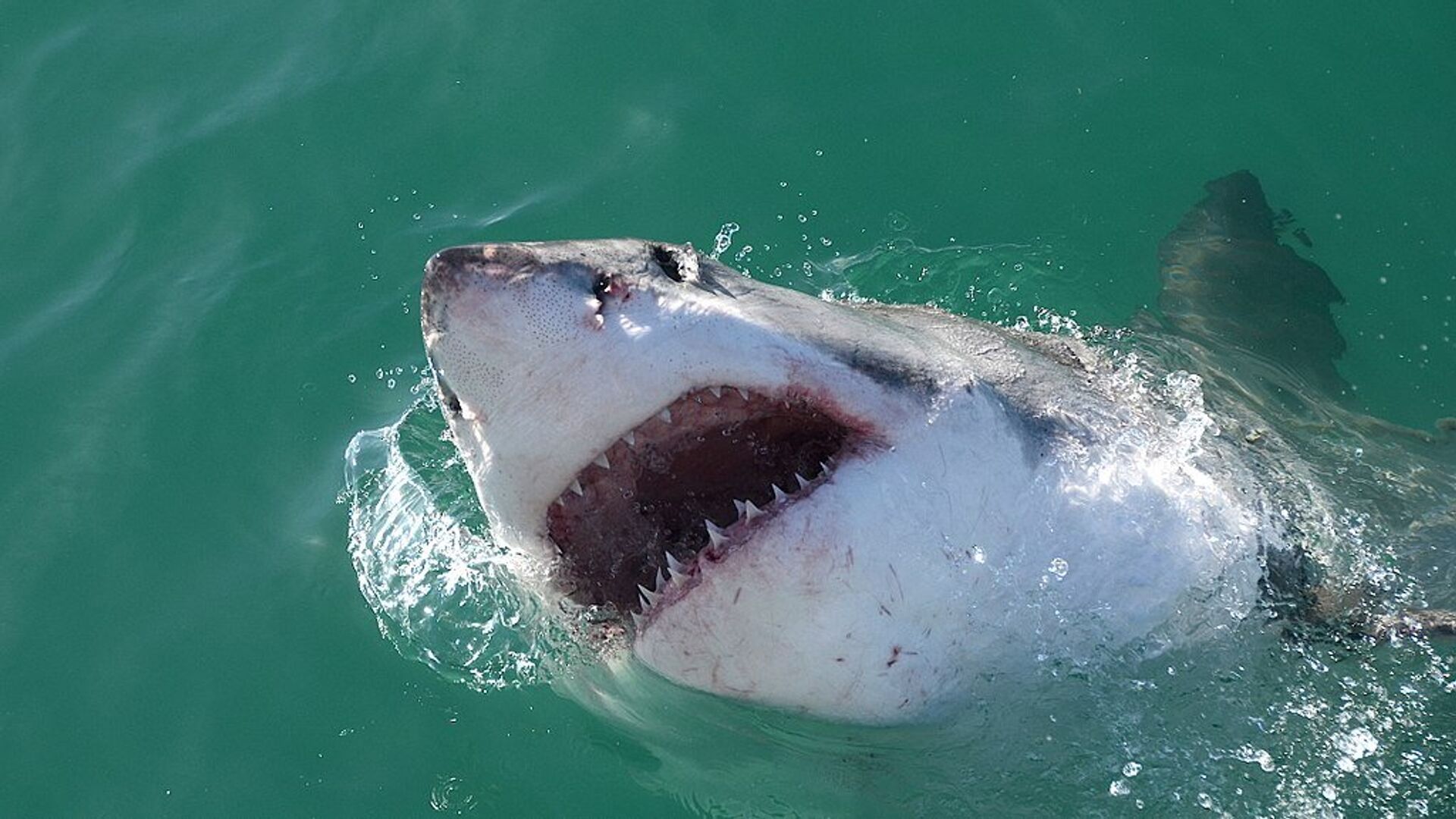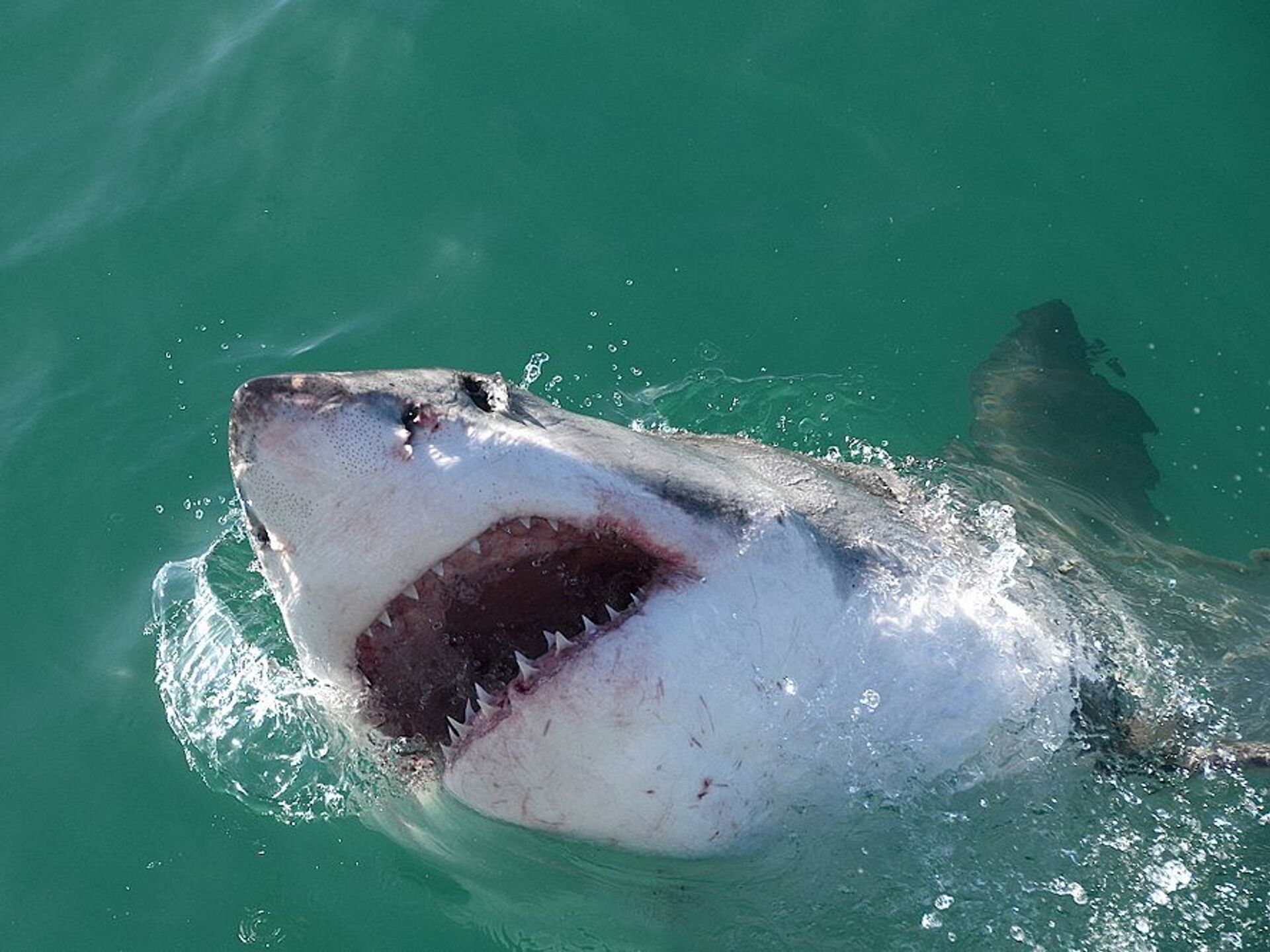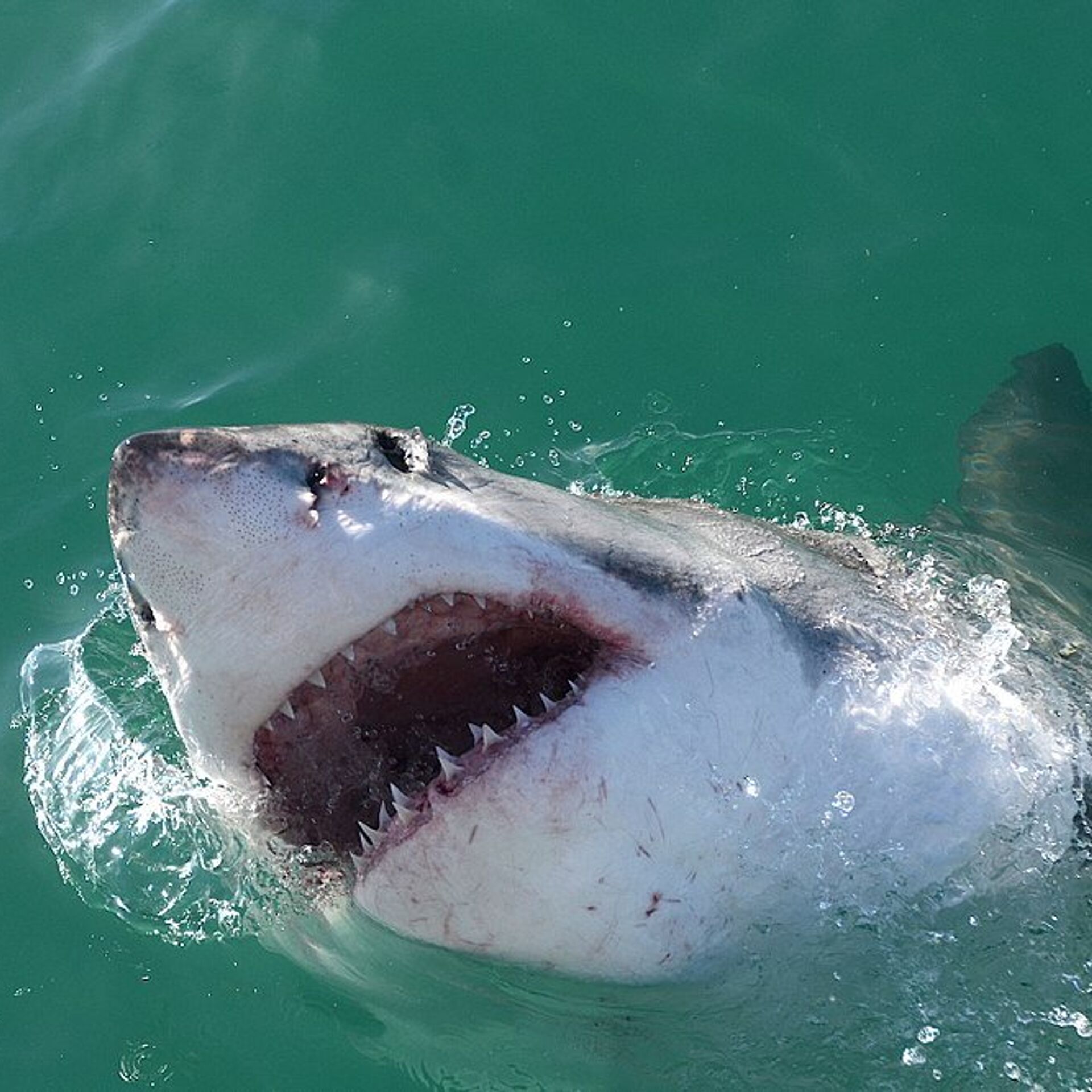
City of Cape Town officials and workers at the city’s Shark Spotting Programme are at a loss over the lack of great white sharks in False Bay, with sightings down from an average of 205 per year between 2010 and 2016 to zero in the last year and a half, with just 50 sighted in 2018, The South African has reported.
The massive ocean predators, known to enjoy snacking on seals off Seal Island, a small granite rock formation near the bay where Cape fur seals are known to breed, had previously attracted cage diving thrill seekers from around the world, but have been missing this year.
Similarly, local city authorities have reported that no shark bite marks have been seen on the carcasses of whales recovered and removed by city services from False Bay so far this year. “We do not know how their absence from False Bay would affect the ecosystem. Neither do we know the causes for their disappearance,” the municipality said.
Shark spotters did mention the arrival of orcas, which are known to eat great whites, in the area, with the orcas appearing to have had “a significant effect on the distribution of great white sharks in our area.”
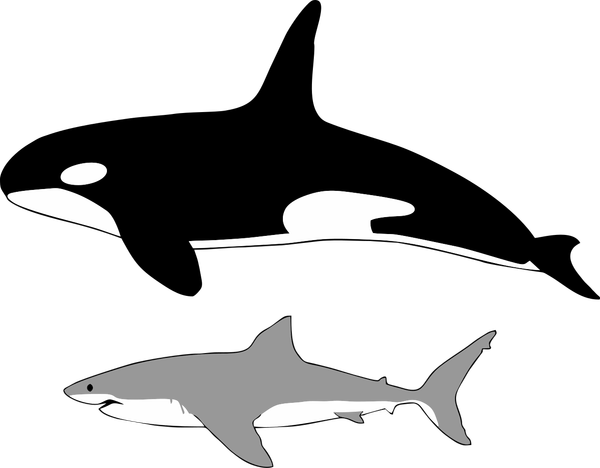
However, Dr. Sara Andreotti, a marine biologist specialising in great white sharks, said she finds it highly unlikely that the orcas could have driven the sharks, whose numbers were estimated to have reached between 300 and 500 in 2012, away.
“I cannot believe that two orcas would make the entire white shark population disappear from the most important site around the coastline,” she said, speaking to CapeTalk radio. According to the academic, scientists had only recently conducted genetic study on the great whites’ long absence from the region, confirming “that the white shark population in South Africa was in very big trouble.”
It remains unclear where exactly the sharks left for, or if they’ll come back to their old seal-hunting grounds once the threat of whatever may have spooked them passes. Great whites are listed as a vulnerable species by the International Union for Conservation of Nature. In addition to South Africa, they are known to inhabit the waters off California, Japan, Australia, Chile and the Mediterranean.

The species’ traditional presence off Cape Town has resulted in a burgeoning cage-diving industry, with workers throwing chum in the waters near cages with divers to attract the predators. Shark dives are assumed to be highly lucrative, bringing anywhere between $11,000 and $33,000 US in revenue per outing to tour operators, not to mention other revenues generated by the city during the duration of divers’ stay.
Social media users didn’t know quite what to make of the mammals’ disappearance from the area, with some voicing their disappointment over the loss of an opportunity to swim among the great white sharks, while others spouted off a series of other theories, some more serious than others.
Shark diving is the only reason I ever wanted to go to Cape Town 💔 https://t.co/321Qng3B2a
— waseem (@was_not_eem) 29 августа 2019 г.
Even the great WHITE sharks are fed up of SA lol
— The Oracle_69🇨🇦🇬🇧🇲🇿 (@Retroman_67) 28 августа 2019 г.
Great white sharks vanish from Cape Town and no one knows whyhttps://t.co/V1etDnjTOb?
shared via @Fin24
Wait let me think ? Climate change !? When will we take action ? What are we waiting for ?
— itiswhtitis (@itsallabtthem) 28 августа 2019 г.
someone must have got a bigger boat.
— Garry Porter (@GarryPorter19) 28 августа 2019 г.
— Sharky 🦈 (@FailShark) 28 августа 2019 г.
Great white sharks, and sharks in general, first captured the imaginations of people worldwide in 1975, following the success of the Steven Spielberg blockbuster Jaws. However, contrary to popular belief, sharks of all kinds, including great whites, generally tend to avoid interacting with or attacking humans, with only 66 shark-related deaths reported worldwide in 2018. For comparison, the World Health Organisation estimated that some 1.35 million people were killed in traffic accidents in 2018.