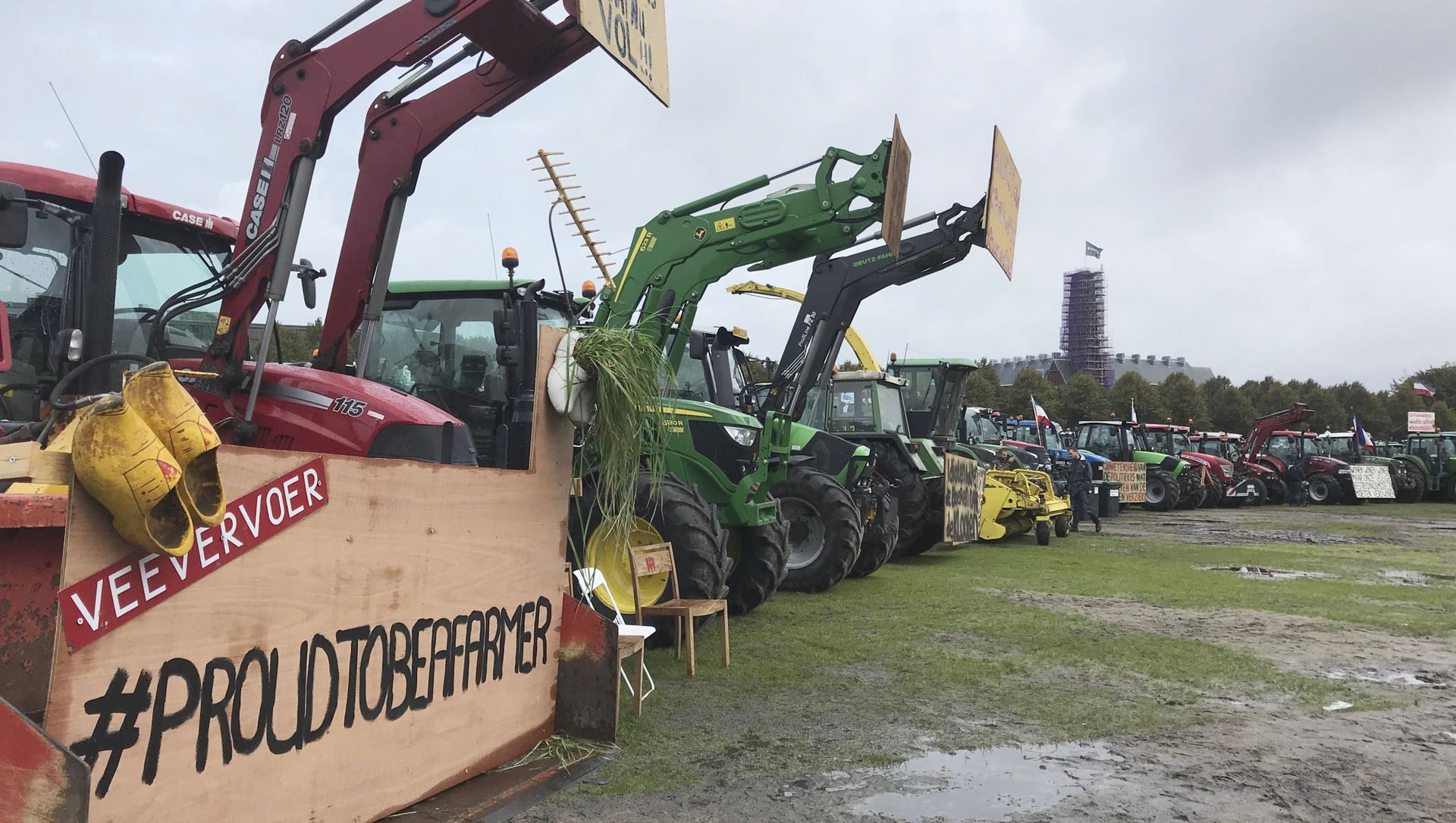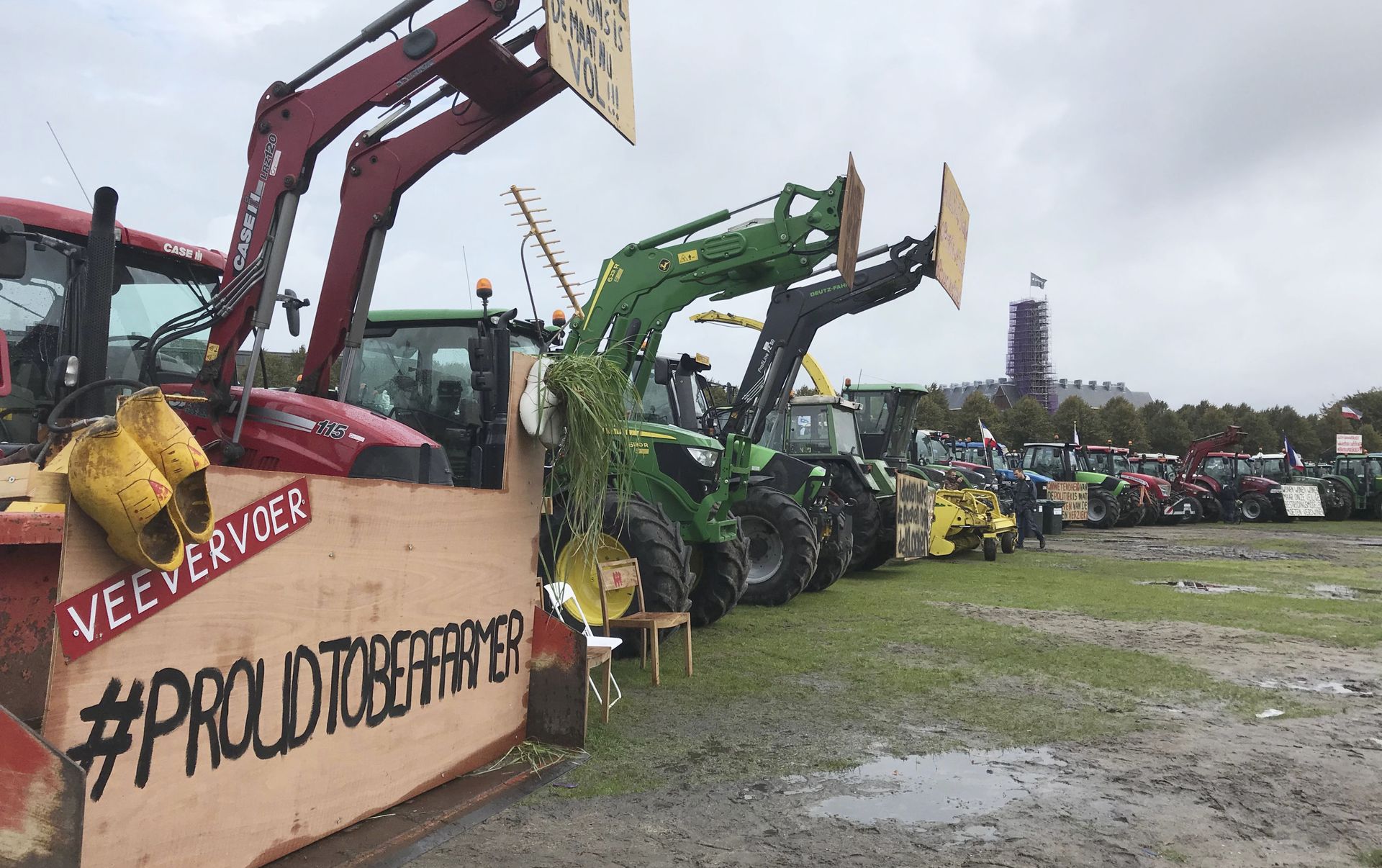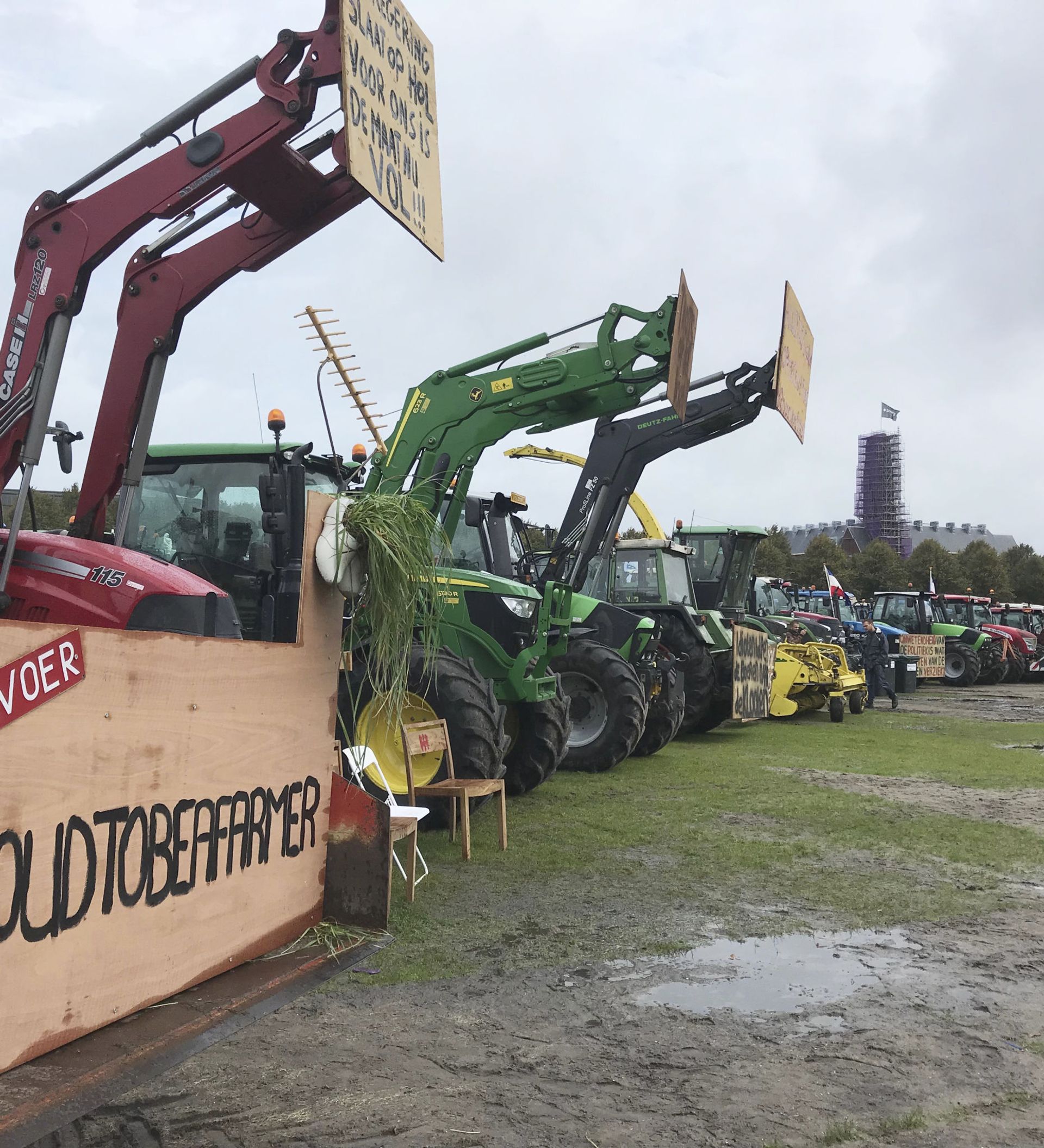
Thousands of farmers in the Netherlands are currently heading to The Hague to protest, and are demanding a more accommodating agricultural policy.
Videos on social media show that many are driving in convoys of tractors that have crippled traffic on several highways during rush hour. There were more than 1,000 kilometres of traffic jams in the Netherlands this morning, according to the local travellers’ association, which claimed it was the busiest morning rush hour in the country’s history.
Onze #boeren zijn niet te stoppen.👍🏽#boerenprotest #boerenactie #agriactie
— TweepDate #1 ( ͡° ͜ʖ ͡°) ☕️ (@TweepDate_nr1) October 1, 2019
pic.twitter.com/cDNEUpNiCB
Dozens of farmers who cannot go to The Hague are campaigning on the highways.
The demonstrators are protesting against what they call the “negative image” of farming in the Netherlands, and believe the government is not treating them fairly.
According to a September poll, a majority of Dutch farmers now have doubts about whether or not they could stay in business and four in ten are prepared to consider closing down if they receive appropriate compensation.
A12-trekker-snelweg. Bij Evalien Sminck uit Wilnis in de trekker. #boerenprotest #agriactie @rtvutrecht pic.twitter.com/MUtjSbmDic
— Robert Jan Booij (@robertjanbooij) October 1, 2019
Despite farming playing a crucial role in the Dutch economy (the country is one of the biggest exporters of agricultural and food products), this industry is blamed for air pollution and emissions, while animal rights activists allege mass animal welfare abuses on farms.
The farmers are now complaining that they have to take extra measures to cut down nitrogen oxide greenhouse gas (ghg) emissions while the government doesn’t take action on air travel.
Dutch farmers occupy a city after plans of unreasonable new rules.
— 🌳 Natequerces 🌳 (@natequerces) October 1, 2019
Stay strong Farmers from Holland! #Boerenactie #trotsopdeboer #boeren #agriactie #boerenprotest pic.twitter.com/bu5Ws0oniJ
They are also insisting that the government does not make them keep fewer animals, and that an “independent party” should measure carbon dioxide and nitrogen oxide emissions at farms.
It is estimated that some 70 percent of Dutch nitrogen oxide emissions come from agriculture, primarily from intensive livestock farming.
N11 richting A4 #agriactie #boerenprotest pic.twitter.com/vteX2SujsS
— Barbara (@underkoffer) October 1, 2019
Last week, an advisory commission urged the government to buy up old and inefficient farms in order to reduce the emissions. And in early September, the social-liberal D66 party proposed to reduce the number of livestock in the Netherlands by half, citing the same goal.
Agriculture Minister Carola Schouten is set to address the protesters later in the day.