Love in the Time of Coronavirus: Couples Wear Face Masks Over COVID-19 Fears
Love in the Time of Coronavirus: Couples Wear Face Masks Over COVID-19 Fears
Sputnik International
The World Health Organisation declared the COVID-19 outbreak a pandemic on 11 March. To date, more than 1,213,900 people have been infected with the... 05.04.2020, Sputnik International
The World Health Organisation declared the COVID-19 outbreak a pandemic on 11 March. To date, more than 1,213,900 people have been infected with the coronavirus worldwide, with over 65,600 fatalities, according to the Johns Hopkins University Coronavirus Resource Centre.
The World Health Organisation (WHO) is insisting on its general recommendation that healthy members of the population don't need to wear face masks to protect against the spread of COVID-19. Basic hygiene and social distancing are the best strategies for avoiding the disease, according to reports.
However, people prefer to wear protective masks while they are outside with their loved ones, trying to save themselves from spreading the coronavirus pandemic.
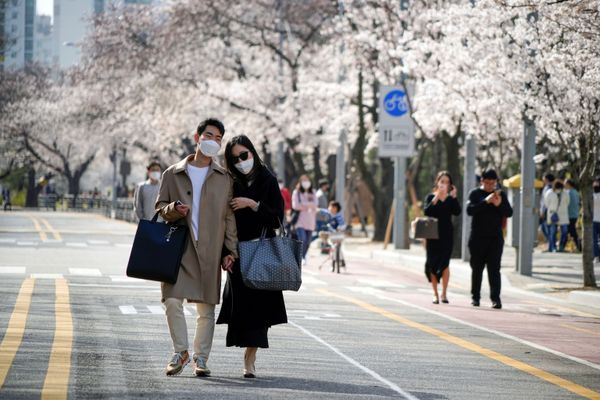
A couple takes a walk on a street with blossoming cherry trees that has been closed to avoid the spread of the coronavirus disease (COVID-19) in Seoul, South Korea, 1 April 2020.
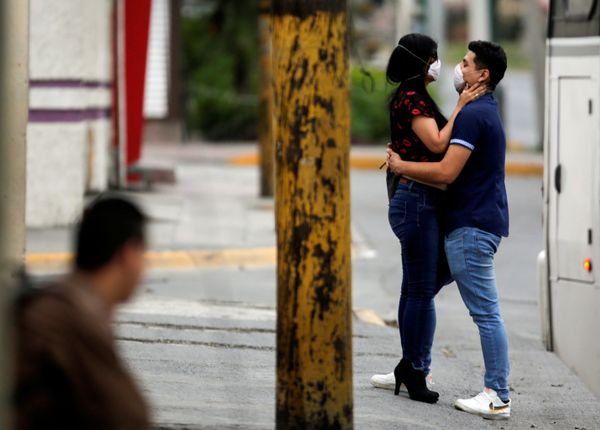
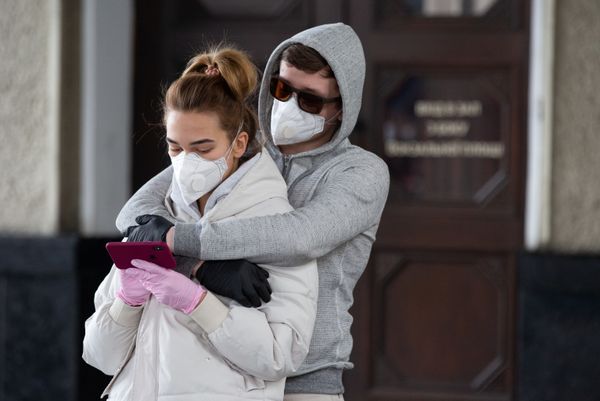
A couple wearing face masks embrace as the spread of the coronavirus disease (COVID-19) continues, in Escobedo, on the outskirts of Monterrey, Mexico on 29 March 2020.
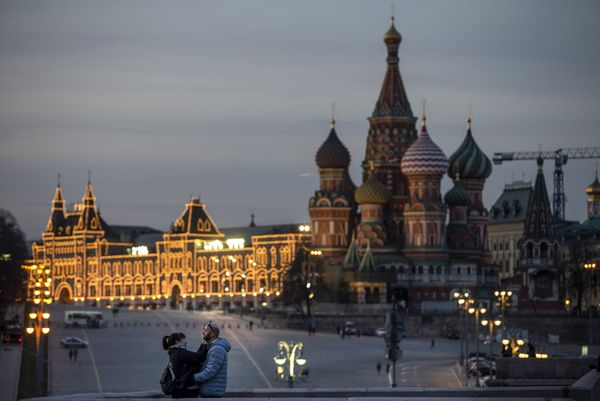
A couple enjoys warm weather on a bridge near St. Basil's Cathedral, right, and an almost empty Red Square after sunset in Moscow, Russia, on Saturday, 28 March 2020. The new coronavirus causes mild or moderate symptoms for most people, but for some, especially older adults and people with existing health problems, it can cause more severe illness or death.
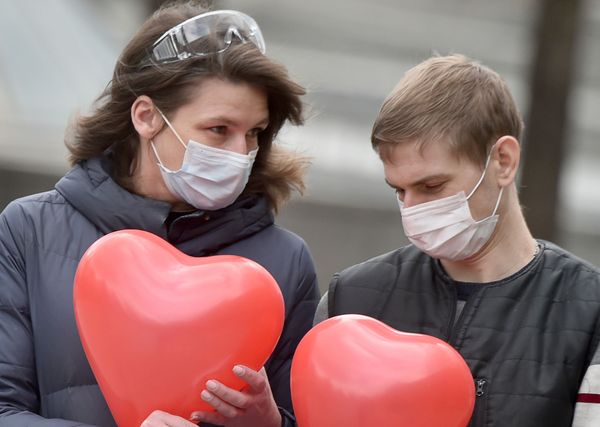
A couple, wearing face masks amid concerns over the spread of the novel coronavirus - COVID-19, holds heart-shaped balloons as they walk in the centre of the Ukrainian capital Kiev on 1 April 2020.
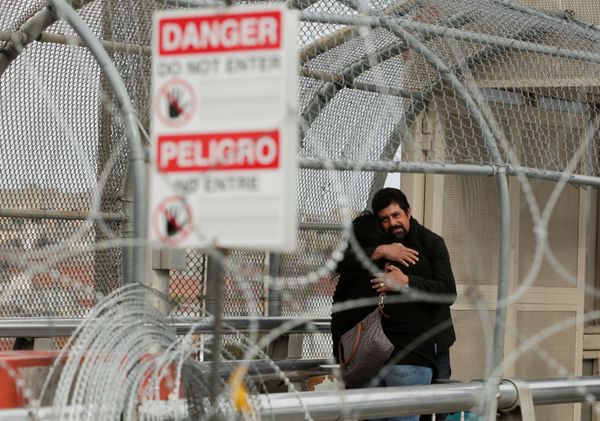
A couple embraces at the Paso del Norte International Border Bridge after the US and Mexico agreed to restrict non-essential travel across their shared border to limit the spread of the coronavirus disease (COVID-19), in Ciudad Juarez, Mexico on 21 March 2020.
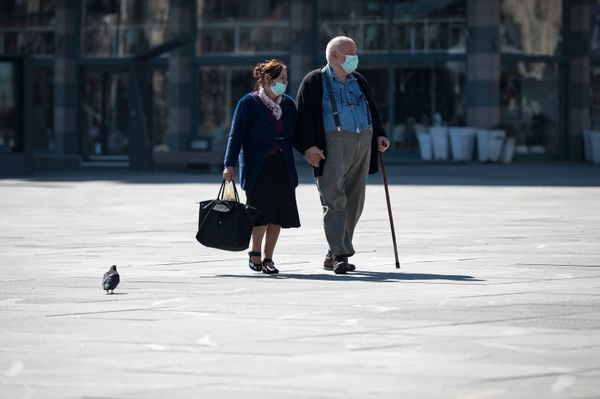
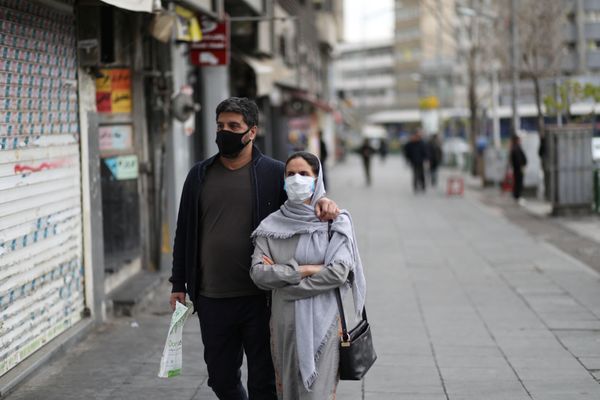
An elderly couple wearing protective masks walks across Belgrade's main square on 17 March 2020. Serbia's president said that the new restrictions were necessary to "save our elderly" in the Balkan state of some seven million, which has detected around 1,476 infections of COVID-19 so far with limited testing.
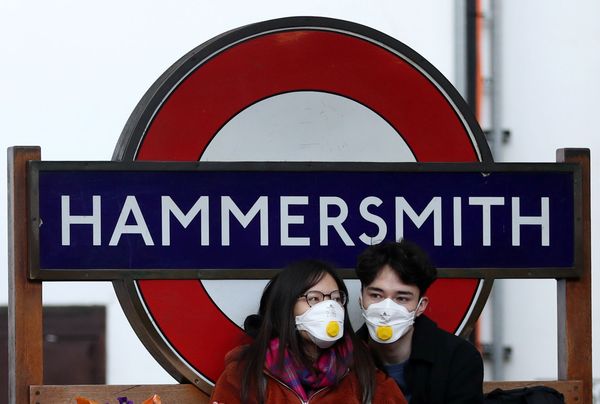
A couple wearing protective face masks at Hammersmith underground station as the spread of the coronavirus disease (COVID-19) continues, London, Britain, on 24 March 2020.
A couple covers their faces with improvised masks to protect themselves from the coronavirus as they walk in the Adams Morgan district of Washington, Thursday, 26 March 2020. The new coronavirus causes mild or moderate symptoms for most people, but for some, especially older adults and people with existing health problems, it can cause more severe illness or death.
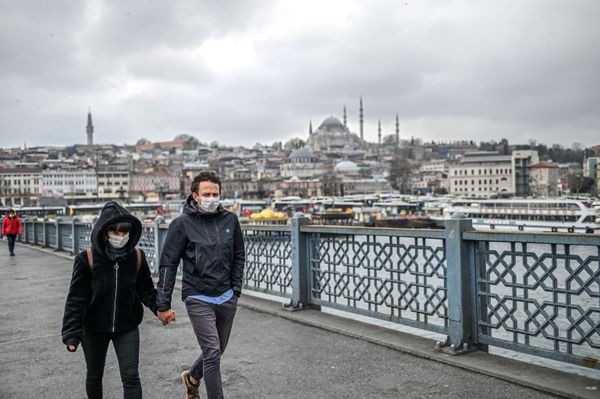
A couple holding hands and wearing facemasks for protective reasons walks across an empty Galata Bridge on 1 April 2020 in Istanbul after Turkish officials repeatedly urged citizens to stay home and respect social distancing rules.
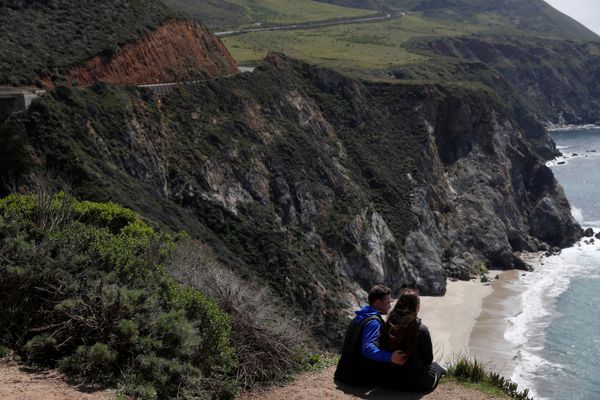
A couple sits on a cliff area next to State Route 1 amid an outbreak of the coronavirus disease (COVID-19), along the Pacific coastline outside of Big Sur, California, the US, 29 March 2020.
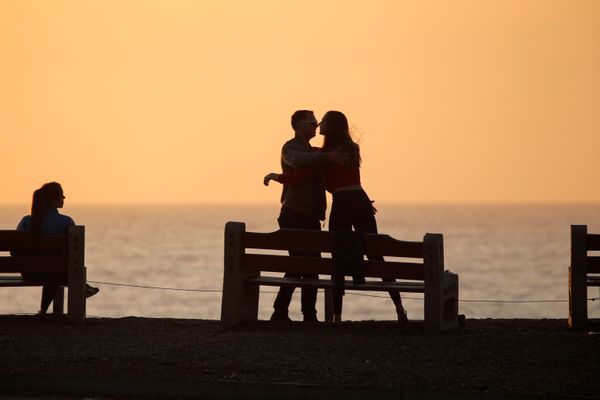
A couple hugging as they greet one another to watch the sunset at the beach during the outbreak of the coronavirus disease (COVID-19) in Encinitas, California, the US, 30 March 2020.
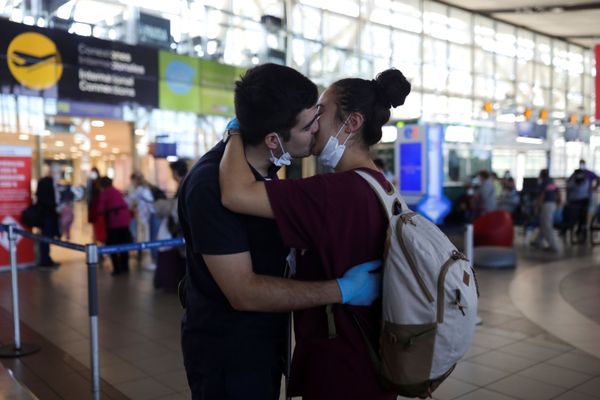
A couple kisses as the spread of the coronavirus disease (COVID-19) continues, at the Arturo Merino Benitez International Airport, in Santiago, Chile, 25 March 2020.
Newsfeed
0
Access to the chat has been blocked for violating the rules .
You will be able to participate again through:∞.
If you do not agree with the blocking, please use the feedback form
The discussion is closed. You can participate in the discussion within 24 hours after the publication of the article.