Once referred to as the “Patriotic War” during a radio address in 1941, this period in WWII was subsequently named the Great Patriotic War and has been etched in the hearts of all people born in Russia and other post-Soviet countries.
The overall number of the USSR’s casualties in the war is estimated to have exceeded 27 million. Soviet military casualties alone surpassed 8.7 million, which is more than half of the total allied death toll.
This year, Russia is marking the 75th anniversary of the victory against Nazi Germany.
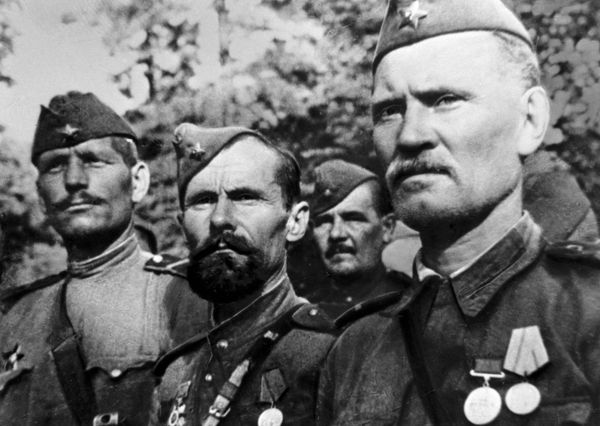
Soldiers of the Red Army during World War II, 1943
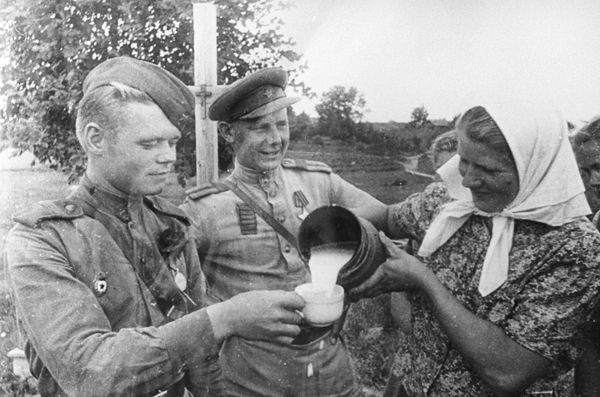
Riga, Latvia after liberation
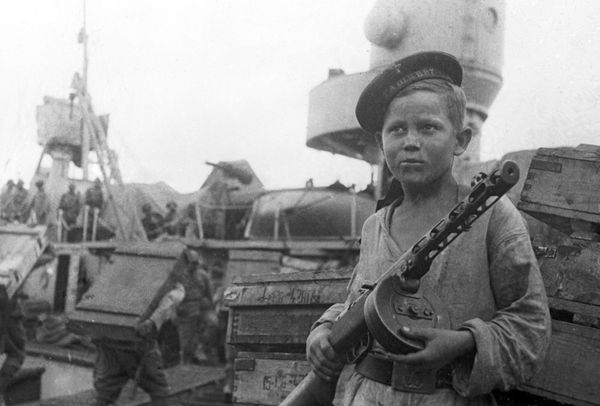
Ship’s boy Borya Kuleshin, awarded with the Order of the Red Star, standing by the "Tashkent", the leader of a destroyer flotilla in Sevastopol
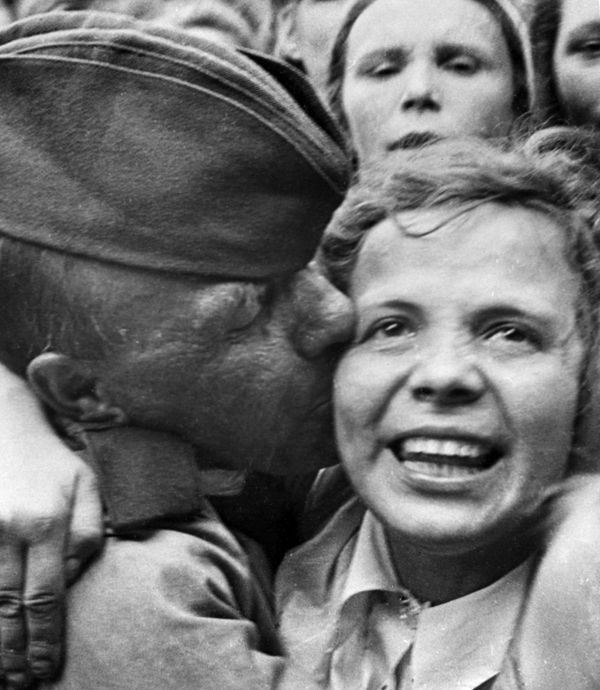
First echelon of soldiers, who just returned from the front, meeting each other at the Belorussian Railway Station, Moscow
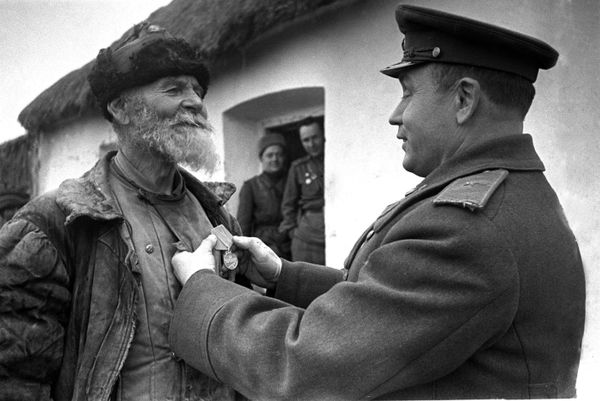
A division commander awards farmer Pomkin for his deeds on the 3rd Ukrainian Front
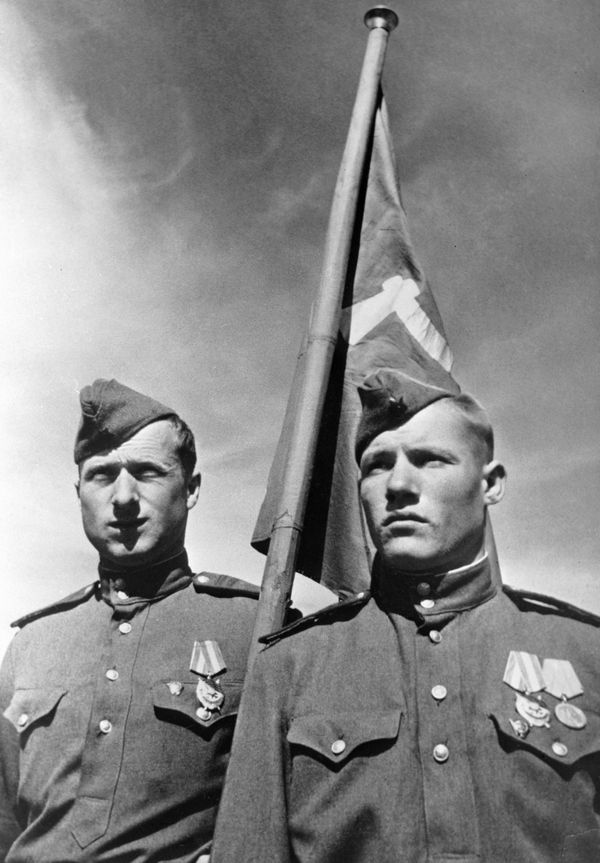
Soviet soldiers Mikhail Egorov (right) and Meliton Cantaria, who hoisted the Banner of Victory over the Berlin Reichstag in May 1945
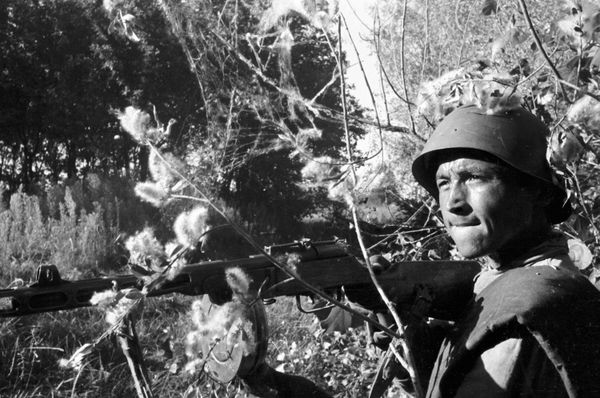
Soldier Toili Atajanov during a battle on the outskirts of Stalingrad.
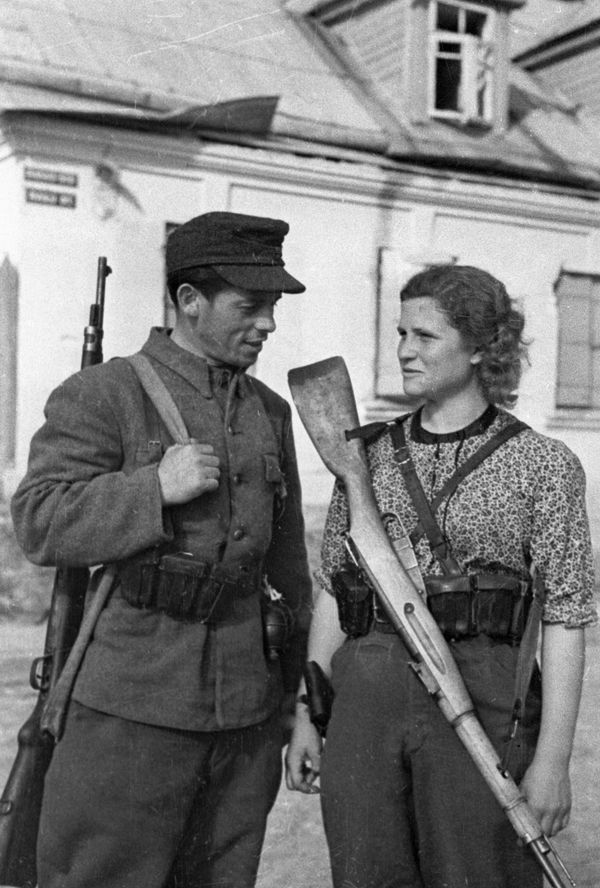
Lithuanian partisans in Vilnius during the Great Patriotic War of 1941-1945
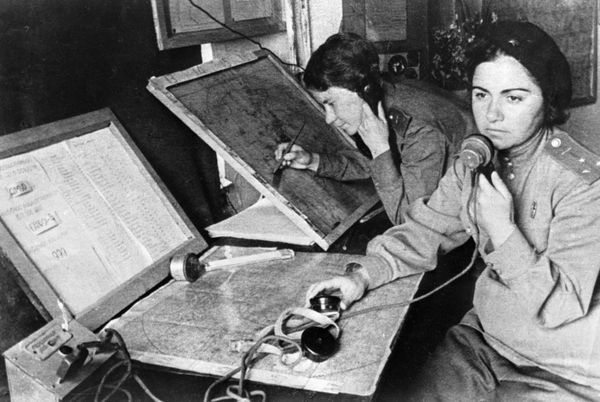
The women's fighter aviation regiment was part of the USSR Air Defence Forces. Telephone operator Nina Slovokhotova (left) and navigator of the air regiment, Zuleikha Seid-Mammadov, at the navigation headquarters
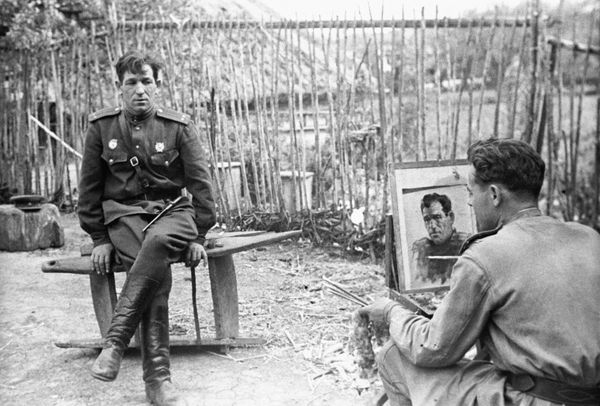
An artist from the military artists’ studio, Nikolai Sokolov, paints a portrait of Lieutenant N. Bryskin
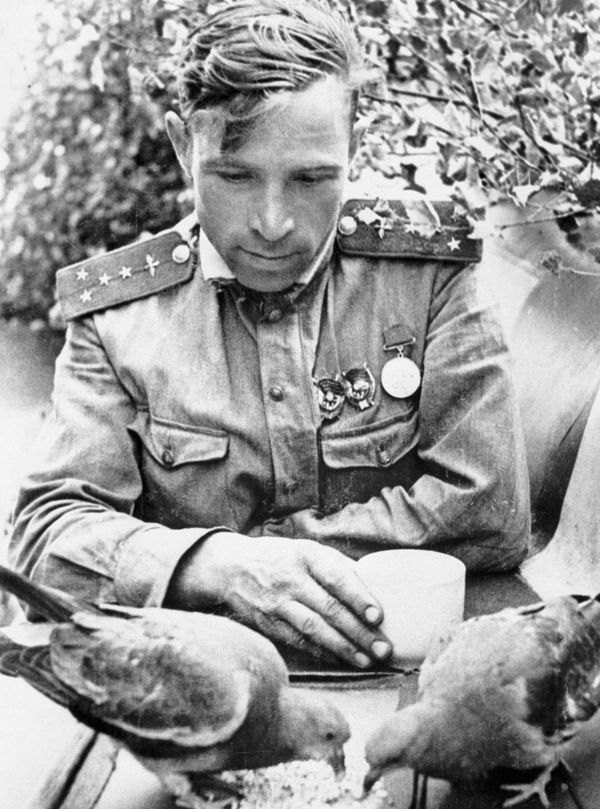
A navigator of the 263rd Fighter Aviation Regiment, Captain Viktor Vasilievich Popov, 1943
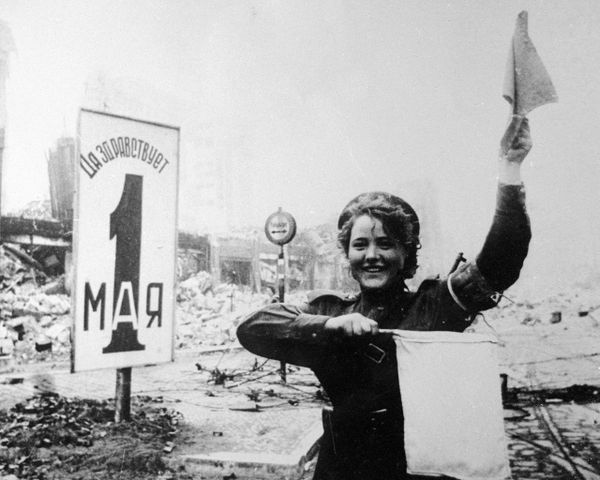
Military traffic controller Maria Shalneva at Alexanderplatz in Berlin, 1945
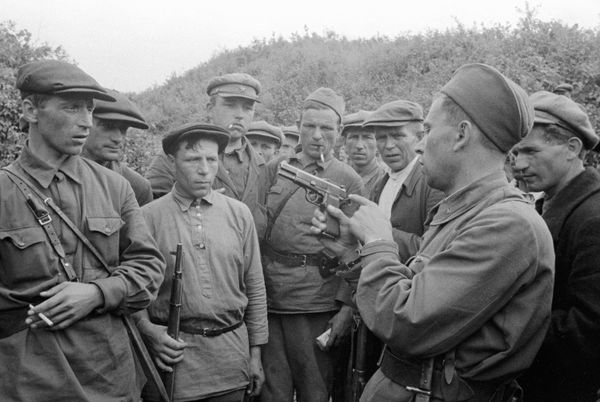
The commander of a partisan detachment shows weapons to fighters. Smolensk region, the USSR, 1941
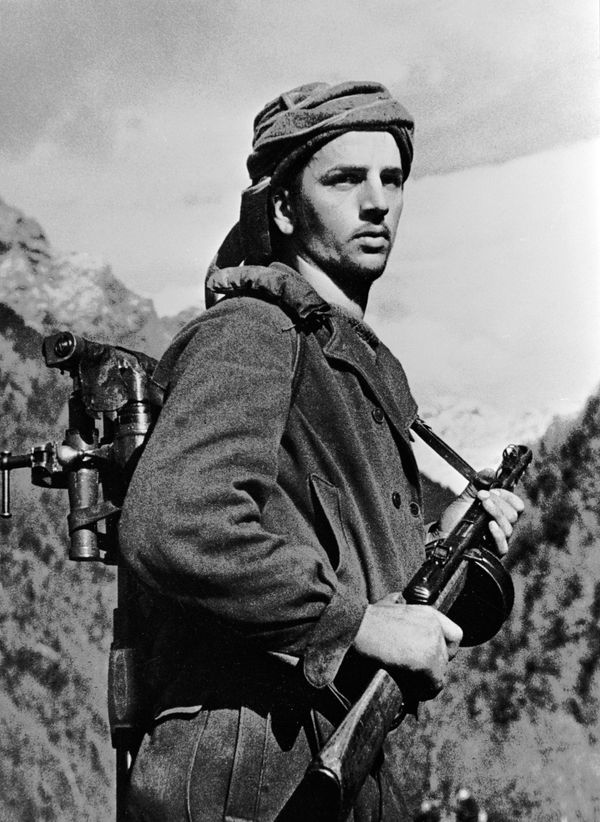
An Abkhazian soldier in the Caucasus Mountains, 1942
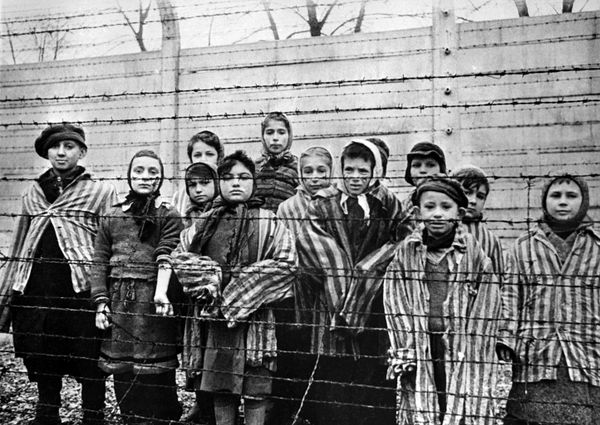
Children imprisoned in the Auschwitz concentration camp, 1945
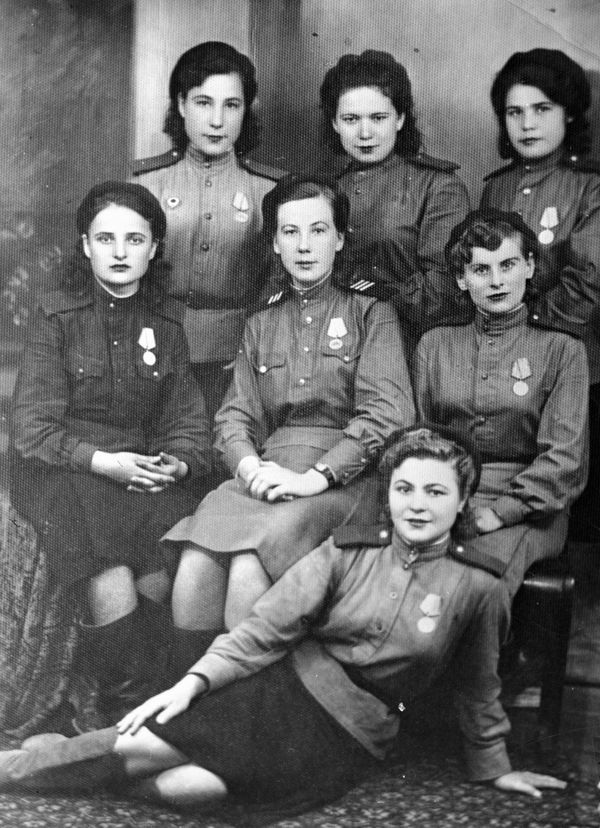
Young women of Dagestani origin who took part in the Great Patriotic War of 1941-1945
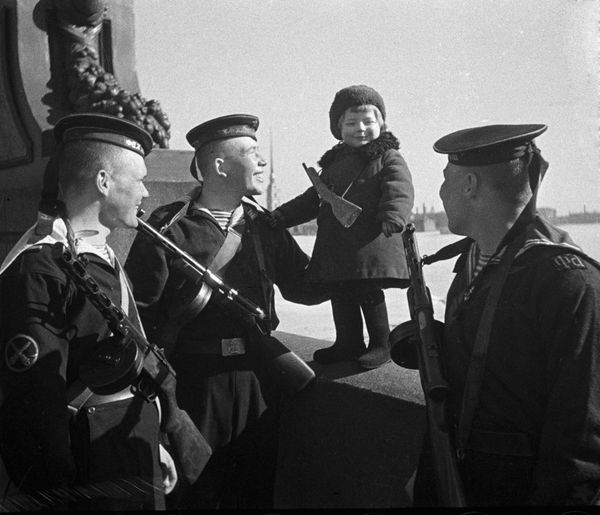
Sailors of the Baltic Fleet talk to a girl, Lucy, whose parents died from hunger during the Siege of Leningrad
18/33
© Sputnik
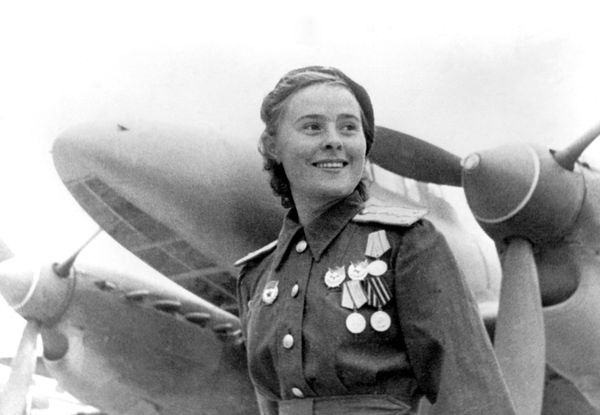
Maria Dolina, the deputy squadron commander of the 125th Guards Aviation Women's Regiment, awarded with the Hero of the Soviet Union title
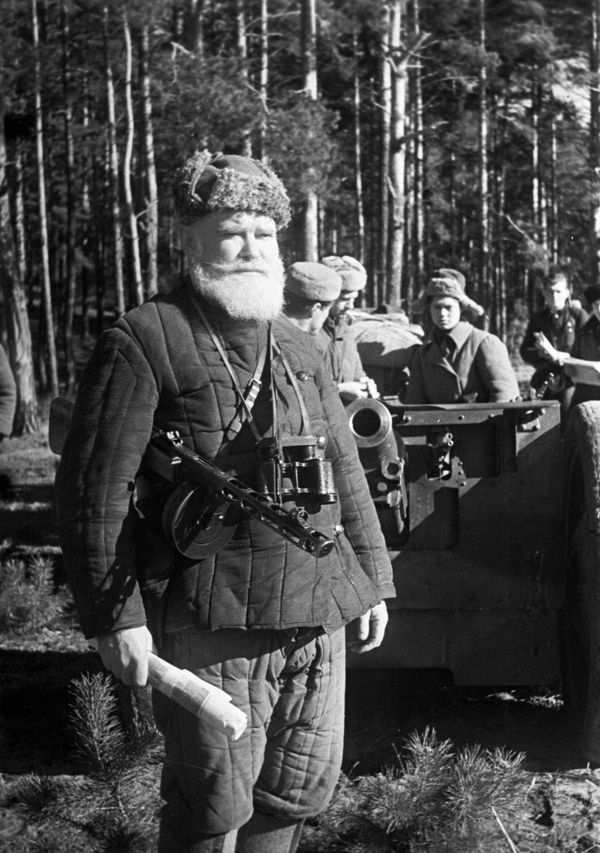
A Belorussian partisan, 1943
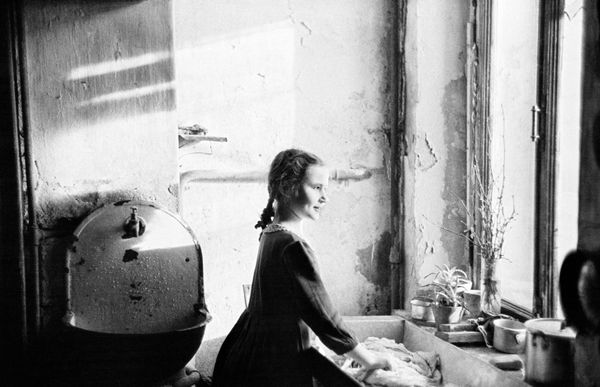
A view inside a communal living apartment in Moscow, 1945
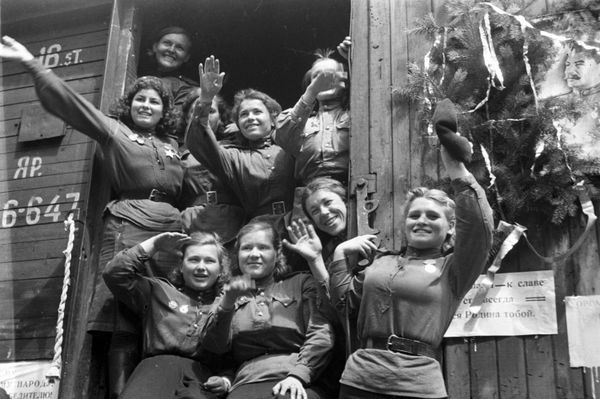
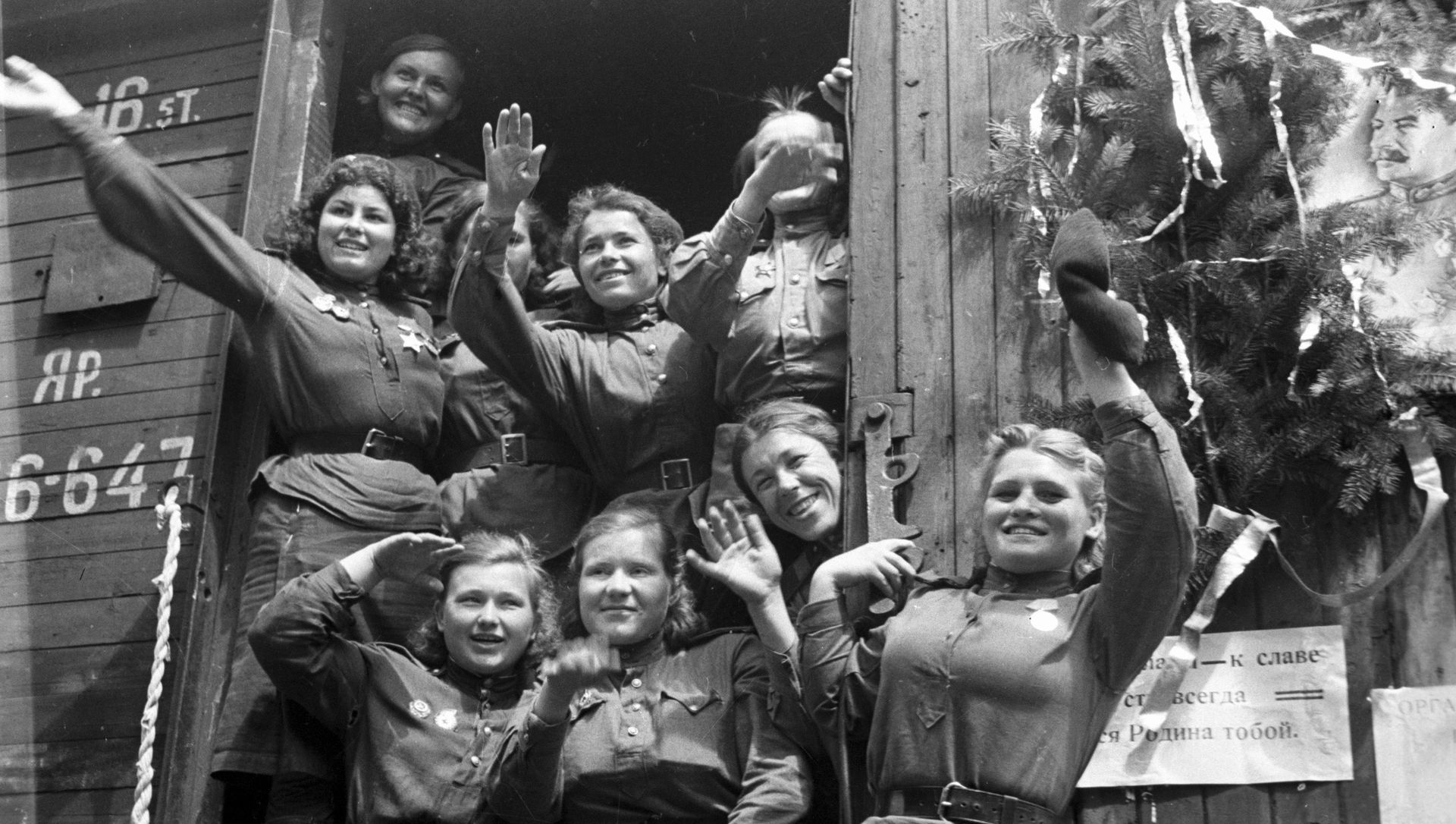
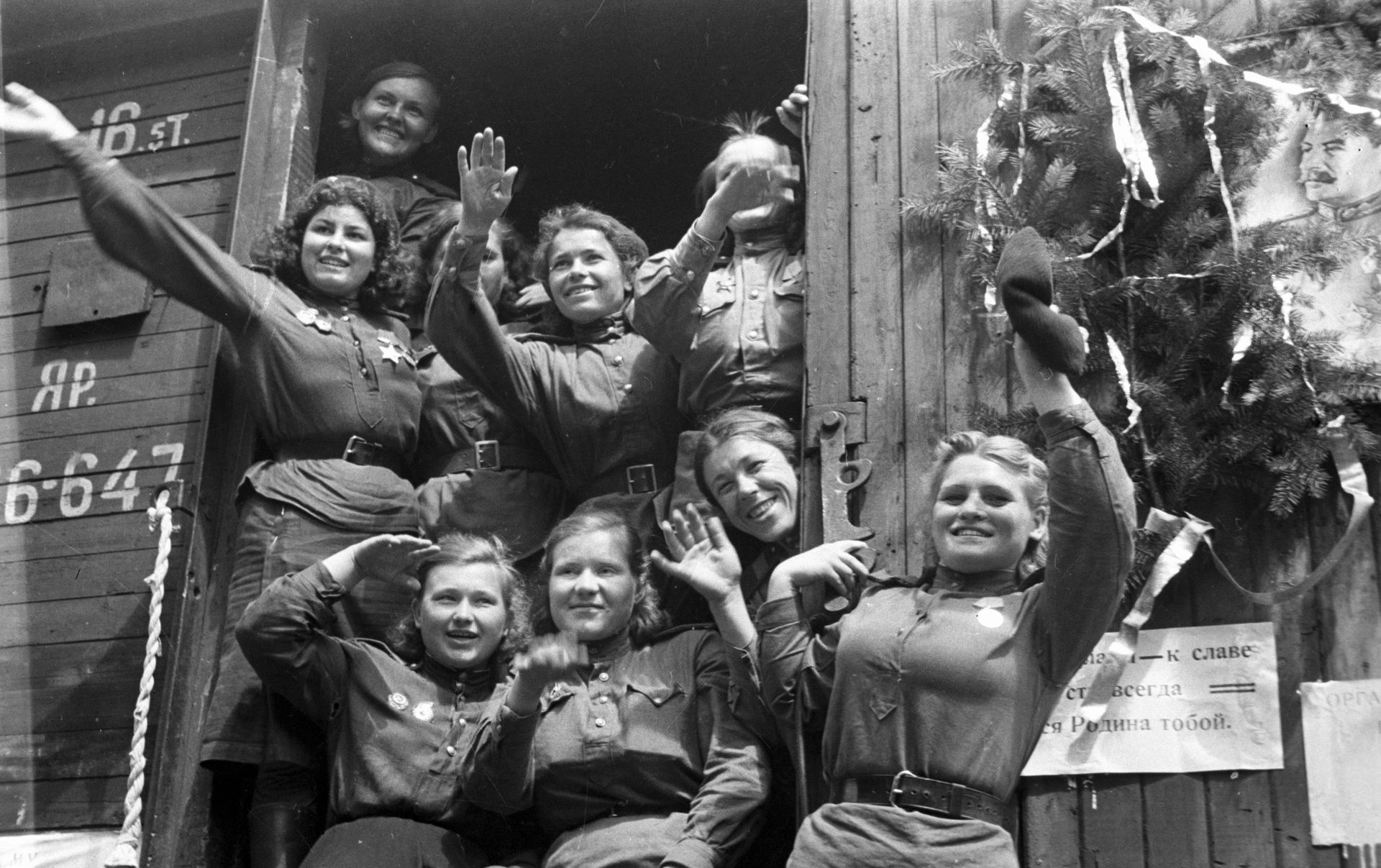
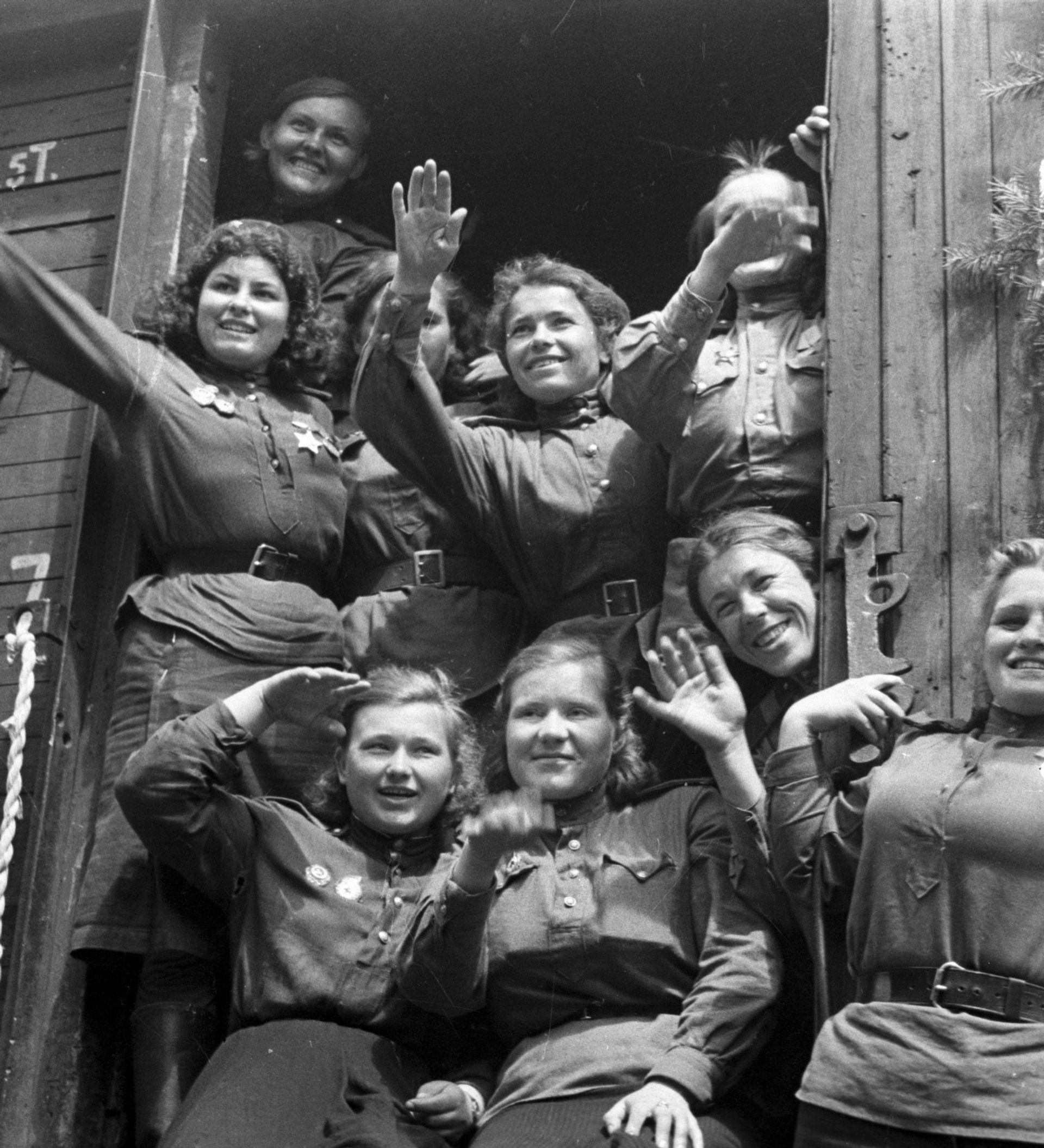
Demobilised young women leaving Germany for their homeland, 1945.
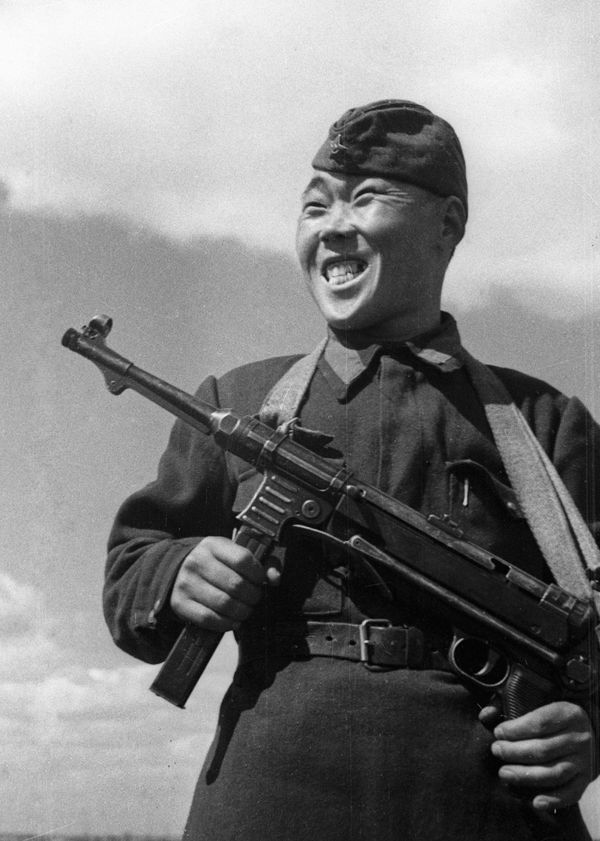
Sniper Maxim Passar, a Nanai by nationality, who killed 236 enemy soldiers and officers during the defence of Stalingrad
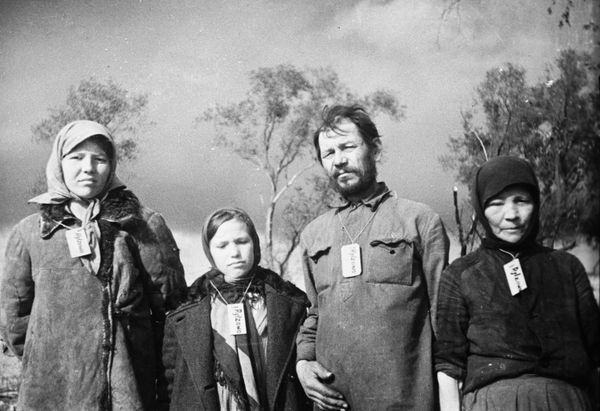
Residents of the Zubtsovo village. In occupied villages, the Nazis obliged people to wear tags around their necks with the name of the village where they lived
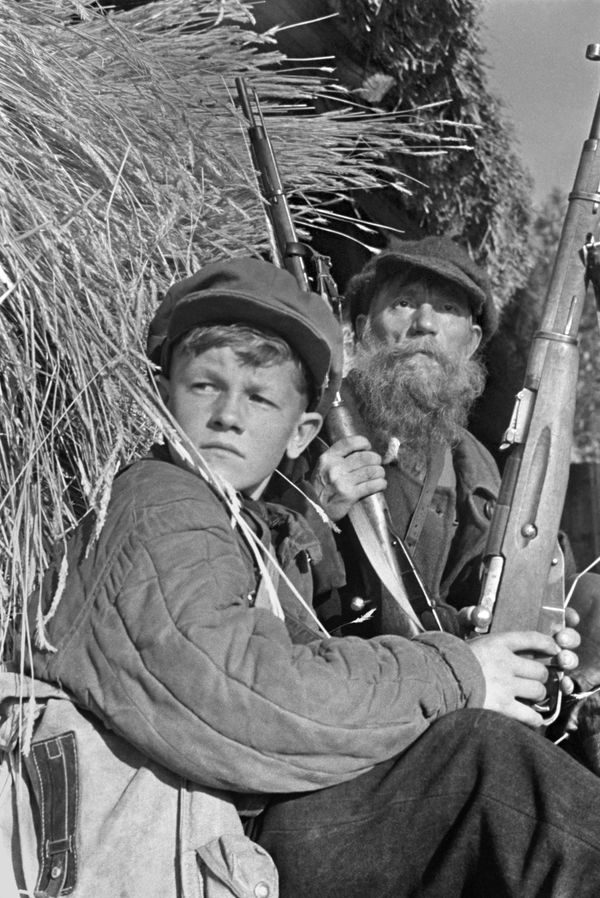
Partisans on patrol. 13-year-old Lenya Fedorov and a farmer from the Borets collective farm, Grishin, who joined the partisan detachment despite his advanced age. The Soshikhinsky district of the Leningrad region, June 1943.
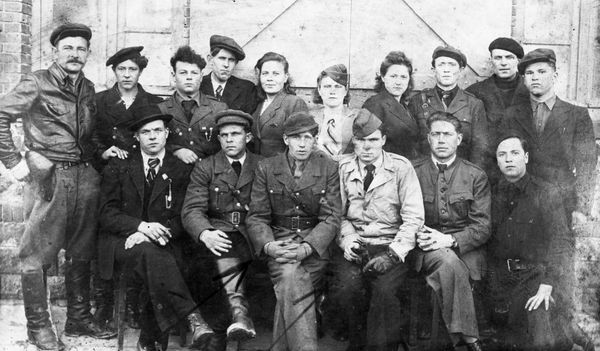
Soviet partisans in the ranks of the French Resistance Movement, 1944
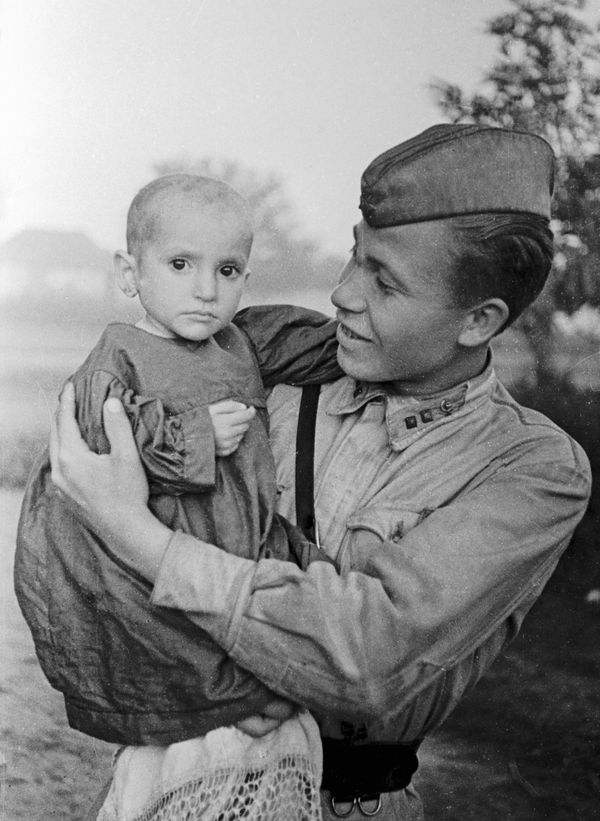
A Soviet officer (right) holds a girl saved from the village of Elkhotovo, 1942
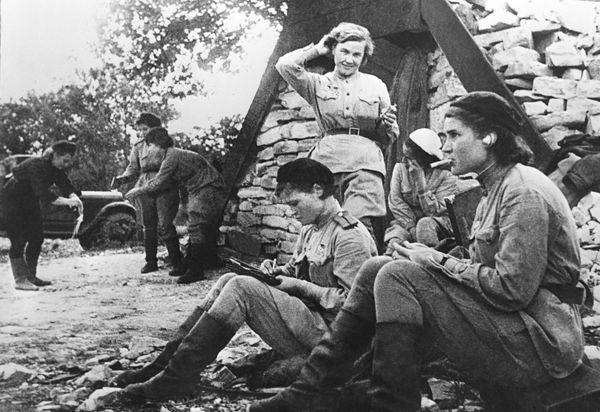
27/33
© Sputnik / Yevgeny Khaldei
Pilots of the 46th Guards Aviation Regiment (from left to right): sitting - Irina Sebrova, Vera Belik, standing - Nadezhda Popova. All were awarded the title of Hero of the Soviet Union, Vera Belik posthumously
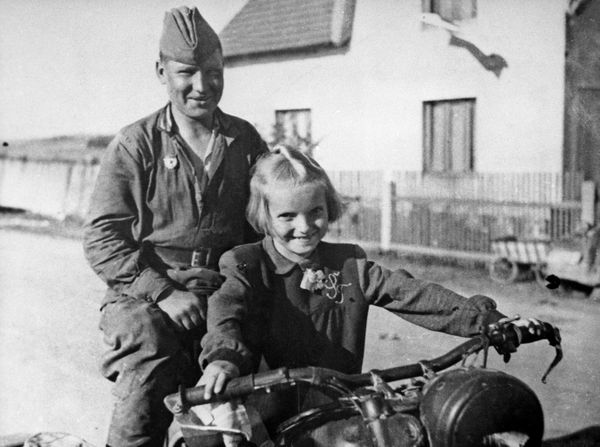
The village of Chimelice, 1945. Soviet soldier and a Czech girl. Taken from the archive of the Central Museum of the Armed Forces of the USSR, 1945
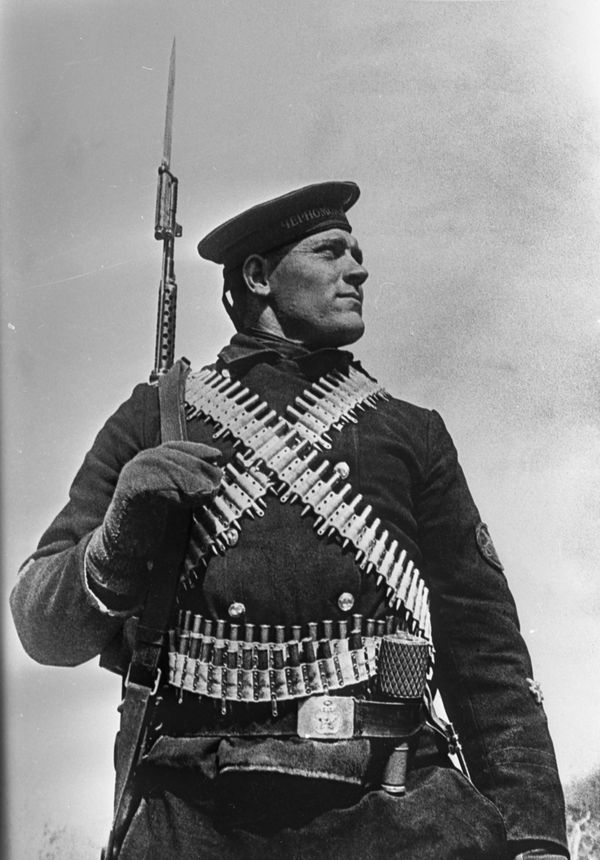
Defender of Sevastopol, Marine Fedor Vidmir. The defence of Sevastopol and the Battle of Crimea (September 1941 - July 1942)
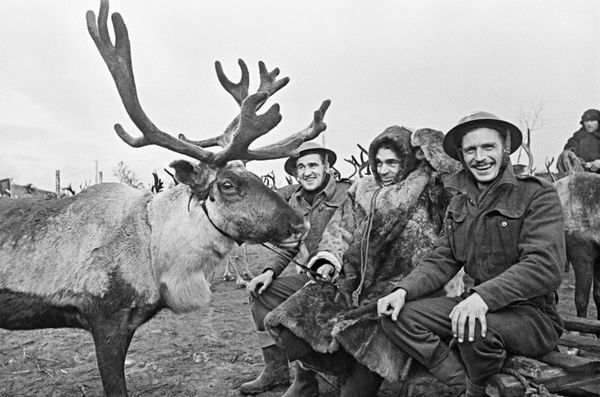
A Soviet reindeer herder with British aircraft mechanics at an airfield in the polar region
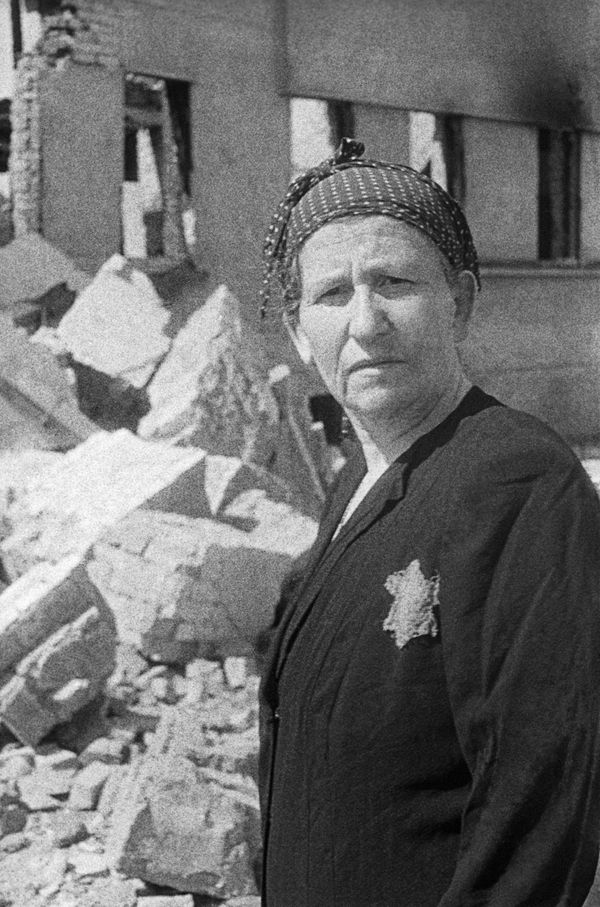
A resident of a Jewish ghetto by the ruins of her house, 1943
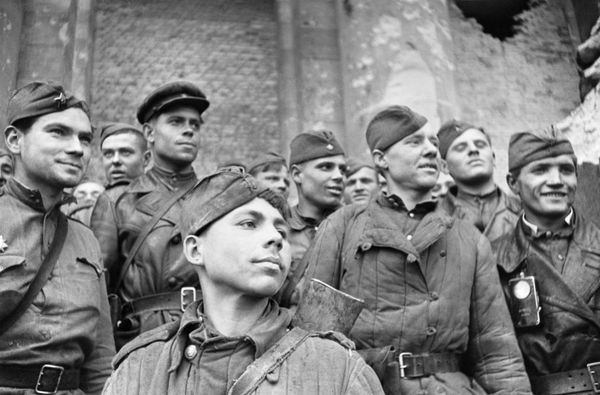
Soldiers who stormed the Reichstag - a reconnaissance platoon of the 674th Infantry Regiment of the 150th Idritskaya Infantry Division. Private Grigory Bulatov standing in the foreground
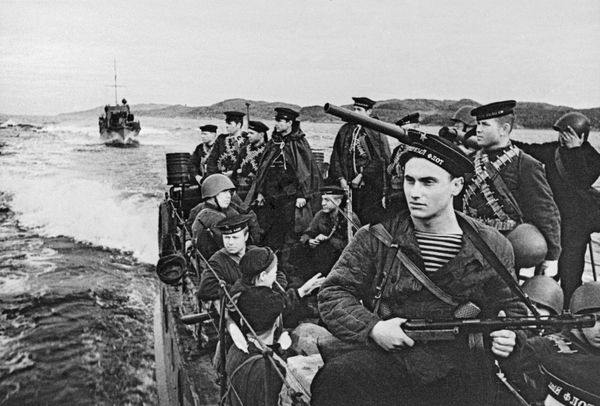
Northern Fleet paratroopers taken on boats to the war zone, 1942