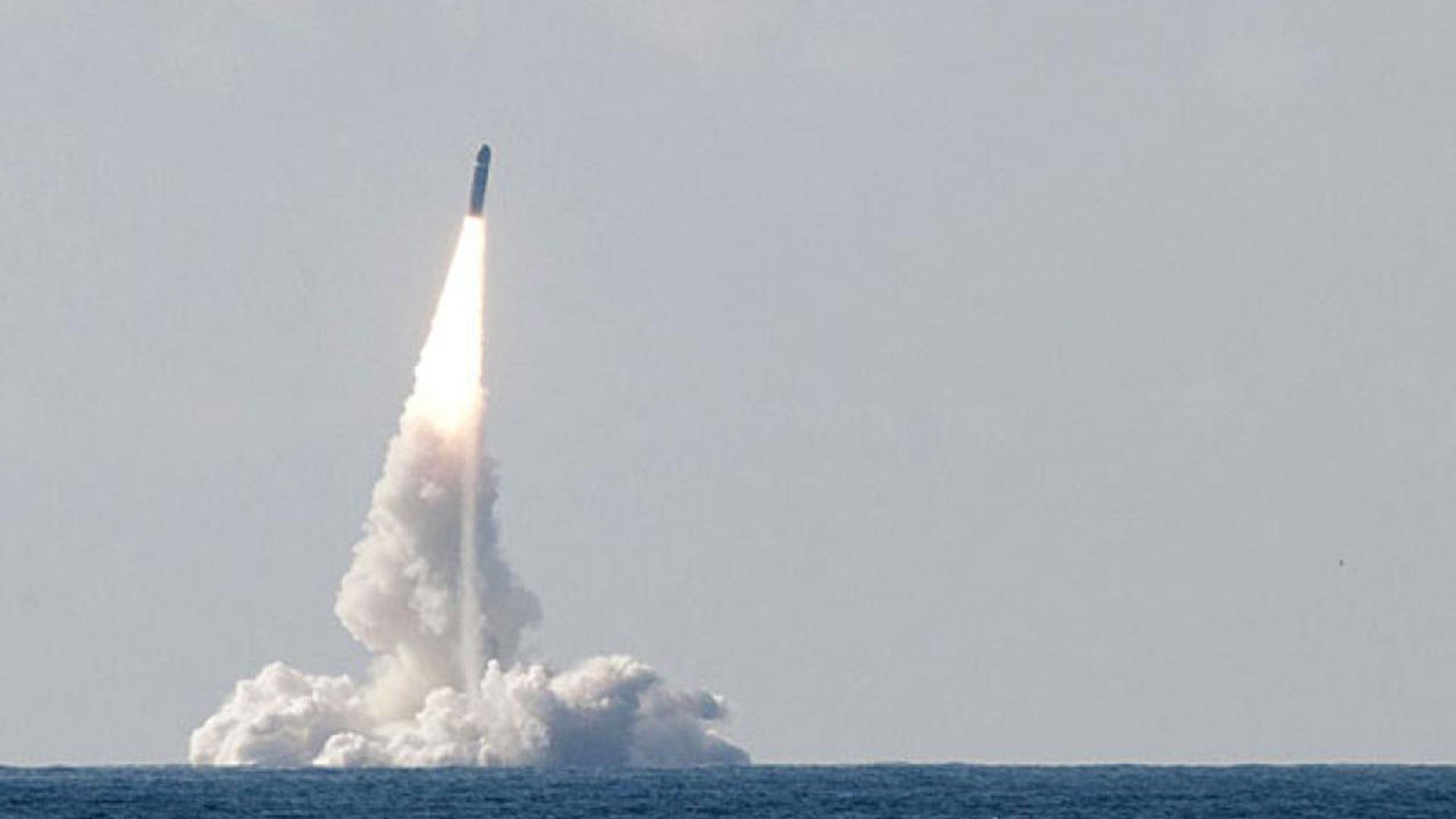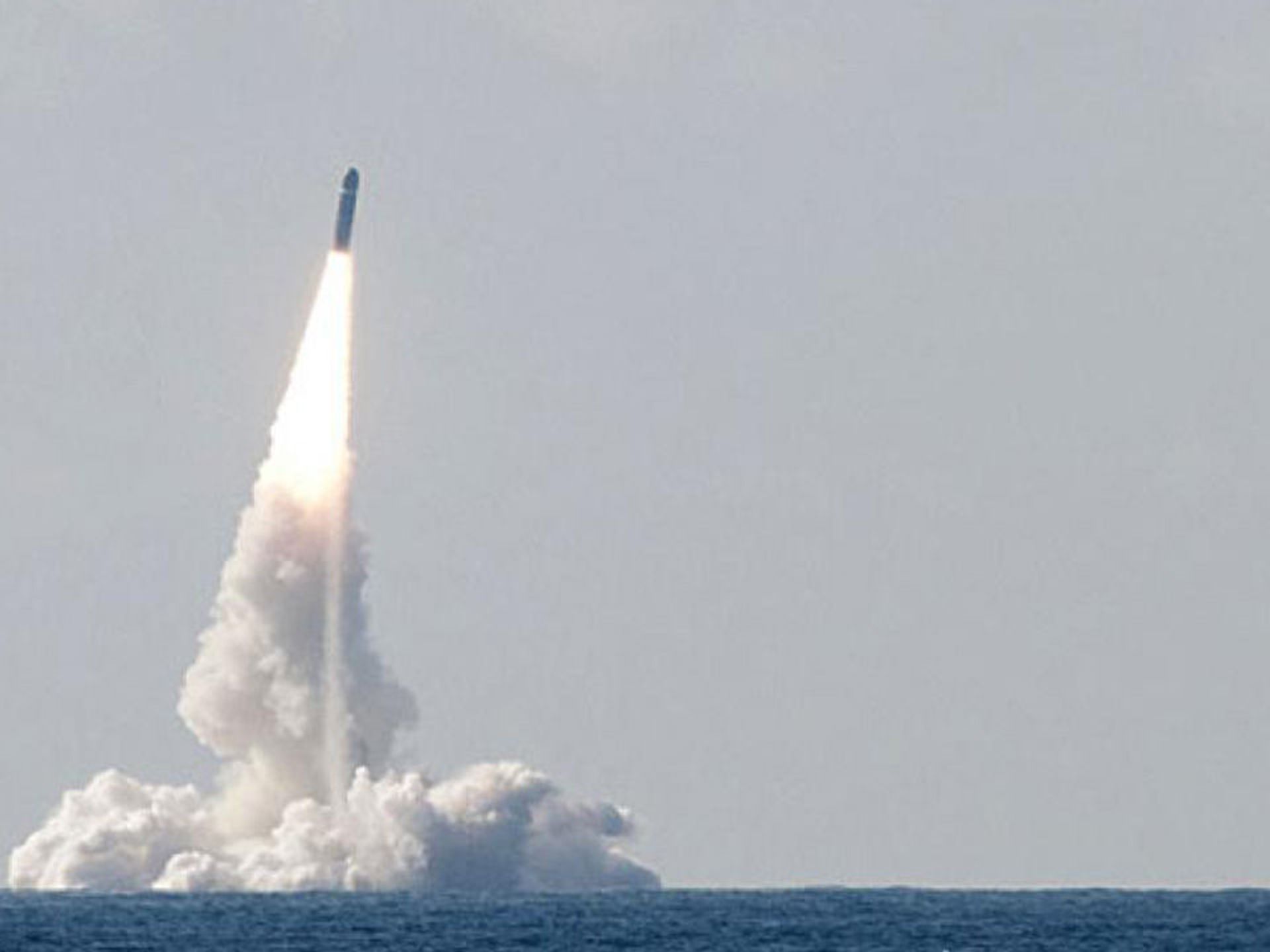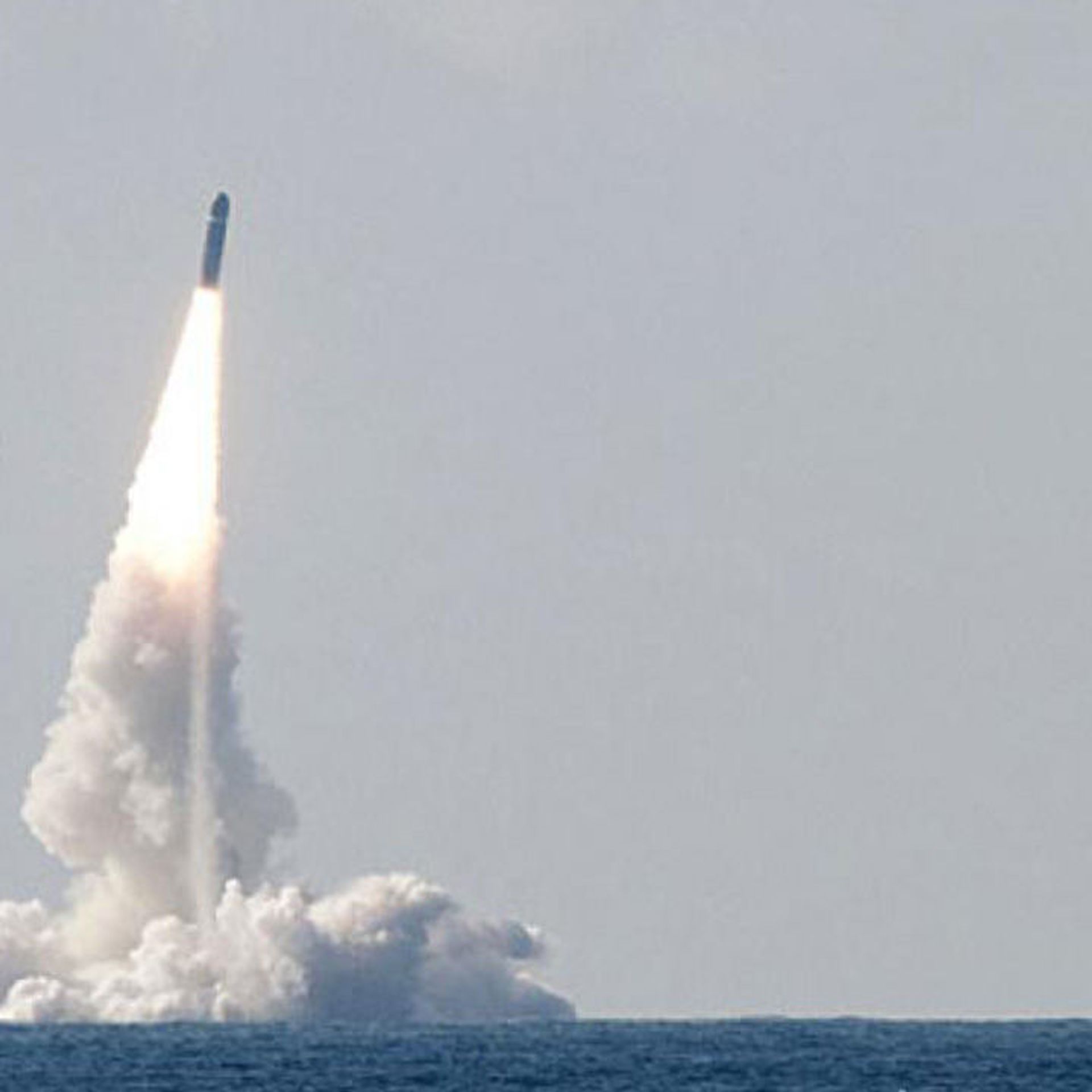
France’s recent test firing of a submarine-launched nuclear-capable ballistic missile is a violation of Paris’s commitments to the Non-Proliferation Treaty (NPT), Iranian Foreign Ministry spokesman Abbas Mouosavi has announced.
“The government of the Islamic Republic of Iran expresses its concern over the move and believes that the French government should not overlook its international obligations enshrined in Article 6 of the NPT and the NPT Review Conferences,” Mousavi said Saturday, as cited by PressTV.
Article 6 of the 1968 treaty refers to parties’ need “to pursue negotiations in good faith on effective measures relating to the cessation of the nuclear arms race at an early date and to nuclear disarmament”.
France, Mousavi suggested, must comply fully with its international obligations on nuclear disarmament, adding that such arms pose a threat to world peace and security. The testing of nuclear-capable weapons in particular undermines the NPT, he said.
Mousavi’s comments come in the wake of France’s testing of the M51 strategic ballistic missile, a submarine-launched heavy strategic weapon with a range of between 8,000 and 10,000 km, and the ability to carry between six and ten independently targetable, manoeuvrable thermonuclear warheads, on June 12.
In the past, France has criticised Iran repeatedly over its ballistic missile capabilities. In February, for example, Paris reprimanded Tehran over a satellite launch, claiming Iran’s rocketry and missile activities “hurt regional stability and affect European security,” and urging Iran “to fully respect its international obligations in this matter.”
IAEA Pressure
Last week, following the release of a report by the International Atomic Energy Agency (IAEA) which accused Iran of a number of violations of the 2015 nuclear deal, including the stockpiling of uranium and it enrichment beyond limits outlined in the treaty, as well as failing to provide the nuclear watchdog with access to two nuclear sites. Tehran urged the international body not to act based on information allegedly provided by Israel’s intelligence service.
On Friday, the European signatories of the nuclear deal, including France, Germany and the UK, advanced a resolution calling on Tehran to enable the IAEA to access the two nuclear facilities in question. The resolution passed 25-2, with seven abstentions, with Russia and China opposing the measure and Iran calling the resolution’s passage a “regrettable” attempt to manufacture a crisis in Iran-IAEA relations.
Ever since the signing of the nuclear deal in 2015, Iran has resisted US and European pressure to reduce its missile capabilities, citing its need to defend itself against aggression in the absence of another deterrent. At the same time, Tehran has repeatedly stressed that it will not pursue nuclear weapons or weapons of mass destruction of any kind. Iran dismantled its arsenal of chemical weapons in the 1990s before ratifying the Chemical Weapons Convention in 1997, and did not use them during the 1980-1988 Iran-Iraq War despite a legal right to retaliate to Saddam Hussein’s gas attacks.