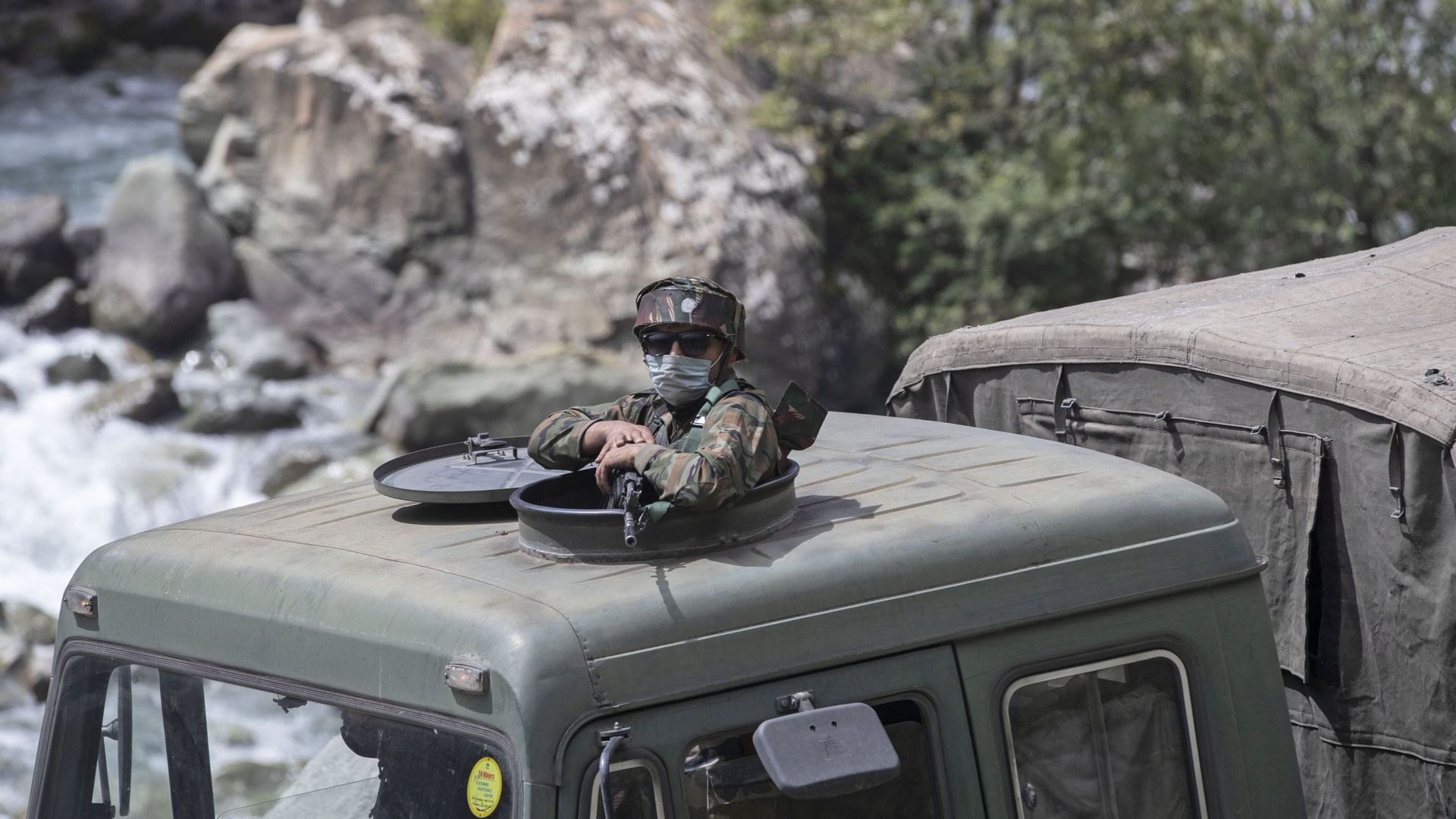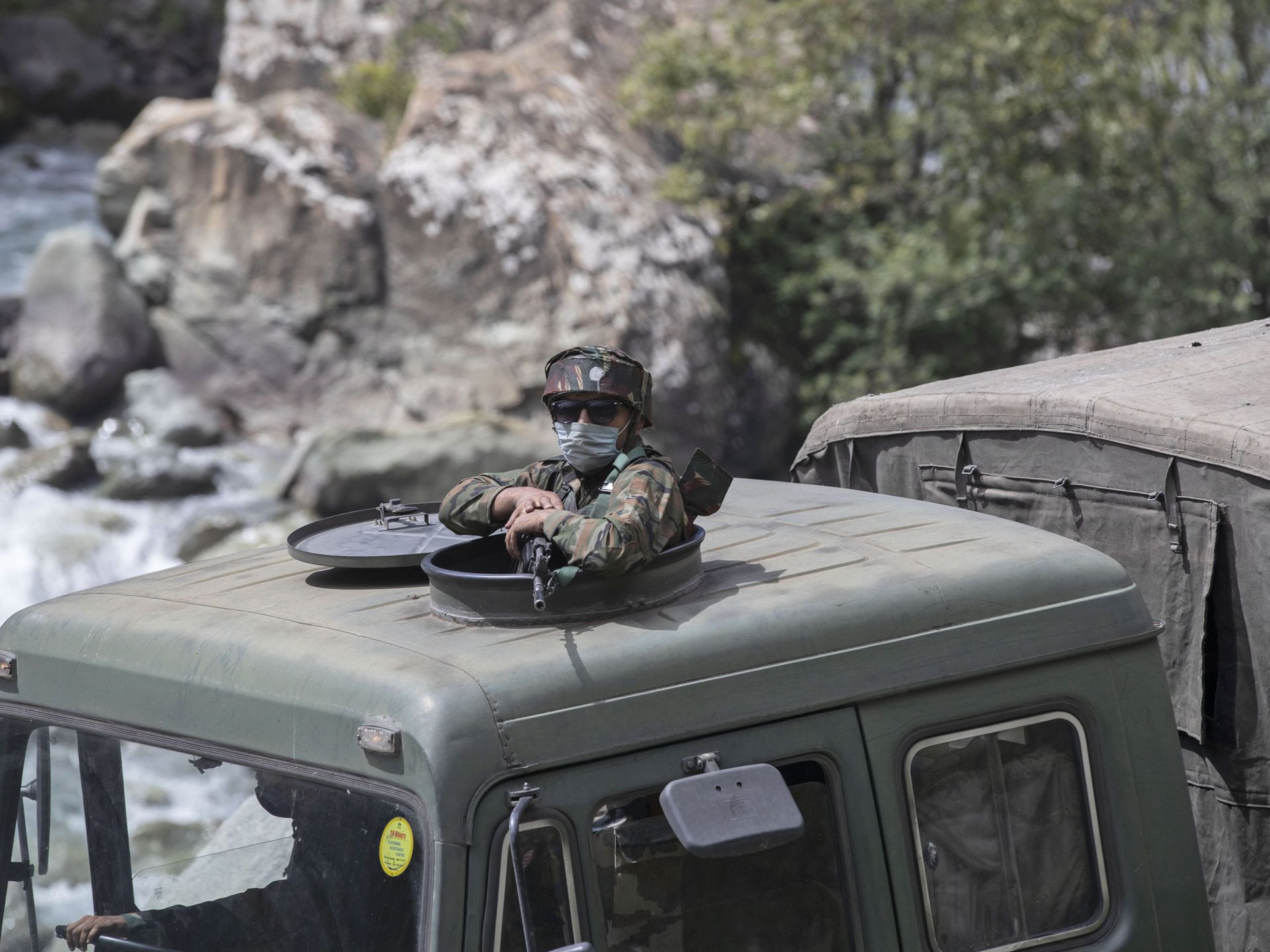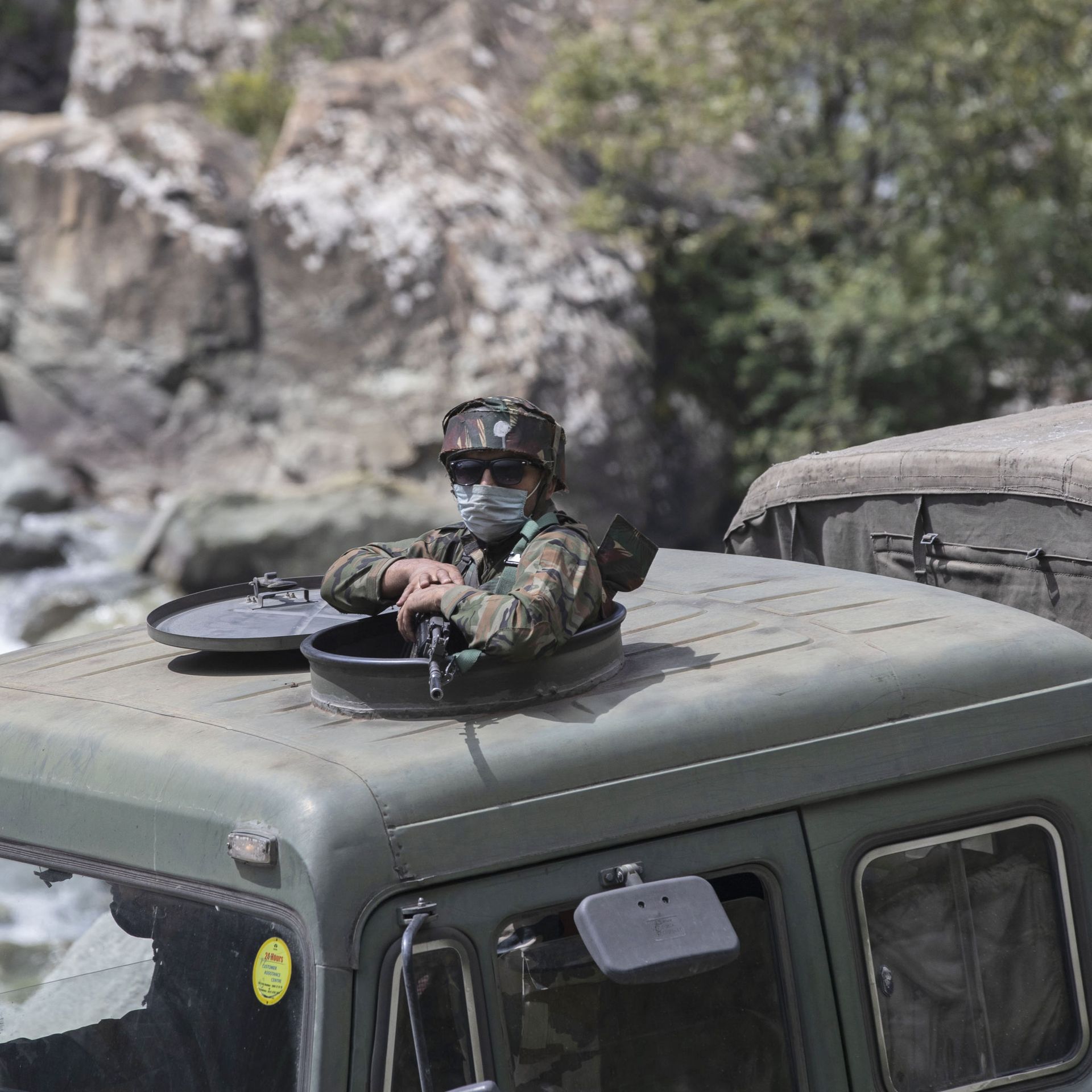
Indian Army Chief General Manoj Mukund Naravane has said the situation along the India-China border in Ladakh is delicate, but under control. General Naravane is on a visit to friction points in eastern Ladakh to get a first-hand account of the situation.
"The situation along the LAC (Line of Actual Control) is tense. Keeping in view of the situation, we have taken precautionary deployment to safeguard the security and integrity of Indian territory", said General Naravane.
#WATCH: Army Chief General Manoj Mukund Naravane says to ANI, "The situation along LAC is slightly tensed. Keeping in view of the situation, we have taken precautionary deployment for our own safety & security, so that our security & integrity remain safeguarded." pic.twitter.com/NvONwyJvbM
— ANI (@ANI) September 4, 2020
The army chief said Indian troops were prepared to take preventive action to avoid any further face-off like the incident on 15 June. He said New Delhi is trying to restore peace in the Galwan Valley through talks with Beijing at various levels.
The Indian Defence Ministry had said the Chinese army "violated the previous consensus arrived at during military and diplomatic engagements" at Depsang Plains to Chushul on the undefined Line of Actual Control (LAC). According to the ministry, the army took measures to "thwart Chinese intentions to unilaterally change the facts on the ground".
Meanwhile, Indian and Chinese army commanders are currently holding talks for a fifth consecutive day at the Chushul border point to find an amicable solution to disengage the troops.
India and China have unresolved border disputes over Arunachal Pradesh in the northeast and in Ladakh. Both neighbours have been engaged in dialogue to resolve the issue, but so far there has been no success.
The loosely-demarcated Line of Actual Control (LAC) is mainly a land border in most regions, but in the Pangong Tso area in eastern Ladakh it passes through a lake.
India controls the western portion of the 45-km lake, while the rest (about 119 km) is under Chinese control. Most of the clashes between the two countries have taken place in the Galwan Valley.