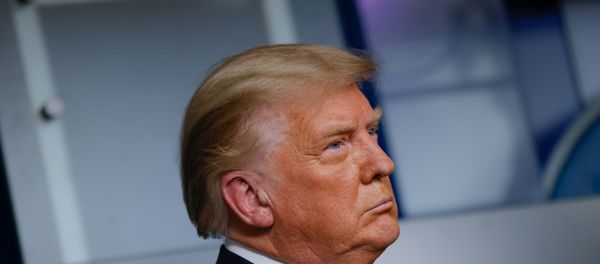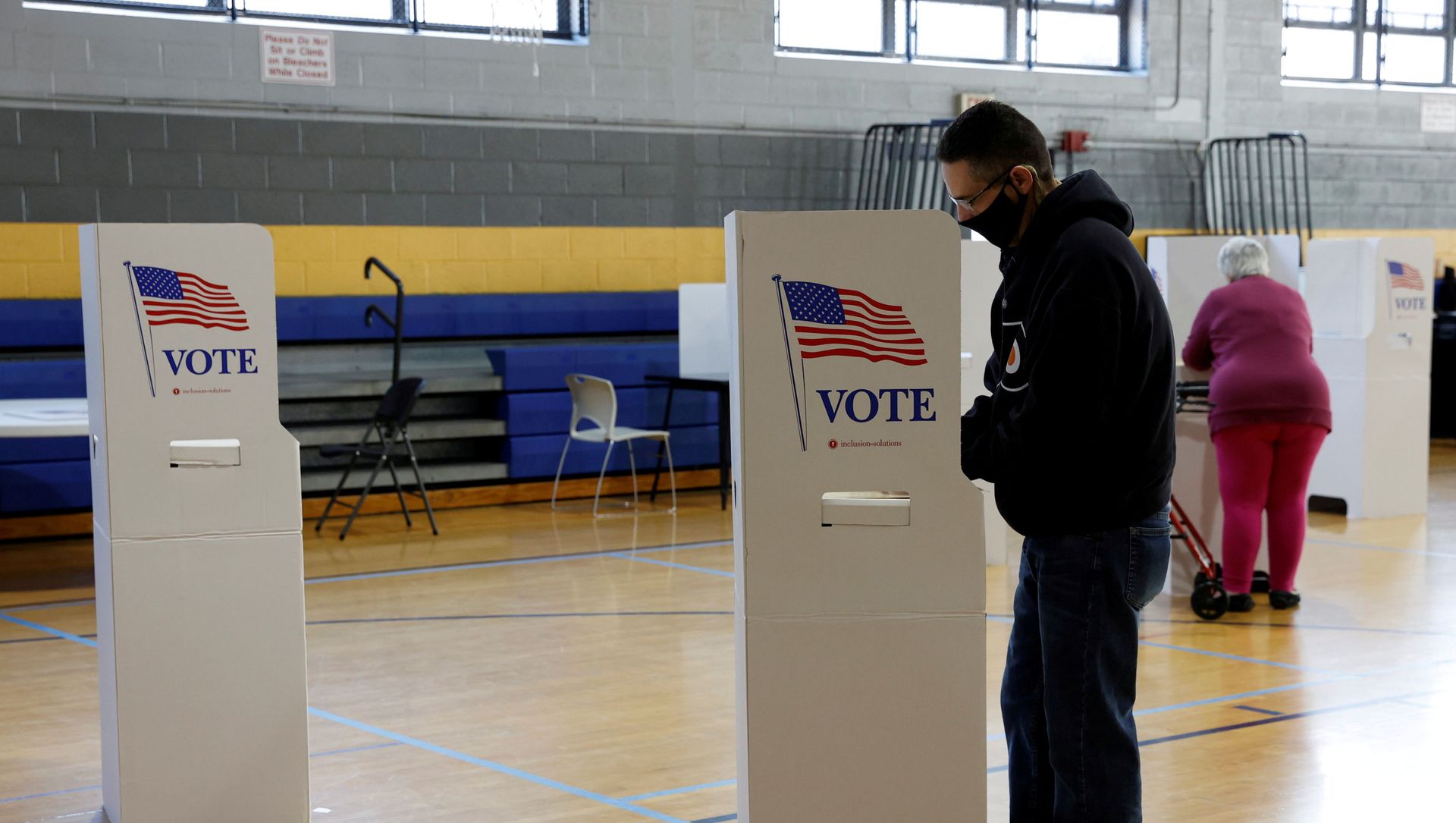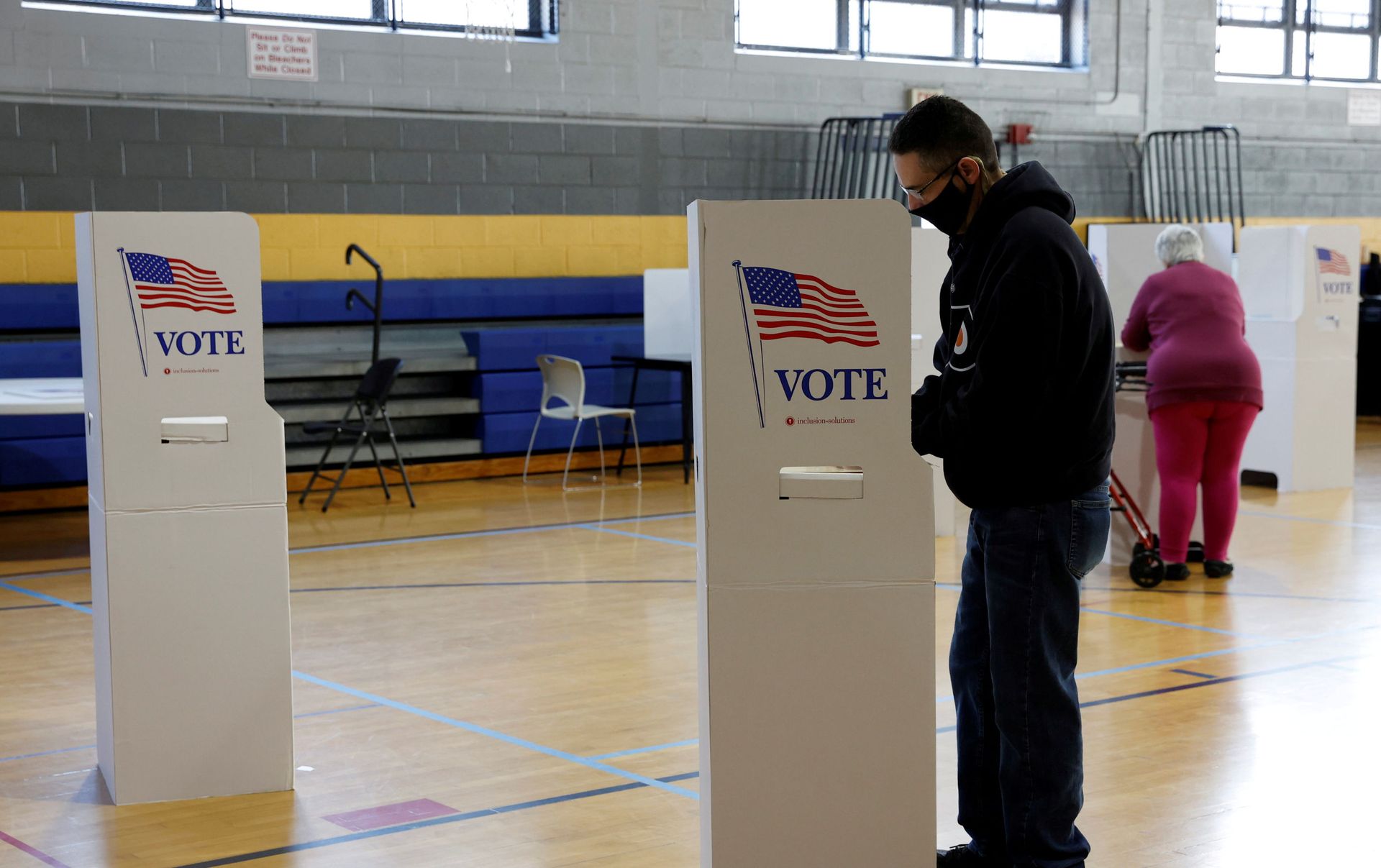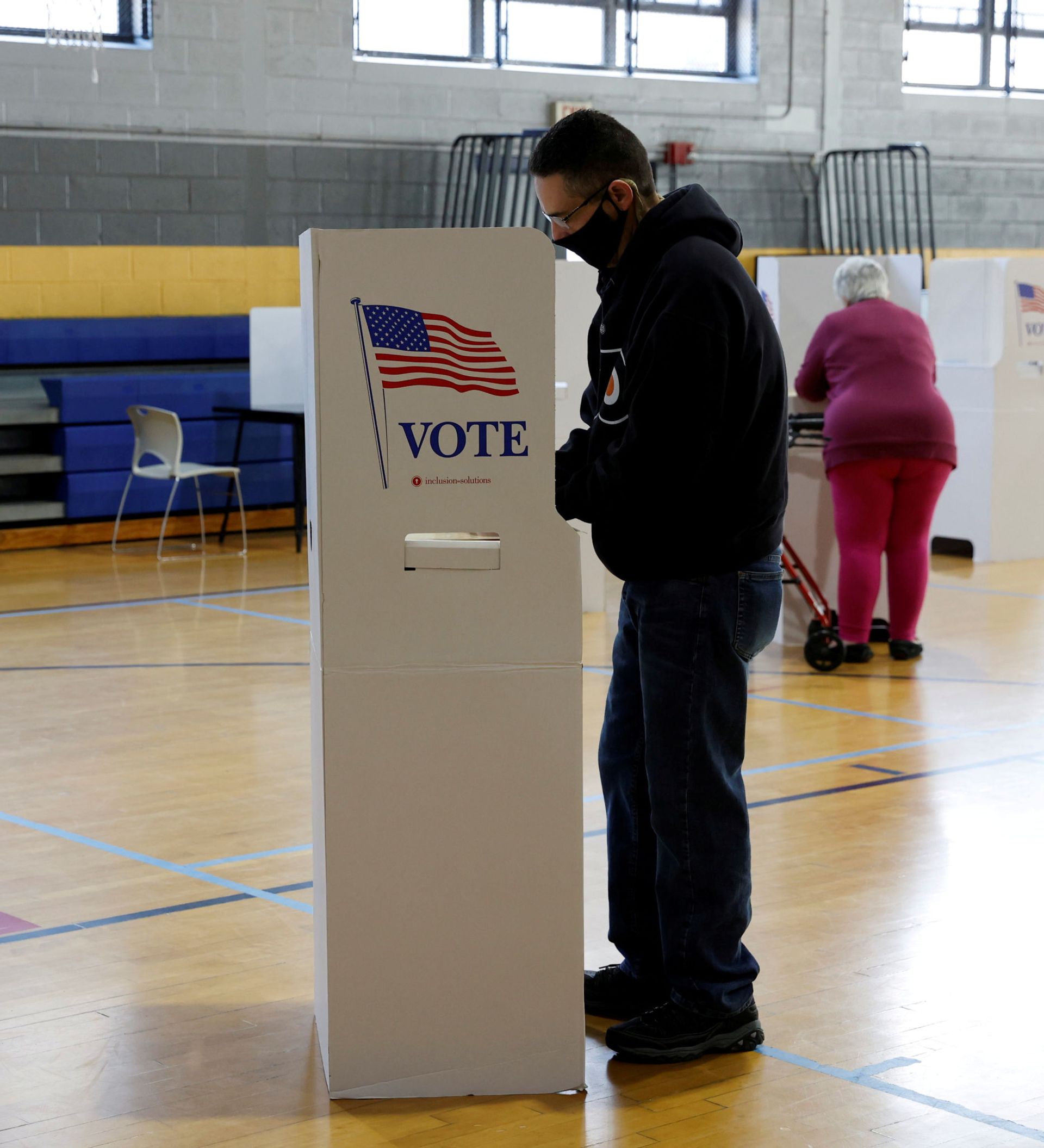
While US President Donald Trump has suffered a setback with his case in Pennsylvania, a group of Pennsylvania Republicans is currently seeking to toss out a major voting reform bill that passed last year and thus invalidate millions of mail-in ballots cast in the 2020 presidential election. Their lawsuit also aims at halting the certification of Pennsylvania's election results.
Professor Thomas Sutton, a political analyst at Balden Wallace University in Ohio, has shared his views with Sputnik on Donald Trump's legal battle in Pennsylvania, the GOP's chances of reversing the aforementioned bill, and more.
Sputnik: What was the major voting reform bill about, and why is tossing it out so important for Republicans?
Thomas Sutton: In 2019, Pennsylvania removed the requirement of an excuse for receiving an absentee ballot, which opened the use of mailed ballots to all registered voters. An unsigned opinion by the U.S. Supreme Court allowed PA to accept mailed ballots up to three days after Election Day (11/3/2020). The Trump campaign lawsuit challenge the 2019 law and USSC decision as a way to invalidate ballots cast by mail that arrived after 11/3, as well as ballots cast by mail without a written excuse for voting absentee.
Sputnik: How do you assess the GOP’s chances attempting to reverse the bill? How do you think the situation might develop?
Thomas Sutton: The law is clear, and has been upheld by the US Supreme Court. The most recent challenges claiming vote fraud were rejected by federal district judge Matthew Brann (a Republican and member of the conservative Federalist Society). The effort to appeal the ruling to the U.S. Circuit Court of Appeals will likely be rejected as having no basis for an appeal. Such a rejection prevents further appeal to the U.S. Supreme Court. The PA vote will be certified today in favor of Biden receiving PA’s 20 electoral votes.
Sputnik: If the bill is tossed, do you expect this to add to Republicans' efforts to challenge the results of the election?
Thomas Sutton: It is highly unlikely the 2019 law will be overturned, or that votes will be invalidated based on either being mailed or received by the deadline of 11/6/20. The Trump campaign and allies will continue to challenge the results in PA, even without legal grounds for a challenge. This simply means they will continue to be defeated in the courts.
There was no evidence of vote tampering or fraud presented in the plaintiff’s arguments. Without evidence, arguments have little merit. Judge Brann made clear that this was an attempt to invalidate votes that were legally cast and counted.
Sputnik: Can states change the laws regulating election rules in hindsight?
Thomas Sutton: Any changes to election laws and rules must occur prior to an election taking place. If a situation arises that is not explicitly addressed by law or administrative rules, it could potentially be determined through the decision of a court.
Sputnik: The Trump campaign's lawyers said they are 'thankful' to the judge who dismissed their election case in Pennsylvania so they can take the matter to the Supreme Court more quickly. What steps do you expect in Pennsylvania and what's the Trump campaign’s strategy? What countersteps could be taken by Democrat governor Tom Wolf?
Thomas Sutton: If the case is rejected by the Circuit court as having no grounds for appeal, it is highly unlikely that the Supreme Court will hear the case. Rejection of a case does not mean a ruling for or against the appellant. It means the court sees no grounds for the appeal. If the Circuit Court does hear the appeal, it will likely support Judge Brann’s ruling. The Trump campaign can then appeal to the Supreme Court, which also has the right to reject hearing the case.