https://sputnikglobe.com/20210730/after-blame-game-india-china-announce-military-talks-to-end-disengagement-impasse-1083492800.html
After Blame Game, India, China Announce Military Talks to End Disengagement Impasse
After Blame Game, India, China Announce Military Talks to End Disengagement Impasse
Sputnik International
The process of separating the two military forces in the contested Ladakh region has remained in a suspended state since February. Leaders of the two countries... 30.07.2021, Sputnik International
2021-07-30T12:32+0000
2021-07-30T12:32+0000
2022-07-19T10:37+0000
newsfeed
world
asia
military & intelligence
china
pla
indian army
ladakh standoff
military
border tensions
https://cdn1.img.sputnikglobe.com/img/07e4/09/08/1080396301_0:0:3331:1873_1920x0_80_0_0_596b2a3cda8ef1e828c412db39eaa3fd.jpg
Senior Commanders of the Indian army and People’s Liberation Army of China will meet for the 12th time on Saturday morning to break the stalemate over the war-like deployment by both sides along the loosely demarcated Line of Actual Control.Sources added that the two countries are also in the process to finalise the next round of Major General level talks. Besides speaking around 1,450 times over two hotlines, the two countries have held a series of meetings at foreign minister, Major General, and brigade level.The previous round of military talks took place on 9 April when the Indian Army told the Chinese side that disengagement at all friction points is crucial if the conflict is to de-escalate.The border stand-off began last year over infrastructure development works in the Pangong Tso region which grew up into violent clashes on 15-16 June in which 20 Indian and four Chinese soldiers were killed. For the first time in decades, shots were fired along the 2,100-mile Line of Actual Control. Tanks, fighter jets, and additional troops were deployed in the areas behind the Line of Control.After months of negotiations, the two countries reached an agreement in February this year to withdraw troops from one of the hotspots - namely the Pangong Tso region. Subsequently, India withdrew troops from some strategic peaks which the Indian army captured last August at the height of tensions. Even as the disengagement and buffer zone created space for further talks, the process to separate forces from other 'friction areas' such as Depsang Plains, Gogra, and Hotspring stalled over a range of issues and media reports suggesting that the two armies had sent reinforcements to the eastern Ladakh in May this year.
https://sputnikglobe.com/20210125/china-india-agree-to-speed-up-withdrawal-of-troops-on-border-in-wake-of-recent-clashes-1081875878.html
china
ladakh standoff
Sputnik International
feedback@sputniknews.com
+74956456601
MIA „Rossiya Segodnya“
2021
Rishikesh Kumar
https://cdn1.img.sputnikglobe.com/img/07e4/08/04/1080055820_0:0:388:389_100x100_80_0_0_40018ee210946d65d49ffba4f4c008e1.jpg
Rishikesh Kumar
https://cdn1.img.sputnikglobe.com/img/07e4/08/04/1080055820_0:0:388:389_100x100_80_0_0_40018ee210946d65d49ffba4f4c008e1.jpg
News
en_EN
Sputnik International
feedback@sputniknews.com
+74956456601
MIA „Rossiya Segodnya“
Sputnik International
feedback@sputniknews.com
+74956456601
MIA „Rossiya Segodnya“
Rishikesh Kumar
https://cdn1.img.sputnikglobe.com/img/07e4/08/04/1080055820_0:0:388:389_100x100_80_0_0_40018ee210946d65d49ffba4f4c008e1.jpg
newsfeed, military & intelligence, china, pla, indian army, ladakh standoff, border tensions
newsfeed, military & intelligence, china, pla, indian army, ladakh standoff, border tensions
After Blame Game, India, China Announce Military Talks to End Disengagement Impasse
12:32 GMT 30.07.2021 (Updated: 10:37 GMT 19.07.2022) The process of separating the two military forces in the contested Ladakh region has remained in a suspended state since February. Leaders of the two countries have been accusing each other of violating the border agreements which increases the odds that military tensions will escalate.
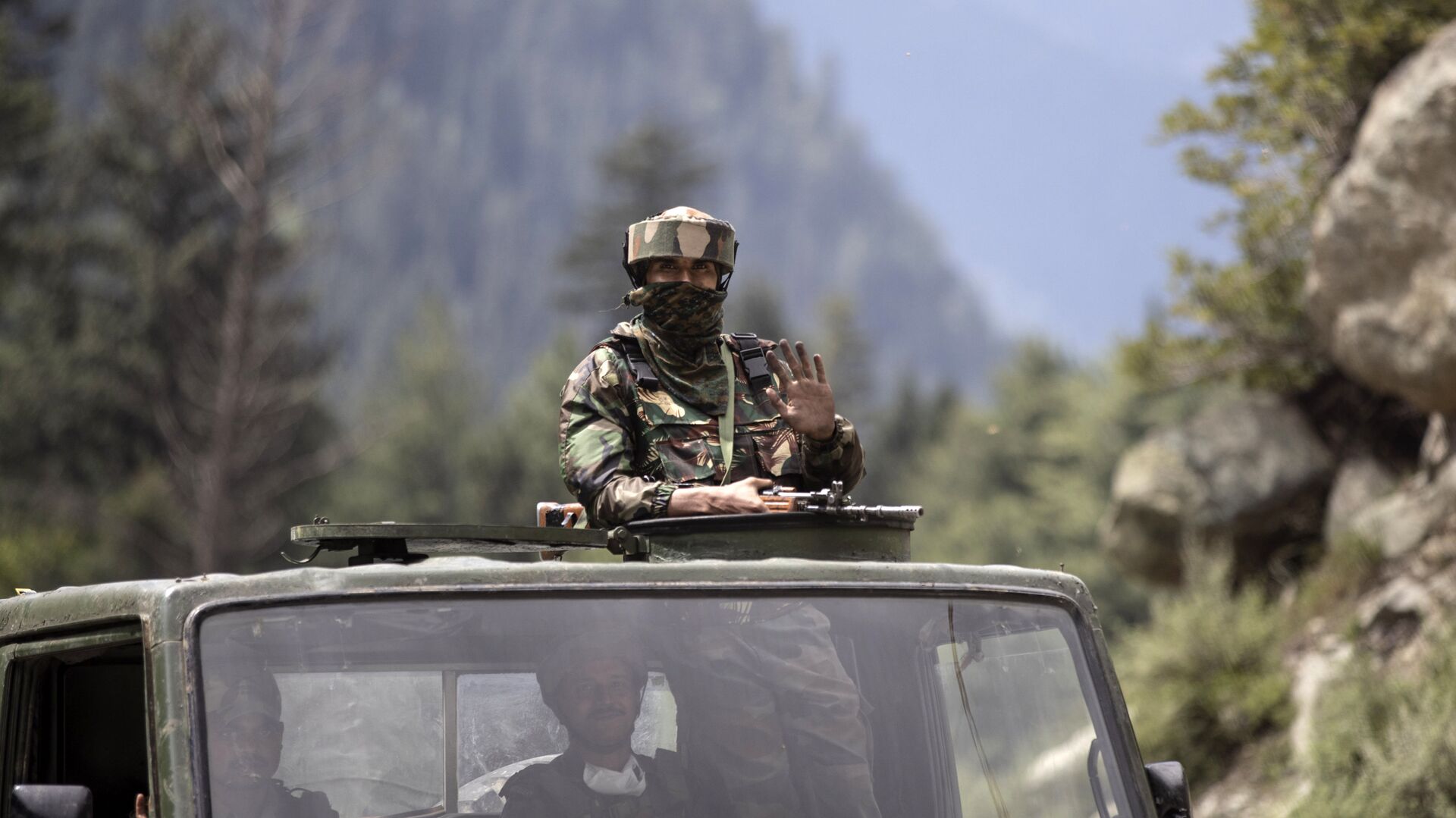
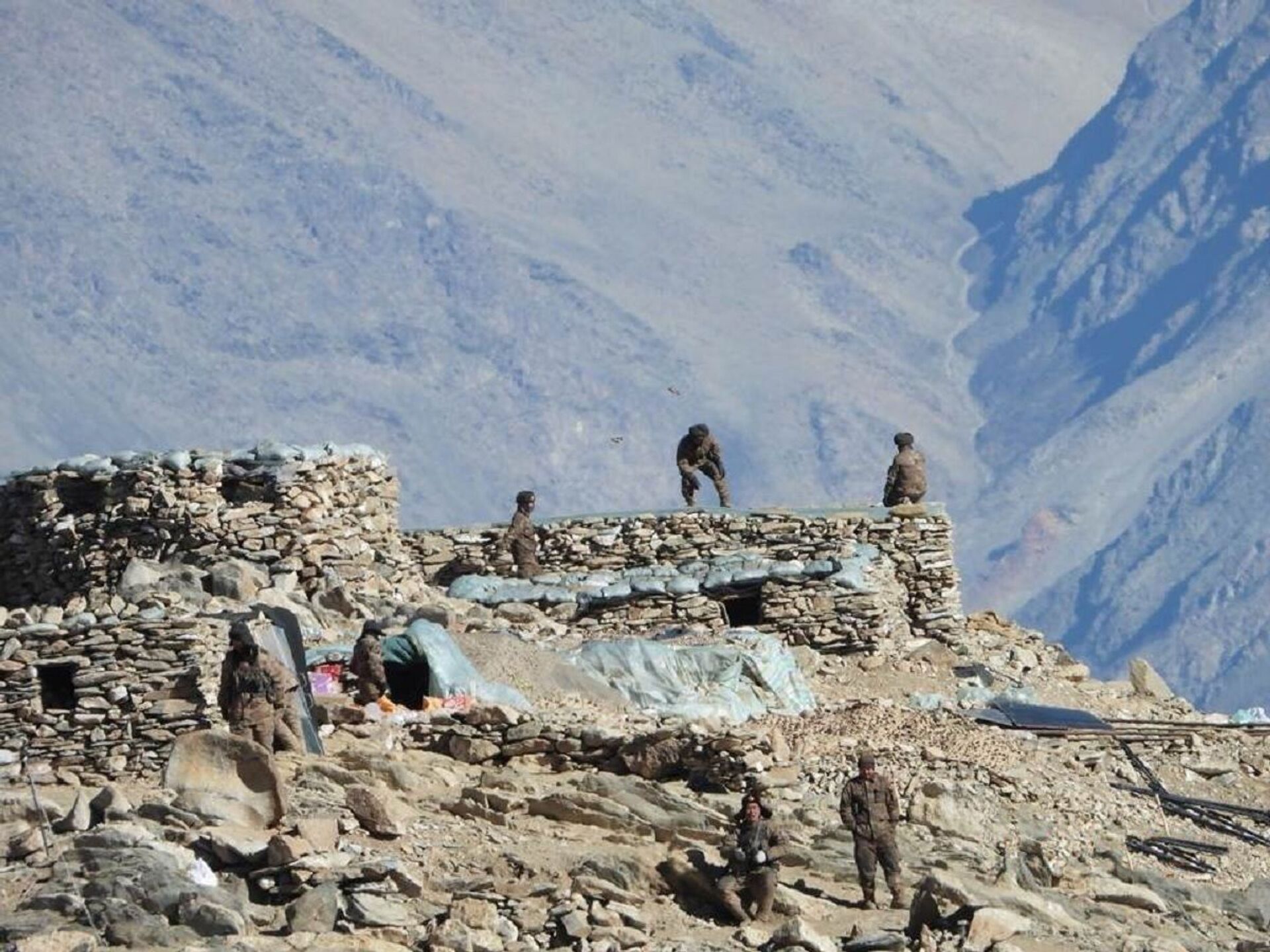
Senior Commanders of the Indian army and People’s Liberation Army of China will meet for the 12th time on Saturday morning to break the stalemate over the war-like deployment by both sides along the loosely demarcated Line of Actual Control.
Sources familiar with the development in New Delhi said that the meeting will be held in Moldo (Chinese side) and some “positive outcome” could emerge after the talks. “An agreement on disengagement in Gogra and Hot Spring is likely to be reached,” officials said.
25 January 2021, 14:53 GMT
Sources added that the two countries are also in the process to finalise the next round of Major General level talks. Besides speaking around 1,450 times over two hotlines, the two countries have held a series of meetings at foreign minister, Major General, and brigade level.
The previous round of military talks took place on 9 April when the Indian Army told the Chinese side that disengagement at all friction points is crucial if the conflict is to de-escalate.
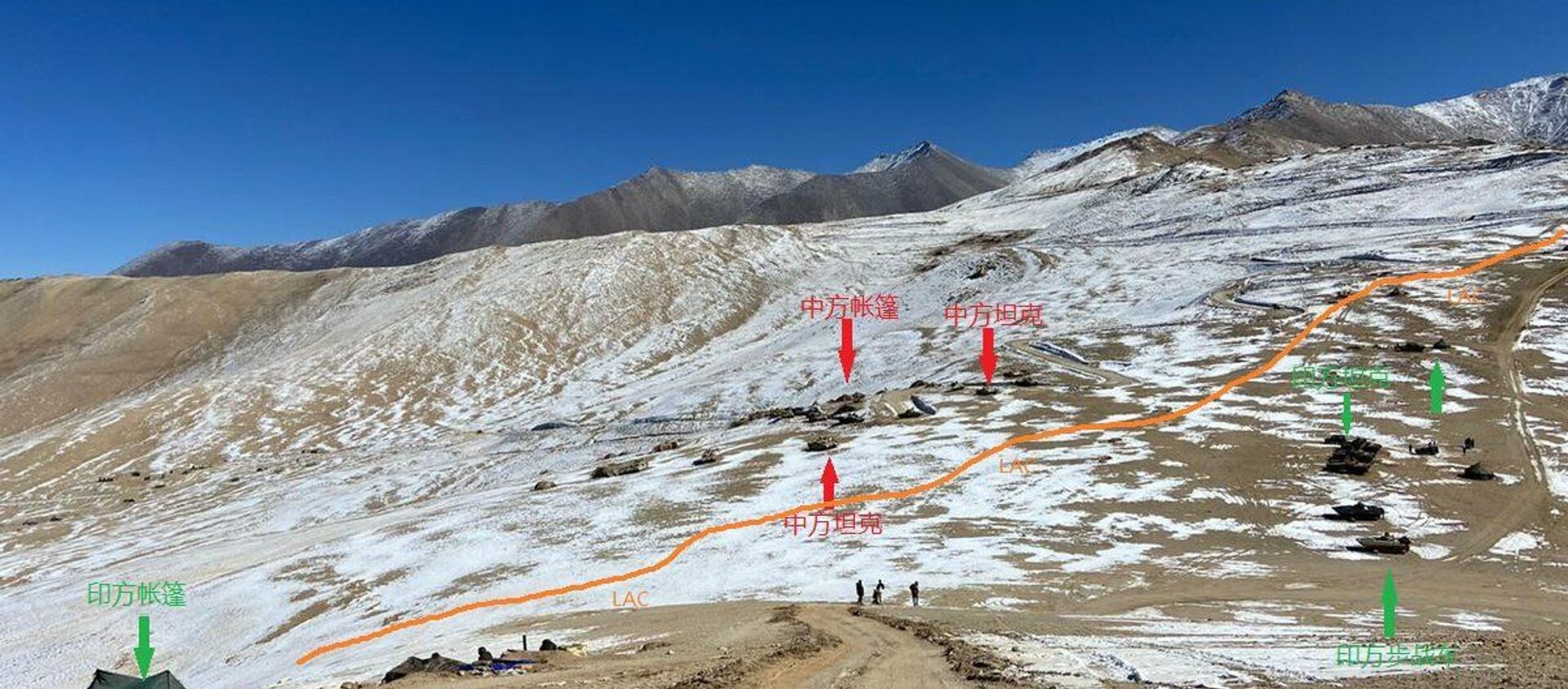
The border stand-off began last year over infrastructure development works in the Pangong Tso region which grew up into violent clashes on 15-16 June in which 20 Indian and four Chinese soldiers were killed. For the first time in decades, shots were fired along the 2,100-mile Line of Actual Control. Tanks, fighter jets, and additional troops were deployed in the areas behind the Line of Control.
After months of negotiations, the two countries reached an agreement in February this year to withdraw troops from one of the hotspots - namely the Pangong Tso region. Subsequently, India withdrew troops from
some strategic peaks which the Indian army captured last August at the height of tensions. Even as the disengagement and buffer zone created space for further talks, the process to separate forces from other 'friction areas' such as Depsang Plains, Gogra, and Hotspring stalled over a range of issues and media reports suggesting that the two armies had sent reinforcements to the eastern Ladakh in May this year.