https://sputnikglobe.com/20210810/russia-patents-drone-designed-to-operate-in-post-apocalyptic-nuclear-wasteland-1083571542.html
Russia Patents Drone Designed to Operate in Post-Apocalyptic Nuclear Wasteland
Russia Patents Drone Designed to Operate in Post-Apocalyptic Nuclear Wasteland
Sputnik International
Russia already has several types of unmanned aerial vehicles in its arsenal, and engineers and industry are working to bring several addition designs... 10.08.2021, Sputnik International
2021-08-10T11:49+0000
2021-08-10T11:49+0000
2021-08-10T12:43+0000
military & intelligence
newsfeed
https://cdn.imgsputnikglobe.com/img/07e5/08/0a/1083571243_14:0:1920:1078_1920x0_80_0_0_2b018faf4c85a1a4300182135d0f357a.jpg
Russia’s Military Academy of Strategic Rocket Force has patented a new type of drone design that’s capable of carrying out reconnaissance operations in areas contaminated by nuclear fallout or hazardous chemicals.The vertical takeoff and landing (VTOL) UAV design is said to be able to land on both hard surfaces and water, and features protection for its traction system screws to facilitate use in harsh conditions.According to the patent submitted to the Federal Institute of Industrial Property, the aerodynamically profiled drone’s navigation system and data collection and analysis complex is protected in a hermetically-sealed lightweight hardware module. This feature, combined with special protective netting installed both above and below the drone’s rotors, is designed to help it operate in forests, built-up areas and even indoor locations, without fear that collisions may render it inoperative.Russian engineers aren’t the only ones working on ultra-durable drone technology designed for use in heavily polluted or contaminated environments. Earlier this year, Alliance Solutions Group, a Virginia-based emergency management company, unveiled the Argus Elite – a VTOL UAV armed with hazardous materials sensors designed to work in polluted environments and to detect explosive compounds.Despite its relatively late entry into the field of modern unmanned aerial vehicles, Russia been working on the design and production of a series of drone designs for the military, as well as the equipment to stop them, in recent years.Earlier this year, defence giant Almaz-Antey showed off a small drone-hunting UAV capable of shooting down or ramming enemy drones. Companies and the military are working on a number of other designs, including a long-range flying wing combat UAV known as the Okhotnik (‘Hunter’) and the Sokol Altius long-endurance recon, strike and electronic attack drone for use by the Air Force and Navy. Several other projects, including a drone wingman for Russia’s Sukhoi Su-57 and the new Sukhoi-75 ‘Checkmate’, are also in development.The Russian Defence Ministry plans to start taking delivery of new long-range strike drones fitted with guided missiles and specialised ammunition later this year. The military reported in April that it had successfully tested Inohodets (‘Pacer’) attack drones in Syria against terrorists. Late last month, a military source told Sputnik that work was also underway to integrate anti-tank missiles into the new Orion combat drone.
https://sputnikglobe.com/20210422/russian-military-reportedly-creates-dead-zones-for-enemy-drones-and-cruise-missiles-1082699675.html
Sputnik International
feedback@sputniknews.com
+74956456601
MIA „Rossiya Segodnya“
2021
News
en_EN
Sputnik International
feedback@sputniknews.com
+74956456601
MIA „Rossiya Segodnya“
Sputnik International
feedback@sputniknews.com
+74956456601
MIA „Rossiya Segodnya“
military & intelligence, newsfeed
military & intelligence, newsfeed
Russia Patents Drone Designed to Operate in Post-Apocalyptic Nuclear Wasteland
11:49 GMT 10.08.2021 (Updated: 12:43 GMT 10.08.2021) Russia already has several types of unmanned aerial vehicles in its arsenal, and engineers and industry are working to bring several addition designs, including a heavy drone bomber, new medium and long-range reconnaissance UAVs, and drone wingmen for fighter jets, online.
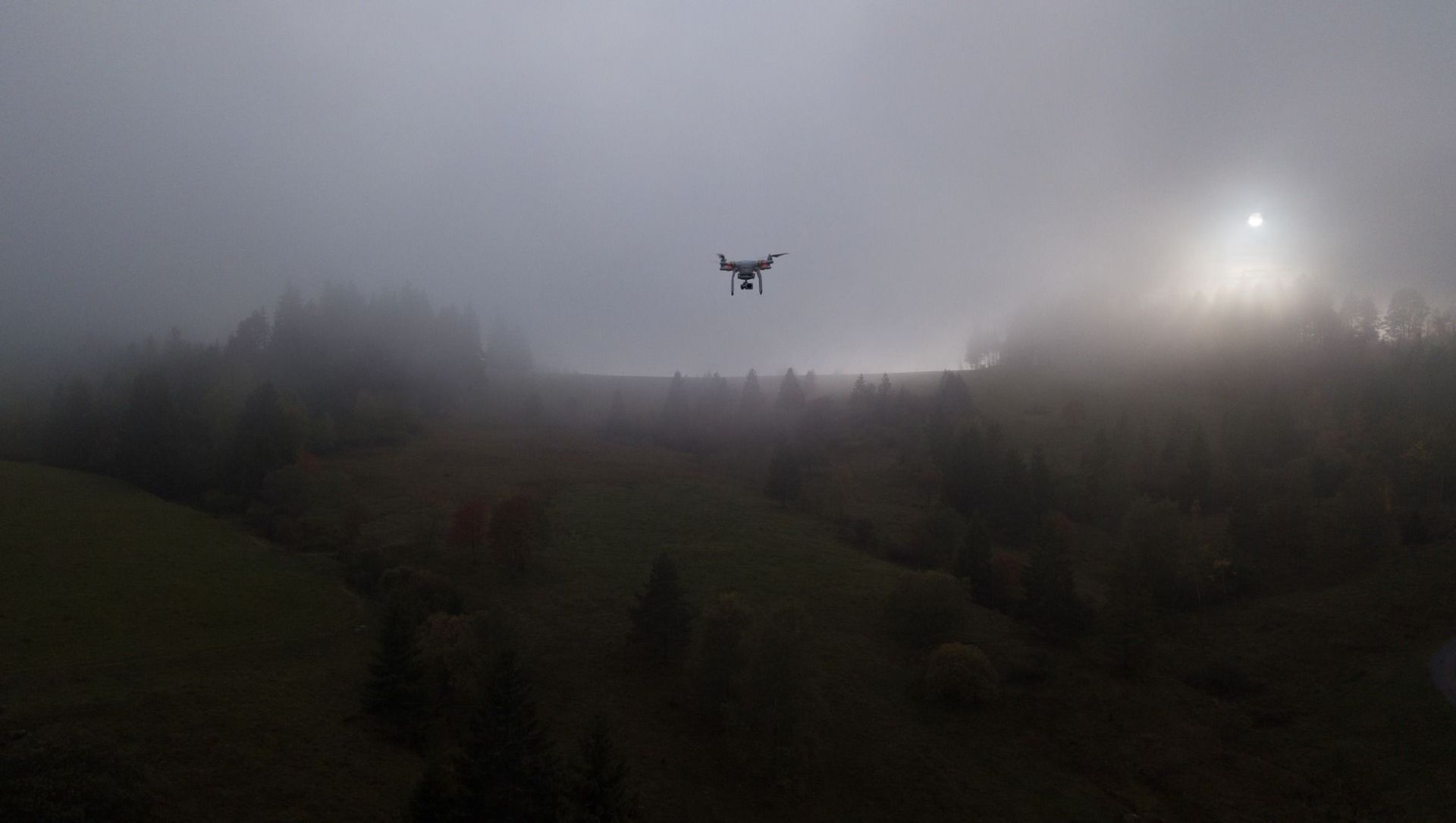
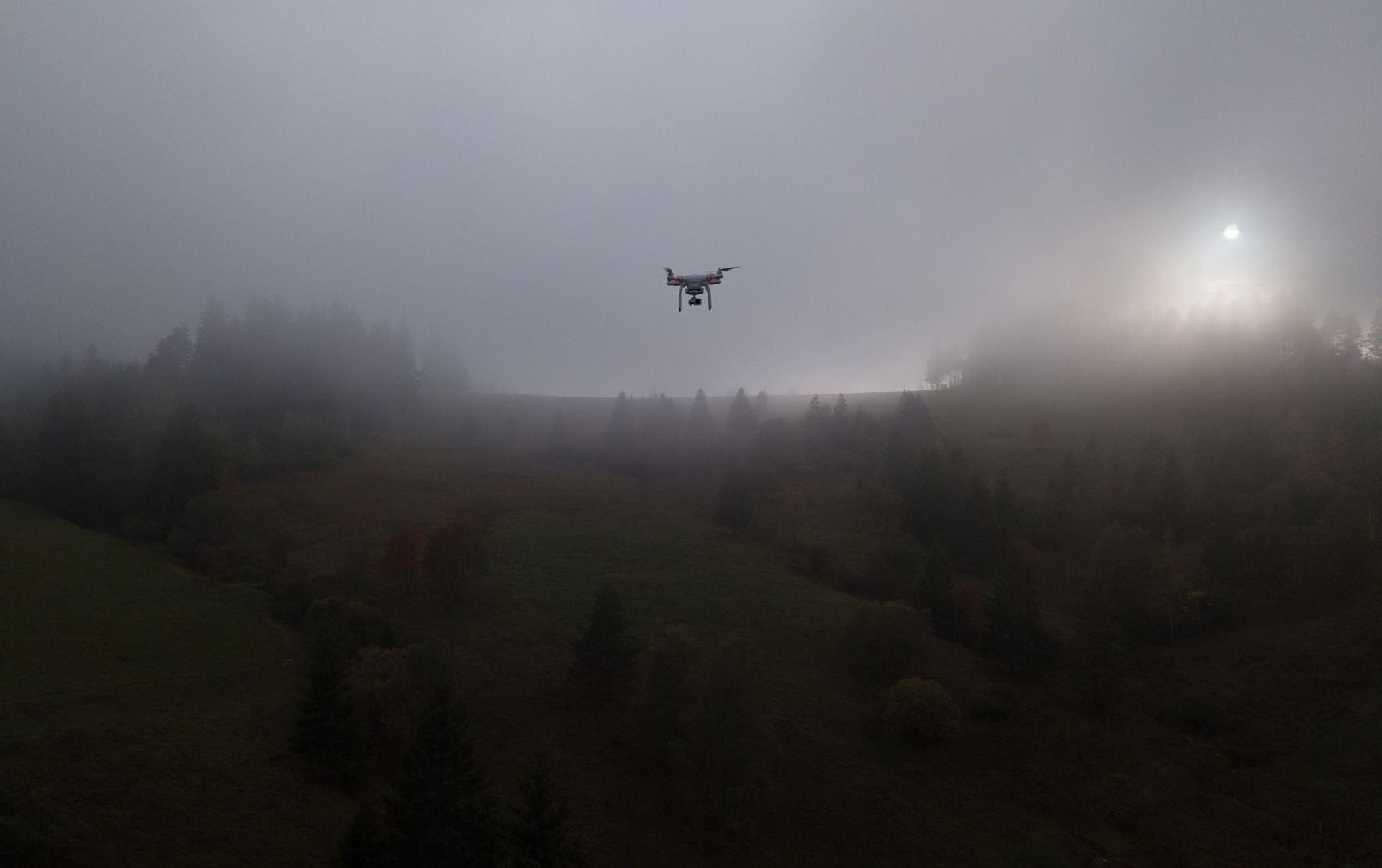
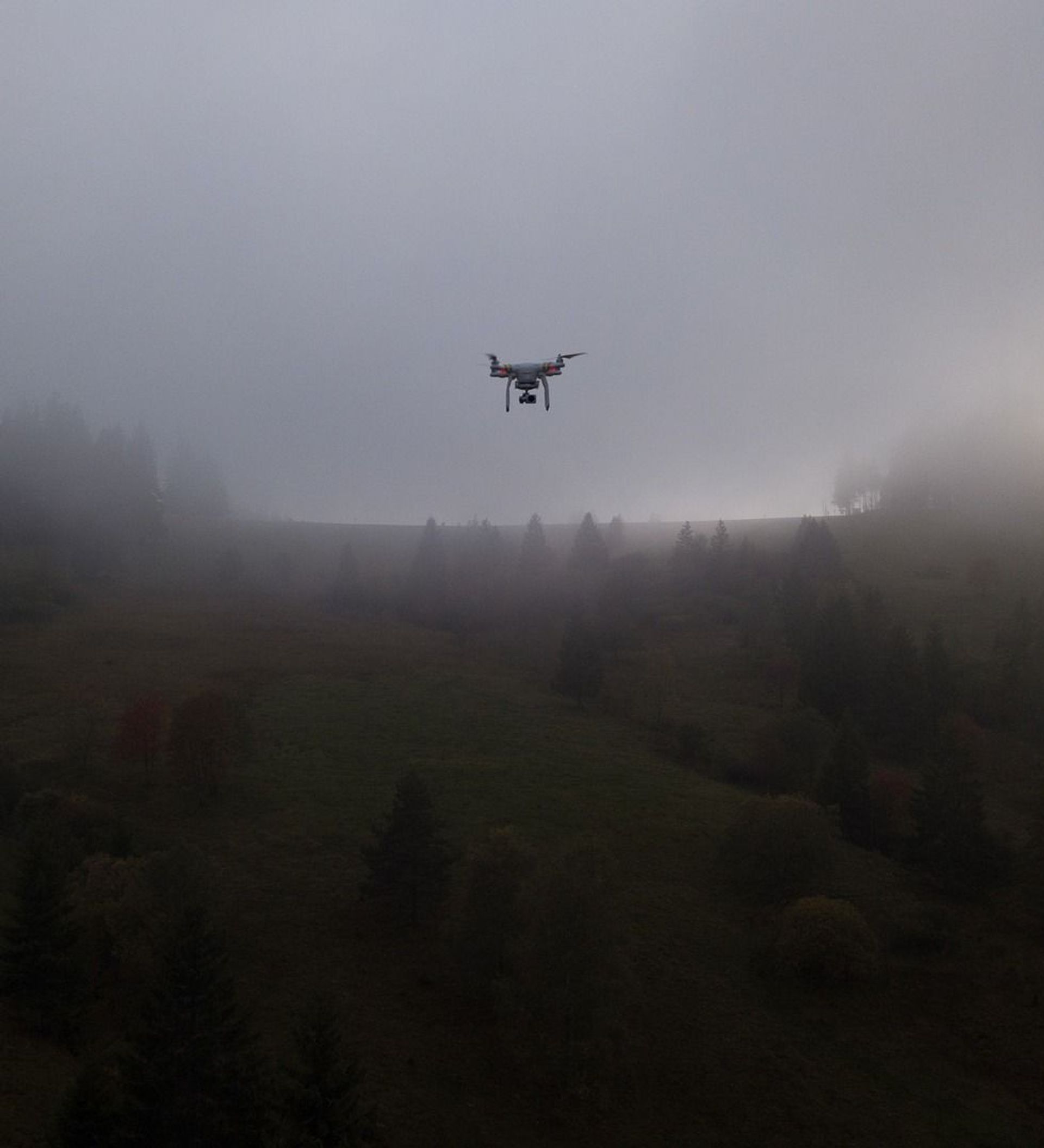
Russia’s Military Academy of Strategic Rocket Force has patented a new type of drone design that’s capable of carrying out reconnaissance operations in areas contaminated by nuclear fallout or hazardous chemicals.
The vertical takeoff and landing (VTOL) UAV design is said to be able to land on both hard surfaces and water, and features protection for its traction system screws to facilitate use in harsh conditions.
The recon drone can carry equipment weighing up to 0.6 kg, allowing for the installation of monitoring equipment to determine sources of radioactive and chemical pollution and contamination, and to search for missing persons. On top of that, the drone can analyze the area it’s operating in to determine the state of destruction. The UAV is designed to operate at any time day or night and in adverse weather conditions.
According to the patent
submitted to the Federal Institute of Industrial Property, the aerodynamically profiled drone’s navigation system and data collection and analysis complex is protected in a hermetically-sealed lightweight hardware module. This feature, combined with special protective netting installed both above and below the drone’s rotors, is designed to help it operate in forests, built-up areas and even indoor locations, without fear that collisions may render it inoperative.
Russian engineers aren’t the only ones working on ultra-durable drone technology designed for use in heavily polluted or contaminated environments. Earlier this year, Alliance Solutions Group, a Virginia-based emergency management company, unveiled the Argus Elite – a VTOL
UAV armed with hazardous materials sensors designed to work in polluted environments and to detect explosive compounds.
Despite its relatively late entry into the field of modern unmanned aerial vehicles, Russia been working on the
design and production of a series of drone designs for the military, as well as the
equipment to stop them, in recent years.
Earlier this year, defence giant Almaz-Antey
showed off a small drone-hunting UAV capable of shooting down or ramming enemy drones. Companies and the military are working on a number of other designs, including a long-range flying wing combat UAV known as the Okhotnik (‘Hunter’) and the Sokol Altius long-endurance recon, strike and electronic attack drone for use by the Air Force and Navy.
Several other projects, including a
drone wingman for Russia’s Sukhoi Su-57 and the new Sukhoi-75 ‘Checkmate’, are also in development.
The Russian Defence Ministry plans to start taking delivery of new long-range strike drones fitted with guided missiles and specialised ammunition later this year. The military reported in April that it had
successfully tested Inohodets (‘Pacer’) attack drones in Syria against terrorists. Late last month, a military source
told Sputnik that work was also underway to integrate anti-tank missiles into the new Orion combat drone.