https://sputnikglobe.com/20210822/afghan-refugees-in-indias-mini-kabul-terrified-of-the-future-as-taliban-takes-over-1083667350.html
Afghan Refugees in India's 'Mini Kabul' Terrified of the Future as Taliban Takes Over
Afghan Refugees in India's 'Mini Kabul' Terrified of the Future as Taliban Takes Over
Sputnik International
Since the Taliban* took control of Afghanistan last Sunday, those refugees who arrived in Delhi years ago are worried for the safety of their relatives back... 22.08.2021, Sputnik International
2021-08-22T06:34+0000
2021-08-22T06:34+0000
2022-12-08T16:36+0000
newsfeed
world
indians
indians
afghanistan
afghan effect
afghanistan war
delhi
new delhi
sputnik
https://cdn.imgsputnikglobe.com/img/07e5/08/16/1083682710_0:0:3258:1842_1920x0_80_0_0_5652667690761a4cfac0850c09d62049.jpg
For years, Delhi's Jangpura and Lajpat Nagar have drawn a lot of people from Afghanistan who fled their country for a safer harbour.Today, these areas have such a big presence of Afghans that most shopkeepers have even put up signs in English and Arabic, the languages understood by the Afghan refugees. Besides this, the roads there are flanked by Afghan-run grocery stores and restaurants — Afghan bread and burgers are famous across the capital. Yet, over the past few weeks, these people have been gripped by a sense of restlessness, especially now since the Taliban is in control in Afghanistan and the internationally-recognised government has collapsed.Abdul Kadir is among these people. He runs a grocery shop in the south Delhi neighbourhood of Jangpura Bhogal. He arrived there as a teenager six years ago along with his father.Asked if he thinks he would ever return to his country, Kadir responds in the negative: "I don't want to go back to Afghanistan. I'll never go back. The Taliban wants destruction only. And this part of Delhi is a 'Mini Kabul' for us".But there are a few who wish to go back. The 38-year-old Jamshid Afghan is one of them. His parents and siblings are still in Afghanistan, and he is in Delhi, immensely worried about his relatives' well-being. Jamshid, who has been earning his livelihood as a carpet and rug merchant for five years, has visited Afghanistan quite often for work. Describing the prevailing situation in his village in Kunduz Province, he says: "They have burnt down many houses in my village, especially of those people who worked with the government. Our house has been also destroyed"."They terrorise people to cheer for the Taliban and force villages to call the earlier government corrupt and unethical. Now, the radio only keeps playing some adverts and Islamic prayers all the time".Jamshid, whose family includes 11 members - parents, wife, elder brother, sister-in-law, and six children - carries dozens of photocopied documents. These are his travel documents. He says he continues to check with the Indian authorities when commercial flights to Afghanistan will resume. Plight of Women While most Afghan refugees are in constant touch with the community in Delhi, women fear the worst is set to happen under the new regime."Most of them want to escape, especially women and minorities", says 25-year-old Arifa Sadat who came to India in 2015 after her father died in a blast, allegedly carried out by Taliban fighters."I'm assuming she too died last year. I haven't spoken to her since September. I asked her many times to come to India, but she always refused", Sadat laments. In Delhi, Sadat, a single mother, makes a living through modelling. At present, her house is hosting more than five women from Afghanistan who fled the country two months ago. According to the United Nations High Commissioner for Refugees (UNHCR), 37 percent of refugees in India are from Afghanistan. "As of July 2021, a total of 15,467 Afghan refugees and asylum seekers had been registered with UNHCR India", Kiri Atri, assistant external relations officer of UNHCR India, said.The figure excludes asylum seekers and those not registered with the UNHCR. Desite India not being a signatory to the 1951 UN Refugee Convention, the country has hosted refugees and asylum seekers for decades. India has played host to refugees from Afghanistan since 1979. As a goodwill gesture, on 17 August, the country announced it would provide all possible help to Afghan citizens.*The Taliban is a terrorist group banned in Russia and many other countries.
afghanistan
delhi
new delhi
kabul
Sputnik International
feedback@sputniknews.com
+74956456601
MIA „Rossiya Segodnya“
2021
Deexa Khanduri
https://cdn.imgsputnikglobe.com/img/07e4/0c/1e/1081607388_0:0:961:960_100x100_80_0_0_e9e931b8c1e18fb41f3074e2145d7a3a.jpg
Deexa Khanduri
https://cdn.imgsputnikglobe.com/img/07e4/0c/1e/1081607388_0:0:961:960_100x100_80_0_0_e9e931b8c1e18fb41f3074e2145d7a3a.jpg
News
en_EN
Sputnik International
feedback@sputniknews.com
+74956456601
MIA „Rossiya Segodnya“
Sputnik International
feedback@sputniknews.com
+74956456601
MIA „Rossiya Segodnya“
Deexa Khanduri
https://cdn.imgsputnikglobe.com/img/07e4/0c/1e/1081607388_0:0:961:960_100x100_80_0_0_e9e931b8c1e18fb41f3074e2145d7a3a.jpg
newsfeed, indians, indians, afghanistan, afghan effect, afghanistan war, delhi, new delhi, sputnik, sputnik, sputnik v vaccine, sputnik news, kabul, taliban, taliban legacy, taliban presence
newsfeed, indians, indians, afghanistan, afghan effect, afghanistan war, delhi, new delhi, sputnik, sputnik, sputnik v vaccine, sputnik news, kabul, taliban, taliban legacy, taliban presence
Afghan Refugees in India's 'Mini Kabul' Terrified of the Future as Taliban Takes Over
06:34 GMT 22.08.2021 (Updated: 16:36 GMT 08.12.2022) Deexa Khanduri
Sputnik correspondent
Since the Taliban* took control of Afghanistan last Sunday, those refugees who arrived in Delhi years ago are worried for the safety of their relatives back home. The radical group had steadily brought key cities in the war-torn nation under its control, forcing President Ashraf Ghani to flee the country and citizens plead for rescue.
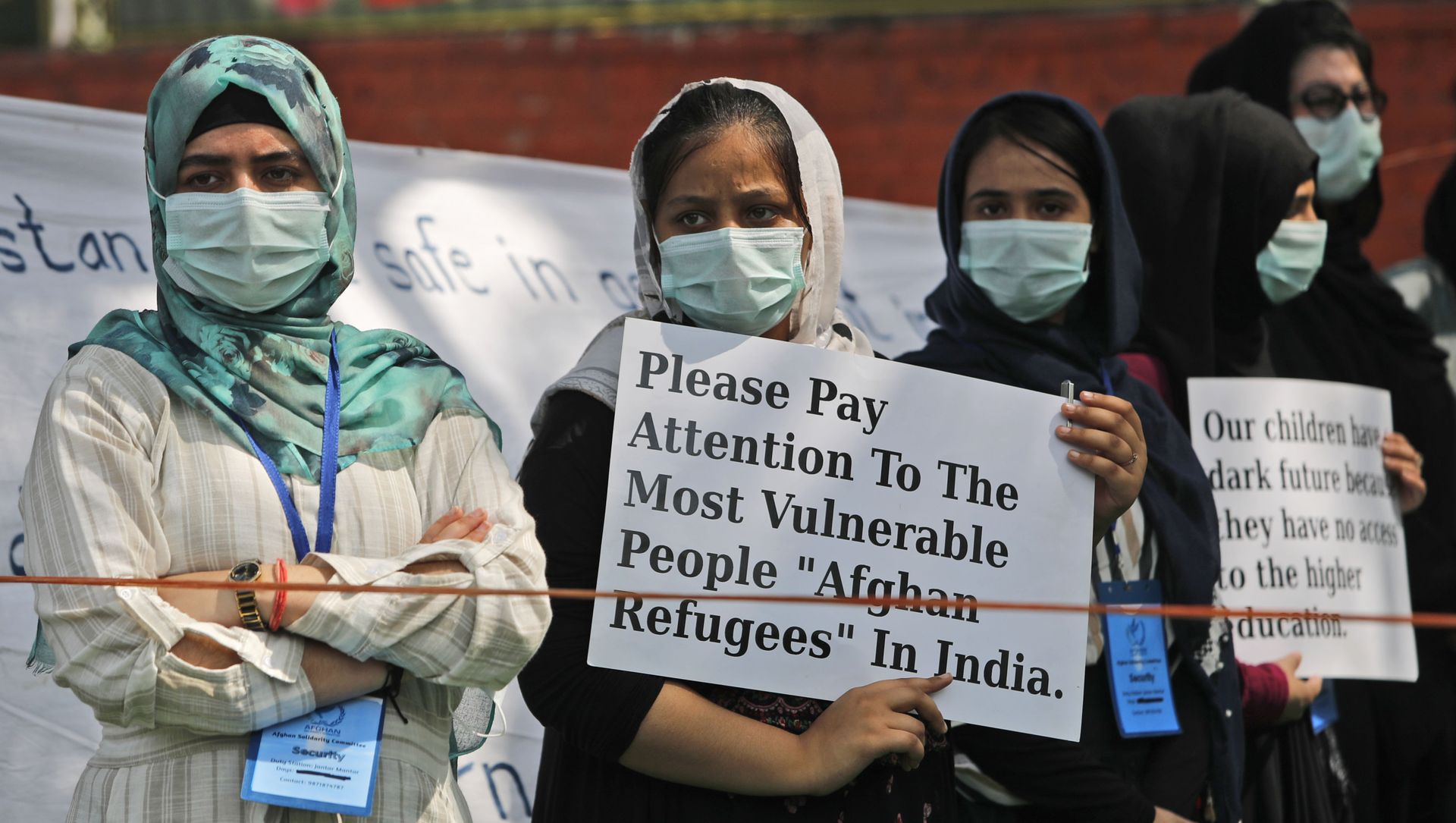
For years, Delhi's Jangpura and Lajpat Nagar have drawn a lot of people
from Afghanistan who fled their country for a safer harbour.
Today, these areas have such a big presence of Afghans that most shopkeepers have even put up signs in English and Arabic, the languages understood by the
Afghan refugees.
Besides this, the roads there are flanked by Afghan-run grocery stores and restaurants — Afghan bread and burgers are famous across the capital.
Yet, over the past few weeks, these people have been gripped by a sense of restlessness, especially now since the Taliban is in control in Afghanistan and the internationally-recognised government has collapsed.
Abdul Kadir is among these people. He runs a grocery shop in the south Delhi neighbourhood of Jangpura Bhogal. He arrived there as a teenager six years ago along with his father.
Asked if he thinks he would ever return to his country, Kadir responds in the negative: "I don't want to go back to Afghanistan. I'll never go back. The Taliban wants destruction only. And this part of Delhi is a 'Mini Kabul' for us".
But there are a few who wish to go back. The 38-year-old Jamshid Afghan is one of them. His parents and siblings are still in Afghanistan, and he is in Delhi, immensely worried about his relatives' well-being.
"I want to go back to my country. Whatever will happen to me in my country, I'll accept it as a God's wish", he says.
Jamshid, who has been earning his livelihood as a carpet and rug merchant for five years, has visited Afghanistan quite often for work.
Describing the prevailing situation in his village in
Kunduz Province, he says: "They have burnt down many houses in my village, especially of those people who worked with the government. Our house has been also destroyed".
"They terrorise people to cheer for the Taliban and force villages to call the earlier government corrupt and unethical. Now, the radio only keeps playing some adverts and Islamic prayers all the time".
Jamshid, whose family includes 11 members - parents, wife, elder brother, sister-in-law, and six children - carries dozens of photocopied documents. These are his travel documents. He says he continues to check with the Indian authorities when commercial flights to Afghanistan will resume.
"I will try to come back to India along with my family, but the wait is going to be long. The embassy people told me that all the people around them have been sleeping for days outside on the ground in the blazing summer heat. They have no access to basic toiletries, food and medicine, and the numbers are swelling every day", Jamshid explains.
While most Afghan refugees are in constant touch with the community in Delhi, women fear the worst is set to happen under the new regime.
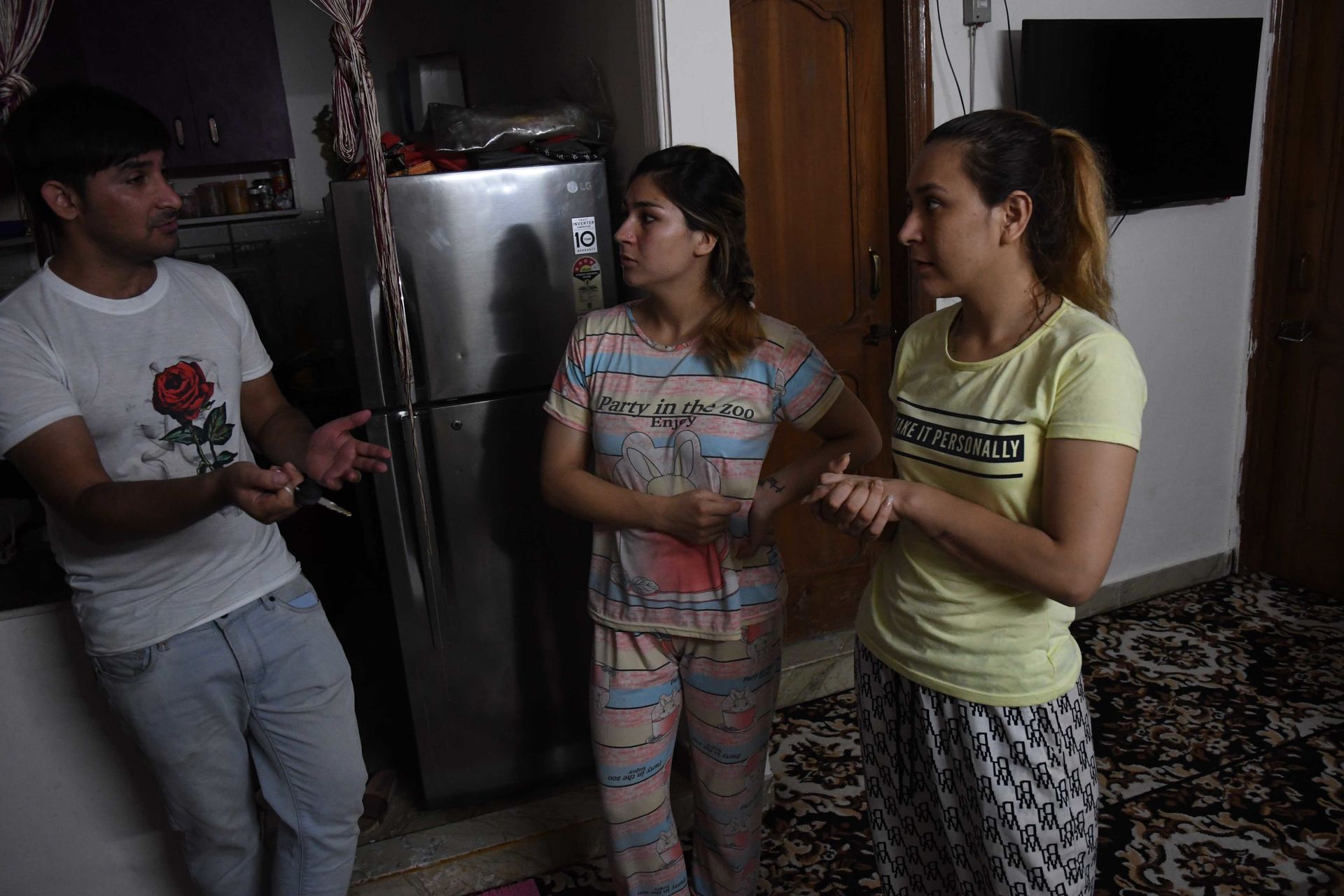
"Most of them want to escape, especially women and minorities", says 25-year-old Arifa Sadat who came to India in 2015 after her father died in a blast, allegedly carried out by Taliban fighters.
"A male [family] member is essential in Afghan society. After the death of my father, there was no man left in our house. Bombings and shootouts were a common thing in my city Jalalabad. My mom and I could not go out even for medical emergencies late at night. Moreover, she had constant pressure to marry me off. Finally, she gave me a choice to flee Afghanistan and I did", Sadat shares.
"I'm assuming she too died last year. I haven't spoken to her since September. I asked her many times to come to India, but she always refused", Sadat laments.
In Delhi, Sadat, a single mother, makes a living through modelling. At present, her house is hosting more than five women from Afghanistan who fled the country two months ago.
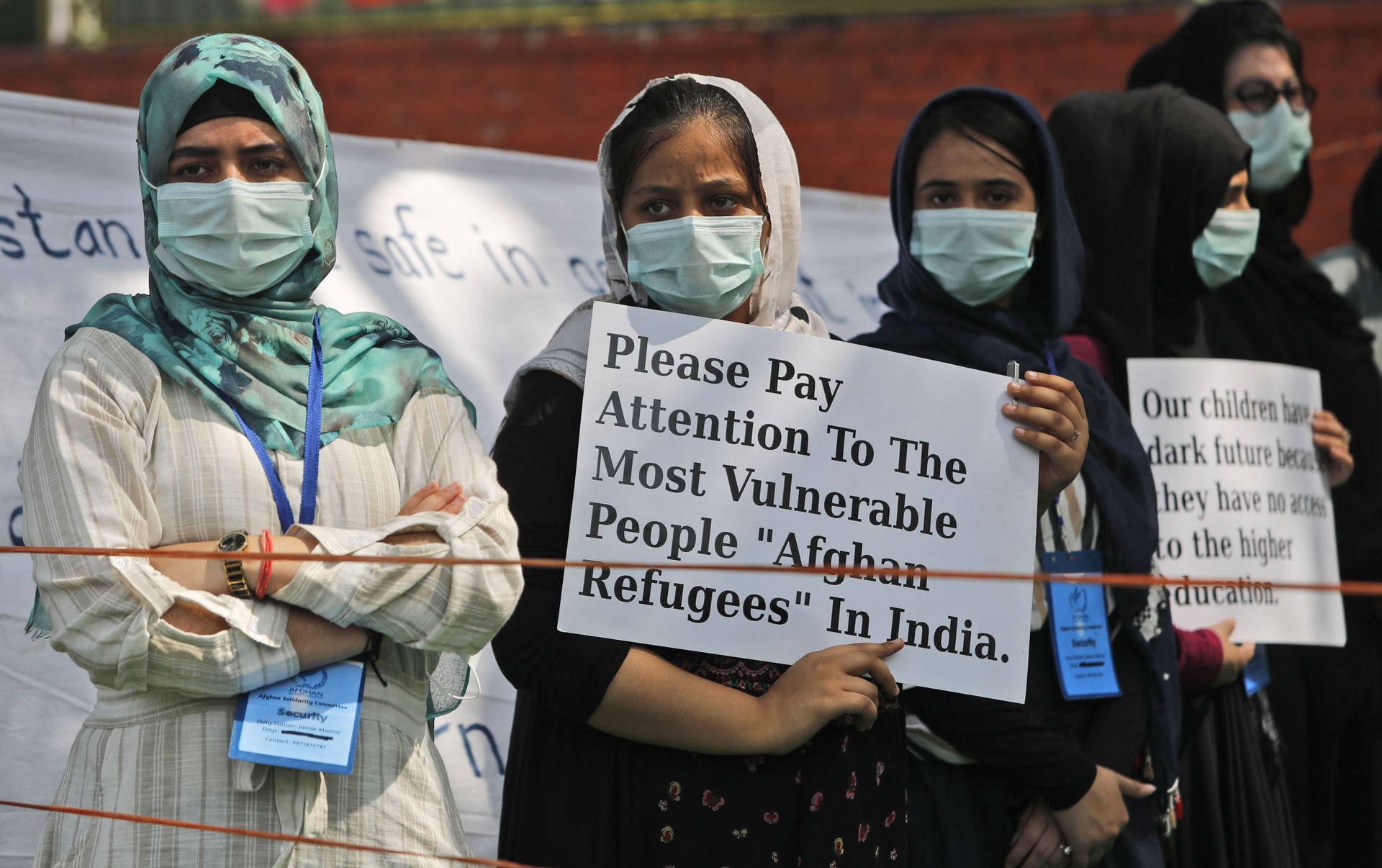
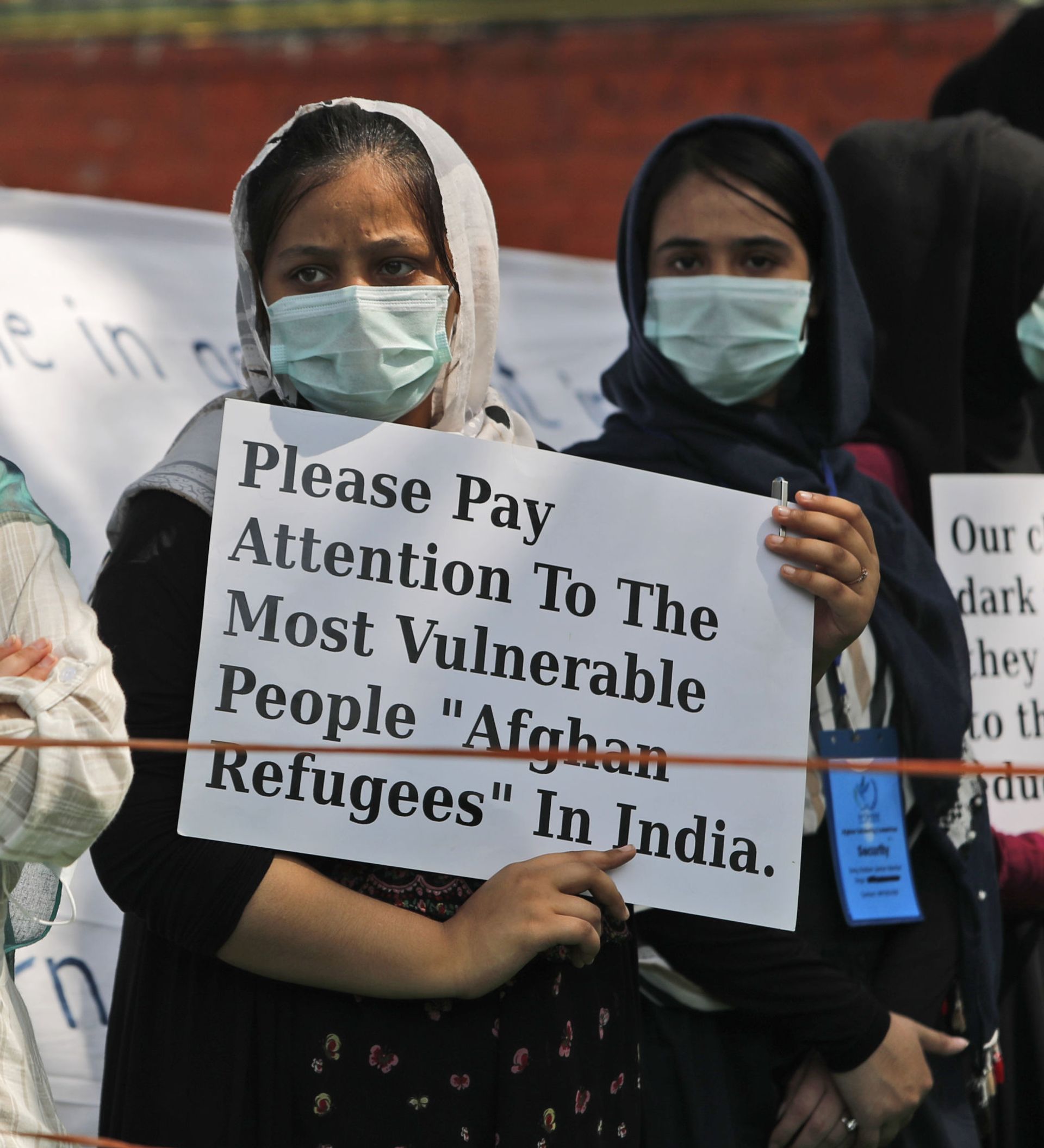
According to the United Nations High Commissioner for Refugees (UNHCR), 37 percent of refugees in India are from Afghanistan. "As of July 2021, a total of 15,467 Afghan refugees and asylum seekers had been registered with UNHCR India", Kiri Atri, assistant external relations officer of UNHCR India, said.
The figure excludes asylum seekers and those not registered with the UNHCR. Desite India not being a signatory to the 1951 UN Refugee Convention, the country has hosted refugees and asylum seekers for decades.
India has played host to refugees from Afghanistan since 1979. As a goodwill gesture, on 17 August, the country announced it would provide all possible help to Afghan citizens.
*The Taliban is a terrorist group banned in Russia and many other countries.