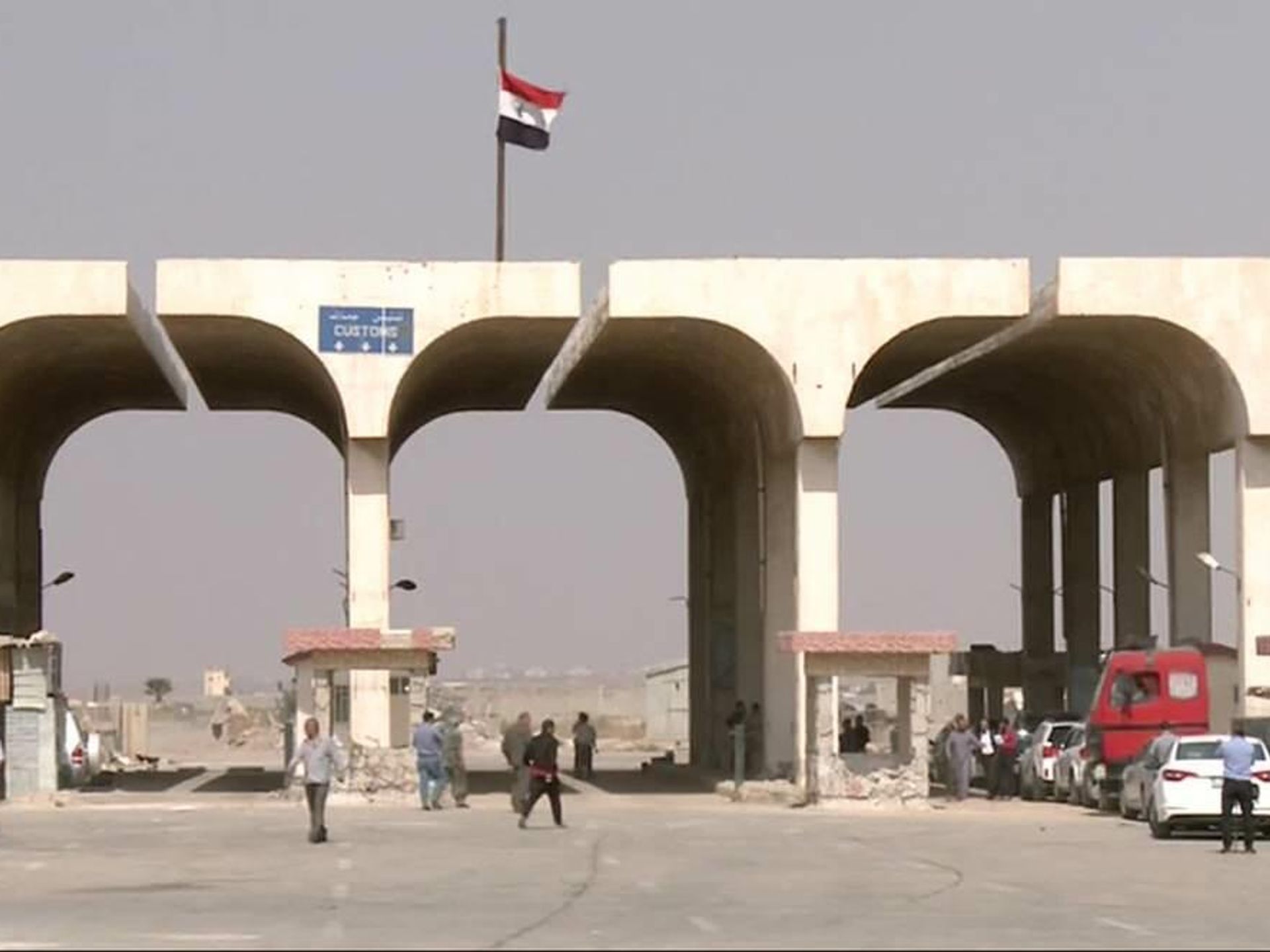
Sign of Normalisation as Syria’s Defence Minister Visits Jordan to Discuss Border Security
14:56 GMT 20.09.2021 (Updated: 16:46 GMT 08.01.2023)
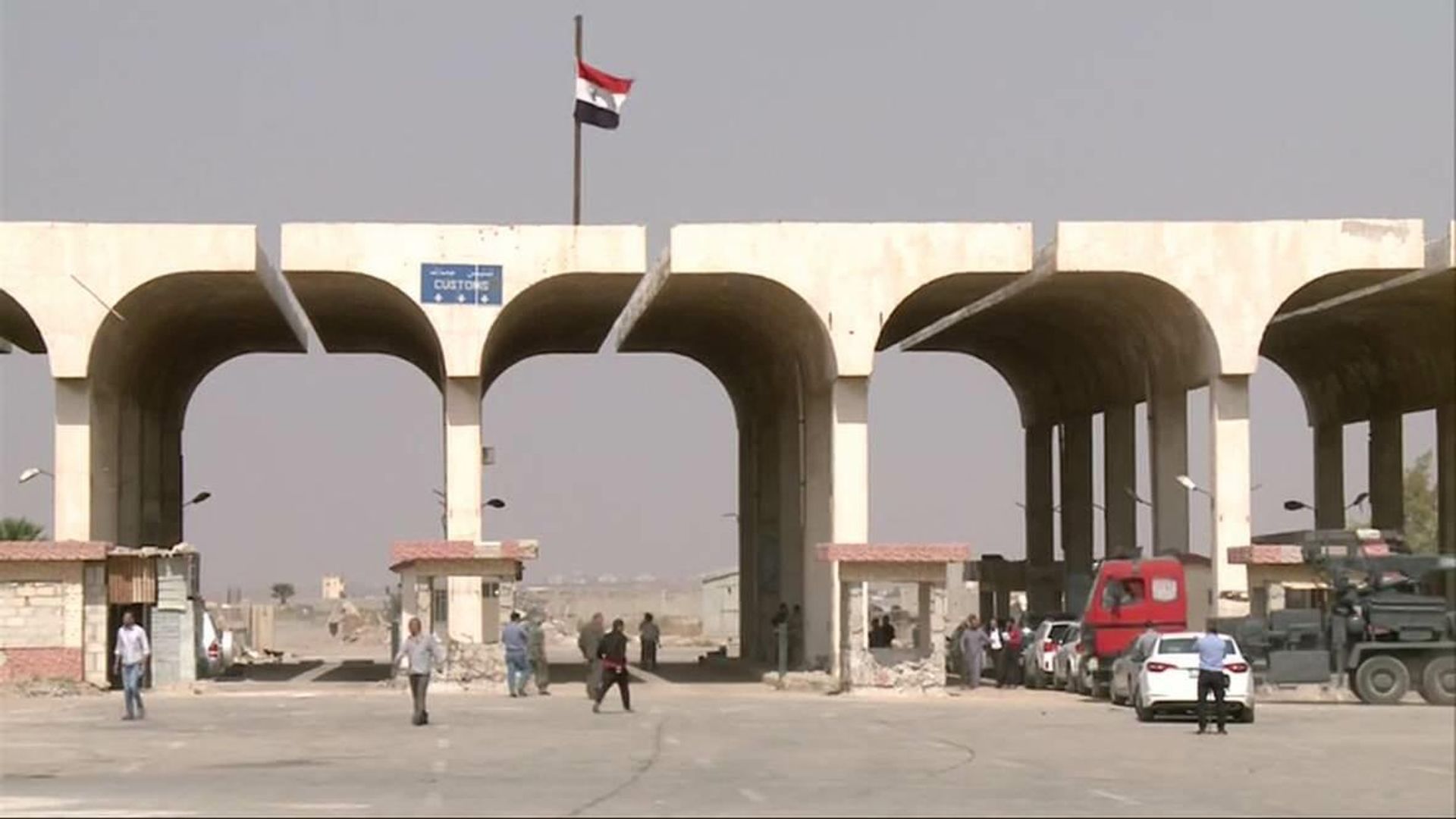
© Photo : Ruptly
Subscribe
Syrian-Jordanian relations collapsed in the early 2010s after the so-called ‘Arab Spring’ protests, which culminated in a foreign-sponsored conflict breaking out in the Arab Republic. Damascus accused Amman of allowing militants to cross freely into Syria, and of serving as a base for the supply of cash and arms to rebels.
Syrian Defence Minister Ali Abdullah Ayyoub visited Jordan on Sunday, meeting with Jordanian Army chief Yousef Huneiti to discuss a range of issues, including border security, counter-terrorism and drug smuggling, local media has reported.
In a press statement, the Jordanian Army indicated that the talks between Ayyoub and Huneiti were "intended to increase future coordination over all common issues".
A Syrian Arab News Agency report on the visit said that Huneiti kicked off the whole process by sending an invitation to Ayyoub who is said to have been accompanied by a number of senior officers during the trip.
According to SANA, “the two sides held an extended meeting during which they discussed the possibility that the armies of the 'two brotherly countries' might cooperate, stressing the importance that issues of mutual concern - especially in the domain of combatting terrorism and control over the borders - should be coordinated.”
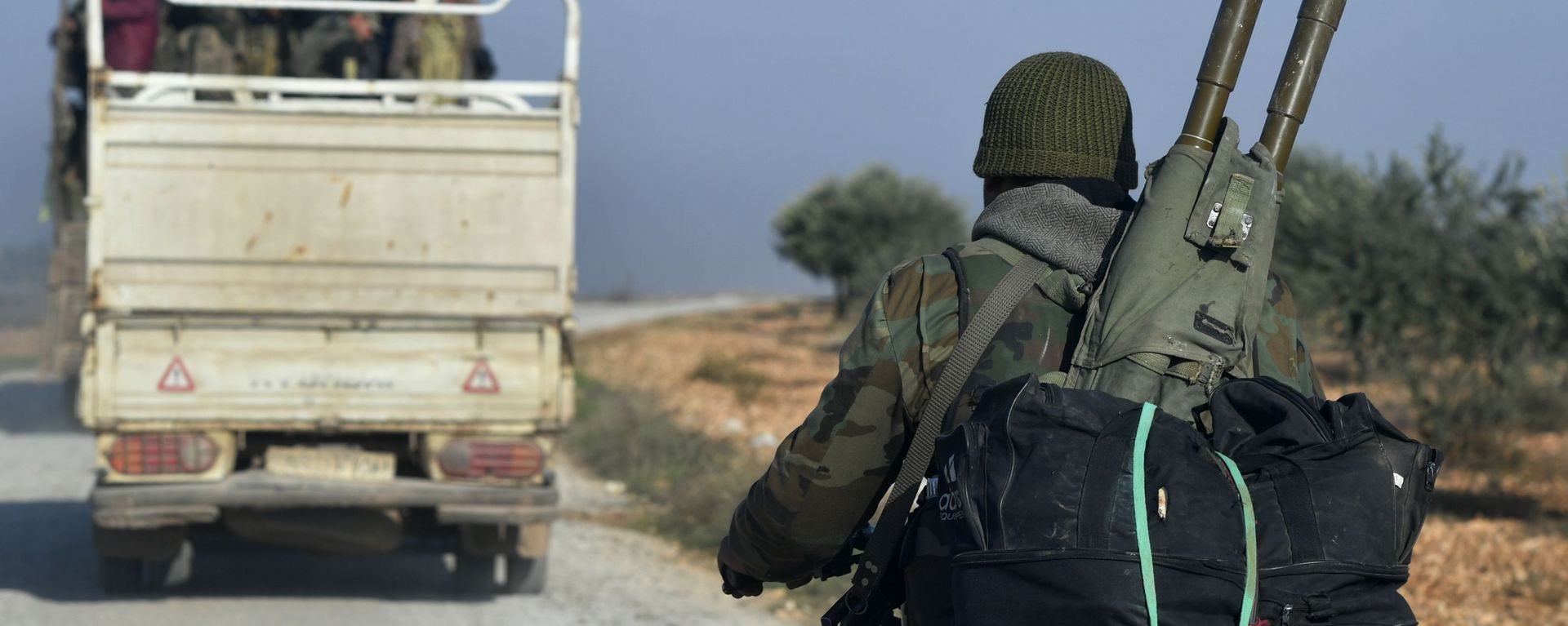
Ayyoub’s visit was the first of its kind since war broke out in Syria in 2011, and followed the Syrian Army’s recent offensives to take back the last terrorist strongholds in Daraa province – which borders Jordan. Syrian forces liberated most of the province in a series of large-scale offensives in 2018, restoring control over much of the frontier with the kingdom, as well as the Israeli-occupied Golan Heights.
Last month, in an agreement secured with Russia’s mediation, some 430 militants laid down their arms in Daraa and were evacuated to Idlib after agreeing to a truce with government forces. The agreement followed warnings by the army to stage an all-out assault on remaining territories under the militants’ control.
7 September 2021, 01:00 GMT
Jordan spent years supporting so-called ‘moderate rebel’ forces in Syria after war broke out in 2011, with Damascus accusing Amman of allowing extremists, including Daesh (ISIS)* terrorists, to use the country as a transit point. Jordan also served as the base of operations for Operation Timber Sycamore, the clandestine multi-billion-dollar CIA mission coordinated with the White House through then-vice president Joe Biden to finance militants and provide them with advanced weapons. The existence of the programme was revealed in 2016. Donald Trump closed it down shortly after stepping into office in 2017, in part because of the programme’s perceived ineffectiveness – including the pilfering of arms destined for Syrian ‘rebels’ and their sale on the black market. A comprehensive three-year study for the European Union released in 2017 found that Operation Timber Sycamore’s only major success was in “significantly augment[ing] the quantity and quality of weapons available to [Daesh].”
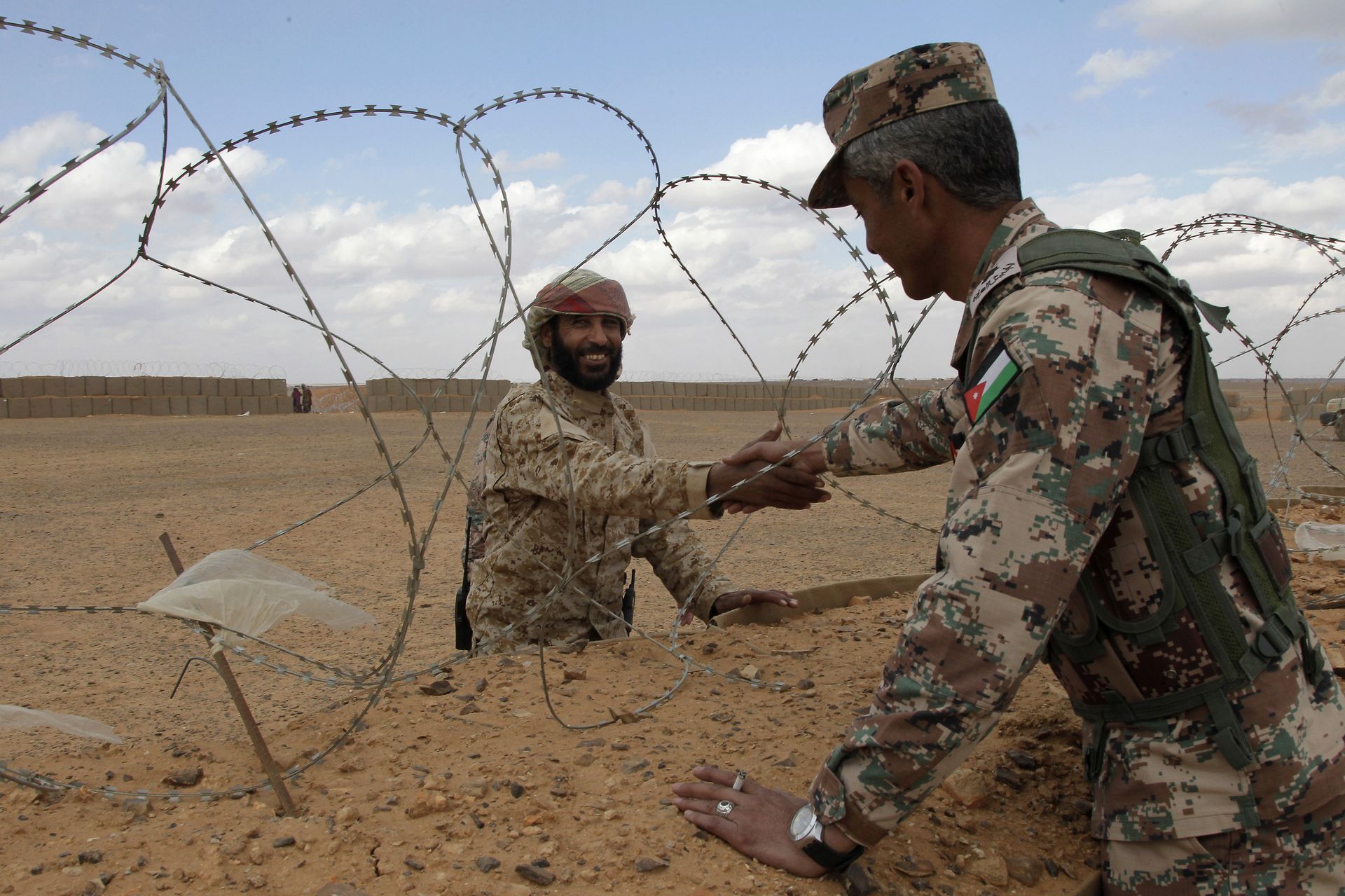
A member of the Syrian Tribes Army, left, that guards the Syrian side of the berm on the north eastern border with Jordan, shakes hands with a Jordanian soldier (File)
© AP Photo / Raad Adayleh
After the cancellation of Timber Sycamore in 2017, and the Syrian Army’s securing of the border in 2018, Amman began taking steps to try to restore ties with its northern neighbour. Last month, Jordan’s King Abdullah paid a visit to Moscow, praising the role Russian forces played in helping to stabilise Syria. Before that, Jordanian media discussed the possibility for improved transport links and trade with Damascus.
* A terrorist group outlawed in Russia and many other countries.