https://sputnikglobe.com/20211001/eu-eyes-2-billion-in-investments-to-become-independent-from-chinese-raw-materials-1089582054.html
EU Eyes $2 Billion in Investments to Become Independent From Chinese Raw Materials
EU Eyes $2 Billion in Investments to Become Independent From Chinese Raw Materials
Sputnik International
EU Eyes $2 Billion in Investments to Become Independent From Raw Material Supplies From China
2021-10-01T14:44+0000
2021-10-01T14:44+0000
2021-10-01T15:08+0000
europe
asia
china
https://cdn1.img.sputnikglobe.com/img/07e5/0a/01/1089582741_0:141:3139:1907_1920x0_80_0_0_55b4ddb57a629f35a4391ad977b33f6d.jpg
The European Raw Materials Alliance (ERMA), a body established by the EU in 2020, has published a report revealing that the bloc will have to invest some 1.7 billion euros ($2 billion) to render itself and its businesses less dependent on foreign supplies of raw materials, and especially rare earths and the magnets made of them. The latter are in high demand in the EU because of their crucial role in the decarbonisation of the bloc's economies – being used in electric cars and wind turbines.The majority of these essential materials come from China – up to 90 percent of rare earth magnets are bought from the Asian country, the alliance revealed. The ERMA pointed out that Chinese suppliers are able to sell these materials cheaper than other countries because of lower environmental and labour standards. The alliance stressed that the governments and businesses in Europe will have to boost domestic mining and processing artificially to compete with China. The ERMA suggests achieving it via investments, subsidies and buying quotas for 14 projects in Europe.Apart from boosting mining, the ERMA also suggests investing in recycling projects.The geography of the proposed investments is not limited to the EU though – the alliance's report suggests building strategic partnerships with foreign resource-rich countries.The push for gaining independence from Chinese supplies comes as western countries' relations with the Asian country continue to get more tense. The US - which is also making a push for self-sustainability - and Europe accused China of human rights violations, whereas Beijing denies these charges and decries attempts to meddle in its domestic affairs.At the same time, the creation of the ERMA by Brussels in 2020 with the goal of achieving self-sustainability in resources coincided with increased demand from local manufacturers. For example, Volkswagen AG recently changed its focus to making electric cars, which require rare-earth magnets and battery cells – another area where the EU has been trying to achieve independence from China.
https://sputnikglobe.com/20210916/eu-commission-chief-announces-launch-of-competitor-to-chinas-belt-and-road-1089131291.html
china
Sputnik International
feedback@sputniknews.com
+74956456601
MIA „Rossiya Segodnya“
2021
Tim Korso
https://cdn1.img.sputnikglobe.com/img/07e6/03/0d/1093831826_0:0:216:216_100x100_80_0_0_e3f43a960af0c6c99f7eb8ccbf5f812c.jpg
Tim Korso
https://cdn1.img.sputnikglobe.com/img/07e6/03/0d/1093831826_0:0:216:216_100x100_80_0_0_e3f43a960af0c6c99f7eb8ccbf5f812c.jpg
News
en_EN
Sputnik International
feedback@sputniknews.com
+74956456601
MIA „Rossiya Segodnya“
Sputnik International
feedback@sputniknews.com
+74956456601
MIA „Rossiya Segodnya“
Tim Korso
https://cdn1.img.sputnikglobe.com/img/07e6/03/0d/1093831826_0:0:216:216_100x100_80_0_0_e3f43a960af0c6c99f7eb8ccbf5f812c.jpg
europe, china
EU Eyes $2 Billion in Investments to Become Independent From Chinese Raw Materials
14:44 GMT 01.10.2021 (Updated: 15:08 GMT 01.10.2021) The new push follows a similar move in the US undertaken as part of a trade war between two powers. Tensions have been growing between western countries and China, despite Beijing and the EU progressing in negotiations on a major investment deal.
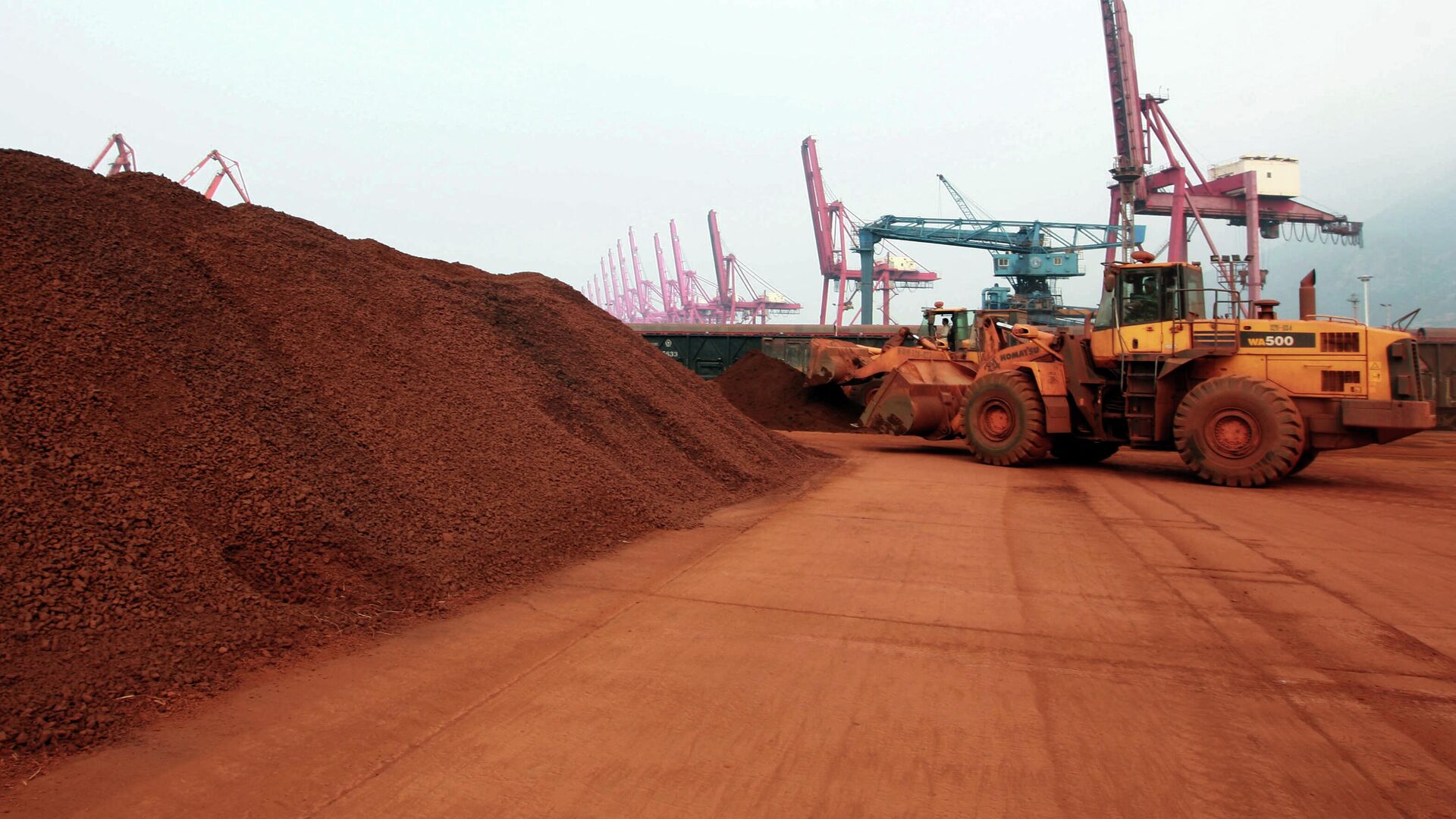
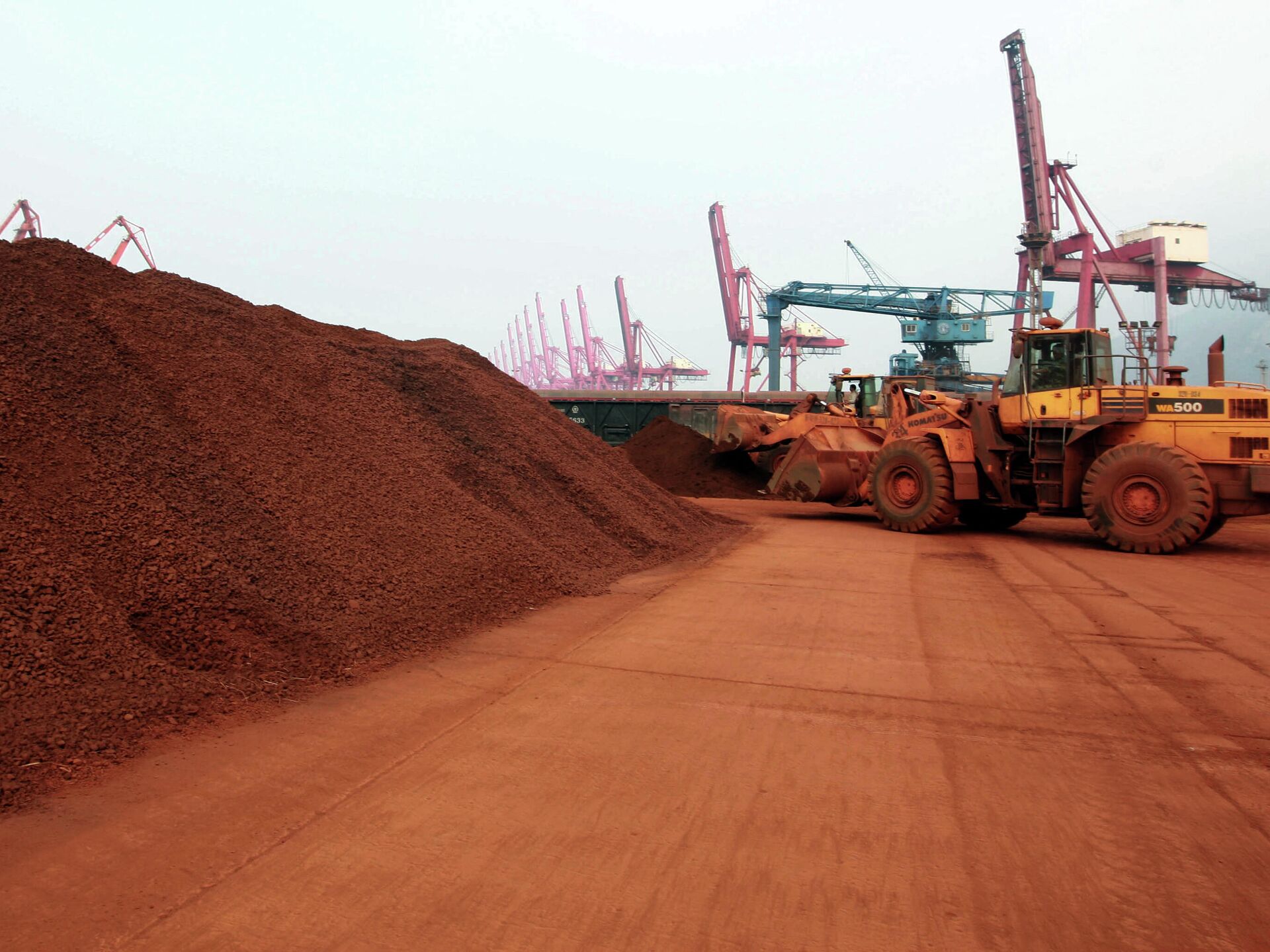
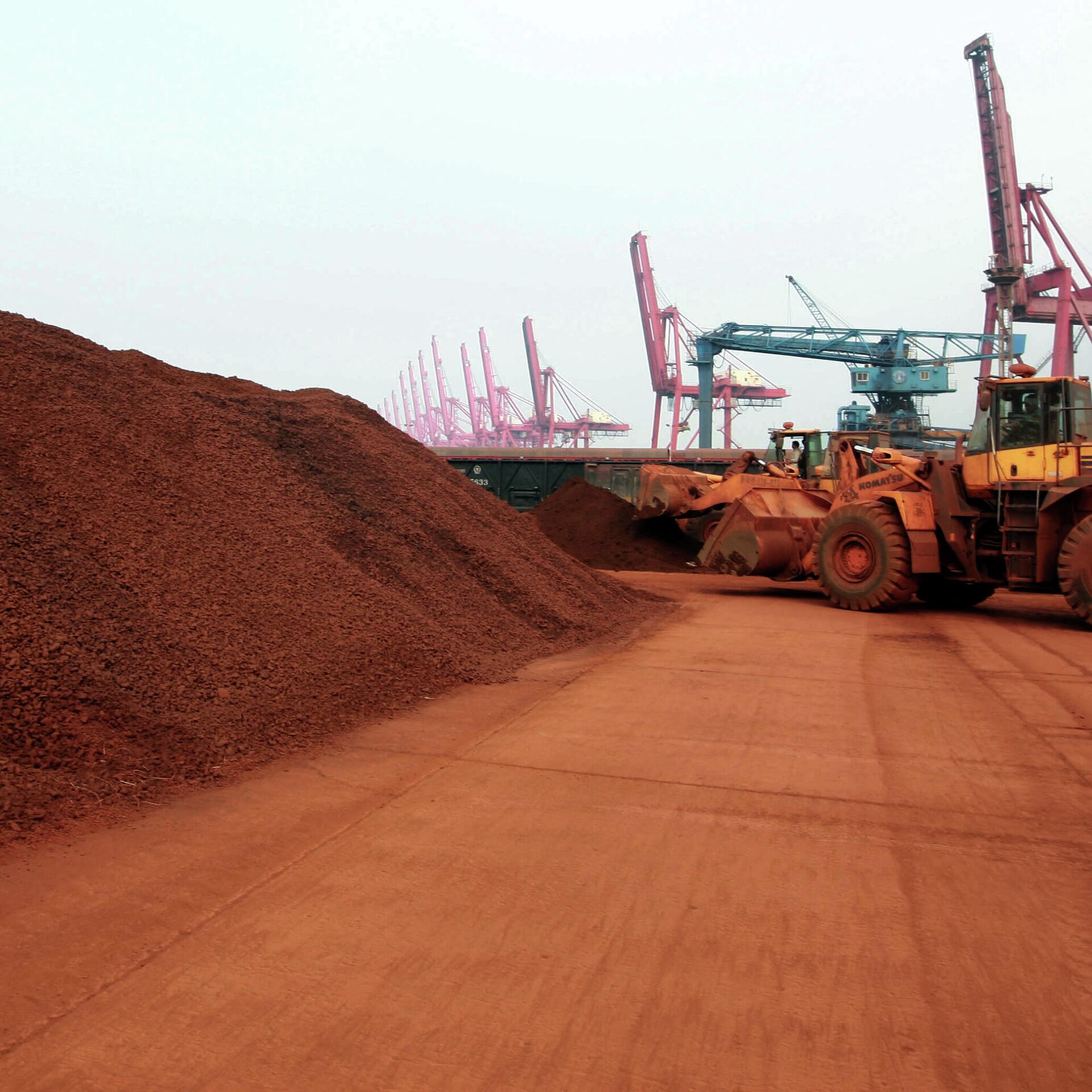
The European Raw Materials Alliance (ERMA), a body established by the EU in 2020, has published a report revealing that the bloc will have to invest some 1.7 billion euros ($2 billion) to render itself and its businesses less dependent on foreign supplies of raw materials, and especially rare earths and the magnets made of them. The latter are in high demand in the EU because of their crucial role in the decarbonisation of the bloc's economies – being used in electric cars and wind turbines.
The majority of these essential materials come from China – up to 90 percent of rare earth magnets are bought from the Asian country, the alliance revealed. The ERMA pointed out that Chinese suppliers are able to sell these materials cheaper than other countries because of lower environmental and labour standards. The alliance stressed that the governments and businesses in Europe will have to boost domestic mining and processing artificially to
compete with China. The ERMA suggests achieving it via investments, subsidies and buying quotas for 14 projects in Europe.
"The commission’s in-depth review of critical supply chains and key technologies has highlighted the EU’s high level of foreign dependency on inputs required for our green and digital transition. The EU depends on others - mainly China - for the import of permanent magnets, as well as the rare earth elements they are made of," the ERMA statement read.
Apart from boosting mining, the ERMA also suggests investing in
recycling projects.
The geography of the proposed investments is not limited to the EU though – the alliance's report suggests building strategic partnerships with foreign resource-rich countries.
16 September 2021, 15:07 GMT
The push for gaining independence from Chinese supplies comes as western countries' relations with the Asian country continue to get more tense. The US - which is also making a push for self-sustainability - and Europe accused China of human rights violations, whereas Beijing denies these charges and decries attempts to meddle in its domestic affairs.
At the same time, the creation of the ERMA by Brussels in 2020 with the goal of achieving self-sustainability in resources coincided with increased demand from local manufacturers. For example, Volkswagen AG recently changed its focus to making electric cars, which require rare-earth magnets and battery cells – another area where the EU has been trying to achieve independence from China.