https://sputnikglobe.com/20211114/as-us-prepares-to-re-open-consulate-in-east-jerusalem-ex-idf-commander-says-itll-harm-relations-1090720509.html
As US Prepares to Re-Open Consulate in East Jerusalem, Ex-IDF Commander Says It'll Harm Relations
As US Prepares to Re-Open Consulate in East Jerusalem, Ex-IDF Commander Says It'll Harm Relations
Sputnik International
Until 2018, the US mission in Israel was split between Tel Aviv and Jerusalem but former president Donald Trump changed the status quo by moving the embassy to... 14.11.2021, Sputnik International
2021-11-14T06:47+0000
2021-11-14T06:47+0000
2022-08-06T13:26+0000
middle east
israel
us
https://cdn.imgsputnikglobe.com/img/07e5/04/18/1082713579_0:159:3077:1890_1920x0_80_0_0_7873b3b79bdc3cb4f92f4d74d81f2531.jpg
At the time, the decision was welcomed by the majority of Israelis, and now as the Joe Biden administration is set to backtrack, some are raising their voice against the move.The US is mulling the re-opening of a consulate for Palestinians in East Jerusalem, almost two years after its doors were shut by the previous American administration.Reports also indicate that the move could be carried out as early as at the end of November, as Israel has just passed its national budget.If accurate, the move would be a major achievement for the Palestinians. Firstly, it could be an indication that Washington is supportive of an idea to divide the city between Israel and the Palestinian Authority (PA) and recognise East Jerusalem as the capital of their future independent state. And secondly, it could potentially pave the way for the establishment of an American embassy in the disputed area.Mounting DissatisfactionBut it won't be easy, primarily because there is a growing sentiment in Israel that the American move should be prevented.Gershon Hacohen, a former IDF commander and one of the leading military experts in Israel, is among those who oppose the potential move.According to the Jerusalem Embassy Act of 1995, the disputed city, with its East and West parts, has been regarded by the US as a unified capital administered by Israel. But despite this commitment, Washington has always maintained two missions in Israel. One of them was the embassy in Tel Aviv. The other one, for the Palestinians, was in East Jerusalem.That attitude changed in 2018 following former President Donald Trump's recognition of Jerusalem as the unified capital of Israel, and the subsequent move of the US embassy to the disputed city.The consulate in East Jerusalem was then merged with the embassy, much to the fury of the Palestinians, who saw it as an indication that Washington was on a path to drop its initial commitment to the two-state solution.Now, with a new US administration in charge, that attitude is bound to change again, but Hacohen is warning it might have "serious implications" for Israel and the US."The support that Washington gives has to be not only physical but also moral," said the former commander, and suggested that the move would damage the American deterrence, something that could potentially lead to the escalation of tensions in the region.Decision Can Be Averted?Hacohen is certain that Israel can still avert this intention, especially as the international law stipulates that it is up to the host country, in this case the Jewish state, to grant or deny its final consent.The only problem is that Israel's political establishment doesn't see eye-to-eye with this approach. Throughout the years, the Jewish state has relied heavily on the US and its military, financial and diplomatic assistance.But Hacohen says that the issue of Jerusalem might deteriorate the ties between the two states, especially given the fact that Israel's current coalition contains a number of conservative members. And those are likely to object to any moves that could harm Jerusalem's unity.Prime Minister Naftali Bennett is one of those conservative elements that would like to see Jerusalem united, and this means that as long as he is in power, it will be unlikely for Israel to bend under the pressure of the US.
israel
Sputnik International
feedback@sputniknews.com
+74956456601
MIA „Rossiya Segodnya“
2021
News
en_EN
Sputnik International
feedback@sputniknews.com
+74956456601
MIA „Rossiya Segodnya“
Sputnik International
feedback@sputniknews.com
+74956456601
MIA „Rossiya Segodnya“
middle east, israel, us
As US Prepares to Re-Open Consulate in East Jerusalem, Ex-IDF Commander Says It'll Harm Relations
06:47 GMT 14.11.2021 (Updated: 13:26 GMT 06.08.2022) Until 2018, the US mission in Israel was split between Tel Aviv and Jerusalem but former president Donald Trump changed the status quo by moving the embassy to the disputed city and merging the consulate with it.
At the time, the decision was welcomed by the majority of Israelis, and now as the Joe Biden administration is set to backtrack, some are raising their voice against the move.
The US is mulling the re-opening of a consulate for Palestinians in East Jerusalem, almost two years after its doors were shut by the previous American administration.
Reports also indicate that the move could be carried out as early as at the end of November, as Israel has just passed its
national budget.
If accurate, the move would be a major achievement for the Palestinians. Firstly, it could be an indication that Washington is supportive of an idea to divide the city between Israel and the Palestinian Authority (PA) and recognise East Jerusalem as the capital of their future independent state. And secondly, it could potentially pave the way for the establishment of an American embassy in the disputed area.
But it won't be easy, primarily because there is a growing sentiment in Israel that the American move should be prevented.
Gershon Hacohen, a former IDF commander and one of the leading military experts in Israel, is among those who oppose the potential move.
"If the US ends up re-opening the consulate, it would be a blunt intervention into our internal affairs. It would be a serious blow to our honour and it would be a huge violation of Israel's sovereignty and the American law."
According to the Jerusalem Embassy Act of 1995, the disputed city, with its East and West parts, has been regarded by the US as a unified capital administered by Israel. But despite this commitment, Washington has always maintained two missions in Israel. One of them was the embassy in Tel Aviv. The other one, for the
Palestinians, was in East Jerusalem.
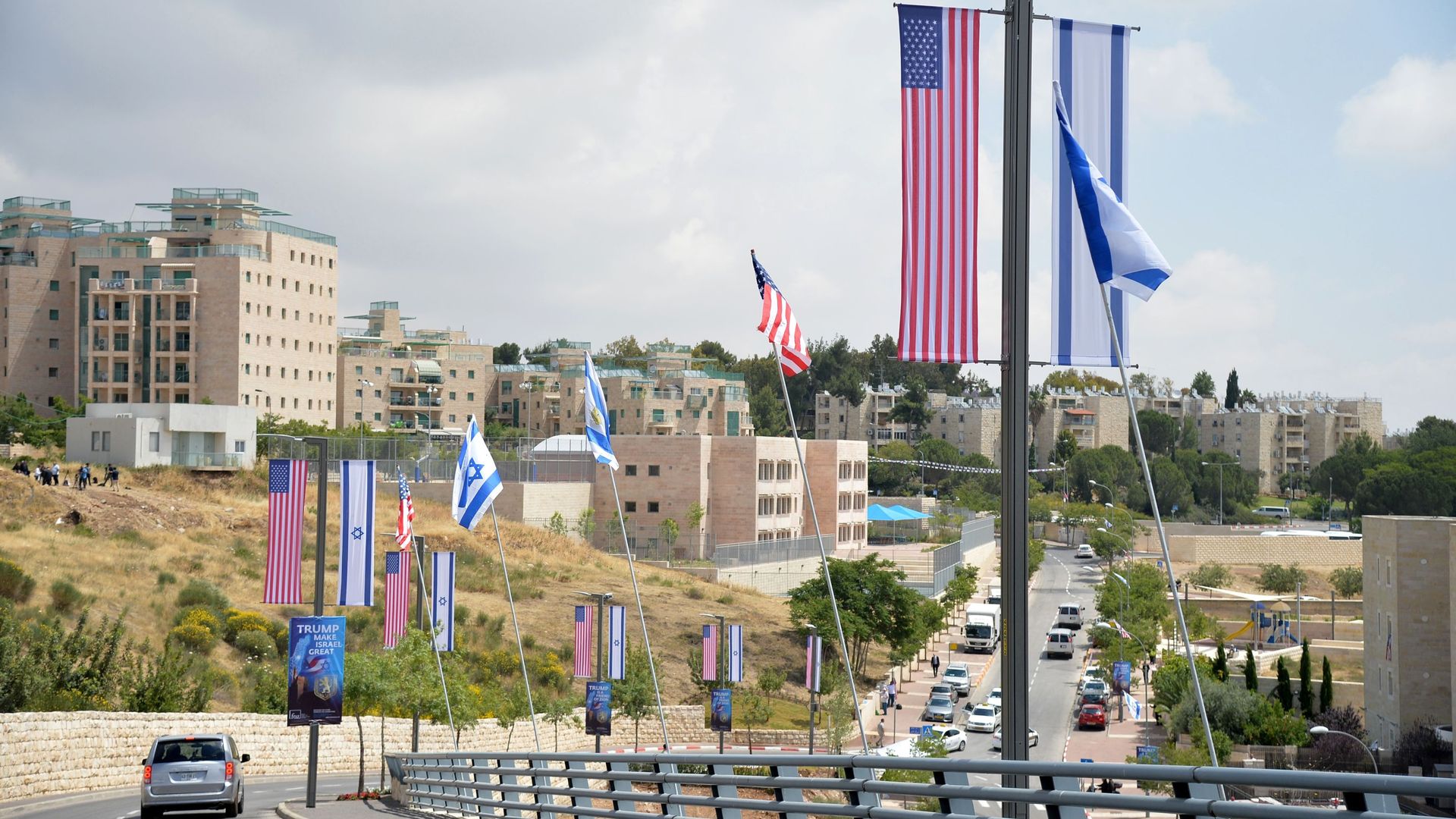
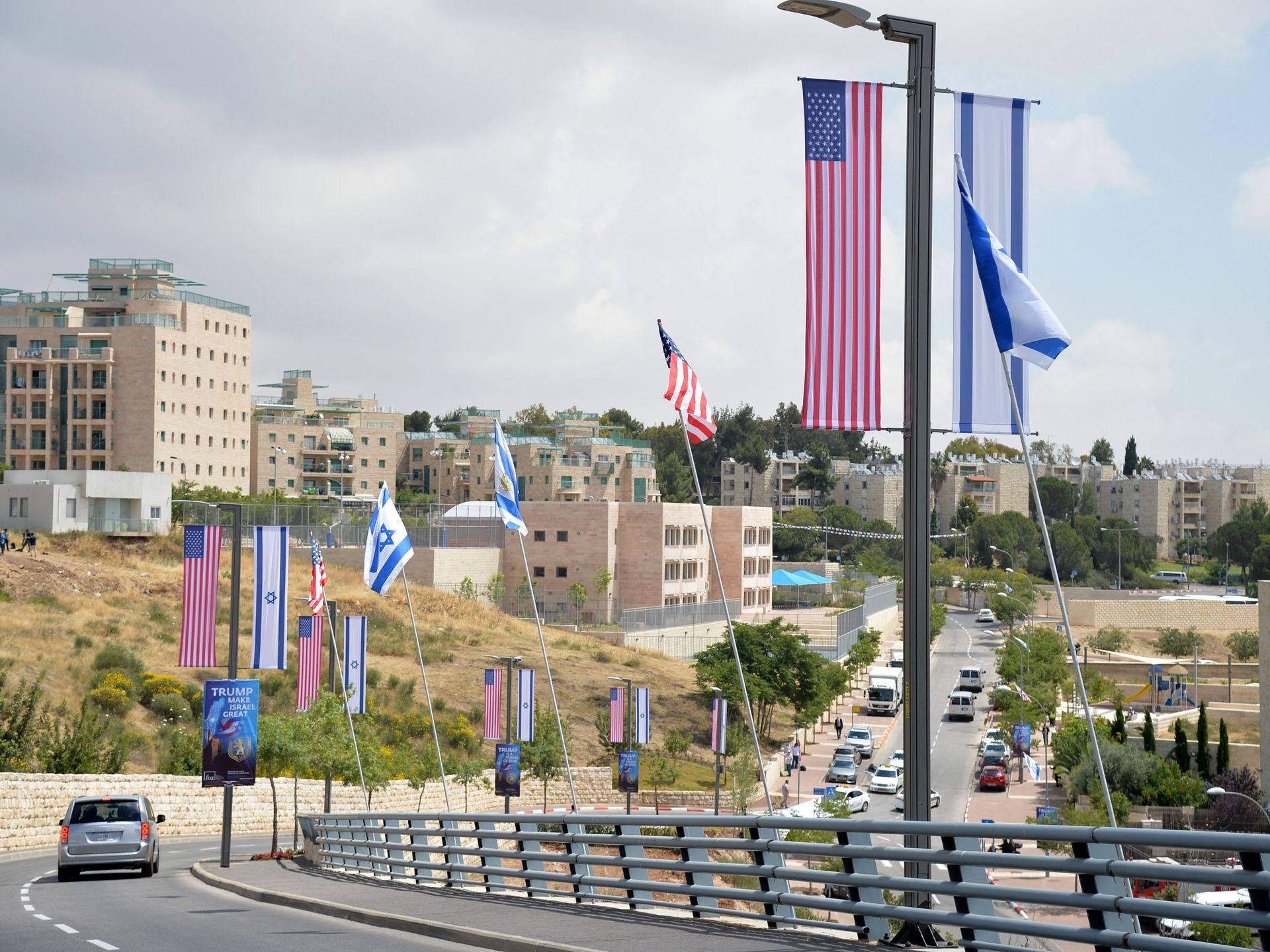
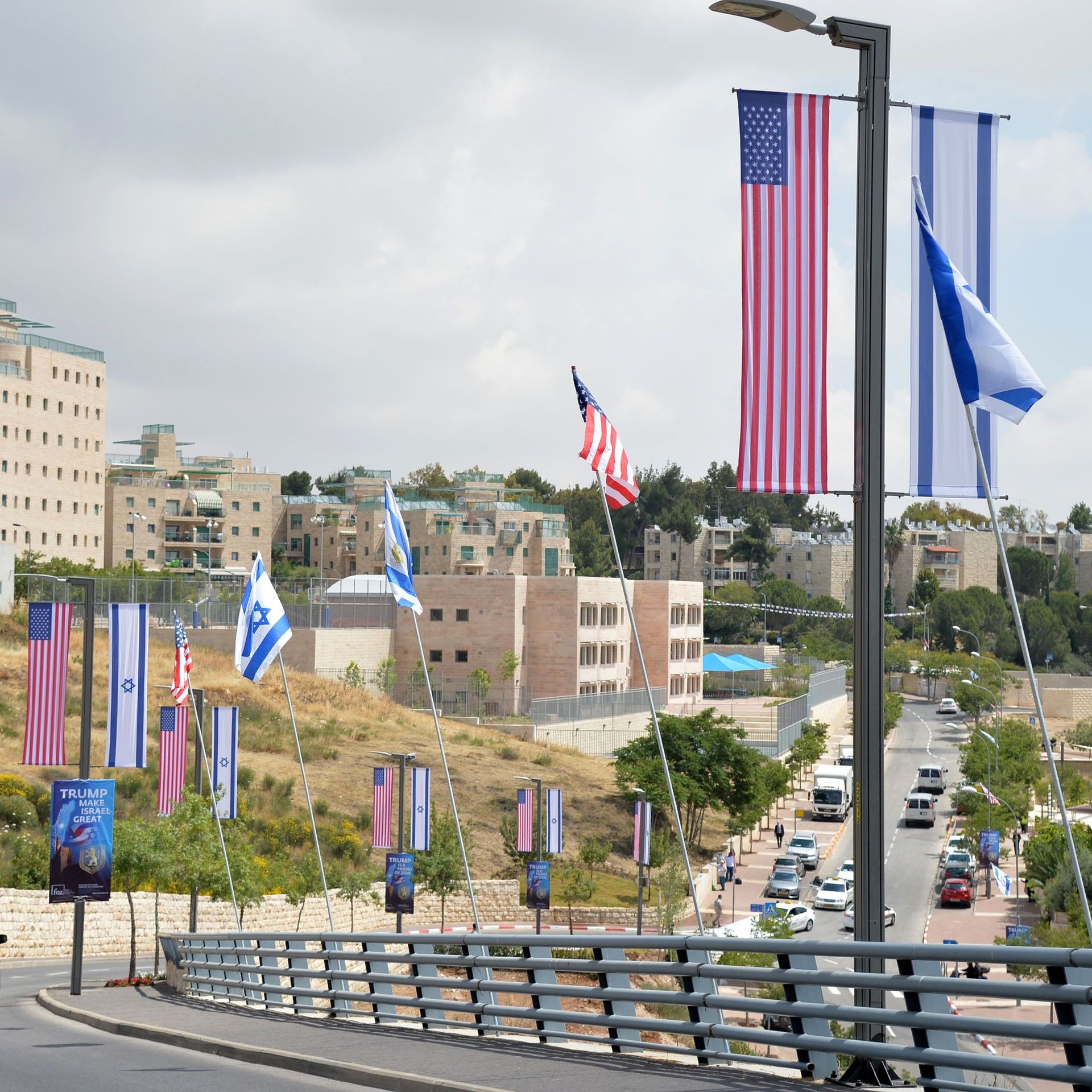
That attitude changed in 2018 following former President Donald Trump's recognition of Jerusalem as the unified capital of Israel, and the subsequent move of the US embassy to the disputed city.
The consulate in East Jerusalem was then merged with the embassy, much to the fury of the Palestinians, who saw it as an indication that Washington was on a path to drop its initial commitment to the two-state solution.
Now, with a new US administration in charge, that attitude is bound to change again, but Hacohen is warning it might have "serious implications" for Israel and the US.
"The support that Washington gives has to be not only physical but also moral," said the former commander, and suggested that the move would damage the American deterrence, something that could potentially lead to the escalation of tensions in the region.
Hacohen is certain that Israel can still avert this intention, especially as the international law stipulates that it is up to the host country, in this case the Jewish state, to grant or deny its final consent.
"All we need to do is to say to the Americans: 'go away'. We don't need their annual assistance [that stands at $3 billion - ed.]. In 1948, during our War of Independence, we didn't have their support, and we can do without them even now. All we need is the help of God."
The only problem is that Israel's political establishment doesn't see eye-to-eye with this approach. Throughout the years, the Jewish state has relied heavily on the US and its military, financial and diplomatic assistance.
But Hacohen says that the issue of Jerusalem might deteriorate the ties between the two states, especially given the fact that Israel's current coalition contains a number of conservative members. And those are likely to object to any moves that could harm Jerusalem's unity.
Prime Minister Naftali Bennett is one of those conservative elements that would like to see Jerusalem united, and this means that as long as he is in power, it will be unlikely for Israel to bend under the pressure of the US.