https://sputnikglobe.com/20211114/three-snow-leopards-die-of-covid-19-complications-in-nebraska-zoo-1090721890.html
Three Snow Leopards Die of COVID-19 Complications in Nebraska Zoo
Three Snow Leopards Die of COVID-19 Complications in Nebraska Zoo
Sputnik International
MOSCOW (Sputnik) - Three snow leopards died at the Lincoln Children's Zoo in the US state of Nebraska due to COVID-19 complications, the zoo's authorities... 14.11.2021, Sputnik International
2021-11-14T08:38+0000
2021-11-14T08:38+0000
2021-11-14T08:59+0000
us
zoo
covid-19
https://cdn.imgsputnikglobe.com/img/101910/08/1019100869_0:112:1300:843_1920x0_80_0_0_de7ac8ee51c8f928a81d195d8bb903df.jpg
"It is with deep sadness that we inform our community that three snow leopards at the Lincoln Children's Zoo have passed away due to complications of COVID-19," a statement released on the zoo's official Facebook page said.The snow leopards named Ranney, Everest and Makalu tested positive for COVID-19 on October 13 together with two Sumatran tigers, Axl and Kumar, that have since recovered from the disease.The Centers for Disease Control and Prevention (CDC) has previously stated that humans can spread COVID-19 to animals, especially if the animals come in close contact with the infected people. Amid warnings that the disease affects animals residing in zoos and sanctuaries, the Lincoln Children's Zoo said that it was taking all precautions necessary to prevent the spread of the virus to humans and animals.Several countries reported to have found minks with positive COVID-19 cases in farms. Amid reports that the virus can easily spread between the animals, Denmark decided last year to cull its entire mink population — up to 17 million — to prevent the virus from mutating. On September 30, Finland announced to be the first country in the European Union to vaccinate minks at fur farms against COVID-19.The CDC notes that more studies need to be conducted to help us understand how the virus affects animals. So far, there is no evidence that animals can spread COVID-19 to people.
Sputnik International
feedback@sputniknews.com
+74956456601
MIA „Rossiya Segodnya“
2021
Sputnik International
feedback@sputniknews.com
+74956456601
MIA „Rossiya Segodnya“
News
en_EN
Sputnik International
feedback@sputniknews.com
+74956456601
MIA „Rossiya Segodnya“
Sputnik International
feedback@sputniknews.com
+74956456601
MIA „Rossiya Segodnya“
us, zoo, covid-19
Three Snow Leopards Die of COVID-19 Complications in Nebraska Zoo
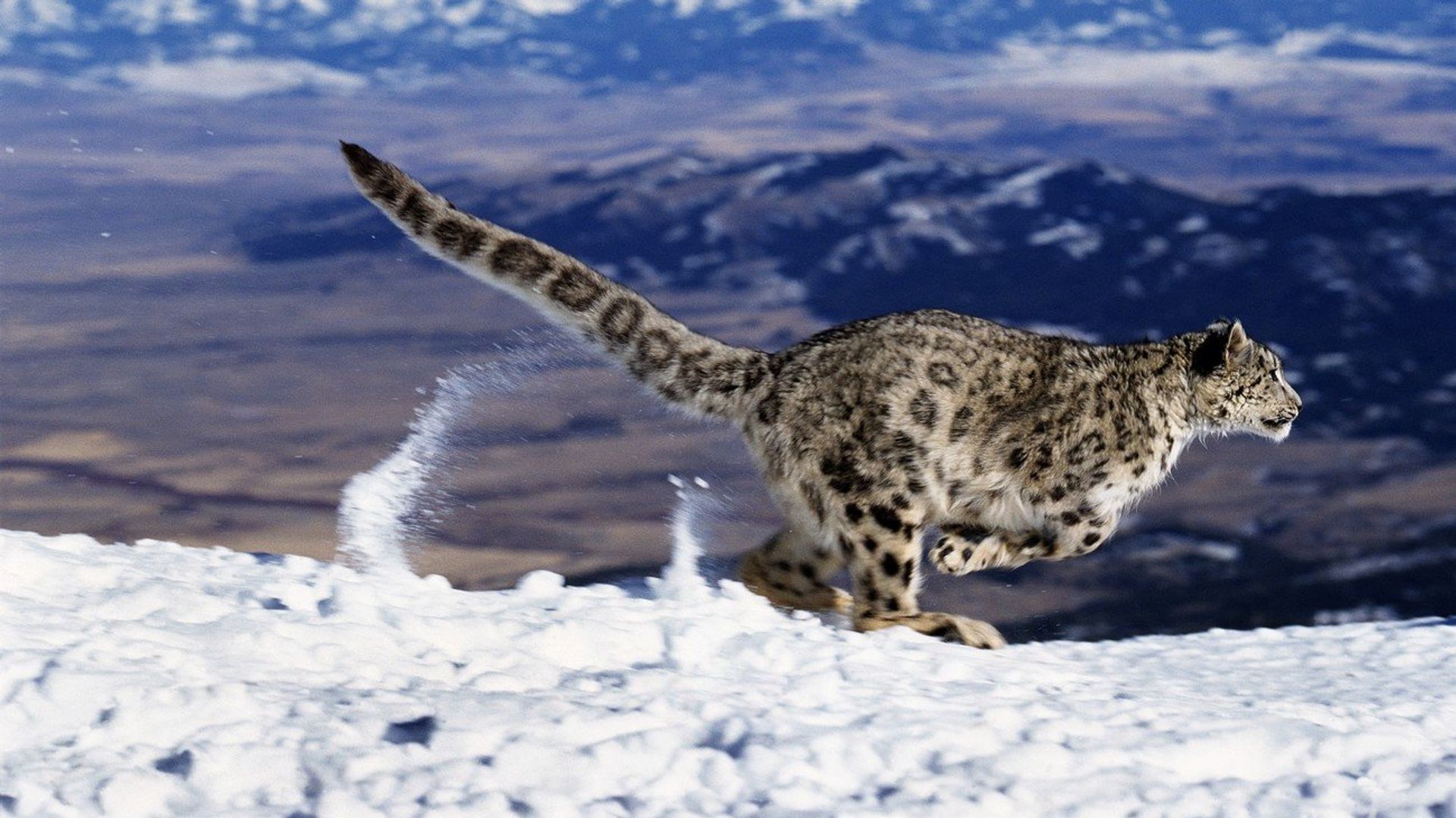
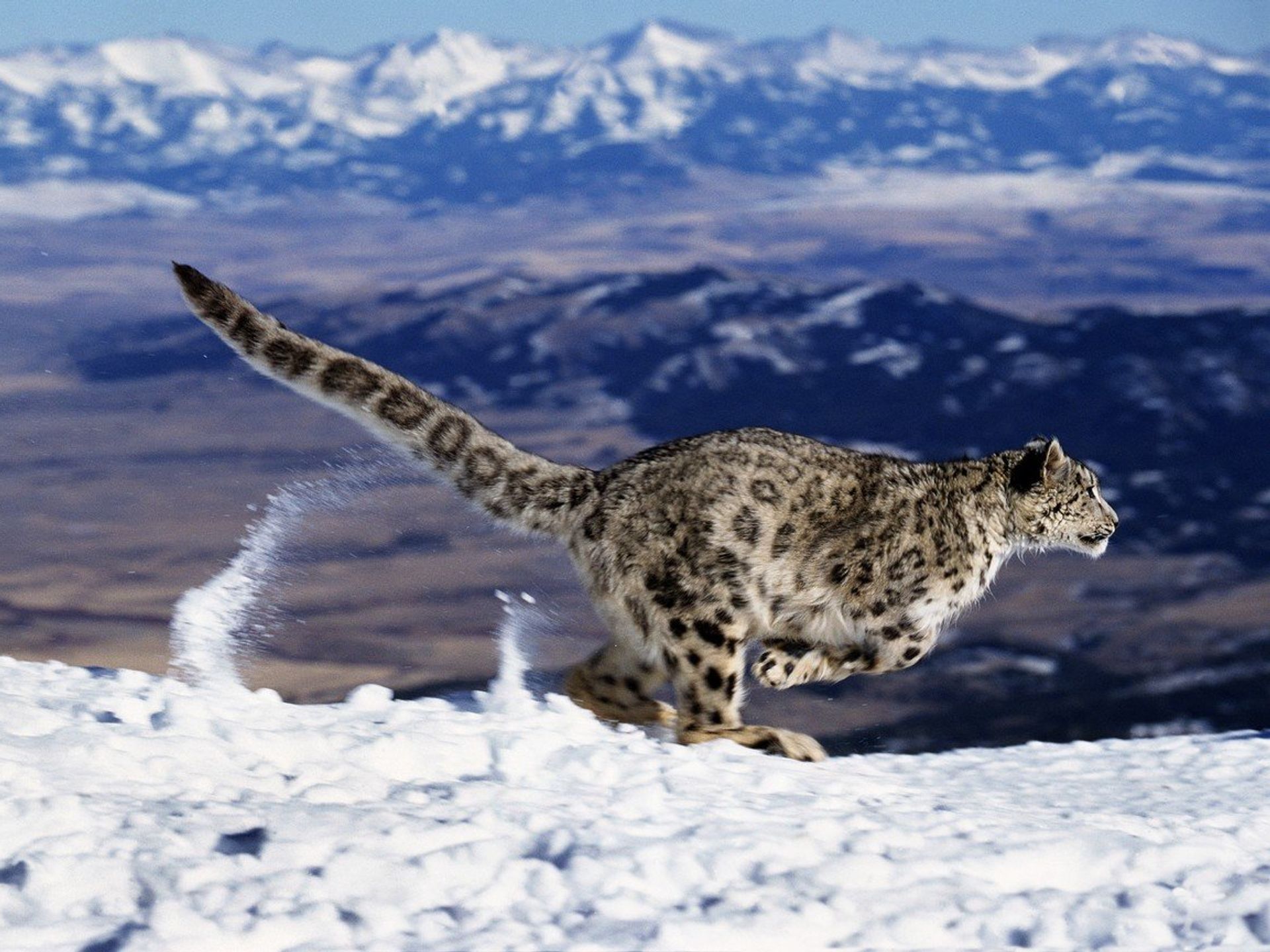
08:38 GMT 14.11.2021 (Updated: 08:59 GMT 14.11.2021) MOSCOW (Sputnik) - Three snow leopards died at the Lincoln Children's Zoo in the US state of Nebraska due to COVID-19 complications, the zoo's authorities said.
"It is with deep sadness that we inform our community that three snow leopards at the Lincoln Children's Zoo have passed away due to complications of COVID-19," a statement released on the zoo's official Facebook page said.
The snow leopards named Ranney, Everest and Makalu tested positive for COVID-19 on October 13 together with two Sumatran tigers, Axl and Kumar, that have since recovered from the disease.
The Centers for Disease Control and Prevention (CDC) has previously stated that humans can spread COVID-19 to animals, especially if the animals come in close contact with the infected people. Amid warnings that the disease affects animals residing in zoos and sanctuaries, the Lincoln Children's Zoo said that it was taking all precautions necessary to prevent the spread of the virus to humans and animals.
Several countries reported to have found minks with positive
COVID-19 cases in farms. Amid reports that the virus can easily spread between the animals, Denmark decided last year to cull its entire mink population — up to 17 million — to prevent the virus from mutating. On September 30, Finland announced to be the first country in the European Union to vaccinate minks at fur farms against COVID-19.
The CDC notes that more studies need to be conducted to help us understand how the virus affects animals. So far, there is no evidence that animals can spread COVID-19 to people.