https://sputnikglobe.com/20211116/nasa-auditor-reveals-us-wont-be-making-lunar-return-for-several-years-1090763297.html
NASA Auditor Reveals US Won't Be Making Lunar Return for 'Several Years'
NASA Auditor Reveals US Won't Be Making Lunar Return for 'Several Years'
Sputnik International
An audit of NASA’s Artemis project suggests that a US return to the moon, ambitiously scheduled for 2024, will not be feasible for several years later, at a... 16.11.2021, Sputnik International
2021-11-16T03:13+0000
2021-11-16T03:13+0000
2023-04-12T16:57+0000
nasa
science & tech
space
https://cdn.imgsputnikglobe.com/img/07e5/05/01/1082782221_0:0:3641:2048_1920x0_80_0_0_ac6be5aca701c6f54cbba56073da9ba5.jpg
The audit reported a shortfall in funding, delays caused by the coronavirus pandemic and an overly optimistic initial 2024 goal as the primary culprits for the delay. The Artemis program is a 2017 initiative intended to reinvigorate the US space program.NASA is projected to spend $93 billion on the project by 2025. The first four launches are projected to cost an estimated $4.1 billion per launch. The audit indicates that without safe and effective cost-cutting advances, the project could stall due to a lack of cash.The series of missions intends to bring people - including the first woman and person of color - to the moon and install technical and infrastructure capability to establish a permanent space station on the celestial body. The mission will see national space agencies and the private sector work together. The grand vision of the Artemis missions is to turn the moon into a waystation for missions to Mars. The series of launches, when initially conceived, planned for missions to be carried out until 2030.The NASA project would bring astronauts and supplies to the moon to construct bases of operation and to study resource deposits. Additionally, areas with sufficient mineral resources would act as places of settlement - resource extraction on-site and fashioning would lessen the economic and technological burden of bringing raw materials to the moon.Another key component to mission success would be the development of a lunar orbital gateway. The gateway would be a solar-powered space station that would act as a communication hub, science laboratory, short-term habitation module and holding area for rovers and other robots.The complexity and cost of these missions will hopefully open new technological and scientific advancements, according to reports. The US-led initiative is open for other nations to join. The Artemis Accords, an international agreement, establish a cooperative framework for the exploration of the moon, Mars, and other nearby celestial objects.
Sputnik International
feedback@sputniknews.com
+74956456601
MIA „Rossiya Segodnya“
2021
News
en_EN
Sputnik International
feedback@sputniknews.com
+74956456601
MIA „Rossiya Segodnya“
Sputnik International
feedback@sputniknews.com
+74956456601
MIA „Rossiya Segodnya“
nasa, science & tech, space
nasa, science & tech, space
NASA Auditor Reveals US Won't Be Making Lunar Return for 'Several Years'
03:13 GMT 16.11.2021 (Updated: 16:57 GMT 12.04.2023) An audit of NASA’s Artemis project suggests that a US return to the moon, ambitiously scheduled for 2024, will not be feasible for several years later, at a minimum.
The audit reported a shortfall in funding, delays caused by the coronavirus pandemic and an overly optimistic initial 2024 goal as the primary culprits for the delay. The Artemis program is a 2017 initiative intended to reinvigorate the US space program.
NASA is projected to spend $93 billion on the project by 2025. The first four launches are projected to cost an estimated $4.1 billion per launch. The audit indicates that without safe and effective cost-cutting advances, the project could stall due to a lack of cash.
The series of missions intends to bring people - including the first woman and person of color - to the moon and install technical and infrastructure capability to establish a permanent space station on the celestial body. The mission will see national space agencies and the private sector work together.
The grand vision of the Artemis missions is to turn the moon into a waystation for missions to Mars. The series of launches, when initially conceived, planned for missions to be carried out until 2030.
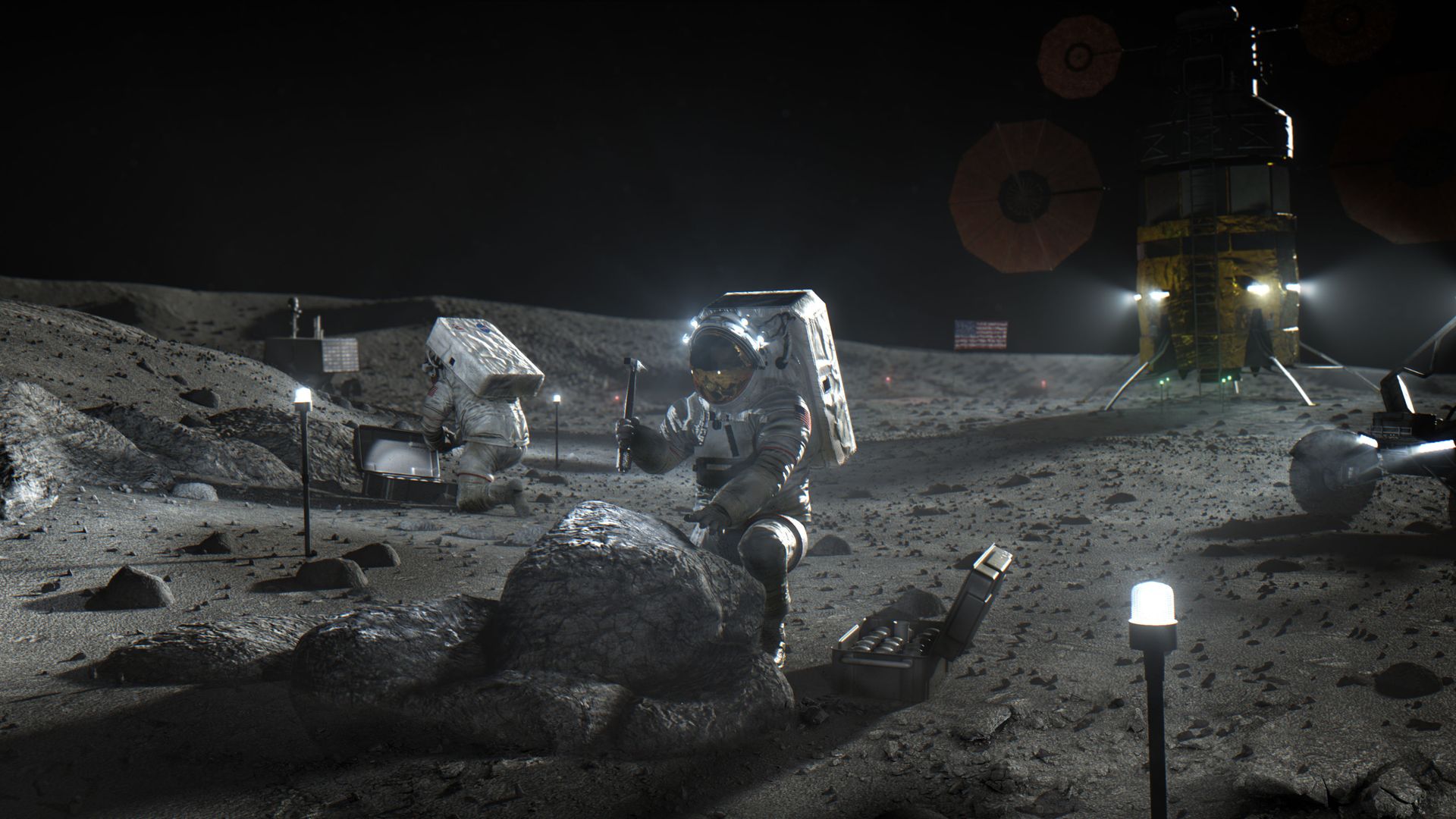
The NASA project would bring astronauts and supplies to the moon to construct bases of operation and to study resource deposits. Additionally, areas with sufficient mineral resources would act as places of settlement - resource extraction on-site and fashioning would lessen the economic and technological burden of bringing raw materials to the moon.
Another key component to mission success would be the development of a lunar orbital gateway. The gateway would be a solar-powered space station that would act as a communication hub, science laboratory, short-term habitation module and holding area for rovers and other robots.
The complexity and cost of these missions will hopefully open new technological and scientific advancements, according to reports. The US-led initiative is open for other nations to join. The Artemis Accords, an international agreement, establish a cooperative framework for the exploration of the moon, Mars, and other nearby celestial objects.