https://sputnikglobe.com/20211118/israel-invests-little-in-its-advocacy-efforts-and-that-will-soon-backfire-ex-diplomat-warns-1090821046.html
Israel Invests Little in Its Advocacy Efforts and That Will Soon Backfire, Ex-Diplomat Warns
Israel Invests Little in Its Advocacy Efforts and That Will Soon Backfire, Ex-Diplomat Warns
Sputnik International
Israel has only poured 0.38 percent of its national budget into matters concerning diplomacy and foreign affairs. This was not only lower than the sum invested... 18.11.2021, Sputnik International
2021-11-18T08:20+0000
2021-11-18T08:20+0000
2021-11-18T08:20+0000
israel
middle east
palestinians
https://cdn1.img.sputnikglobe.com/img/103512/74/1035127408_0:0:5760:3240_1920x0_80_0_0_769d19165f2ae025c7d214ef8209118a.jpg
A week ago, Israeli Ambassador to the UK Tzipi Hotovely was rushed out of an event at the London School of Economics after mobs of pro-Palestinian supporters gathered outside of the building and chanted slogans against her and against the country she represents.For many Israelis, the incident has opened up the wounds of the past and reminded them of 1982, when a number of terrorists attempted to assassinate Israel's Ambassador to London Shlomo Argov, an event that triggered the first Lebanon War. It also reminded the Jewish state of the need to explain its stance to the world.A Lot of Talk, Zero ActionDanny Ayalon, a former Israeli diplomat, who served as a deputy foreign minister, says Israel has always understood the importance of hasbara, Hebrew for public diplomacy, explanation, and advocacy efforts.That policy remained intact until the early 2000s when officials in Jerusalem realised they had a problem. In September of that year, the country was rocked by the Second Intifada, a popular uprising by Palestinians. Israel responded with force to that perceived threat. It didn't care to explain the logic behind its actions, and the world's public opinion raged against Tel Aviv as a result.In the United States, anti-Israeli protests, which were rather uncommon during the 1990s, have since become a regular phenomenon. The Boycott, Divestment, and Sanctions (BDS) movement took off, with campus activities against the Jewish state having grown much stronger.Although some 60 percent of Americans have expressed their support for Israel, polls have also indicated a public warming towards the Palestinians. And Ayalon says this trend can be put down to a number of factors.Not a Top PriorityYet, the lack of a common message is far from being the only factor hampering Israel's advocacy efforts. Another major obstacle is that hasbara was not the Jewish state's top priority, and thus it didn't obtain the necessary funds.In 2014, after "Operation Protective Edge" in the Gaza Strip stirred major anti-Israeli sentiment, it was reported that the Jewish state had invested only 0.38 percent of the nation's budget in foreign affairs.That sum was not only much lower than the funds invested by a number of European states, but it was also significantly slimmer than Turkey, Iran, and even the Palestinians.At the time, it was estimated that the Palestinians invested some $64 million a year on public diplomacy efforts. Israel, on the other hand, poured in just half that amount.Not much has changed since then. In the past couple of years, Israel, which has experienced political instability and four election campaigns, didn't invest much in its hasbara efforts.A portion of the problem stemmed from Israel having always preferred to focus on combating terrorism and saving lives, rather than trying to explain its stance. Another factor is that it has always counted on its economic and technological strength and hoped that it would outweigh the holes in its diplomacy.Now, however, says the former diplomat, Israel will need to reap what it sowed.
israel
Sputnik International
feedback@sputniknews.com
+74956456601
MIA „Rossiya Segodnya“
2021
News
en_EN
Sputnik International
feedback@sputniknews.com
+74956456601
MIA „Rossiya Segodnya“
Sputnik International
feedback@sputniknews.com
+74956456601
MIA „Rossiya Segodnya“
israel, middle east, palestinians
israel, middle east, palestinians
Israel Invests Little in Its Advocacy Efforts and That Will Soon Backfire, Ex-Diplomat Warns
Israel has only poured 0.38 percent of its national budget into matters concerning diplomacy and foreign affairs. This was not only lower than the sum invested by a number of European nations, but also regional players, including Turkey, Iran, and the Palestinians
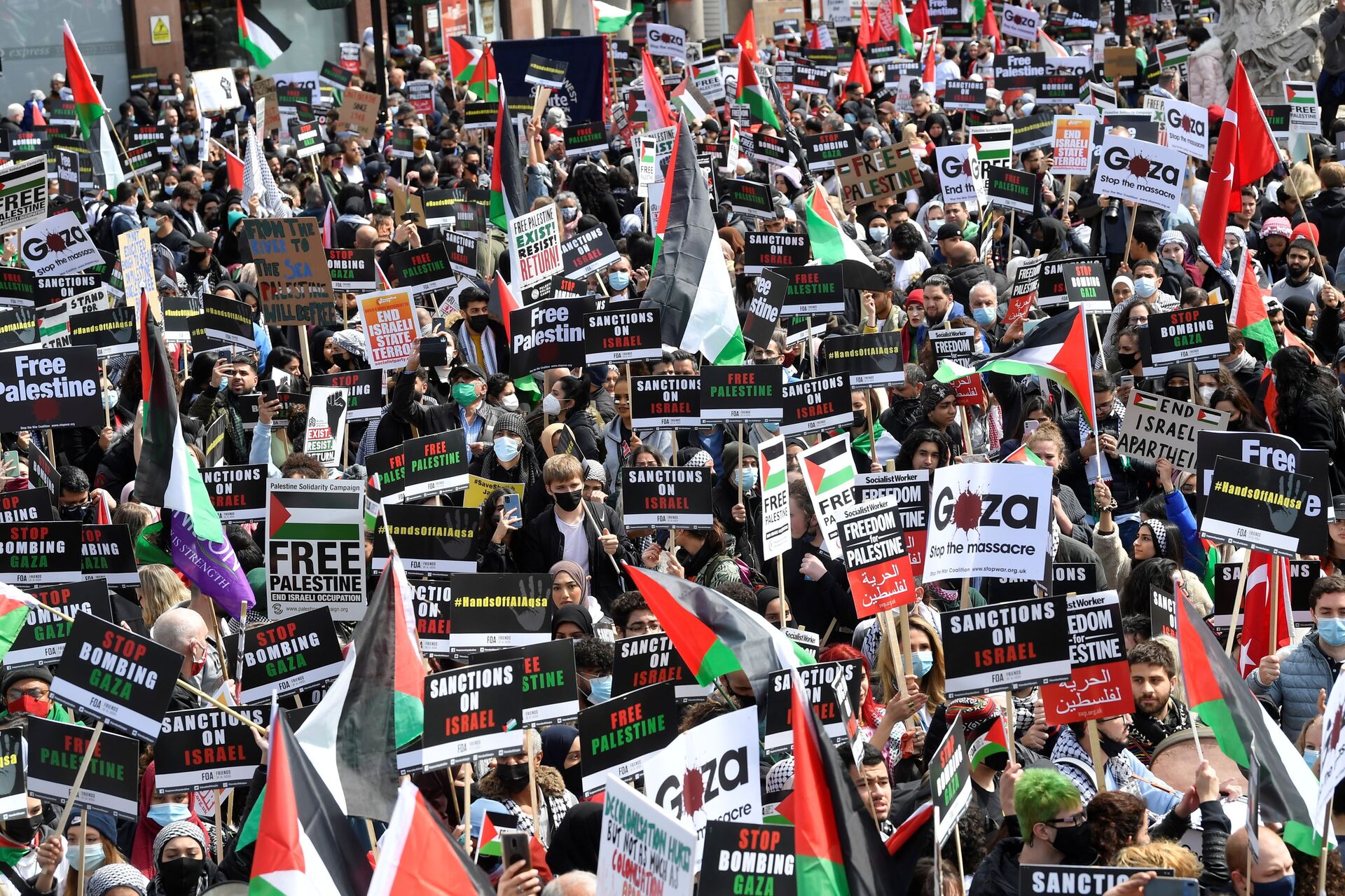
A week ago, Israeli Ambassador to the UK Tzipi Hotovely was rushed out of an event at the London School of Economics after mobs of pro-Palestinian supporters gathered outside of the building and chanted slogans against her and against the country she represents.
For many Israelis, the incident has opened up the wounds of the past and reminded them of 1982, when a number of terrorists attempted to assassinate Israel's Ambassador to London Shlomo Argov, an event that triggered the first Lebanon War. It also reminded the Jewish state of the need to explain its stance to the world.
A Lot of Talk, Zero Action
Danny Ayalon, a former Israeli diplomat, who served as a deputy foreign minister, says Israel has always understood the importance of hasbara, Hebrew for public diplomacy, explanation, and advocacy efforts.
"There has been a lot of talk but not much action. Israel has never thought that explaining itself to the world was important. It never thought that public opinion was a strategic threat".
That policy remained intact until the early 2000s when officials in Jerusalem realised they had a problem. In September of that year, the country was rocked by the Second Intifada, a popular uprising by Palestinians. Israel responded with force to that perceived threat. It didn't care to explain the logic behind its actions, and the world's public opinion raged against Tel Aviv as a result.
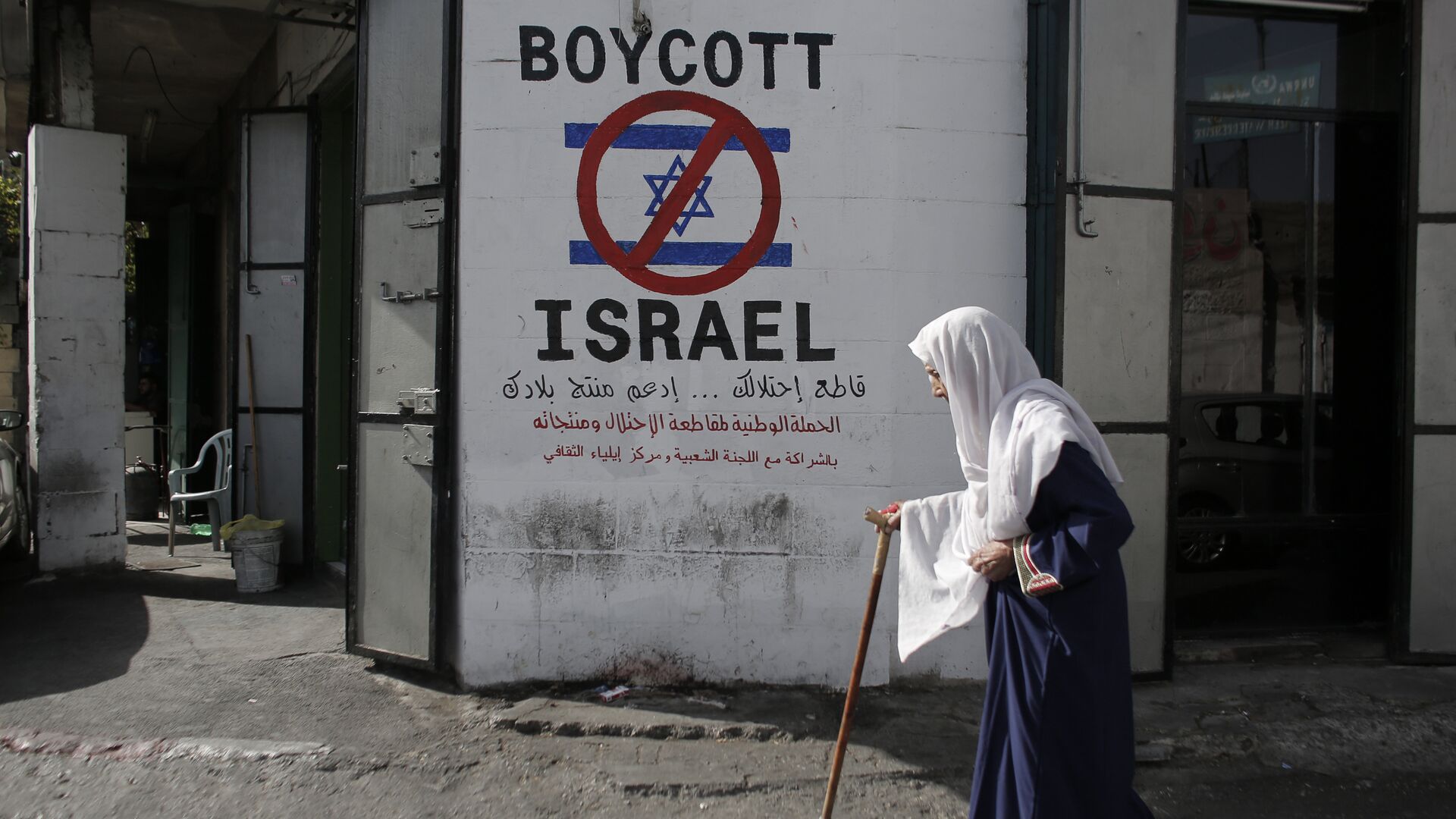
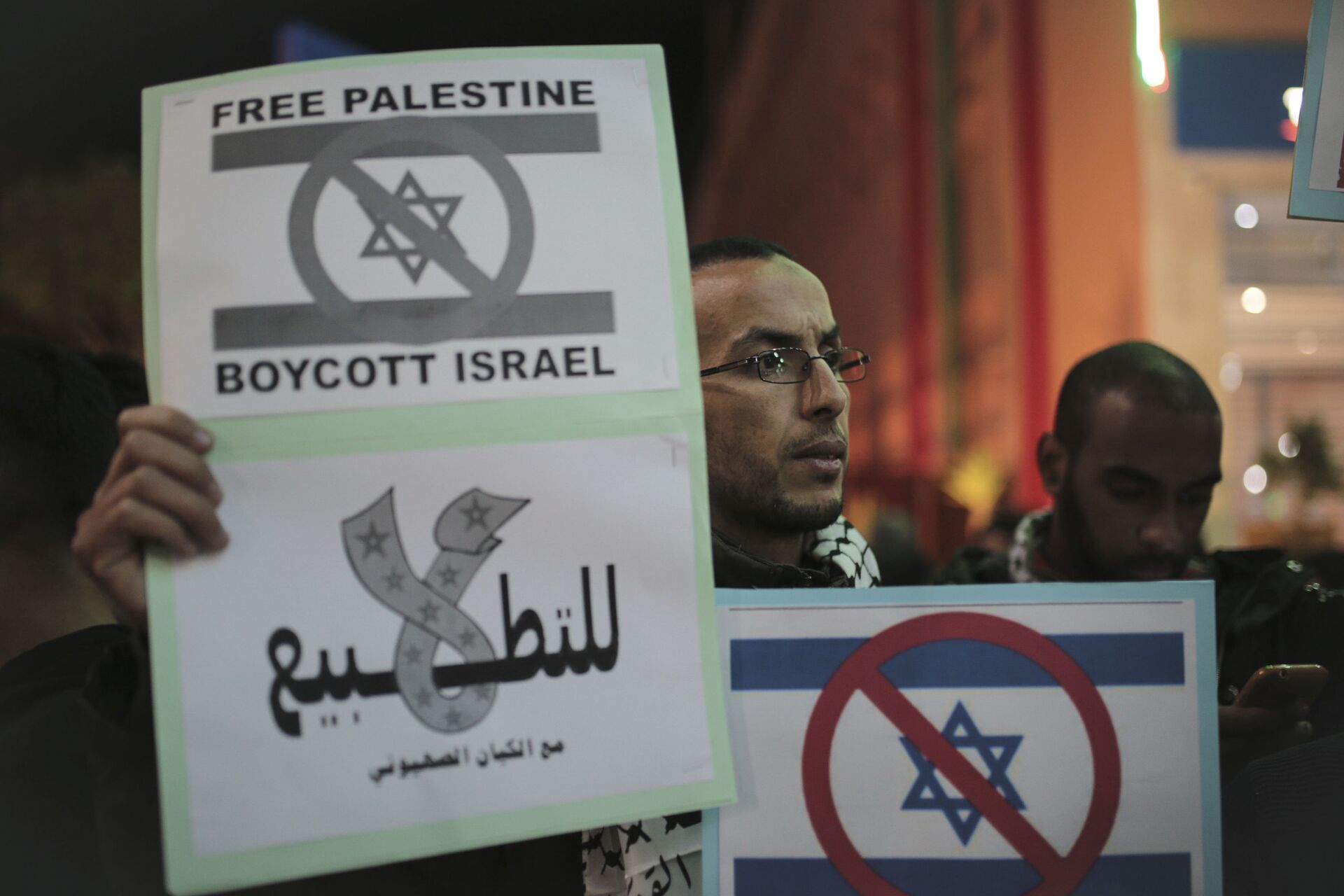
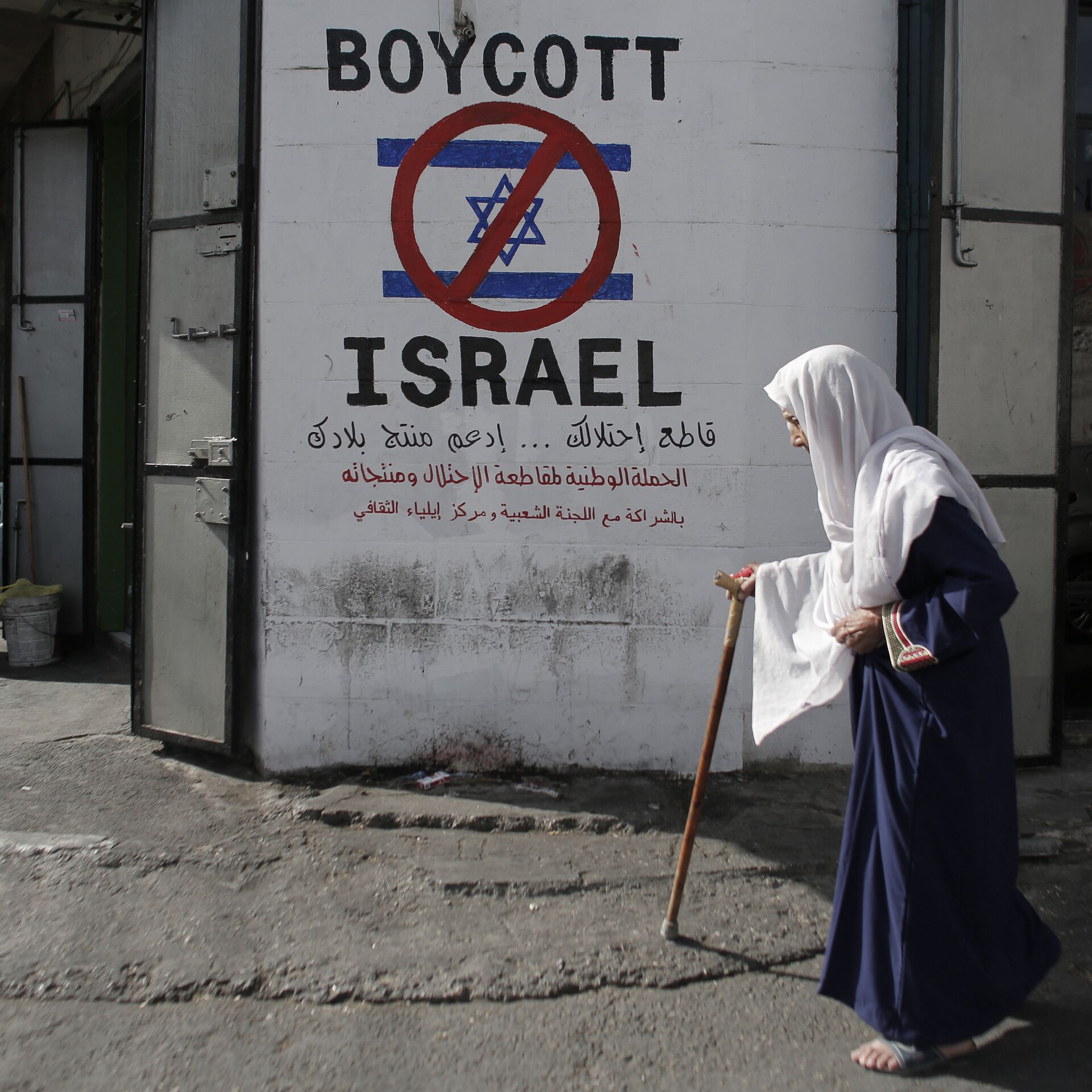
In the United States, anti-Israeli protests, which were rather uncommon during the 1990s, have since become a regular phenomenon. The Boycott, Divestment, and Sanctions (BDS) movement took off, with campus activities against the Jewish state having grown much stronger.
Although some 60 percent of Americans have expressed their support for Israel, polls have also indicated a public
warming towards the Palestinians. And Ayalon says this trend can be put down to a number of factors.
"Israel has a pluralistic political system. We have a noisy opposition and biting press, and this is why Israel doesn't have a common message. The Palestinians do and they keep repeating it. If you add to this the general public tending to tilt towards the underdog, what we get is a losing battle".
Yet, the lack of a common message is far from being the only factor hampering Israel's advocacy efforts. Another major obstacle is that hasbara was not the Jewish state's top priority, and thus it didn't obtain the necessary funds.
In 2014, after "Operation Protective Edge" in the Gaza Strip stirred major anti-Israeli sentiment, it was reported that the Jewish state had invested only 0.38 percent of the nation's budget in foreign affairs.
That sum was not only much lower than the funds invested by a number of European states, but it was also significantly slimmer than Turkey, Iran, and even the Palestinians.
At the time, it was estimated that the
Palestinians invested some $64 million a year on public diplomacy efforts. Israel, on the other hand, poured in just half that amount.
Not much has changed since then. In the past couple of years, Israel, which has experienced political instability and four election campaigns, didn't invest much in its hasbara efforts.
A portion of the problem stemmed from Israel having always preferred to focus on combating terrorism and saving lives, rather than trying to explain its stance. Another factor is that it has always counted on its economic and technological strength and hoped that it would outweigh the holes in its diplomacy.
"Officials thought that the country could rely on the IDF and its PR efforts. All we needed to do was to give up on purchasing one F-35 fighter jet to secure the necessary funds. But the Foreign Ministry has always been in the trenches here and we haven't learned from past mistakes".
Now, however, says the former diplomat, Israel will need to reap what it sowed.
"This approach will come to bite us in the future because the students of today, those same students whose opinions we are ignoring now, will become the leaders of tomorrow. The way it stands now, Israel doesn't seem to be changing its stance. But maybe in the future, when they see that public opinion affects government, officials in Jerusalem will wake up".