Dominic Raab Says UK Victims May Get Right to Block Release of Killers Like Colin Pitchfork
10:19 GMT 23.11.2021 (Updated: 15:24 GMT 28.05.2023)
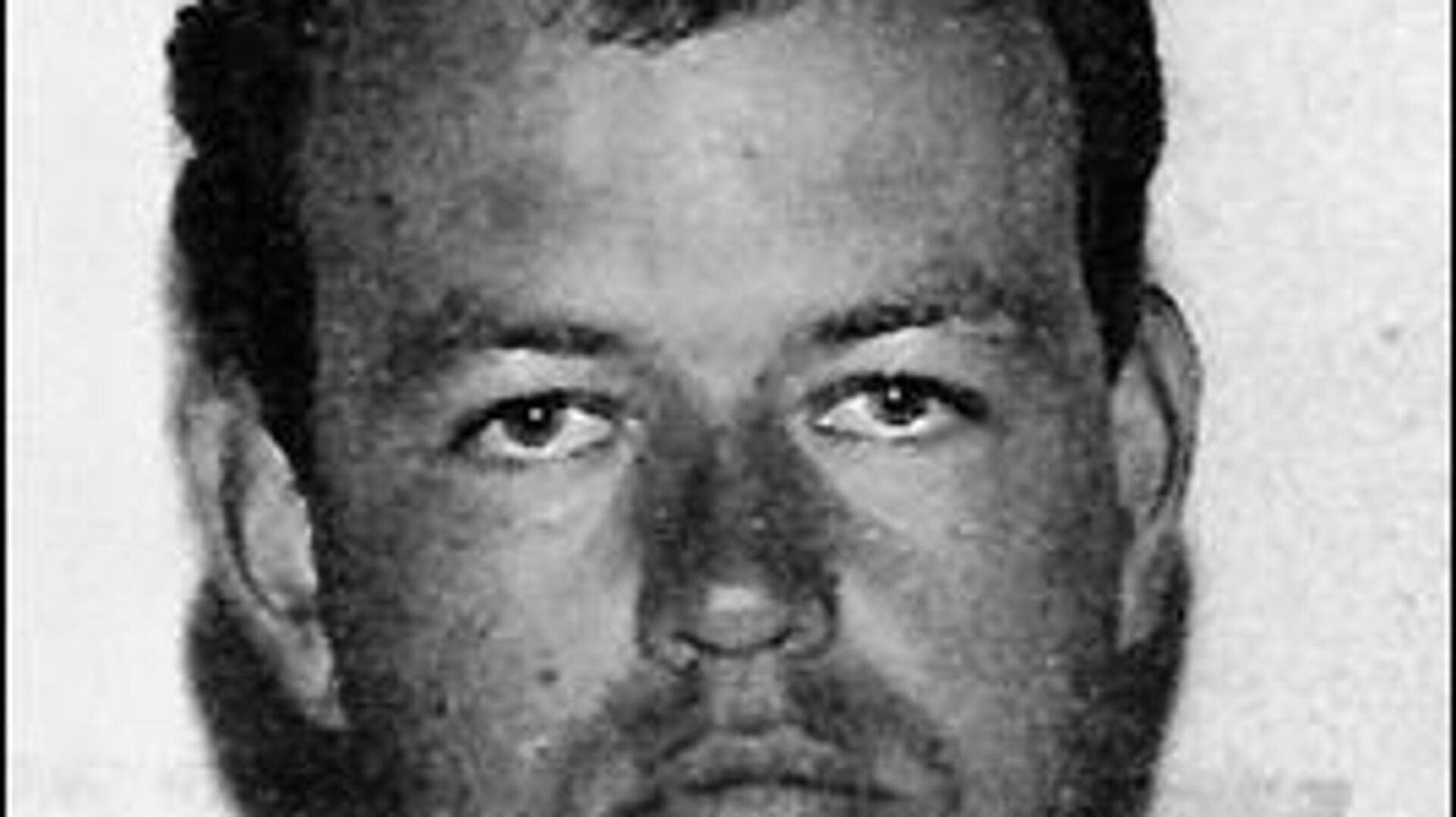
© Photo : Leicestershire Police
Subscribe
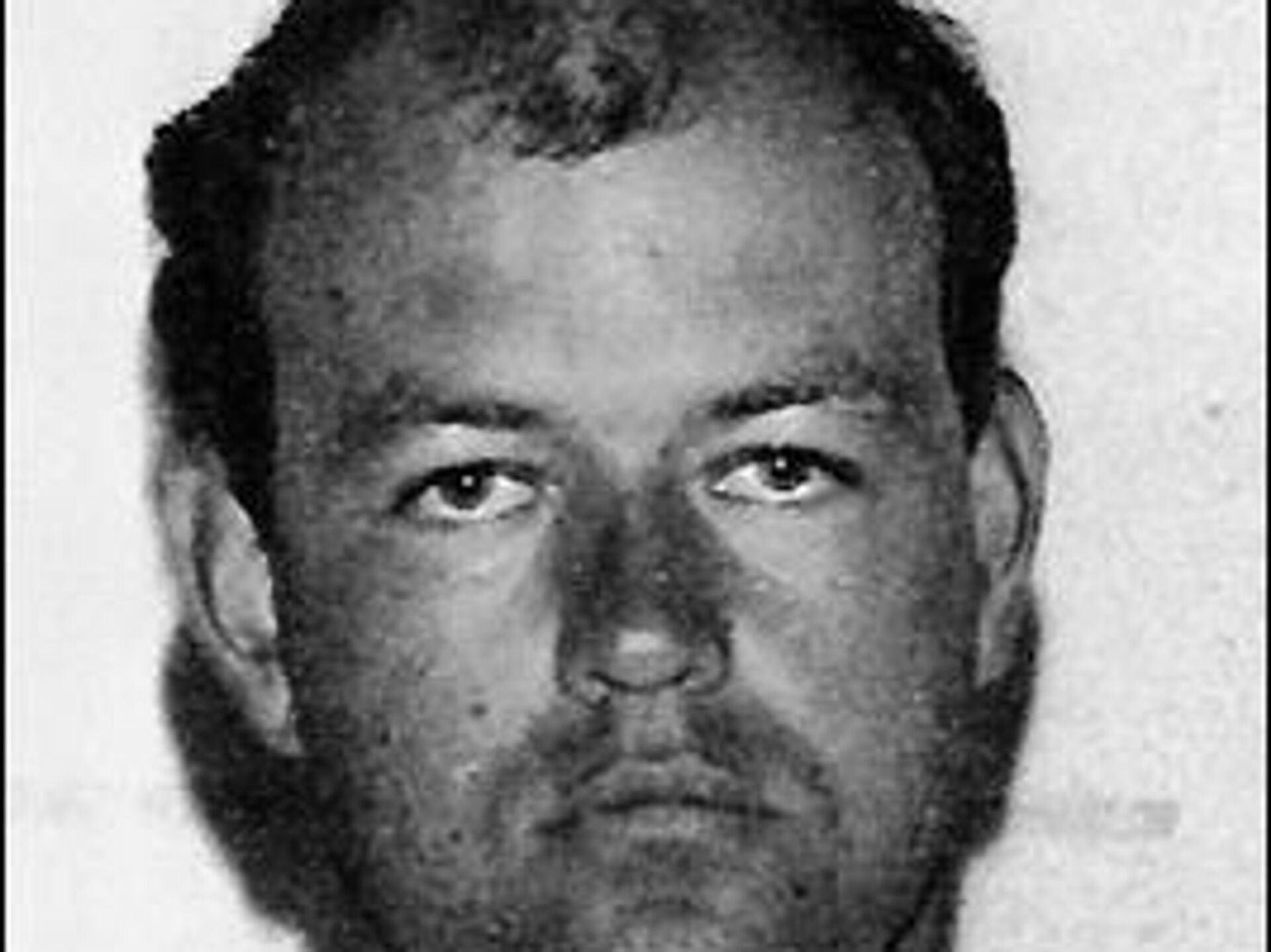
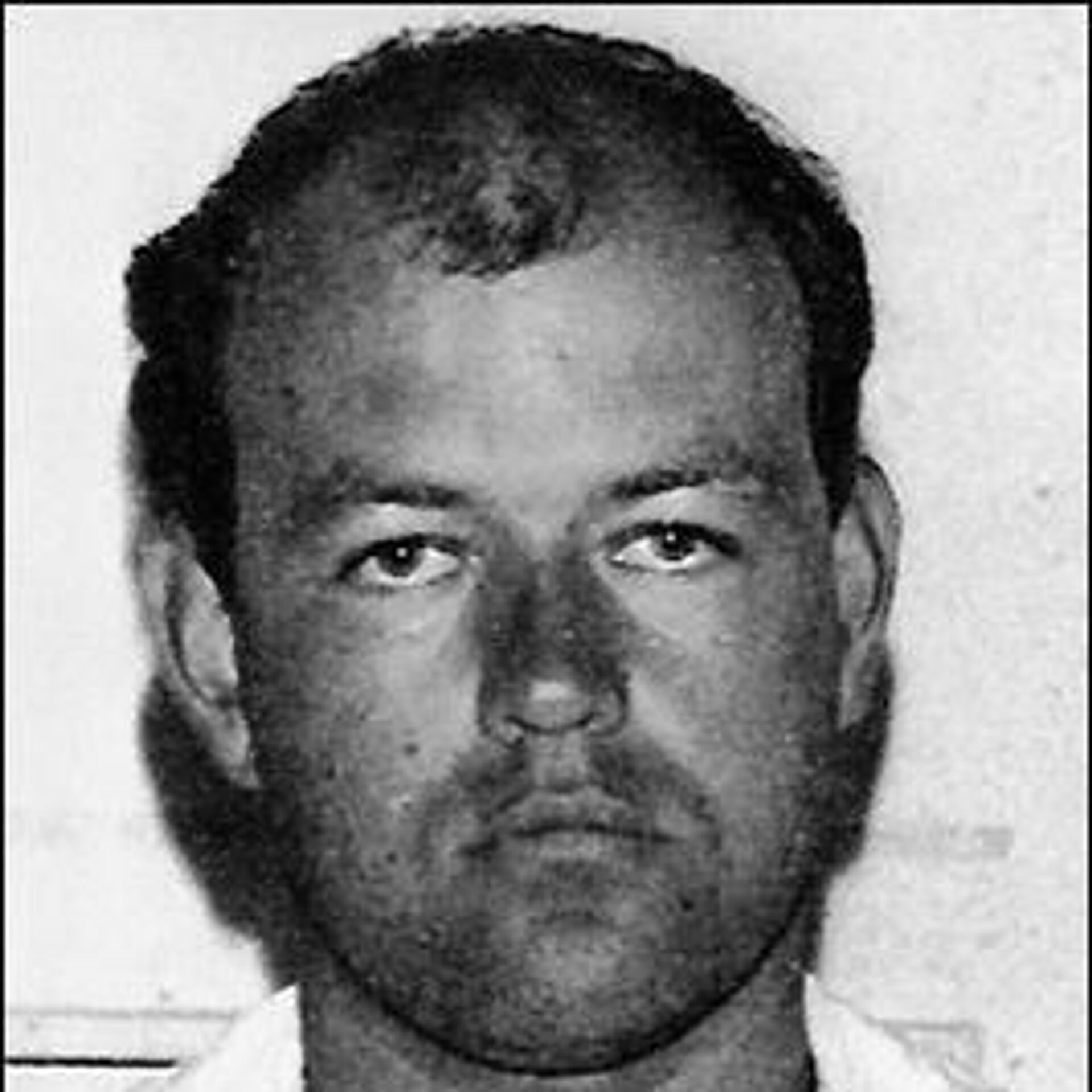
In 1988, Colin Pitchfork was jailed for life for raping and murdering two schoolgirls in Leicestershire. Pitchfork was released in September despite an uproar but was recalled to prison this week after breaking the terms of his licence.
UK Justice Secretary Dominic Raab has said he is considering new measures which could give the families of murder victims the right to challenge the release of killers from British prisons.
It follows the case of Colin Pitchfork, who was freed from an English prison after the Parole Board ruled he was no longer a threat to society.
Pitchfork was in his 20s when he raped and strangled Lynda Mann, 15, in Leicestershire in 1983 and three years later struck again, killing another schoolgirl, Dawn Ashworth.
Take whatever keys are used for Colin Pitchfork’s new cell - and throw them where gullible probation officers can never use them to free this monster again. 👇👇 pic.twitter.com/sdIzMAvUps
— Piers Morgan (@piersmorgan) November 22, 2021
Pitchfork, who was the first murderer to be identified and convicted on the basis of DNA evidence, was jailed for life and the then Lord Chief Justice, Lord Lane, said: “From the point of view of the safety of the public I doubt if he should ever be released.”
Two months after he was released, he was recalled to prison this week after breaking the terms of his parole.
The Leicester Mercury reported Pitchfork, 61, had “approached young women…and tried to establish a connection with them” on the streets near his bail hostel which is an unspecified location.
A government source told the Daily Telegraph: “The Justice Secretary is looking closely at proposals. He thinks the Parole Board is adrift from its core focus and that the risk to the public must trump all other considerations.”
At the moment, the Parole Board is duty bound to consider the views of the families of victims but only as part of their overall decision about whether an inmate is safe to release.
At the time of Pickfork’s release, Barbara Ashworth, the mother of one of his victims said: “I don’t think he should be breathing the same air as us. It goes without saying that life should have meant life in his case.”
In 1988, the then Home Secretary, Douglas Hurd, set a minimum tariff for Pitchfork of 30 years, which was reduced on appeal to 28 years.
Hugely disappointing to see this statement from the Parole Board today on Colin Pitchfork’s recall to prison.
— Alberto Costa MP (@AlbertoCostaMP) November 22, 2021
Very little accountability or contrition on display considering their flawed decision released a convicted child-killer who was then recalled after only two months. pic.twitter.com/SVGFmWQ8Bp
Pitchfork has been applying for parole since 2016 but it was only this year that the authorities deemed him no longer a risk to the public.
The Parole Board is currently undergoing a comprehensive review, which was initiated by Raab’s predecessor, Robert Buckland, after they decided to release John Worboys, the London cabbie who had been convicted of multiple rapes.
It is thought that in the wake of the review prisoners could be kept behind bars on safety grounds even if the Parole Board considers them no longer a threat to the public.
It remains to be seen if that could be legally challenged in the courts.