https://sputnikglobe.com/20211206/boost-for-britain-is-the-uks-covid-19-third-jab-campaign-saving-lives-1091289488.html
Boost for Britain! Is the UK’s COVID-19 Third Jab Campaign Saving Lives?
Boost for Britain! Is the UK’s COVID-19 Third Jab Campaign Saving Lives?
Sputnik International
The spread of the new, more-transmissible, yet apparently less virulent, Omicron variant across the globe has raised fears of “breakthrough infections” and a... 06.12.2021, Sputnik International
2021-12-06T15:56+0000
2021-12-06T15:56+0000
2021-12-06T15:56+0000
boris johnson
vaccination
lockdown
vaccines
vaccine hesitancy
coronavirus
covid-19
omicron covid strain
https://cdn.imgsputnikglobe.com/img/07e5/0c/06/1091289183_0:0:3051:1716_1920x0_80_0_0_4baf730d6dca42d2014b6464042d3c7d.jpg
More than 20 million UK residents have had their third dose of the COVID-19 vaccine — but is it driving down mortality rates as promised?British Prime Minister Boris Johnson hailed the latest milestone in the immunisation campaign in a tweet on Monday, urging all adults to have their booster jab when their turn comes.The PM has previously insisted that the third shots are vital in combatting the new, more-transmissible Omicron variant now present in the UK.Official figures appear to back BoJo's faith in boosters — although every scientist knows correlation does not equate to causation.According to the latest data from Public Health England, the average daily number of deaths peaked at 172.9 on 31 October, when just over eight million had received their boosters. Allowing for the two-week lag time for the vaccine to provoke immunity, only the four million who had their third shot as of 17 October could arguably be considered boosted by that dateBut by 26 November, when the number of booster jabs had topped 17 million — 12 million more than 14 days earlier — daily mortality had fallen to 116.3, a drop of one-third. That decline has continued trending down to around 100 per day since then, even as the daily number of cases has soared to an average of 46,000.The government identified 15 million people as most at risk from the deadly coronavirus strain at the start of its vaccination drive at the start of this year: over-65s, those with "co-morbid" conditions such as diabetes, obesity, and high blood pressure, those whose bodily immune system is weak, and front-line healthcare workers.The 15-million mark for booster jabs was hit on 20 November, more than two weeks ago.Some vaccine hesitancy still exists, however, with at least five percent of over-65s still not receiving even their first dose.That has led to calls for mandatory vaccination — which the government has so far resisted.While the AstraZeneca-Oxford jab was the workhorse of the main immunisation campaign, the National Health Service (NHS) is now using the more-expensive Pfizer and Moderna vaccines for boosters except in patients who cannot have them for medical reasons.While trial data shows they are marginally more effective than the Oxford jab, their experimental mRNA vector technology and reports of serious side-effects has raised concerns in some quarters.Johnson boasted on Monday that the UK had secured orders of 114 million doses of Pfizer and Moderna over the next two years — indicating everyone over 12 years of age would be called for boosters in 2022 and 2023.And the PM claimed those vaccines could be retrospectively "edited" to induce immunity against future COVID variants.
https://sputnikglobe.com/20211203/top-indian-genome-scientists-recommend-covid-booster-dose-for-over-40s-in-omicron-scare-1091220526.html
Sputnik International
feedback@sputniknews.com
+74956456601
MIA „Rossiya Segodnya“
2021
James Tweedie
https://cdn.imgsputnikglobe.com/img/07e4/08/1c/1080307270_0:3:397:400_100x100_80_0_0_7777393b9b18802f2e3c5eaa9cbcc612.png
James Tweedie
https://cdn.imgsputnikglobe.com/img/07e4/08/1c/1080307270_0:3:397:400_100x100_80_0_0_7777393b9b18802f2e3c5eaa9cbcc612.png
News
en_EN
Sputnik International
feedback@sputniknews.com
+74956456601
MIA „Rossiya Segodnya“
Sputnik International
feedback@sputniknews.com
+74956456601
MIA „Rossiya Segodnya“
James Tweedie
https://cdn.imgsputnikglobe.com/img/07e4/08/1c/1080307270_0:3:397:400_100x100_80_0_0_7777393b9b18802f2e3c5eaa9cbcc612.png
boris johnson, vaccination, lockdown, vaccines, vaccine hesitancy, coronavirus, covid-19
boris johnson, vaccination, lockdown, vaccines, vaccine hesitancy, coronavirus, covid-19
Boost for Britain! Is the UK’s COVID-19 Third Jab Campaign Saving Lives?
The spread of the new, more-transmissible, yet apparently less virulent, Omicron variant across the globe has raised fears of “breakthrough infections” and a huge fourth wave of COVID-19 over the northern hemisphere winter.
More than 20 million UK residents have had their third dose of the COVID-19 vaccine — but is it driving down mortality rates as promised?
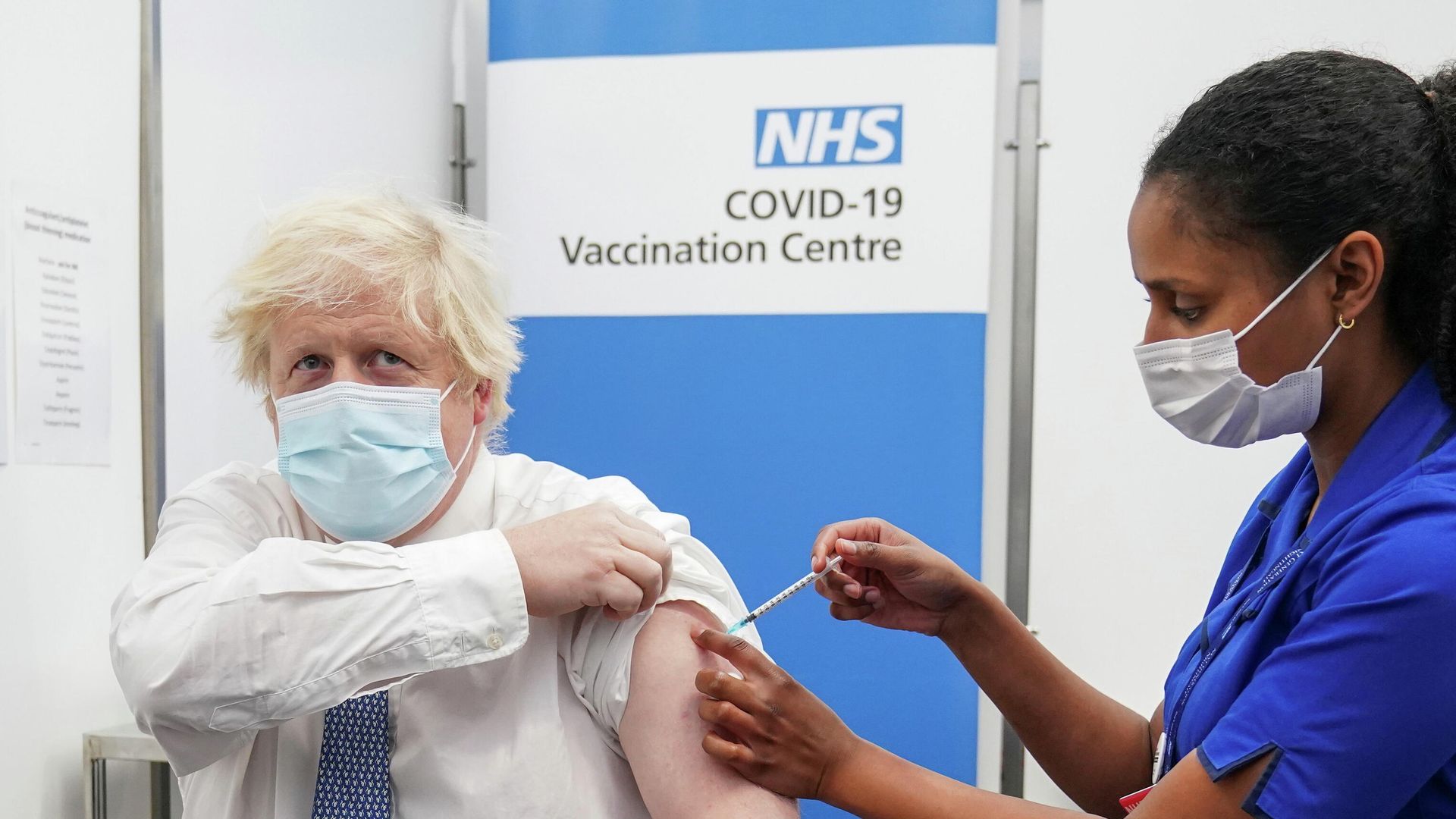
British Prime Minister Boris Johnson hailed the latest milestone in the immunisation campaign in a tweet on Monday, urging all adults to have their
booster jab when their turn comes.
The PM has previously insisted that the third shots are vital in combatting the new, more-transmissible
Omicron variant now present in the UK.
"The virus doesn't wait, and neither should you", Johnson stressed. "It will save lives".
Official figures appear to back BoJo's faith in boosters — although every scientist knows correlation does not equate to causation.
According to the latest data from
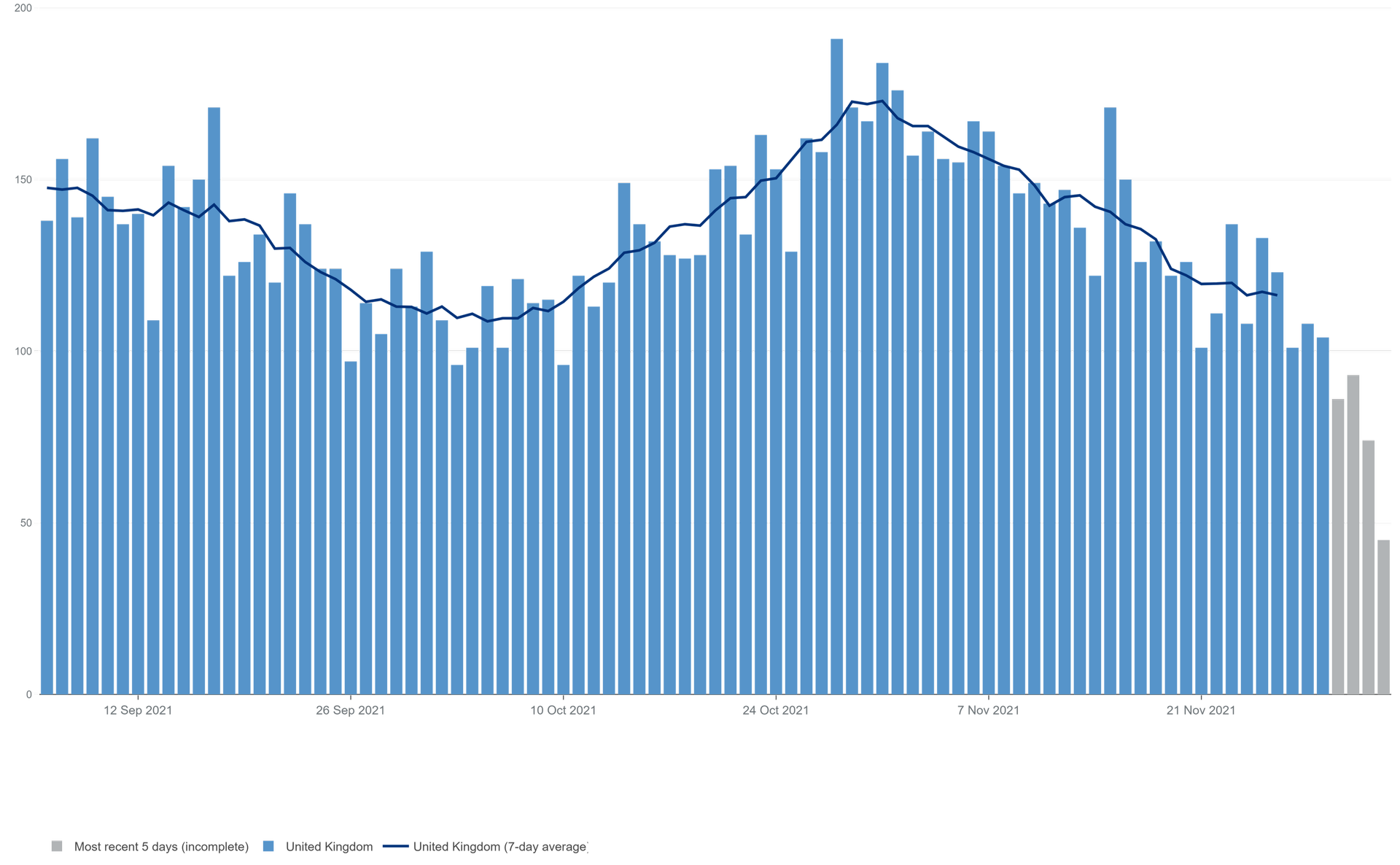
Public Health England, the average daily number of deaths peaked at 172.9 on 31 October, when just over eight million had received their boosters.
Allowing for the two-week lag time for the vaccine to provoke immunity, only the four million who had their third shot as of 17 October could arguably be considered boosted by that date
But by 26 November, when the number of booster jabs had topped 17 million — 12 million more than 14 days earlier — daily mortality had fallen to 116.3, a drop of one-third.
That decline has continued trending down to around 100 per day since then, even as the daily number of cases has soared to an average of 46,000.
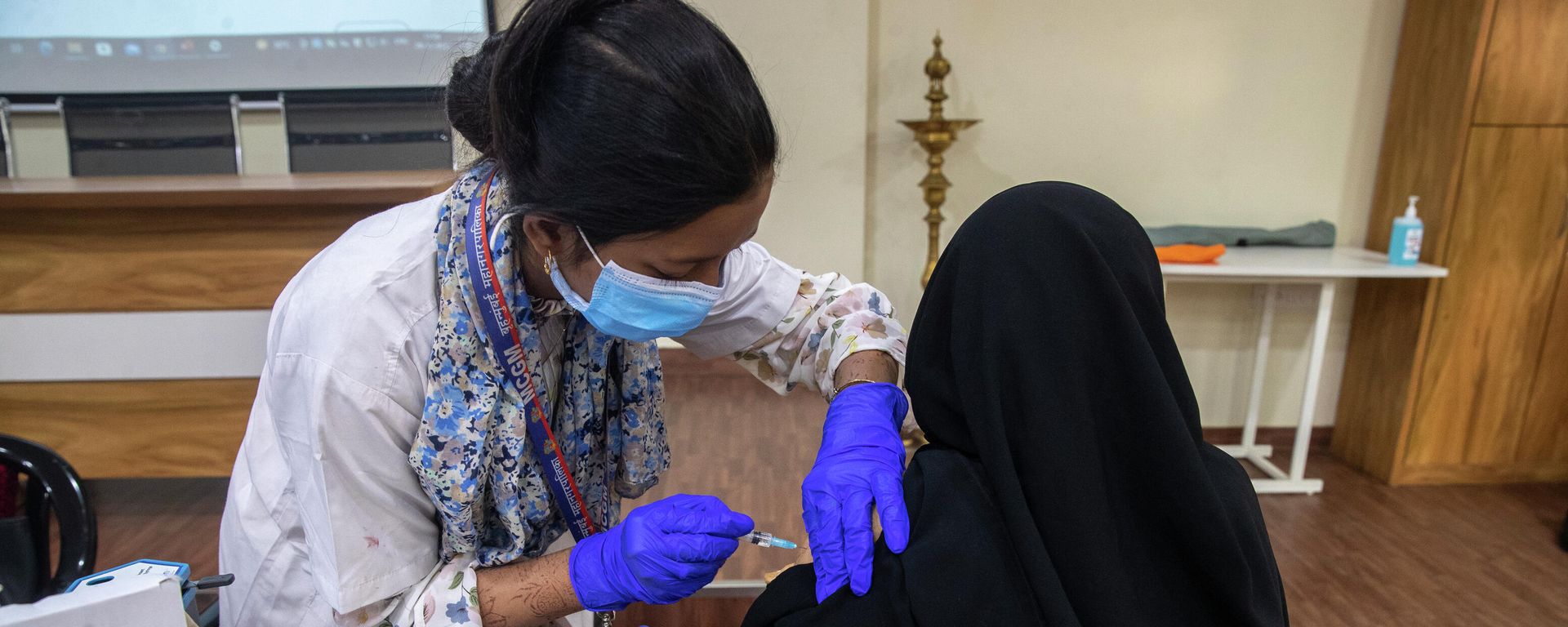
3 December 2021, 12:04 GMT
The government identified 15 million people as most at risk from the deadly coronavirus strain at the start of its vaccination drive at the start of this year: over-65s, those with "co-morbid" conditions such as diabetes, obesity, and high blood pressure, those whose bodily immune system is weak, and front-line healthcare workers.
The 15-million mark for booster jabs was hit on 20 November, more than two weeks ago.
Some vaccine hesitancy still exists, however, with at least five percent of over-65s still not receiving even their first dose.
That has led to calls for mandatory vaccination — which the government has
so far resisted.
While the AstraZeneca-Oxford jab was the workhorse of the main immunisation campaign, the National Health Service (NHS) is now using the more-expensive Pfizer and Moderna vaccines for boosters except in patients who cannot have them for medical reasons.
While trial data shows they are marginally more effective than the Oxford jab, their experimental mRNA vector technology and reports of serious side-effects has raised concerns in some quarters.
Johnson boasted on Monday that the UK had secured orders of 114 million doses of Pfizer and Moderna over the next two years — indicating everyone over 12 years of age would be called for boosters in 2022 and 2023.
And the PM claimed those vaccines could be retrospectively "edited" to induce immunity against future COVID variants.