https://sputnikglobe.com/20211224/israeli-foreign-minister-suggests-contingency-plan-if-vienna-talks-fail-1091774999.html
Israeli Foreign Minister Suggests Contingency Plan If Vienna Talks Fail
Israeli Foreign Minister Suggests Contingency Plan If Vienna Talks Fail
Sputnik International
A contingency plan to deal with the failure of negotiations to re-establish the Joint Comprehensive Plan of Action
2021-12-24T11:41+0000
2021-12-24T11:41+0000
2021-12-24T11:41+0000
israel
iran
joint comprehensive plan of action (jcpoa)
https://cdn.imgsputnikglobe.com/img/07e5/06/13/1083190728_0:198:2048:1350_1920x0_80_0_0_7b84ec9859f8022634115432a72115e6.jpg
Vienna talks on the Iranian nuclear deal will resume on 27 December.According to Lapid, the plan should entail tougher economic sanctions, as well as political and diplomatic isolation of Iran. According to the minister, Iran must recognize that a new alliance has formed in the region, which opposes alleged terrorism of Iran and is interested in the well-being of all peoples.The seventh round of Vienna talks on bringing Iran back to the nuclear deal and cancelling US sanctions ended on 17 December. The parties agreed on two drafts of the deal, which included Iranian interests.The JCPOA was concluded by P5 (the United Kingdom, Russia, France, China and the United States) plus Germany and Iran in 2015 in an attempt to slow the development of the Iranian nuclear program. The deal proposed lifting sanctions from Iran in exchange for nuclear development restrictions. In 2018, former US President Donald Trump made the decision to unilaterally withdraw from the deal and impose stricter sanctions on Iran. Iran responded with a gradual withdrawal from obligations imposed by the JCPOA and continued its nuclear program.
israel
iran
Sputnik International
feedback@sputniknews.com
+74956456601
MIA „Rossiya Segodnya“
2021
Sputnik International
feedback@sputniknews.com
+74956456601
MIA „Rossiya Segodnya“
News
en_EN
Sputnik International
feedback@sputniknews.com
+74956456601
MIA „Rossiya Segodnya“
Sputnik International
feedback@sputniknews.com
+74956456601
MIA „Rossiya Segodnya“
joint comprehensive plan of action
joint comprehensive plan of action
Israeli Foreign Minister Suggests Contingency Plan If Vienna Talks Fail
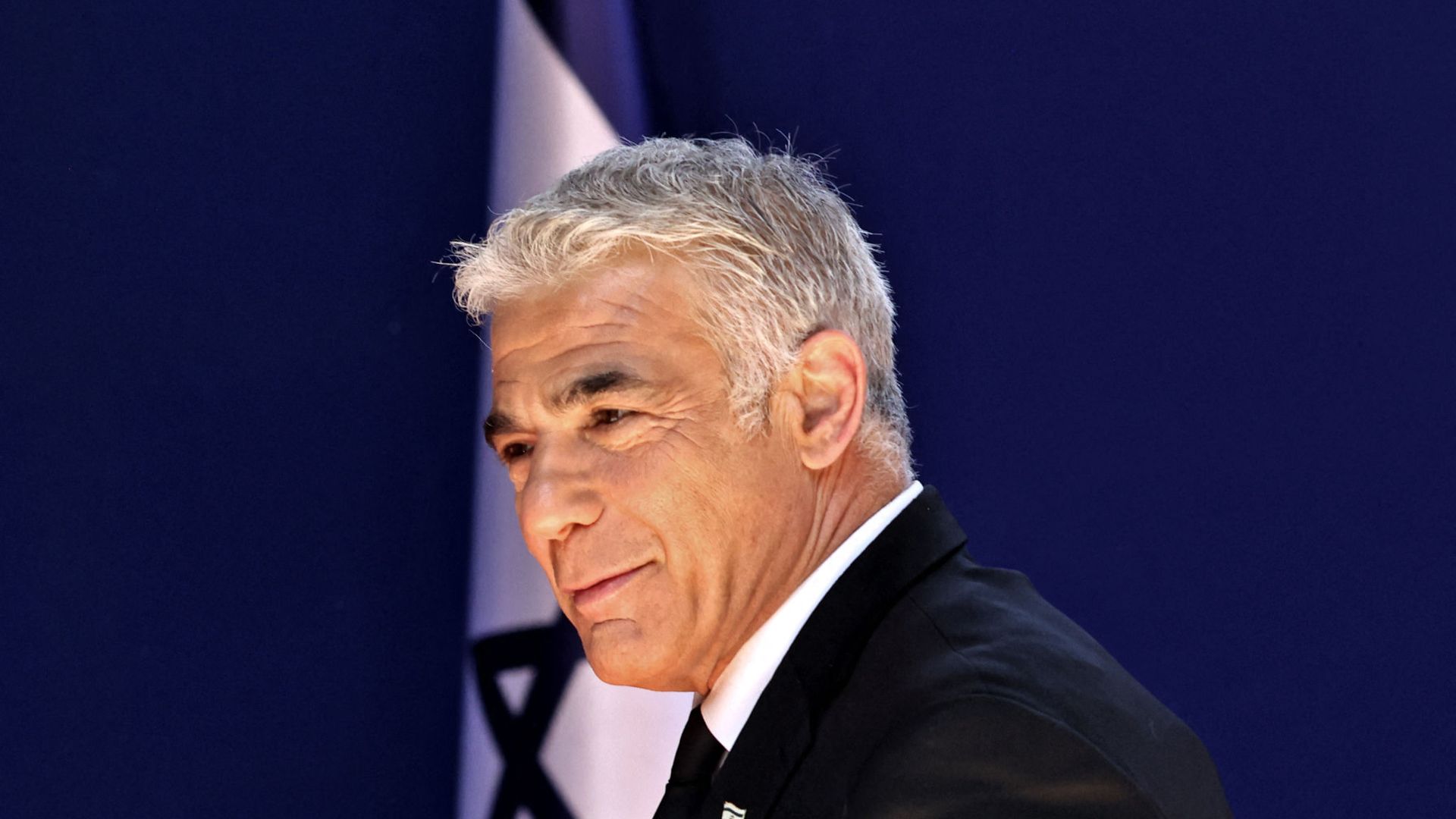
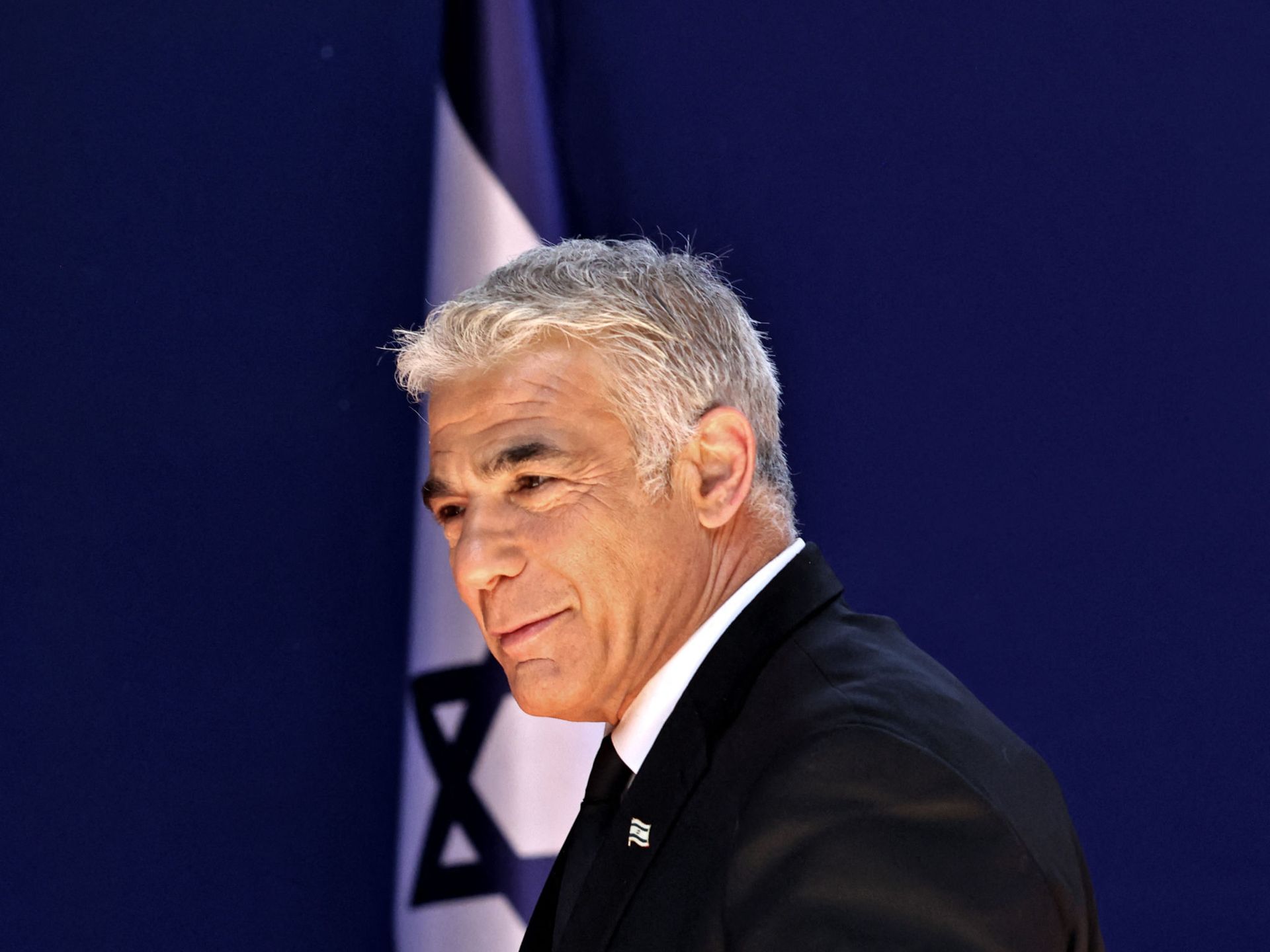
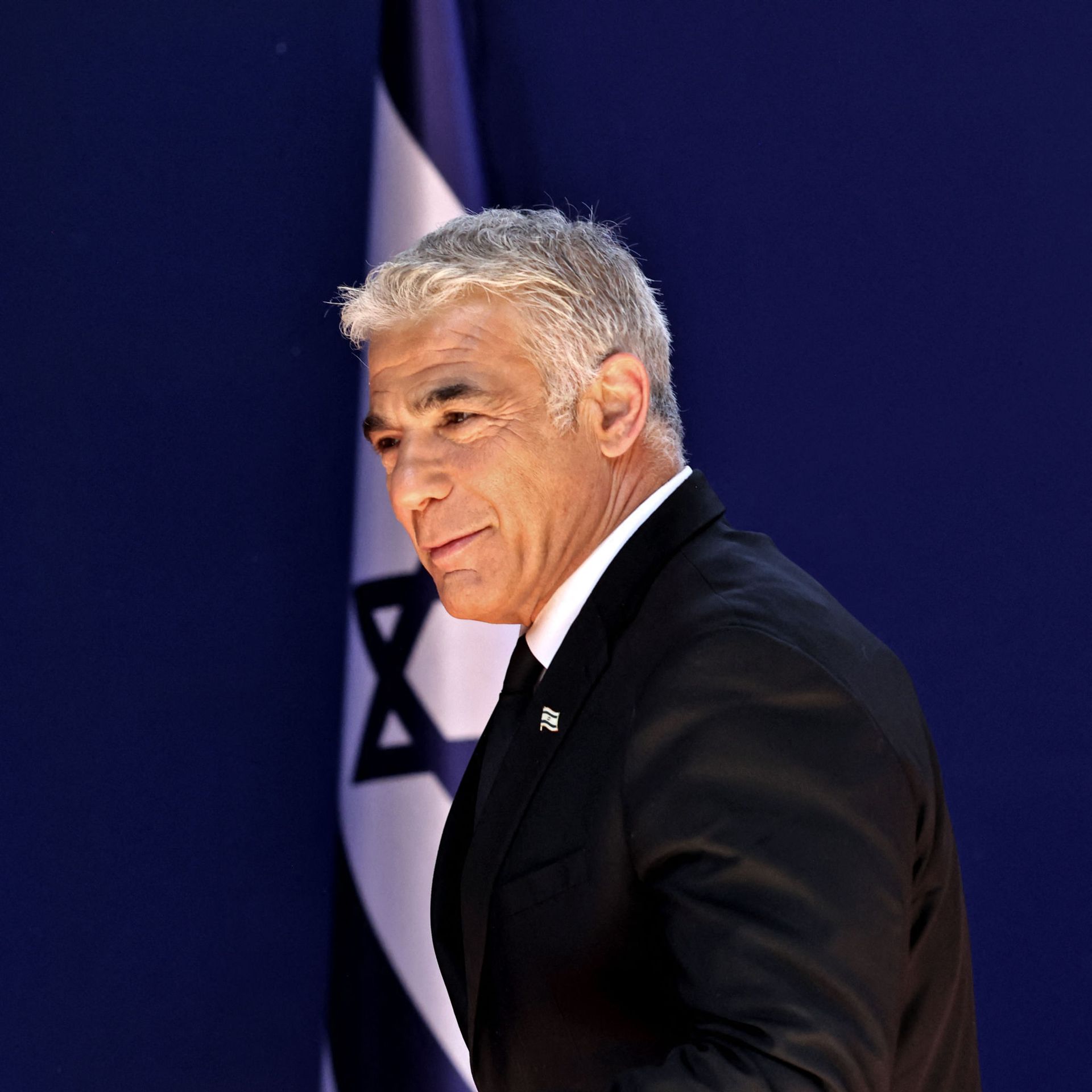
MOSCOW (Sputnik) - A contingency plan to deal with the failure of negotiations to re-establish the Joint Comprehensive Plan of Action (JCPOA) on Iran's nuclear program should include measures of military, economic, political and diplomatic pressure on Iran, Israeli Foreign Minister Yair Lapid told Die Welt in an interview published Friday.
Vienna talks on the Iranian nuclear deal will resume on 27 December.
"It [the plan] consists of a combination of four levers that make it clear to Iran that it has no choice but to give up its illegal nuclear targets," Lapid said.
According to Lapid, the plan should entail tougher economic sanctions, as well as political and diplomatic isolation of Iran. According to the minister, Iran must recognize that a new alliance has formed in the region, which opposes alleged terrorism of Iran and is interested in the well-being of all peoples.
"A credible military threat must be on the table. If the Iranians believe that the world has no serious intention of stopping them, they will attempt to create the bomb. We have to make it clear that the world will not allow this," Lapid added.
The seventh round of Vienna talks on bringing Iran back to the nuclear deal and cancelling US sanctions ended on 17 December. The parties agreed on two drafts of the deal, which included Iranian interests.
The
JCPOA was concluded by P5 (the United Kingdom, Russia, France, China and the United States) plus Germany and Iran in 2015 in an attempt to slow the development of the Iranian nuclear program. The deal proposed lifting sanctions from Iran in exchange for nuclear development restrictions. In 2018, former US President Donald Trump made the decision to unilaterally withdraw from the deal and impose stricter sanctions on Iran. Iran responded with a gradual withdrawal from obligations imposed by the JCPOA and continued its nuclear program.