https://sputnikglobe.com/20220214/interim-trials-show-safety-of-sputnik-light-and-astrazeneca-vaccine-mix-1093013889.html
Interim Trials Show Safety of Sputnik Light and AstraZeneca Vaccine Mix
Interim Trials Show Safety of Sputnik Light and AstraZeneca Vaccine Mix
Sputnik International
The interim results of the phase II clinical trials held to evaluate the safety and immunogenicity of the combined use of the AstraZeneca vaccine and the first... 14.02.2022, Sputnik International
2022-02-14T08:38+0000
2022-02-14T08:38+0000
2022-02-14T08:39+0000
astrazeneca
sputnik v vaccine
vaccine
russia
https://cdn.imgsputnikglobe.com/img/07e5/0a/0d/1089890381_0:0:3073:1728_1920x0_80_0_0_ec6ec4890360e6303e654737ae6ae98d.jpg
"In the trials, involving 100 volunteers in Russia and 100 volunteers in Azerbaijan, the combination of drugs demonstrated an optimal safety and tolerability profile, which is consistent with the results of previous clinical studies on the safety of the AstraZeneca, Sputnik V, and Sputnik Light vaccines", an official press release said.As part of the trials, volunteers were given intramuscular injections of the AstraZeneca vaccine and the Ad26-S component of the Sputnik V vaccine in different sequences at intervals of 28 days.The "Sputnik Light" vaccine, developed by the Gamaleya Centre, is the first component of the Sputnik V vaccine. Sputnik Light is approved in more than 30 countries with a total population of over 2.5 billion people. The drug has also been approved as a universal booster in a number of countries, including Argentina, Bahrain, the United Arab Emirates, San Marino, the Philippines, and others. The AstraZeneca vaccine was developed by the University of Oxford in collaboration with Vaccitech. It uses a replication-deficient chimpanzee viral vector based on a weakened version of the common cold virus (adenovirus) that causes infection in chimpanzees and contains the genetic material of the SARS-CoV-2 spike protein, the severe respiratory syndrome that causes type 2 coronavirus.
Sputnik International
feedback@sputniknews.com
+74956456601
MIA „Rossiya Segodnya“
2022
Sputnik International
feedback@sputniknews.com
+74956456601
MIA „Rossiya Segodnya“
News
en_EN
Sputnik International
feedback@sputniknews.com
+74956456601
MIA „Rossiya Segodnya“
Sputnik International
feedback@sputniknews.com
+74956456601
MIA „Rossiya Segodnya“
astrazeneca, sputnik v vaccine, vaccine
astrazeneca, sputnik v vaccine, vaccine
Interim Trials Show Safety of Sputnik Light and AstraZeneca Vaccine Mix
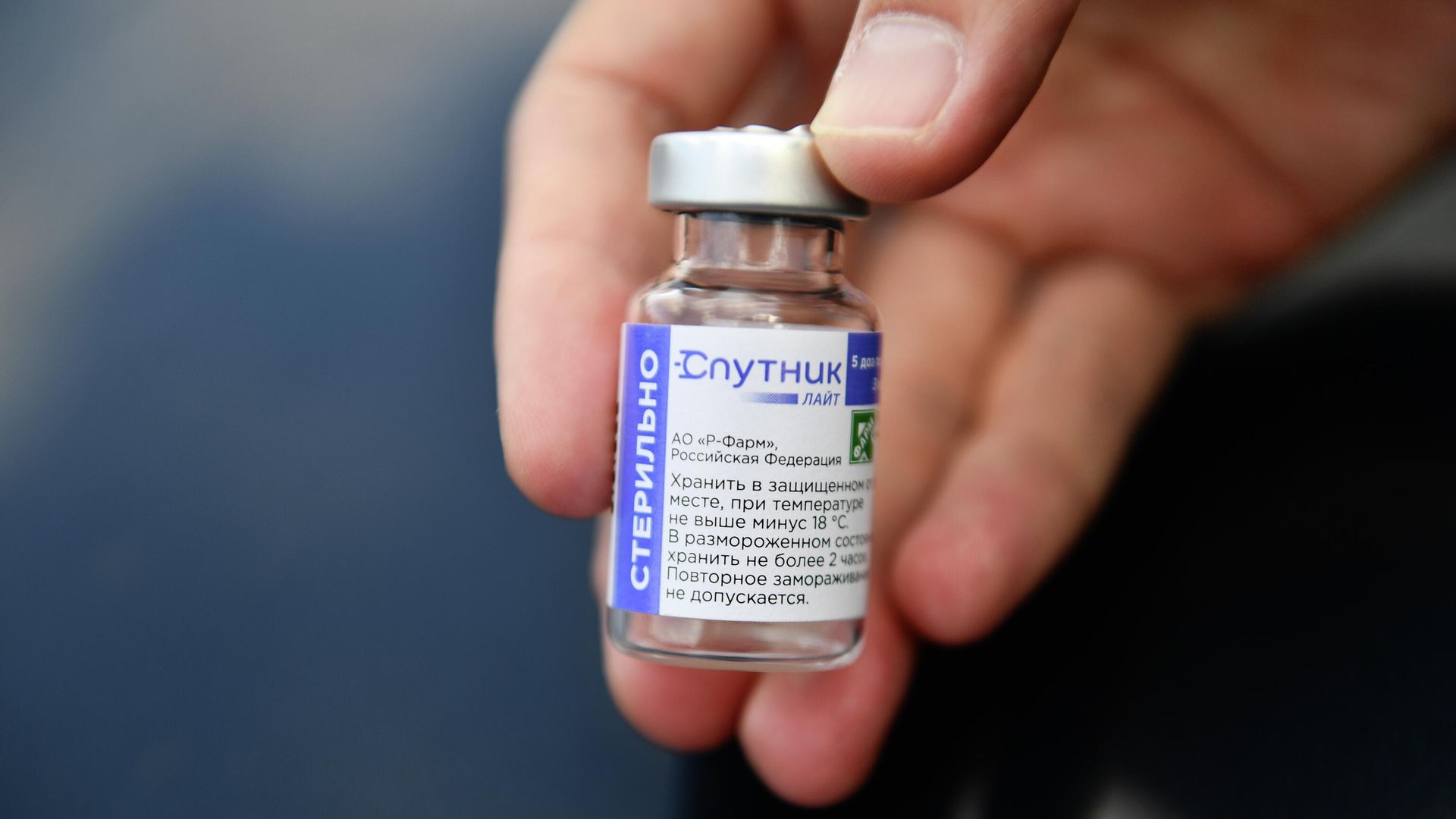
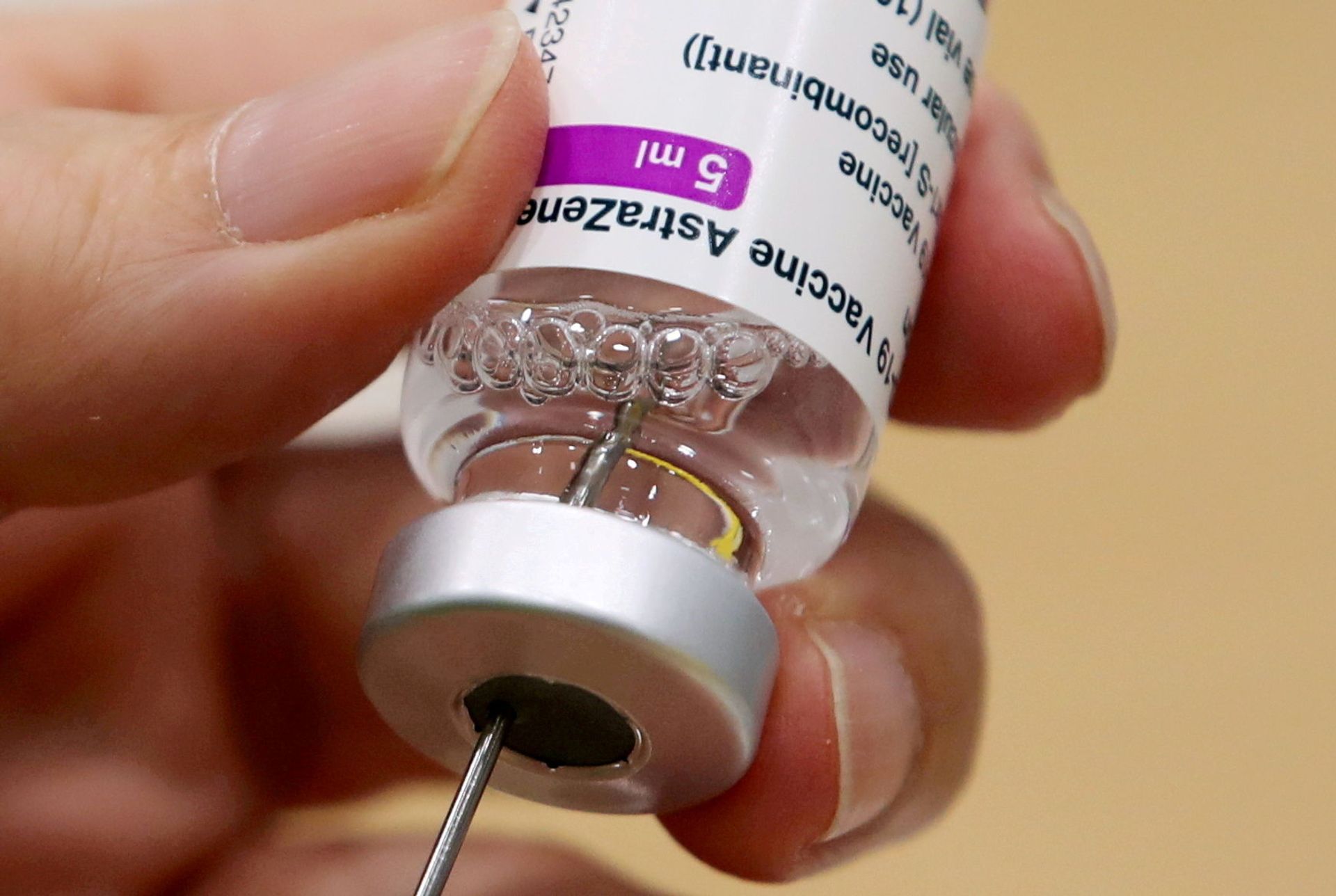
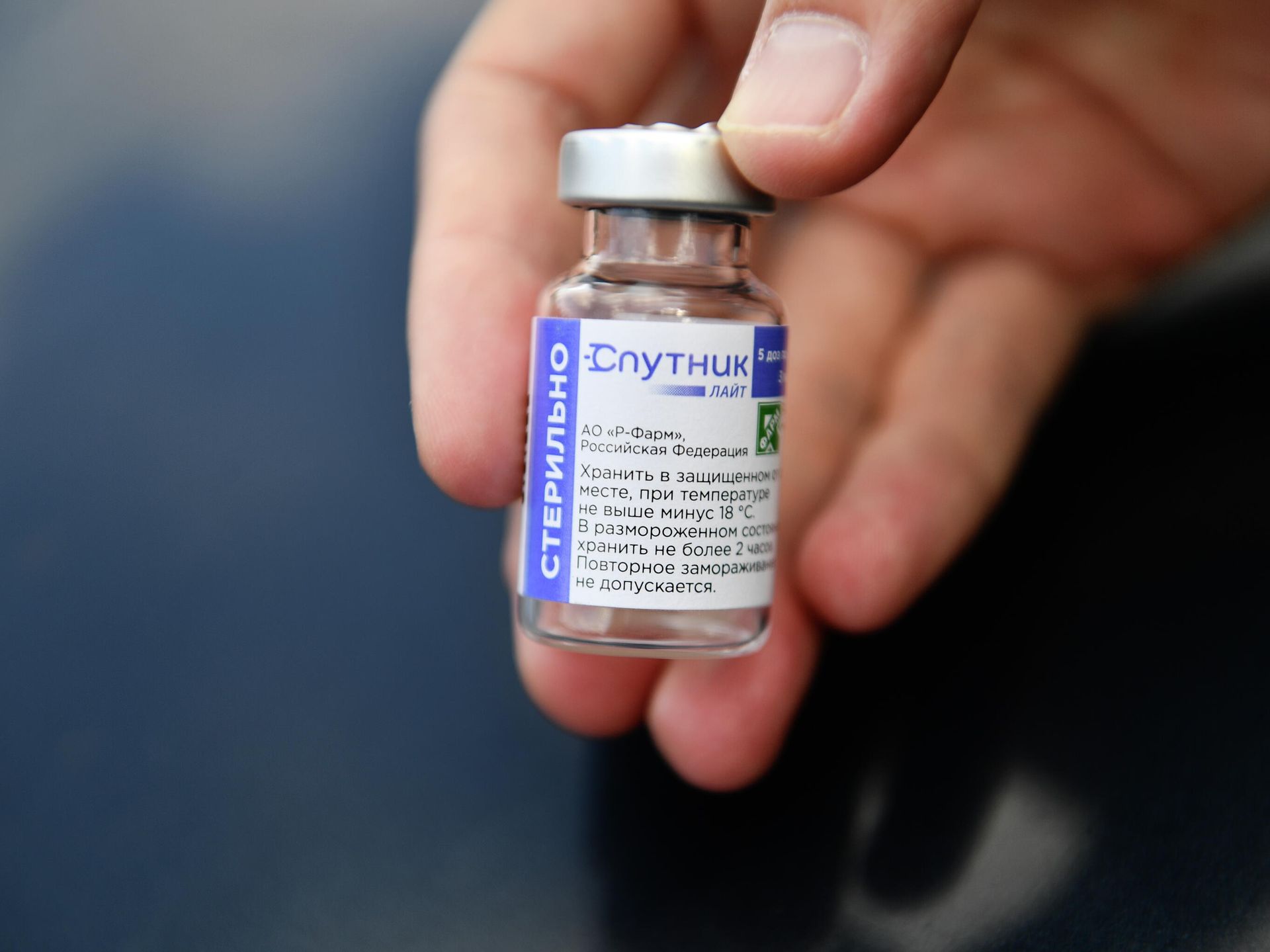
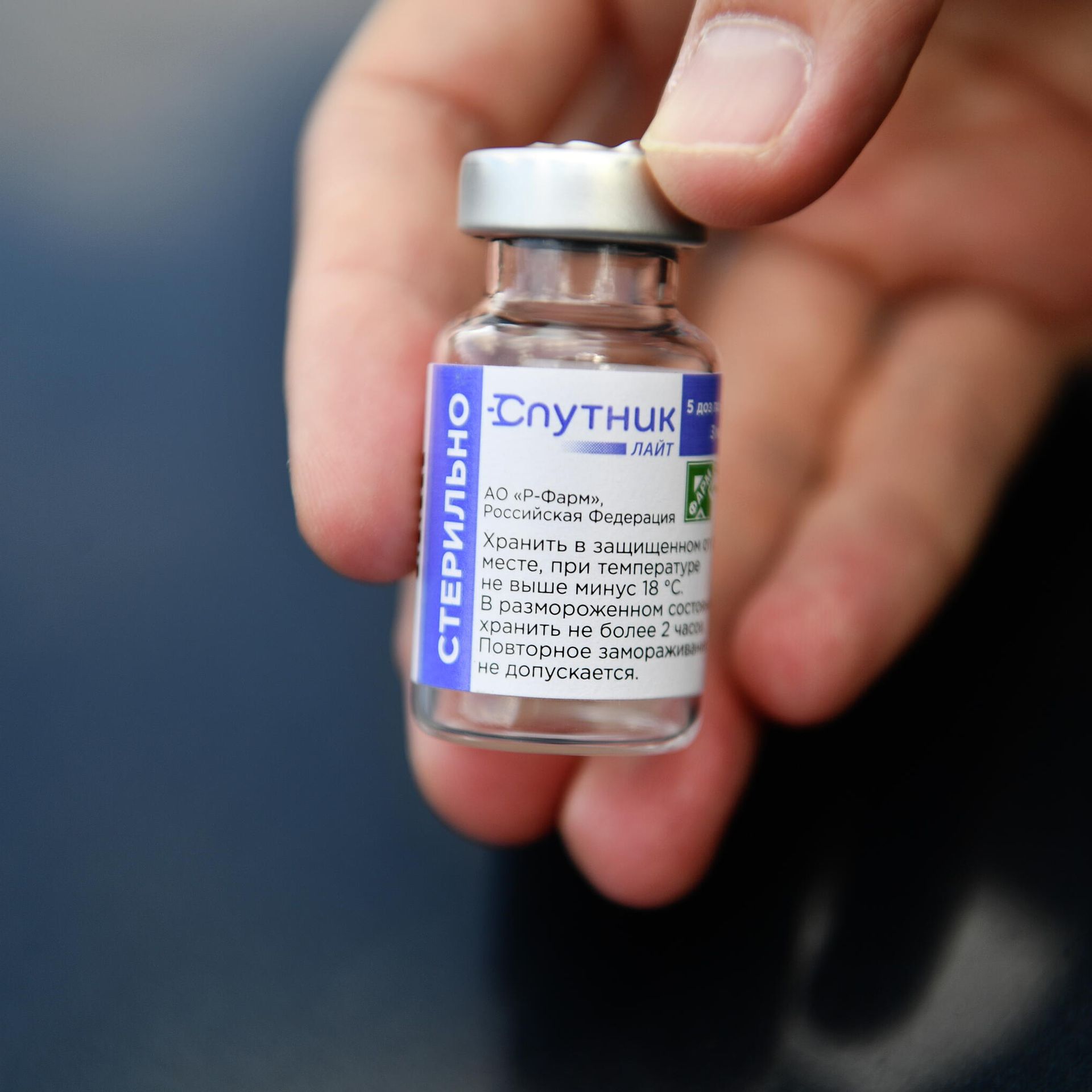
08:38 GMT 14.02.2022 (Updated: 08:39 GMT 14.02.2022) The interim results of the phase II clinical trials held to evaluate the safety and immunogenicity of the combined use of the AstraZeneca vaccine and the first component of the Sputnik V coronavirus vaccine (Sputnik Lite) did not reveal any serious adverse events, the RDIF, AstraZeneca, and R-Pharm said.
"In the trials, involving 100 volunteers in Russia and 100 volunteers in Azerbaijan, the combination of drugs demonstrated an optimal safety and tolerability profile, which is consistent with the results of previous clinical studies on the safety of the AstraZeneca, Sputnik V, and Sputnik Light vaccines", an official press release said.
"The monitoring of volunteers continued for 57 days after the first vaccination and demonstrated high safety rates for the combined use of the drugs. During the observation, no serious adverse events associated with vaccination were identified", the authors of the study noted.
As part of the trials, volunteers were given intramuscular injections of the AstraZeneca vaccine and the Ad26-S component of the Sputnik V vaccine in different sequences at intervals of 28 days.
The "Sputnik Light" vaccine, developed by the Gamaleya Centre, is the first component of the Sputnik V vaccine. Sputnik Light is approved in more than 30 countries with a total population of over 2.5 billion people. The drug has also been approved as a universal booster in a number of countries, including Argentina, Bahrain, the United Arab Emirates, San Marino, the Philippines, and others.
The AstraZeneca vaccine was developed by the University of Oxford in collaboration with Vaccitech. It uses a replication-deficient chimpanzee viral vector based on a weakened version of the common cold virus (adenovirus) that causes infection in chimpanzees and contains the genetic material of the SARS-CoV-2 spike protein, the severe respiratory syndrome that causes type 2 coronavirus.