https://sputnikglobe.com/20220412/khans-dissent-us-china-enmity--kashmir-new-pakistani-pm-has-a-lot-on-his-plate-scholars-say-1094701744.html
Khan's Dissent, US-China Enmity & Kashmir: New Pakistani PM Has a Lot on His Plate, Scholars Say
Khan's Dissent, US-China Enmity & Kashmir: New Pakistani PM Has a Lot on His Plate, Scholars Say
Sputnik International
The ouster of former Prime Minister Imran Khan through a no-confidence vote in the National Assembly, the Pakistani Parliament, and the subsequent rise of... 12.04.2022, Sputnik International
2022-04-12T12:50+0000
2022-04-12T12:50+0000
2022-07-19T10:43+0000
asia
us
world
opinion
ukraine
russia
pakistan
imran khan
shehbaz sharif
https://cdn.imgsputnikglobe.com/img/07e6/04/0a/1094633817_0:159:3076:1889_1920x0_80_0_0_8fab12d0b3a4c743e8d3f7fa25a523ed.jpg
"Though Imran Khan has lost the position of prime minister, he continues to be a credible political force who will challenge the government of Shehbaz Sharif by popular mobilisation and holding of public rallies", says Dr Hasan Askari Rizvi, an independent political and defence analyst.Pakistan Muslim League-Nawaz (PML-N) President Shehbaz Sharif was elected the new Pakistani PM on 11 April and is expected to form a new government. It was Sharif who tabled a no-confidence motion against former Prime Minister Imran Khan in early March, citing corruption allegations and supposed inability of the Khan cabinet to tackle the nation's economic problems.On 27 March, Khan stated publicly that Sharif's move was part of a US-backed soft coup, citing threats from America's Assistant Secretary of State for South and Central Asian Affairs Donald Lu. Reportedly, Washington was fuming over Islamabad's unwillingness to join the Western sanctions regime against Russia over the latter's special operation in Ukraine. Following Khan's ouster, tens of thousands of protesters took to the streets protesting the National Assembly's decision.Abdullah Khan has drawn attention to Imran Khan's party Pakistan Tehreek-e-Insaf (PTI) having grown very strong over the last few years and gaining substantial influence across the country and forming local governments in Khyber Pakhtunkhwa, Azad Kashmir as well as in Gilgit Baltistan. The scholar notes that the PTI's objective is to hold early elections."If the new government does not quickly address Pakistan's economic problems, Imran Khan will find it easy to contest the new government with his anti-America rhetoric and emphasis on national honour against foreign intervention in internal affairs", emphasises Dr Hasan Askari Rizvi. "[Khan] describes the new Pakistani government as an imported government".'Sharif Will Have to Walk a Tightrope Between US and China'In addition to the growing social turmoil, Shehbaz Sharif will have limited room for manoeuvre in his foreign policy, according to the observers.PM Sharif is expected to continue developing mutually beneficial cooperation with China, including the China-Pakistan Economic Corridor (CPEC).Regardless of who assumes office, China and Pakistan are likely to have cordial relations, according to the scholar.At the same time, in his latest interview Sharif stressed the importance of good relations with the US, which he claimed are critical for Pakistan. However, it is unclear whether the new PM will find a balance between Washington and Beijing.Sino-American relations have been deteriorating for quite a while. In addition, Washington has been repeatedly accused by the Khan government of "sabotaging" the CPEC. In October 2021, Khalid Mansoor, then-special assistant to Pakistani Prime Minister Imran Khan, suggested that the US, backed by India, would not let the CPEC succeed."The US will tolerate that embrace to some extent as it fully realised it does not have much strategic and economic influence in the region", argues Dr Amalendu Misra, a senior lecturer in politics, philosophy, and religion at Lancaster University in the UK, referring to China-Pakistan ties and the CPEC in particular.PM Sharif has to bear in mind that Pakistan is not a priority in America's Asian policy, according to Dr Hasan Askari Rizvi. He notes that "the US has decided to regard India as its strategic partner for its Asia policy", while Pakistan is less important for Washington.Pakistan-India Relations: KashmirIn his first speech the new Pakistani prime minister "offered an olive branch to India" saying the resolution of the Kashmir issue will allow the two sides to focus on shared problems such as poverty, according to the Hindustan Times. "Pakistan's Prime Minister Shehbaz Sharif devoted more time to India in the foreign policy segment of his maiden speech than any other country", the media outlet remarks.Sharif's pledge to start viable cooperation with India is likely to face some hurdles too, according to the scholars.First, the Sharif interim government will be at the helm until August 2023 when new general elections are expected to take place. It's impossible to mend any fences in such a short period of time, the observers believe.Second, "any Pakistani leader to stay politically relevant among the electorate and the army has to take an anti-India and pro-Kashmir stance", according to Dr Amalendu Misra. "Expect more of the same in the months and years ahead", he notes.According to Dr Hasan Askari Rizvi, there has been no regular dialogue between India and Pakistan since August 2014, after Narendra Modi assumed office in May 2014. To complicate matters further, the territorial conflict over the Kashmir region, which is claimed by both India and Pakistan, has been a bone of contention between the nations since 1947.The unfolding internal problems and foreign policy uncertainties are likely to haunt the new Pakistani government in the short- and medium-term, according to the observers. Time will tell whether Shehbaz Sharif will find a way to tackle the issues.
ukraine
pakistan
Sputnik International
feedback@sputniknews.com
+74956456601
MIA „Rossiya Segodnya“
2022
News
en_EN
Sputnik International
feedback@sputniknews.com
+74956456601
MIA „Rossiya Segodnya“
Sputnik International
feedback@sputniknews.com
+74956456601
MIA „Rossiya Segodnya“
us, opinion, ukraine, pakistan, imran khan, shehbaz sharif
us, opinion, ukraine, pakistan, imran khan, shehbaz sharif
Khan's Dissent, US-China Enmity & Kashmir: New Pakistani PM Has a Lot on His Plate, Scholars Say
12:50 GMT 12.04.2022 (Updated: 10:43 GMT 19.07.2022) The ouster of former Prime Minister Imran Khan through a no-confidence vote in the National Assembly, the Pakistani Parliament, and the subsequent rise of Shehbaz Sharif amid allegations of foreign interference have triggered questions about Islamabad's political stability and foreign policy.
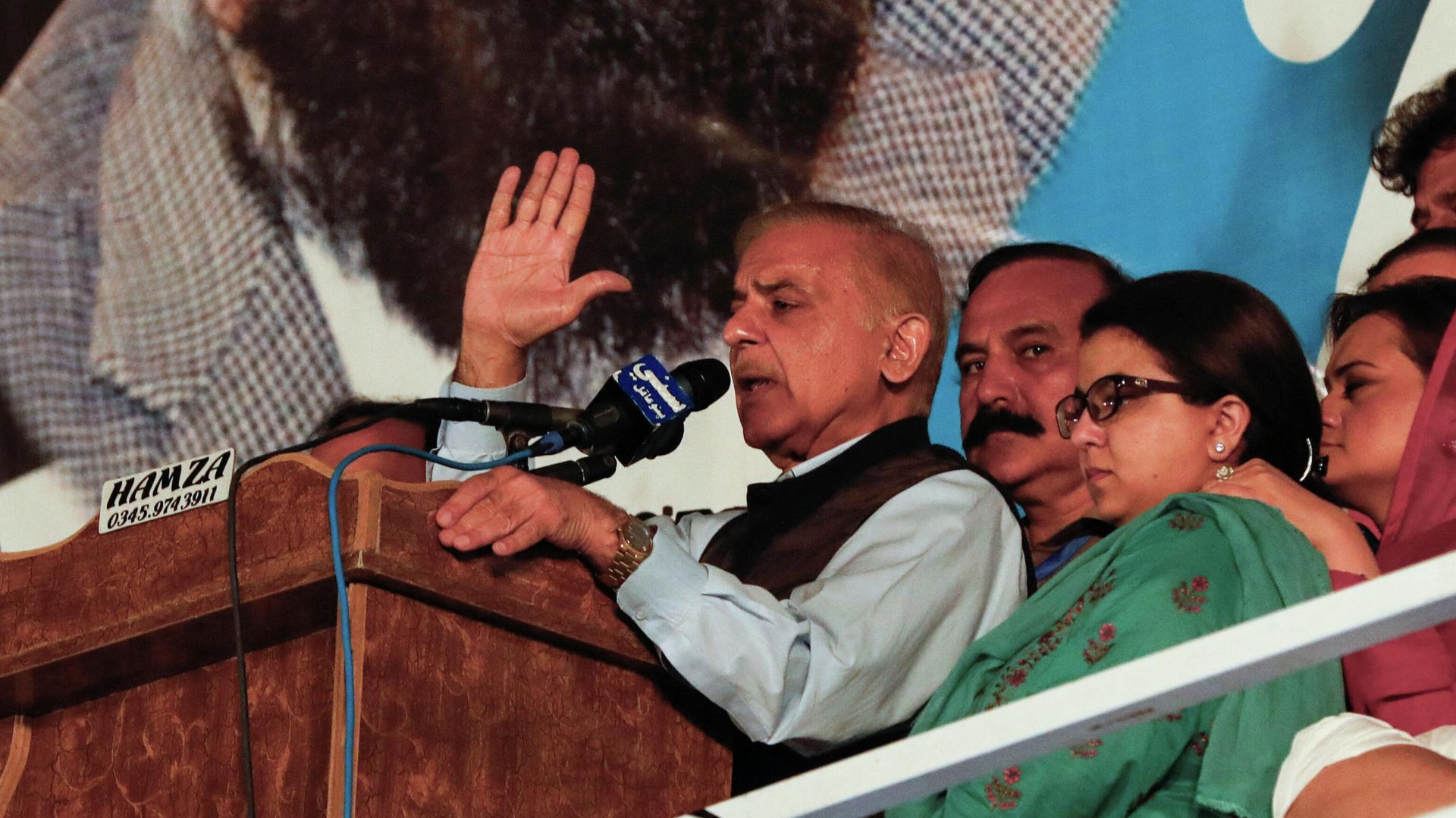
"Though Imran Khan has lost the position of prime minister, he continues to be a credible political force who will challenge the government of Shehbaz Sharif by popular mobilisation and holding of public rallies", says Dr Hasan Askari Rizvi, an independent political and defence analyst.
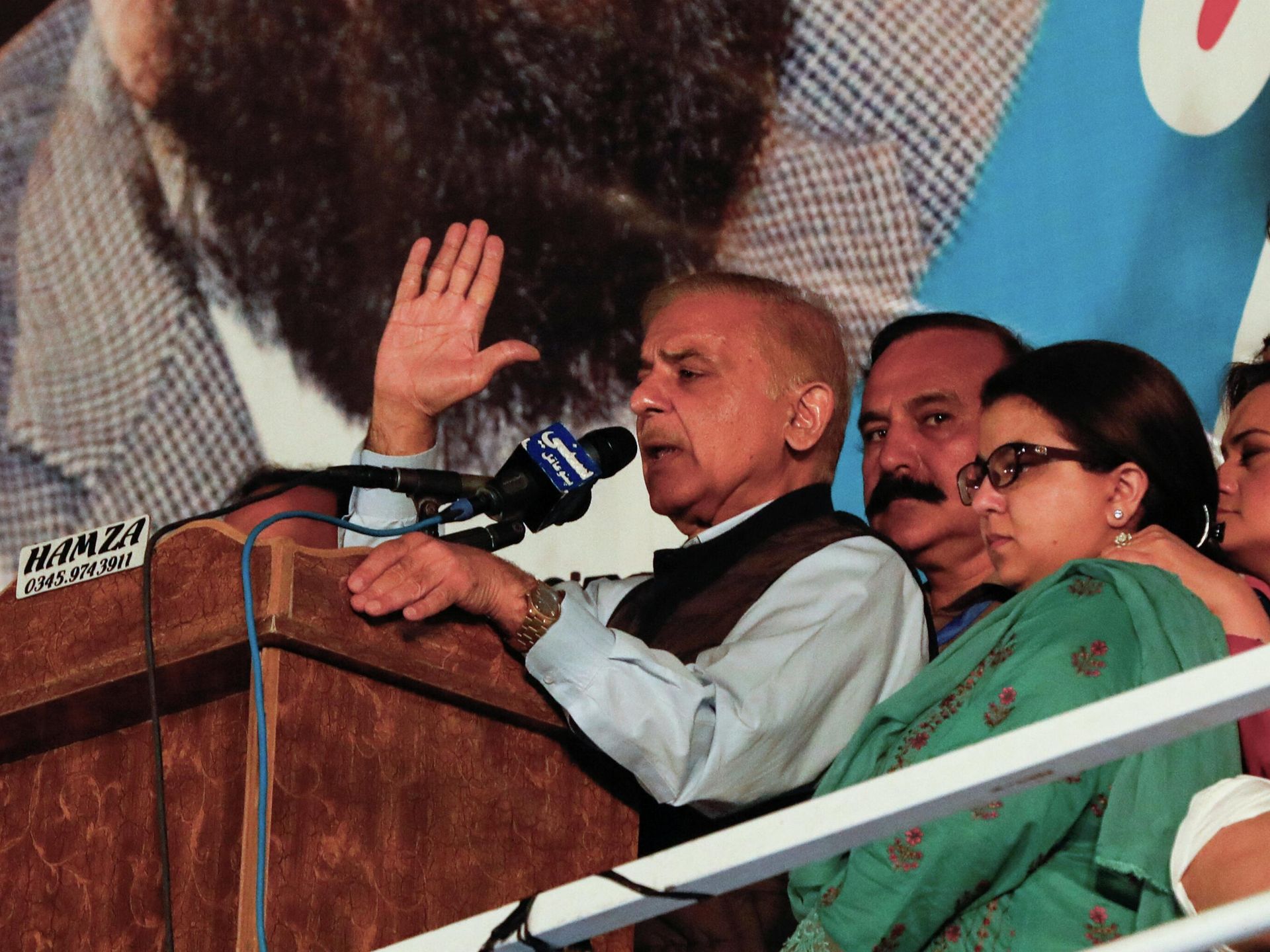
Pakistan Muslim League-Nawaz (PML-N) President Shehbaz Sharif was elected the new Pakistani PM on 11 April and is expected to form a new government. It was Sharif who tabled a no-confidence motion against former Prime Minister Imran Khan in early March, citing corruption allegations and supposed inability of the Khan cabinet to tackle the nation's economic problems.
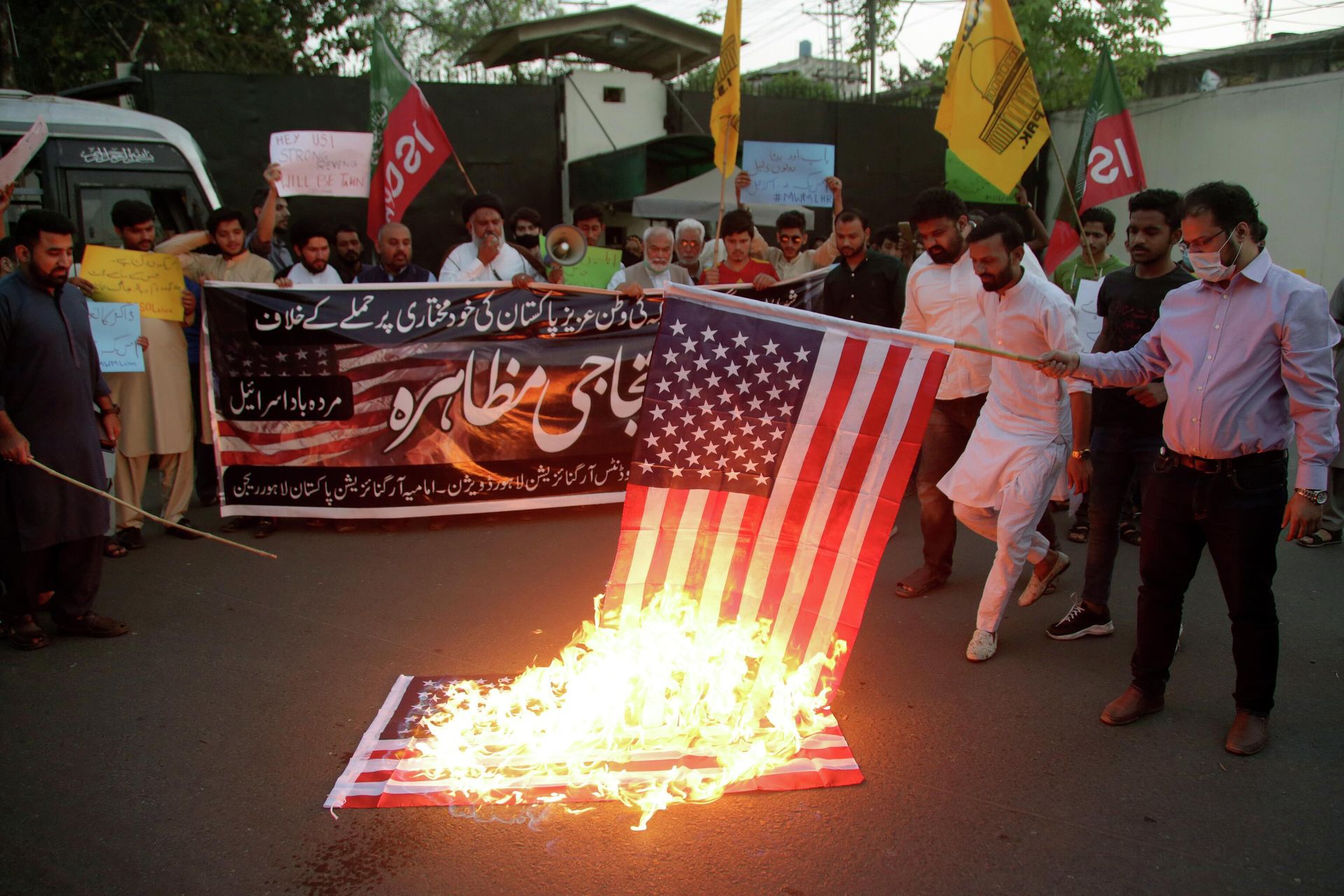
On 27 March, Khan stated publicly that Sharif's move was part of a US-backed soft coup, citing threats from America's Assistant Secretary of State for South and Central Asian Affairs Donald Lu. Reportedly, Washington was fuming over Islamabad's unwillingness to join the Western sanctions regime against Russia over the latter's special operation in Ukraine. Following Khan's ouster,
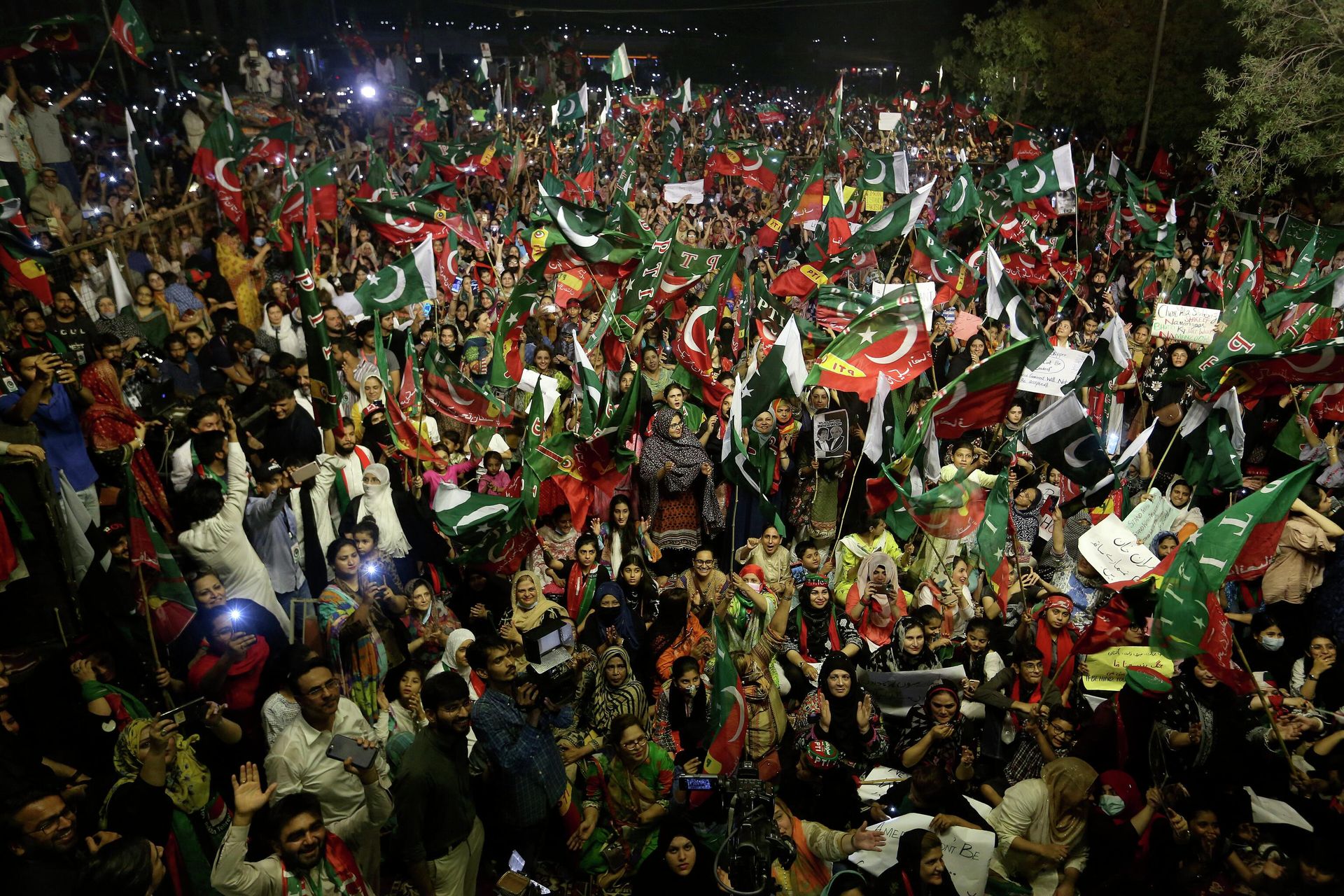
tens of thousands of protesters took to the streets protesting the National Assembly's decision.
"Former Prime Minister Imran Khan has announced public rallies across the country", says Abdullah Khan, director of the Pakistan Institute for Conflict and Security Studies. "On Sunday night, the entire Pakistani people came out on the street on their own and showed solidarity with Imran Khan… On social media, people are expressing their anger against the PML-N, the Pakistan Peoples Party (PPP), and other alliance leaders".
Abdullah Khan has drawn attention to Imran Khan's party Pakistan Tehreek-e-Insaf (PTI) having grown very strong over the last few years and gaining substantial influence across the country and forming local governments in Khyber Pakhtunkhwa, Azad Kashmir as well as in Gilgit Baltistan. The scholar notes that
the PTI's objective is to hold early elections.
"If the new government does not quickly address Pakistan's economic problems, Imran Khan will find it easy to contest the new government with his anti-America rhetoric and emphasis on national honour against foreign intervention in internal affairs", emphasises Dr Hasan Askari Rizvi. "[Khan] describes the new Pakistani government as an imported government".
'Sharif Will Have to Walk a Tightrope Between US and China'
In addition to the growing social turmoil, Shehbaz Sharif will have limited room for manoeuvre in his foreign policy, according to the observers.
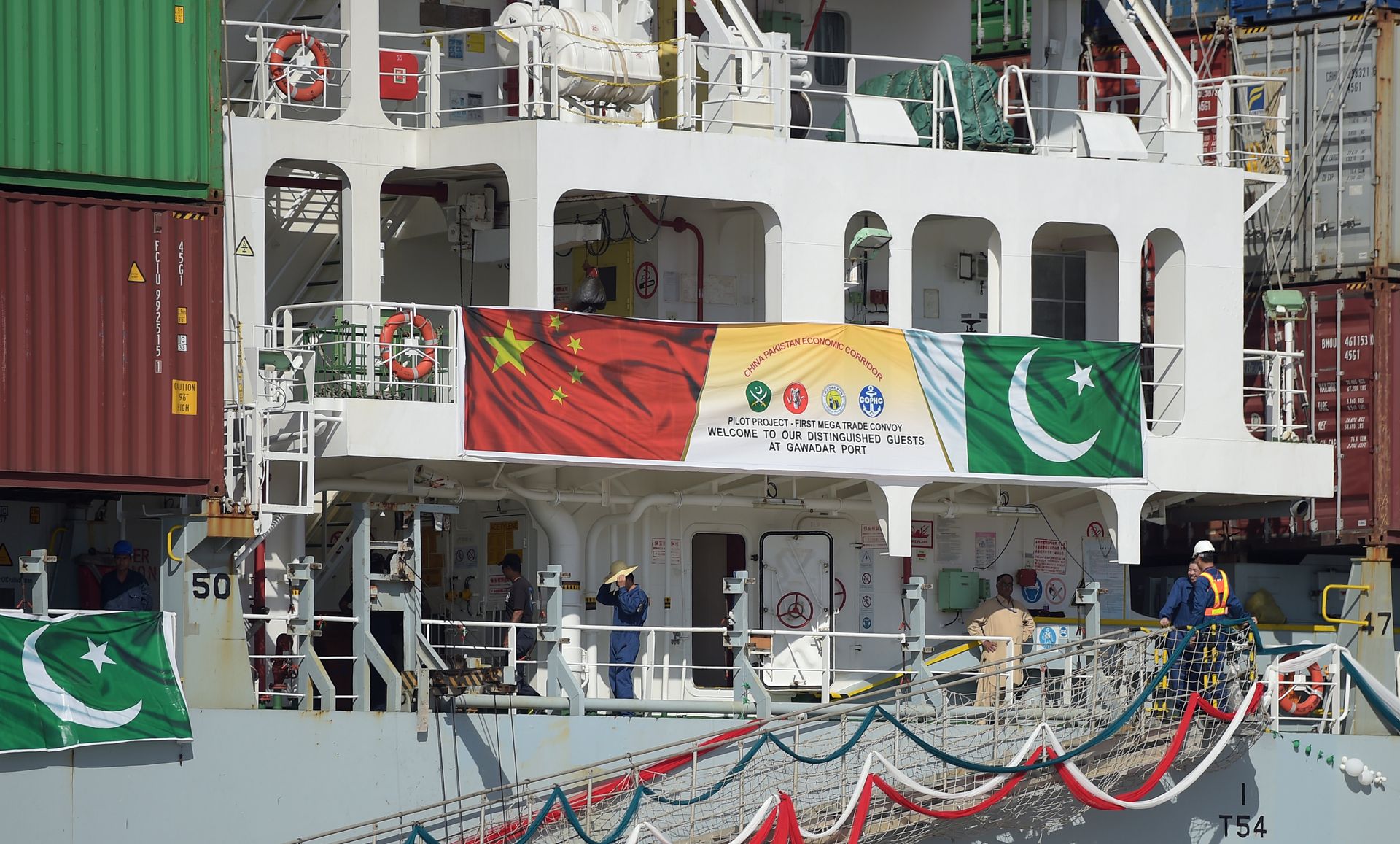
PM Sharif is expected to continue developing mutually beneficial cooperation with China, including the China-Pakistan Economic Corridor (CPEC).
"Sharif announced in his speech in parliament right after his election to the seat of prime minister of Pakistan that he will speed up CPEC projects", says Abdullah Khan. "His party takes great pride in initiating CPEC. However, critics say that they could not deal well and conceded to Chinese interests in many domains. PTI, on the other hand, negotiated some terms and conditions and tried to safeguard Pakistan's interests in a better way".
Regardless of who assumes office, China and Pakistan are likely to have cordial relations, according to the scholar.
At the same time, in his latest interview Sharif stressed the importance of good relations with the US, which he claimed are critical for Pakistan. However, it is unclear whether the new PM will find a balance between Washington and Beijing.
Sino-American relations have been deteriorating for quite a while. In addition, Washington has been repeatedly accused by the Khan government of "sabotaging" the CPEC. In October 2021, Khalid Mansoor, then-special assistant to Pakistani Prime Minister Imran Khan, suggested that the US, backed by India, would not let the CPEC succeed.
"The US will tolerate that embrace to some extent as it fully realised it does not have much strategic and economic influence in the region", argues Dr Amalendu Misra, a senior lecturer in politics, philosophy, and religion at Lancaster University in the UK, referring to China-Pakistan ties and the CPEC in particular.
However, "it is yet to be seen how Shehbaz Sharif will respond to the US pressure against CPEC and other Chinese projects in Pakistan", according to Abdullah Khan.
PM Sharif has to bear in mind that Pakistan is not a priority in America's Asian policy, according to Dr Hasan Askari Rizvi. He notes that "the US has decided to regard India as its strategic partner for its Asia policy", while Pakistan is less important for Washington.
Pakistan-India Relations: Kashmir
In his first speech the new Pakistani prime minister "offered an olive branch to India" saying the resolution of the Kashmir issue will allow the two sides to focus on shared problems such as poverty, according to the Hindustan Times. "Pakistan's Prime Minister Shehbaz Sharif devoted more time to India in the foreign policy segment of his maiden speech than any other country", the media outlet remarks.
Sharif's pledge to start viable cooperation with India is likely to face some hurdles too, according to the scholars.
First, the Sharif interim government will be at the helm until August 2023 when new general elections are expected to take place. It's impossible to mend any fences in such a short period of time, the observers believe.
Second, "any Pakistani leader to stay politically relevant among the electorate and the army has to take an anti-India and pro-Kashmir stance", according to Dr Amalendu Misra. "Expect more of the same in the months and years ahead", he notes.
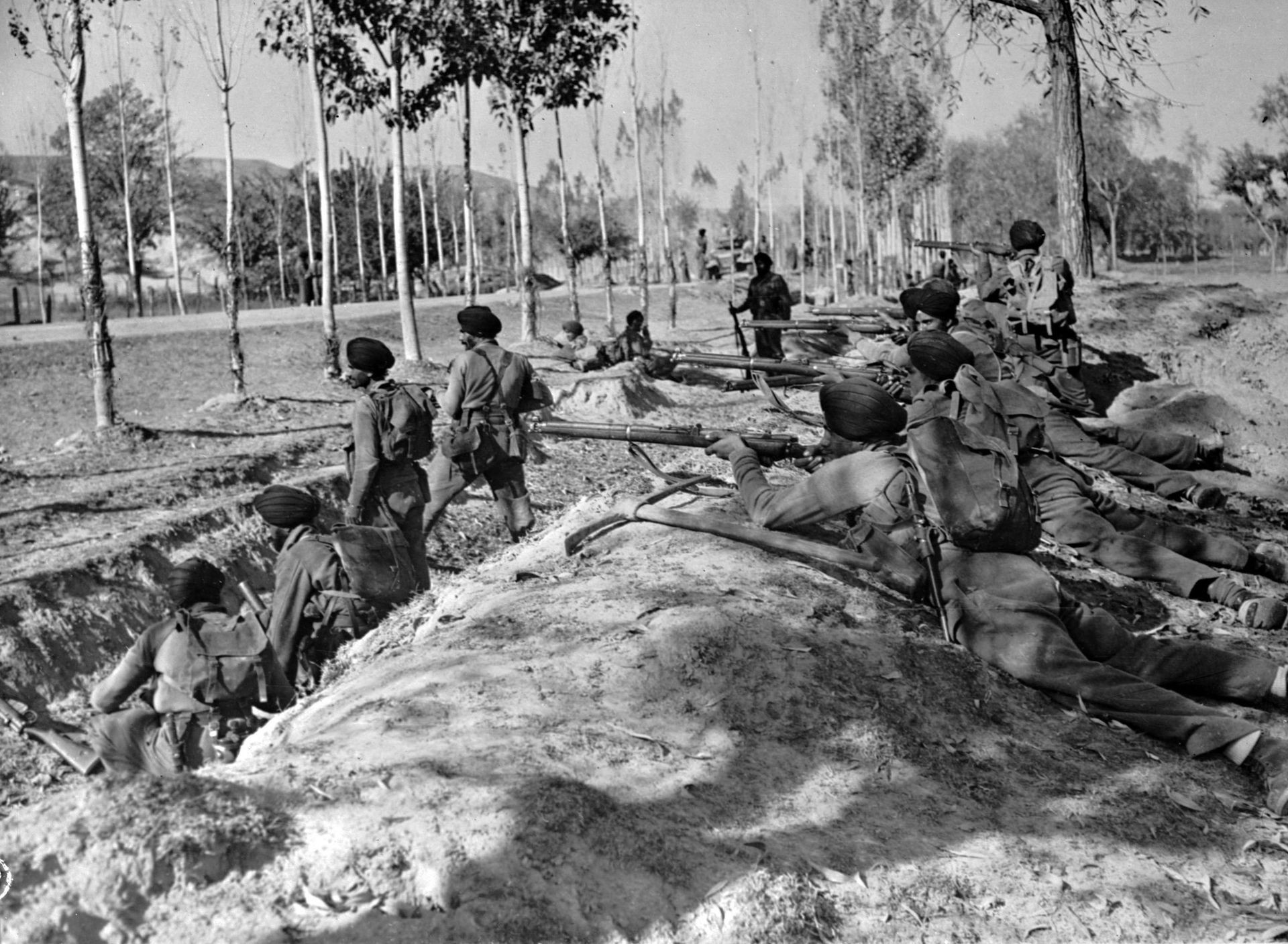
According to Dr Hasan Askari Rizvi, there has been no regular dialogue between India and Pakistan since August 2014, after Narendra Modi assumed office in May 2014. To complicate matters further, the territorial conflict over the Kashmir region, which is claimed by both India and Pakistan, has been a bone of contention between the nations since 1947.
"Kashmir is a sensitive issue", says Abdullah Khan. "The PML-N is already facing serious allegations from PTI that the regime change was a US project. In that scenario, the PML-N cannot take any soft stance towards India. Also, any government in Pakistan cannot overlook the Kashmir issue while dealing with India as the issue is of utmost importance for the people and state of Pakistan".
The unfolding internal problems and foreign policy uncertainties are likely to haunt the new Pakistani government in the short- and medium-term, according to the observers. Time will tell whether Shehbaz Sharif will find a way to tackle the issues.