US Wants India to Reconsider Its Wheat Export Restrictions Amid 'Sudden Spike in Global Prices'
06:08 GMT 17.05.2022 (Updated: 06:26 GMT 17.05.2022)
© AFP 2023 / NARINDER NANU
Subscribe
The global bushel prices have spiked by more than 40 per cent amid the Ukraine crisis. Ukraine and Russia together accounted for over 30 per cent of the global wheat supply before the start of Moscow's special military operation in late February.
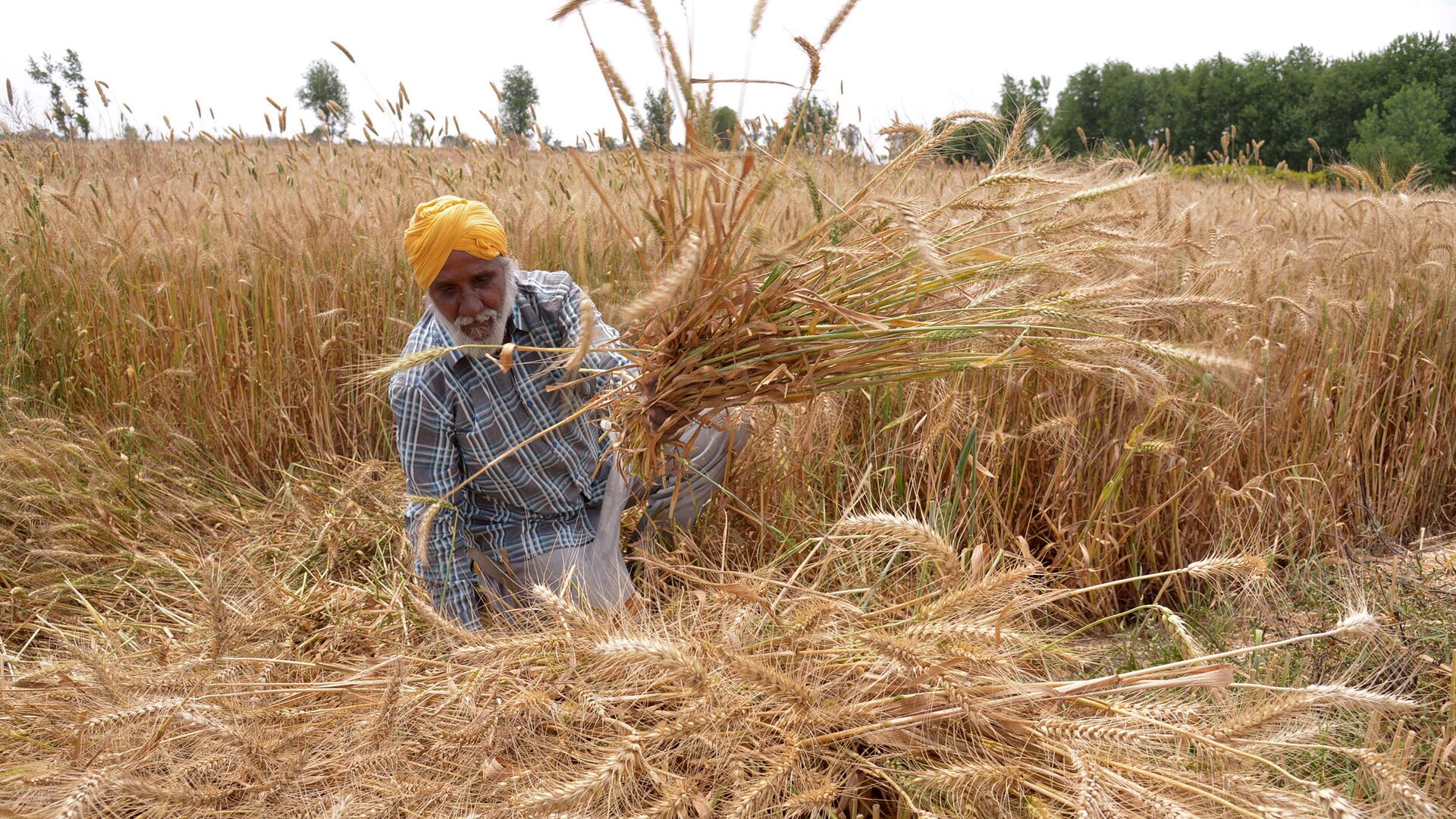
The US has said that it wants India to “reconsider” restrictions it placed on the export of wheat, after New Delhi announced an “amendment” to its export policy on 13 May in view of “sudden spike in the global prices”.
“We are encouraging countries not to restrict exports because we think that any restriction on exports will exacerbate the food shortages,” the US Ambassador to the United Nations (UN) Linda Thomas-Greenfield said at a press conference on global food security.
“But you’ve again-India will be one of the countries participating in our meeting at the Security Council and we hope they can, as they hear our concerns, reconsider their position,” the American diplomat added.
The remarks come ahead of an open debate on the link between Ukrainian conflict and food security on 19 May. US Secretary of State Antony Blinken will chair the debate, Thomas-Greenfield previously announced.
On Monday, US Agricultural Secretary Tom Vilsack also expressed “deep concern” over New Delhi’s wheat export curbs.
"What we need is transparency in the market, what we need is a market that is helping to get goods to those who are in need," Vilsack said.
The criticism of the India’s wheat export restrictions by the US comes days after the G7 grouping also slammed the Indian government’s decision. Germany’s Agriculture Minister Cem Ozdemir on Sunday (14 May) called upon India to “assume its responsibility as a G20 member”.
“If everyone starts to impose export restrictions or to close markets, that would worsen the crisis,” stated Ozdemir. He recommended that the matter also be taken up at the G7 leaders’ meeting scheduled to take place in Germany next month.
Indian Prime Minister Narendra Modi has also been invited by Germany Chancellor Olaf Scholz to attend the G7 Summit, an invitation extended during the Indian leader’s trip to Berlin this month.
India, meanwhile, has rejected the criticism from its western partners, as it has argued that the restrictions on export of wheat are meant to keep its “food security” intact.
In a press release issued by the Indian embassy in Germany on 14 May, New Delhi also clarified amendment to its export policy would “not apply” in cases where “prior commitments” have been made by private players as well as in cases where “permission has been granted” by the government to meet the “food security needs” of other countries.
New Delhi has argued that the decision to “regulate” wheat exports would not only help with its “food security” and check inflation, but also prevent hoarding by private players.
Before the export restrictions kicked in, India had set-up export targets for the ongoing year to 10 million tonnes from the seven million tonnes (approximately) it exported last year.
However, the South Asian nation faced its hottest March in 122 years, a factor which affected the crop and led to an overall slump in the produce.