https://sputnikglobe.com/20220627/economic-woes-and-fragile-security-what-awaits-lapid-israels-pm-in-waiting-1096693943.html
Economic Woes and Fragile Security: What Awaits Lapid, Israel's PM in Waiting?
Economic Woes and Fragile Security: What Awaits Lapid, Israel's PM in Waiting?
Sputnik International
If Israel's parliament is dissolved later on Monday, Lapid will automatically become the country's next premier. He will remain in his seat until November... 27.06.2022, Sputnik International
2022-06-27T07:52+0000
2022-06-27T07:52+0000
2022-06-27T08:04+0000
israel
knesset
yair lapid
https://cdn1.img.sputnikglobe.com/img/07e6/06/14/1096486589_0:268:3072:1996_1920x0_80_0_0_c794531c7ec27dc7f0c4fed81cf849d1.jpg
On Monday, Israel's Knesset is set to convene again to vote on its dissolution. A day later (or maybe on Wednesday), if this takes place, the PM’s seat will be taken by Yair Lapid, who has been serving as the country's foreign minister.He is expected to remain in this position until November, when the country will head to the polls for the fifth time in three years. What can Israel expect from him, and what obstacles will he be facing? Sputnik sums them up.Security Issues AboundLapid will take the helm of a country in a dire security situation. Since March, Arab and Palestinian terrorists have carried out five major attacks, which have claimed the lives of 20 Israelis.Ordinary Israelis have been largely critical of Bennett and his government for the decisions he has been making. One such move was the appointment of Omer Bar Lev to the position of Public Security Minister; Lev was earlier slammed for not knowing enough about the terror attacks that have recently flooded Israel. He has also been criticized for the concessions he has been giving to Gazans, primarily the work permits that have been granted to the Palestinians allowing them to be employed in the Jewish state.The new PM will be expected not to repeat the mistakes of the past. However, given his liberal tendencies and lack of a relevant security background, there are worries that public safety will take a hit.Several years ago, in 2014, concerns about Lapid were voiced by Israel's former defense minister Moshe Boogie Ayalon. Now, he rarely shares his views, but as the election campaign progresses, such opinions will resurface again.The Economy is EverythingIsrael has managed to get back on track since the coronavirus pandemic and the economic crisis it unleashed. Unemployment rates have been falling gradually. In April, they stood at 3.1 percent, as compared to 20 percent in the midst of the pandemic in 2020. Inflation, which has been raging in other parts of the world, has mostly spared the country so far; it is currently only 4 percent.However, experts have already warned that this is temporary. Since February 24, when Russia launched its special military operation in Ukraine, the Western economies have faced inflation, and its waves are expected to hit Israel too, Israeli news websites Calcasieu warned.In a way, it has already started taking place. The past half-year registered a spike in prices which exceeds 13 percent for basic products, including bread and milk. The cost of living has also risen, especially with respect to fuel, real estate and electricity.People have already started setting up tents in the center of Israel to protest rising real estate prices. Next Saturday evening, thousands will take to the streets of Tel Aviv to vent their anger at the government for not doing enough to solve their economic problems. The ability of Lapid to address and ease these woes will now be put to the test.Peace in the Region?In mid-July Lapid will be welcoming US President Joe Biden, who is visiting the region reportedly in order to advance a normalization deal between Israel and Saudi Arabia.Previously, Riyadh stressed that any pact with officials in Jerusalem will only be possible if Israel addresses its problem with the Palestinians, but many doubt whether Lapid can bring an end to the decades-long conflict.His coalition will still rely on a number of conservative parties, and those are unlikely to concede to the Palestinians. Will the Americans be willing to give Lapid such presents as a normalization deal, knowing that his government might not survive past November?Bridging the GapsHowever, Lapid’s main challenge will be to bridge the gaps between Israel's liberals and conservatives.Last week, right after the collapse of the government, Lapid tweeted that the main goal was to "keep the Israeli unity". However, his comments have triggered harsh criticism. Israelis have called him a "national inciter," a man without a spine and one who spreads empty promises and clichés.Only 31 percent believed he was fit for the position of prime minister, a channel 11 poll found. Almost 50 percent of those asked threw their support behind former PM Benjamin Netanyahu.
israel
Sputnik International
feedback@sputniknews.com
+74956456601
MIA „Rossiya Segodnya“
2022
News
en_EN
Sputnik International
feedback@sputniknews.com
+74956456601
MIA „Rossiya Segodnya“
Sputnik International
feedback@sputniknews.com
+74956456601
MIA „Rossiya Segodnya“
israel, knesset, yair lapid
israel, knesset, yair lapid
Economic Woes and Fragile Security: What Awaits Lapid, Israel's PM in Waiting?
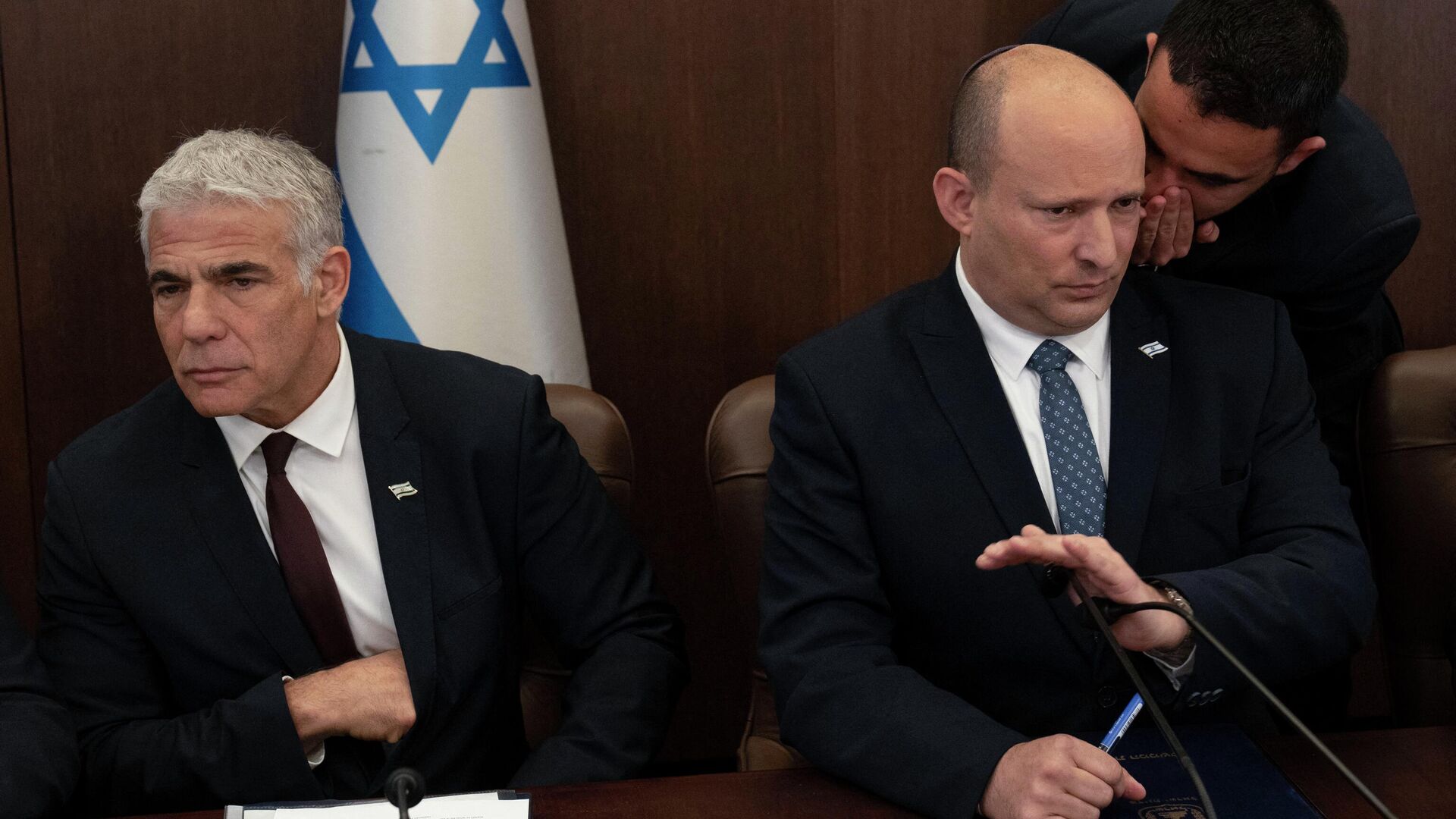
07:52 GMT 27.06.2022 (Updated: 08:04 GMT 27.06.2022) If Israel's parliament is dissolved later on Monday, Lapid will automatically become the country's next premier. He will remain in his seat until November, when the nation will go to the polls.
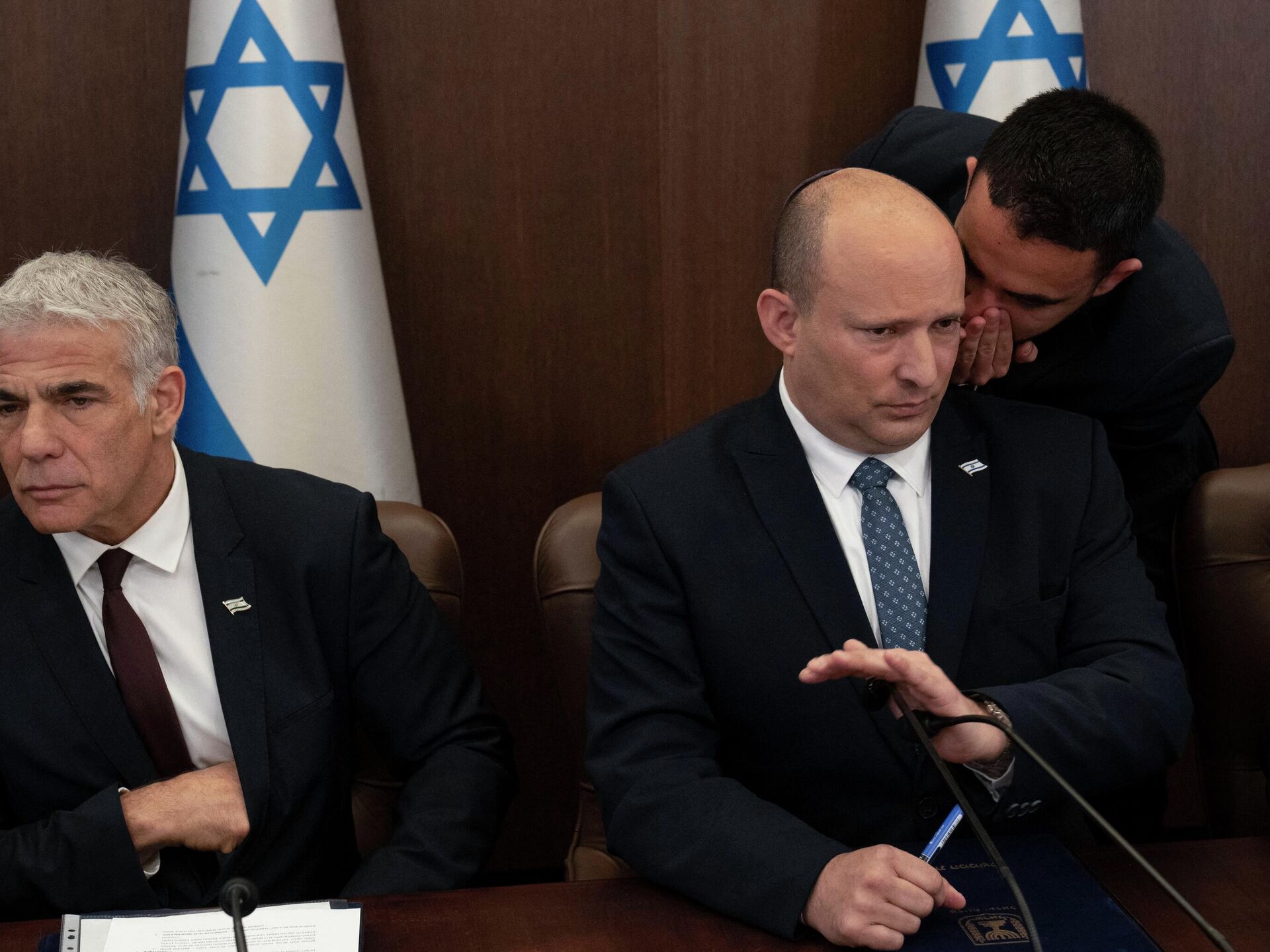
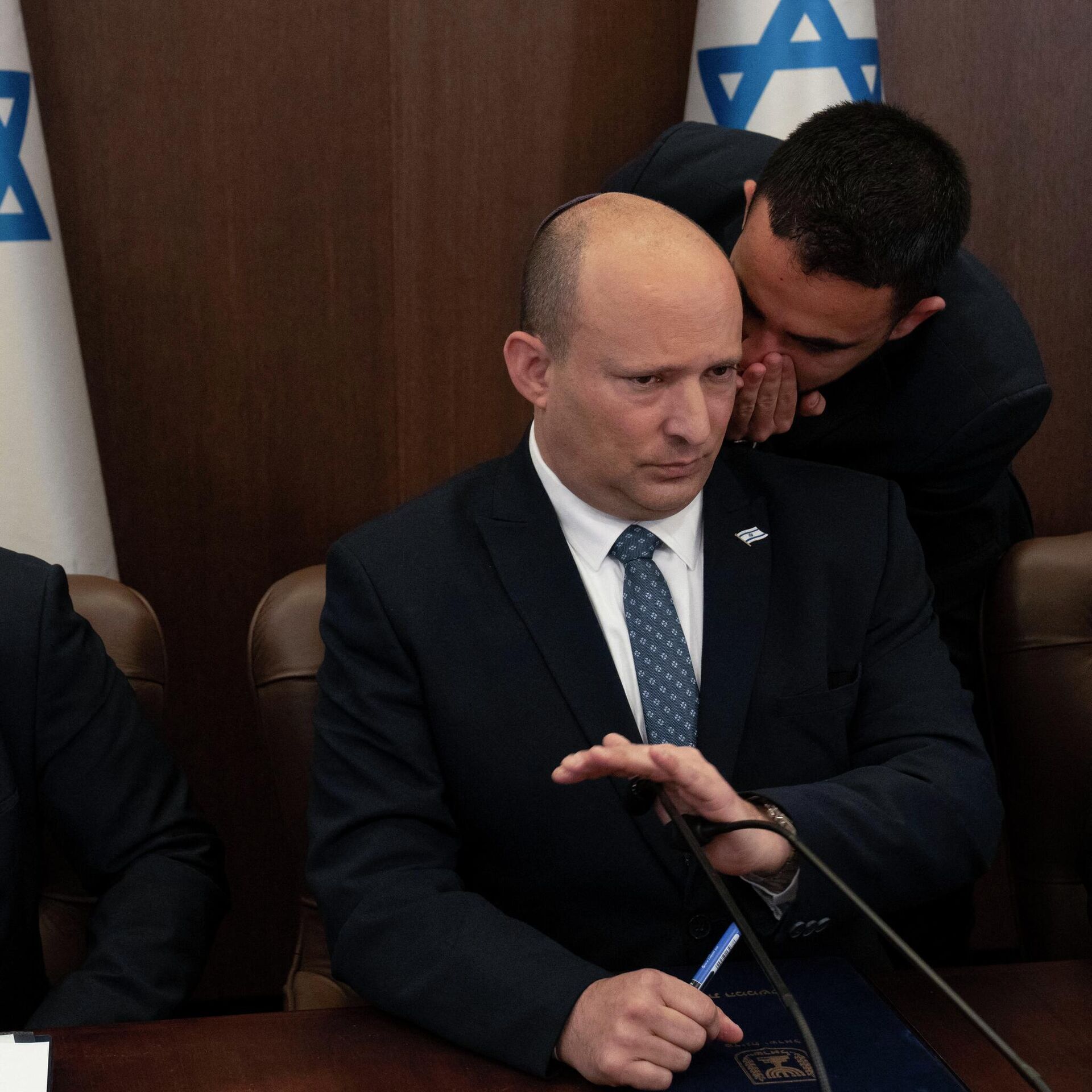
On Monday, Israel's Knesset is set to convene again to vote on its dissolution. A day later (or maybe on Wednesday), if this takes place, the PM’s seat will be taken by Yair Lapid, who has been serving as the country's foreign minister.
He is expected to remain in this position until November, when the country will head to the polls for the fifth time in three years. What can Israel expect from him, and what obstacles will he be facing? Sputnik sums them up.
Lapid will take the helm of a country in a dire security situation. Since March, Arab and Palestinian terrorists have carried out five major attacks, which have claimed the lives of 20 Israelis.
Ordinary Israelis have been largely critical of Bennett and his government for the decisions he has been making. One such move was the appointment of Omer Bar Lev to the position of Public Security Minister; Lev was earlier slammed for not knowing enough about the terror attacks that have recently flooded Israel. He has also been criticized for the concessions he has been giving to Gazans, primarily the work permits that have been granted to the Palestinians allowing them to be employed in the Jewish state.
The new PM will be expected not to repeat the mistakes of the past. However, given his liberal tendencies and lack of a relevant security background, there are worries that public safety will take a hit.
Several years ago, in 2014, concerns about Lapid were voiced by Israel's former defense minister Moshe Boogie Ayalon. Now, he rarely shares his views, but as the election campaign progresses, such opinions will
resurface again.
The Economy is Everything
Israel has managed to get back on track since the coronavirus pandemic and the economic crisis it unleashed. Unemployment rates have been falling gradually. In April, they stood at 3.1 percent, as compared to 20 percent in the midst of the pandemic in 2020. Inflation, which has been raging in other parts of the world, has mostly spared the
country so far; it is currently
only 4 percent.
However, experts have already warned that this is temporary. Since February 24, when Russia launched its special military operation in Ukraine, the Western economies have faced inflation, and its waves are expected to hit Israel too, Israeli news websites
Calcasieu warned.
In a way, it has already started taking place. The past half-year registered a spike in prices which exceeds 13 percent for basic products, including bread and milk. The cost of living has also risen, especially with respect to fuel, real estate and electricity.
People have already started setting up tents in the center of Israel to protest rising real estate prices. Next Saturday evening, thousands will take to the streets of Tel Aviv to vent their anger at the government for not doing enough to solve their economic problems. The ability of Lapid to address and ease these woes will now be put to the test.
In mid-July Lapid will be welcoming US President Joe Biden, who is visiting the region reportedly in order to advance a normalization deal between Israel and
Saudi Arabia.
Previously, Riyadh stressed that any pact with officials in Jerusalem will only be possible if Israel addresses its problem with the Palestinians, but many doubt whether Lapid can bring an end to the decades-long conflict.
His coalition will still rely on a number of conservative parties, and those are unlikely to concede to the Palestinians. Will the Americans be willing to give Lapid such presents as a normalization deal, knowing that his government might not survive past November?
However, Lapid’s main challenge will be to bridge the gaps between Israel's liberals and conservatives.
Last week, right after the collapse of the government, Lapid tweeted that the main goal was to "keep the Israeli unity". However, his comments have triggered harsh criticism. Israelis have called him a "national inciter," a man without a spine and one who spreads empty promises and clichés.
Only 31 percent believed he was fit for the position of prime minister, a channel 11 poll found. Almost 50 percent of those asked threw their support behind former PM
Benjamin Netanyahu.