https://sputnikglobe.com/20220806/amnestys-state-dept-cia-links-make-report-on-ukrainian-army-crimes-all-the-more-damning-observer-1098456816.html
Amnesty’s State Dept, CIA Links Make Report on Ukrainian Army Crimes All the More Damning: Observer
Amnesty’s State Dept, CIA Links Make Report on Ukrainian Army Crimes All the More Damning: Observer
Sputnik International
The London-headquartered human rights-focused NGO’s report incriminating the Ukrainian military in the deliberate deployment of troops inside schools... 06.08.2022, Sputnik International
2022-08-06T10:17+0000
2022-08-06T10:17+0000
2022-10-19T20:56+0000
russia
amnesty international
report
america
ukraine
https://cdn.imgsputnikglobe.com/img/07e6/08/06/1098448488_0:120:1280:840_1920x0_80_0_0_647593ac6ad117343ff83d04c5bba9a1.jpg
Amnesty International’s report on the Ukrainian military’s deployments inside civilian areas and the employment of tactics which endanger civilian lives is all the more damning given the organization’s anti-Russia bias and links to the US government and intelligence services, US journalist and political commentator Don DeBar believes.The observer recalled Amnesty Secretary General Agnes Callamard’s links to a group known as Article 19, which has taken Washington’s position on the Ukraine crisis from day one following the 2014 Maidan coup d’état, and which stated at the start of Russia’s military operation in February that it “stands in solidarity with the people of Ukraine in the face of unprovoked acts of war by the Russian Federation.”Notwithstanding “such obvious partisanship,” DeBar said, Amnesty nevertheless released a report based on eyewitness testimony detailing Ukrainian troops’ attacks against Russian forces from inside residential areas. “This strongly suggests that the behavior of the Armed Forces of Ukraine was even more egregious than Amnesty is reporting,” the observer believes.In its report, based on on-the-ground research in Donbass, and the regions of Kharkov and Nikolaev, the human rights watchdog detailed what Agnes Callamard characterized as a “pattern of Ukrainian forces putting civilians at risk and violating the laws of war” by placing troops inside schools and hospitals, and launching strikes from residential areas to provoke a Russian response.Amnesty alleged that Russian forces had also engaged in illegal activity, including the use of “inherently indiscriminate cluster munitions” and “other explosive weapons with wide area effects,” echoing claims made in previous reports. The Russian military has consistently dismissed such allegations, maintaining that its attacks on Ukrainian forces involve the use of precision strike weapons, and that it takes measures to avoid civilian casualties.Effort to Save FaceDeBar believes that Amnesty’s report, coming on the heels of more and more witness testimonies, videos, and other materials clearly demonstrating behavior violating the laws of war by Ukrainian forces, is evidence of a growing “dilemma” for the US and NATO “between their months-long narrative and the facts as disclosed by the victims of this US-backed adventure.”Ultimately, DeBar argues that the reality on the ground in Ukraine goes against “the fake narrative” spun by Washington “to a greater degree every day,” thus “requiring the various organs of Western propaganda to slowly disassemble the web of lies so that they can maintain some measure of their remaining, tattered credibility.”Ukrainian authorities blasted Amnesty over its report, with President Volodymyr Zelensky accusing the rights group of trying “to amnesty the terrorist state and shift the responsibility from the aggressor to the victim.”Amnesty International Ukraine office director Oksana Pokalchuk resigned over the report, accusing the watchdog of creating materials “that sound like support for Russian narratives,” demanding it be deleted and rewritten, and blasting it for failing to “take into account the position of the Ukrainian Ministry of Defense.”
https://sputnikglobe.com/20220805/amnesty-defends-report-calling-out-kiev-over-bases-in-civilian-areas-after-criticism-from-zelensky-1098285266.html
https://sputnikglobe.com/20220804/ukraine-endangers-civilians-by-setting-up-military-bases-in-schools-residential-areas---watchdog-1098094013.html
russia
ukraine
Sputnik International
feedback@sputniknews.com
+74956456601
MIA „Rossiya Segodnya“
2022
News
en_EN
Sputnik International
feedback@sputniknews.com
+74956456601
MIA „Rossiya Segodnya“
Sputnik International
feedback@sputniknews.com
+74956456601
MIA „Rossiya Segodnya“
russia, amnesty international, report, america, ukraine
russia, amnesty international, report, america, ukraine
Amnesty’s State Dept, CIA Links Make Report on Ukrainian Army Crimes All the More Damning: Observer
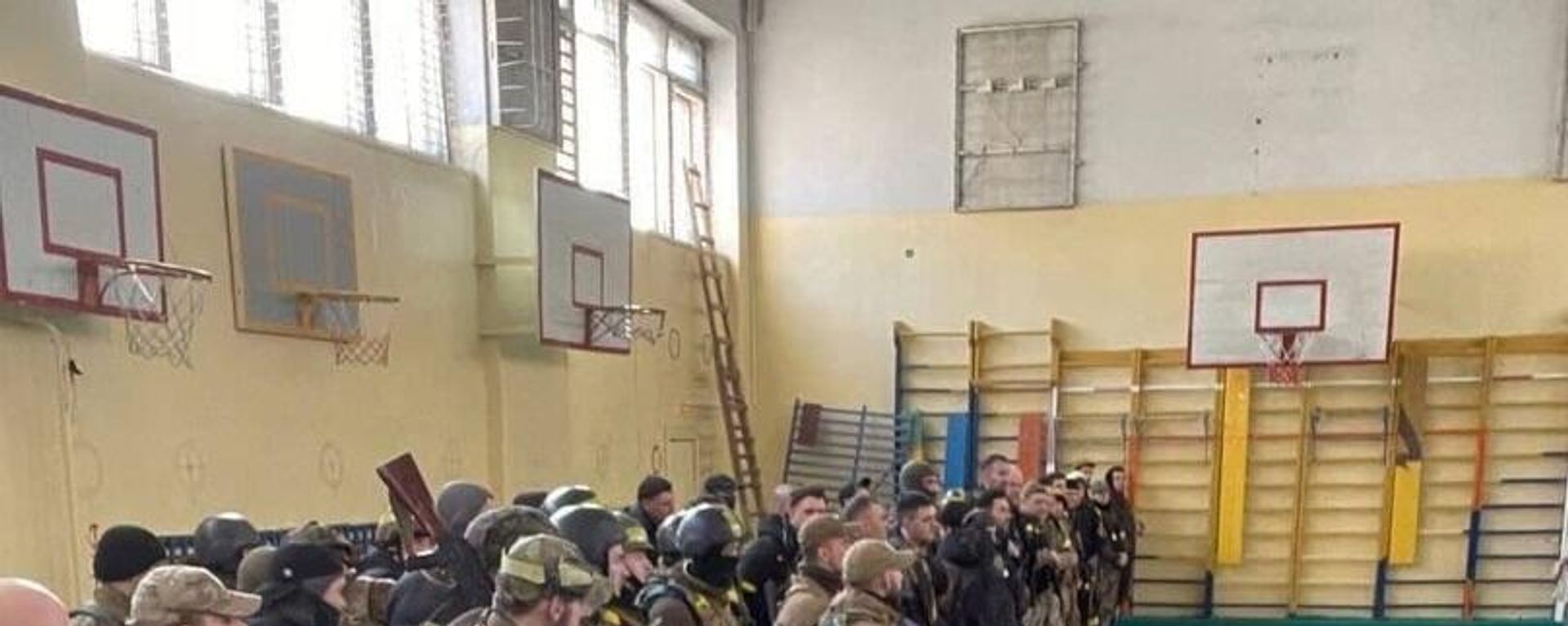
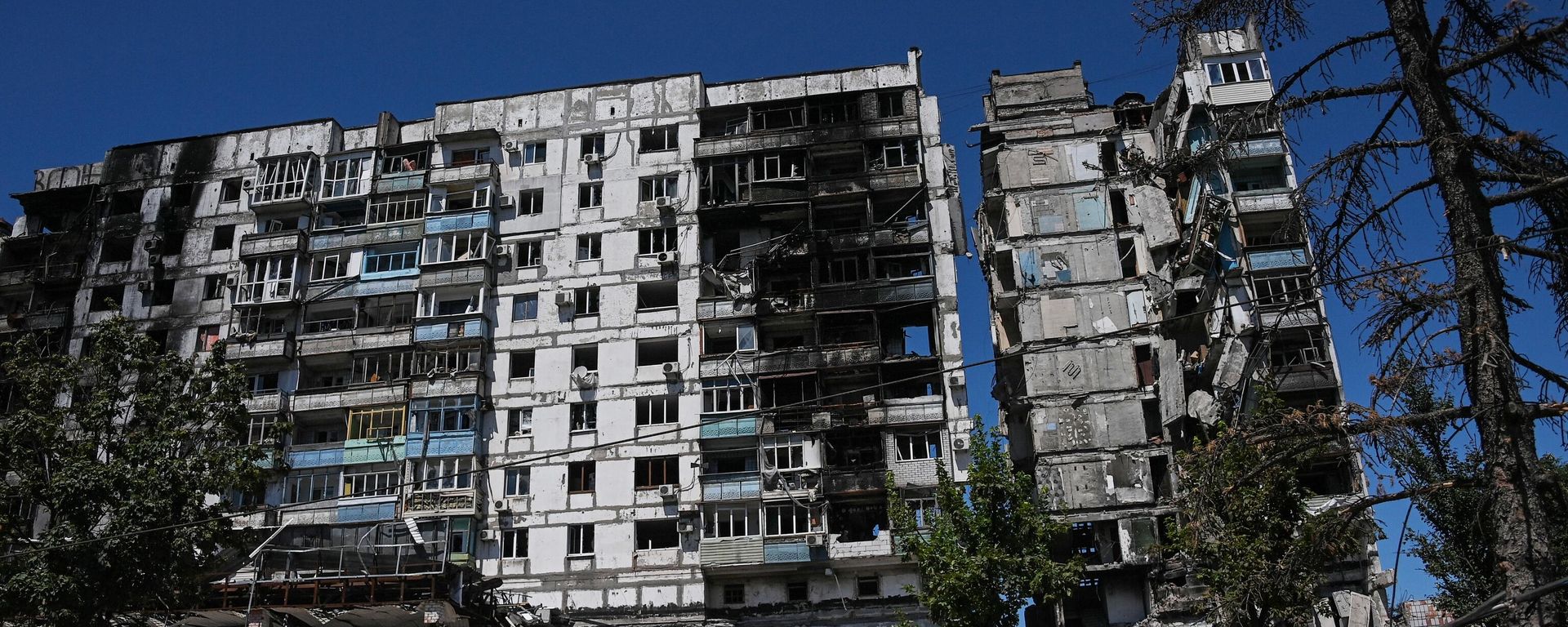
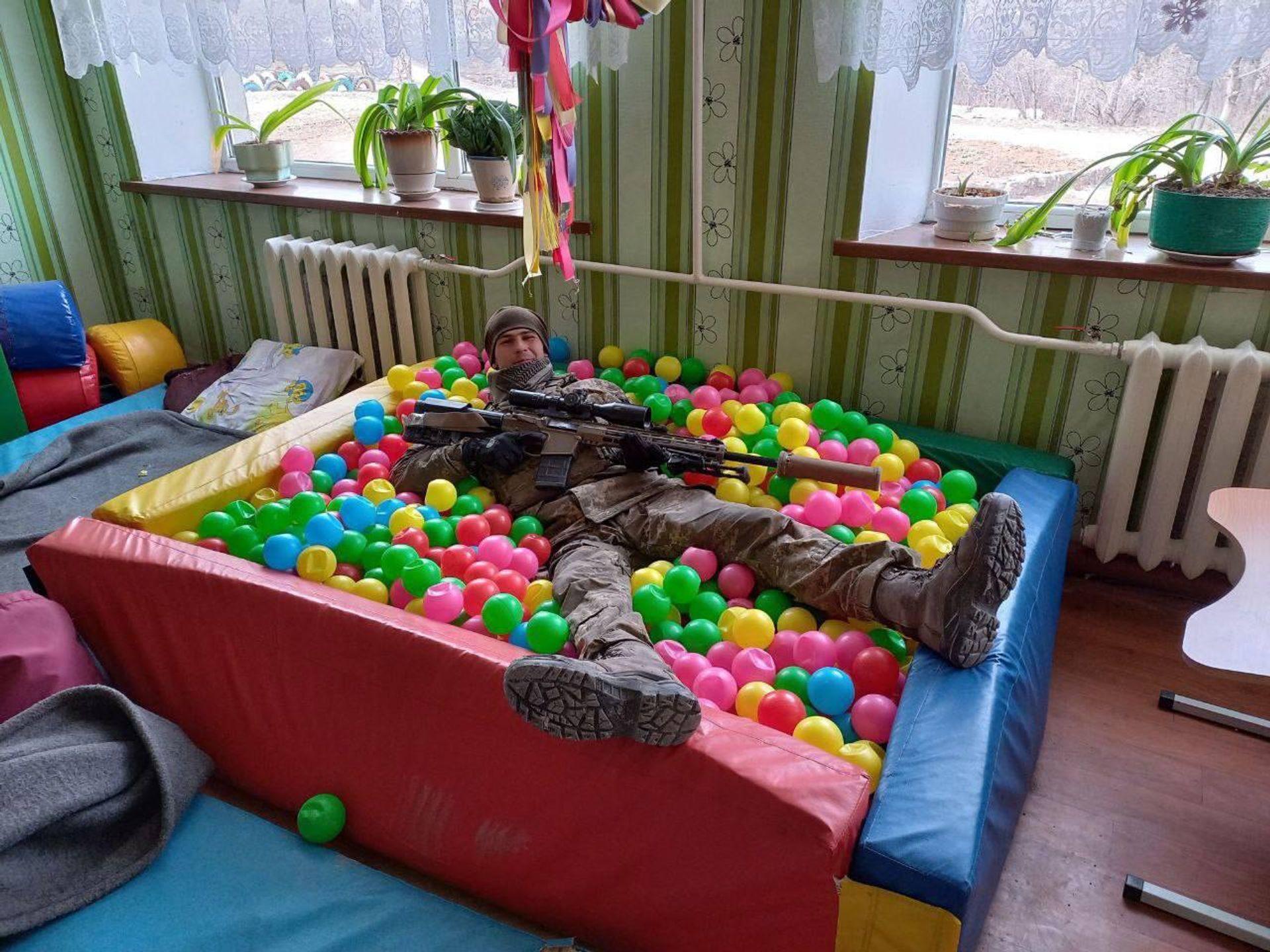
10:17 GMT 06.08.2022 (Updated: 20:56 GMT 19.10.2022) The London-headquartered human rights-focused NGO’s report incriminating the Ukrainian military in the deliberate deployment of troops inside schools, hospitals, and residential areas sparked intense criticism from Kiev, which accused Amnesty of victim blaming.
Amnesty International’s report on the Ukrainian military’s deployments inside civilian areas and the employment of tactics which endanger civilian lives is all the more damning given the organization’s anti-Russia bias and links to the US government and intelligence services, US journalist and political commentator Don DeBar believes.
“First, considering that these materials come from Amnesty International, it is necessary to understand that the material they have is likely being presented in a way that is the least favorable to Russia. It is long and well known that Amnesty is closely linked to the US State Department and has shared senior executives with State and CIA-linked US NGOs,” DeBar told Sputnik.
The observer recalled Amnesty Secretary General Agnes Callamard’s links to a group known as
Article 19, which has taken Washington’s position on the Ukraine crisis from day one following the 2014 Maidan coup d’état, and which stated at the start of Russia’s military operation in February that it “stands in solidarity with the people of Ukraine in the face of unprovoked acts of war by the Russian Federation.”
Notwithstanding “such obvious partisanship,” DeBar said, Amnesty nevertheless released a report based on eyewitness testimony detailing Ukrainian troops’ attacks against Russian forces from inside residential areas. “This strongly suggests that the behavior of the Armed Forces of Ukraine was even more egregious than Amnesty is reporting,” the observer believes.
In its
report, based on on-the-ground research in Donbass, and the regions of Kharkov and Nikolaev, the human rights watchdog detailed what Agnes Callamard characterized as a “pattern of Ukrainian forces putting civilians at risk and violating the laws of war” by placing troops inside schools and hospitals, and launching strikes from residential areas to provoke a Russian response.
Amnesty alleged that Russian forces had also engaged in illegal activity, including the use of “inherently indiscriminate cluster munitions” and “other explosive weapons with wide area effects,” echoing
claims made in previous reports. The Russian military has consistently dismissed such allegations, maintaining that its attacks on Ukrainian forces involve the use of precision strike weapons, and that it takes measures to avoid civilian casualties.
DeBar believes that Amnesty’s report, coming on the heels of more and more witness testimonies, videos, and other materials clearly demonstrating behavior violating the laws of war by Ukrainian forces, is evidence of a growing “dilemma” for the US and NATO “between their months-long narrative and the facts as disclosed by the victims of this US-backed adventure.”
“The evidence will force some kind of acknowledgement of reality over the phony narrative that has been peddled by US and EU media and their respective media,” the journalist stressed. Unfortunately, he suggested, “given the tightening knot of restrictions on independent and foreign media that continues to grow even today, it is less and less likely that this information will reach mass audiences in Europe and/or the US.”
Ultimately, DeBar argues that the reality on the ground in Ukraine goes against “the fake narrative” spun by Washington “to a greater degree every day,” thus “requiring the various organs of Western propaganda to slowly disassemble the web of lies so that they can maintain some measure of their remaining, tattered credibility.”
Ukrainian authorities
blasted Amnesty over its report, with President Volodymyr Zelensky accusing the rights group of trying “to amnesty the terrorist state and shift the responsibility from the aggressor to the victim.”
Amnesty International Ukraine office director Oksana Pokalchuk
resigned over the report, accusing the watchdog of creating materials “that sound like support for Russian narratives,” demanding it be deleted and rewritten, and blasting it for failing to “take into account the position of the Ukrainian Ministry of Defense.”