https://sputnikglobe.com/20220901/chancellor-scholz-germany-to-probably-handle-winter-in-case-russia-halts-gas-supplies-1100284520.html
Chancellor Scholz: Germany to 'Probably' Handle Winter in Case Russia Halts Gas Supplies
Chancellor Scholz: Germany to 'Probably' Handle Winter in Case Russia Halts Gas Supplies
Sputnik International
BERLIN (Sputnik) - Germany has taken a big package of measures, and even if Russia no longer supplies gas to Germany, the country "probably" can still manage... 01.09.2022, Sputnik International
2022-09-01T18:47+0000
2022-09-01T18:47+0000
2022-09-01T18:47+0000
olaf scholz
europe
russia
gas
nord stream pipeline
https://cdn.imgsputnikglobe.com/img/07e6/08/13/1099771156_0:76:3368:1971_1920x0_80_0_0_ceef221a22d7aa2198148b8ef56a294f.jpg
The priority right now is to ensure the supply of energy sources, such as coal, oil and gas, from Russia, Norway, the Netherlands and through the Western European direction, according to Scholz.Scholz noted that the country is currently building liquefied natural gas (LNG) terminals on the North German coast, on the North and Baltic Seas, as well as pipelines to additionally import products. The first terminals will be launched next January. A decision was also made to fill the country's gas storage facilities. In addition, the government decided to resume the operation of coal-fired power plants.During a series of dialogues with citizens, in the format of a city assembly, the official plans to visit all 16 federal states of Germany. The first of these meetings took place in the summer in Lubeck and then in Magdeburg.Nord Stream 1, the main pipeline supplying Europe with Russian natural gas, was operating at 40% of its capacity since mid-June and at 20% from the end of July. Russian energy giant Gazprom attributed lower volumes to the problems with maintenance and repair of the Siemens turbines.
russia
Sputnik International
feedback@sputniknews.com
+74956456601
MIA „Rossiya Segodnya“
2022
Sputnik International
feedback@sputniknews.com
+74956456601
MIA „Rossiya Segodnya“
News
en_EN
Sputnik International
feedback@sputniknews.com
+74956456601
MIA „Rossiya Segodnya“
Sputnik International
feedback@sputniknews.com
+74956456601
MIA „Rossiya Segodnya“
olaf scholz, europe, russia, gas, nord stream pipeline
olaf scholz, europe, russia, gas, nord stream pipeline
Chancellor Scholz: Germany to 'Probably' Handle Winter in Case Russia Halts Gas Supplies
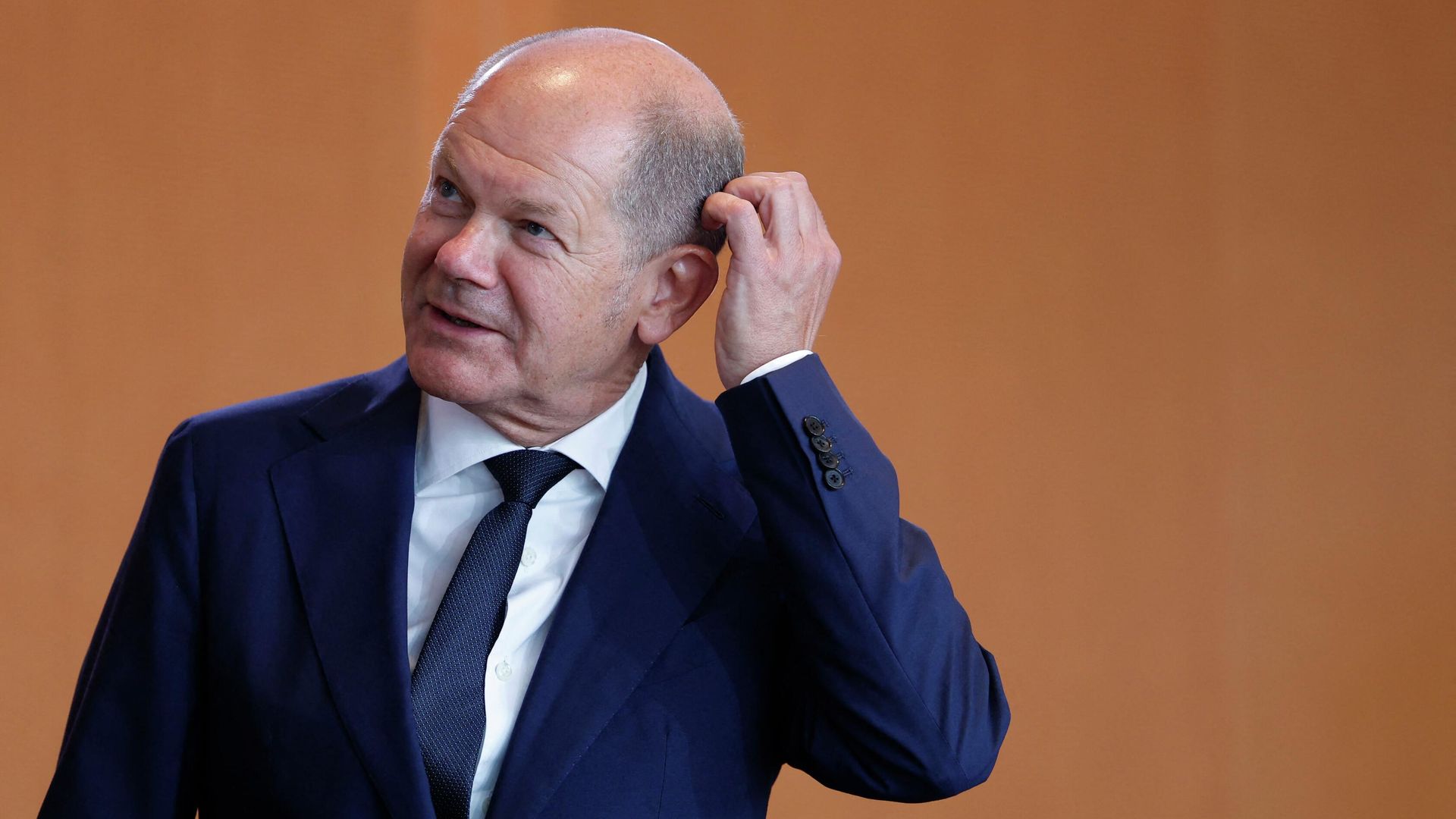
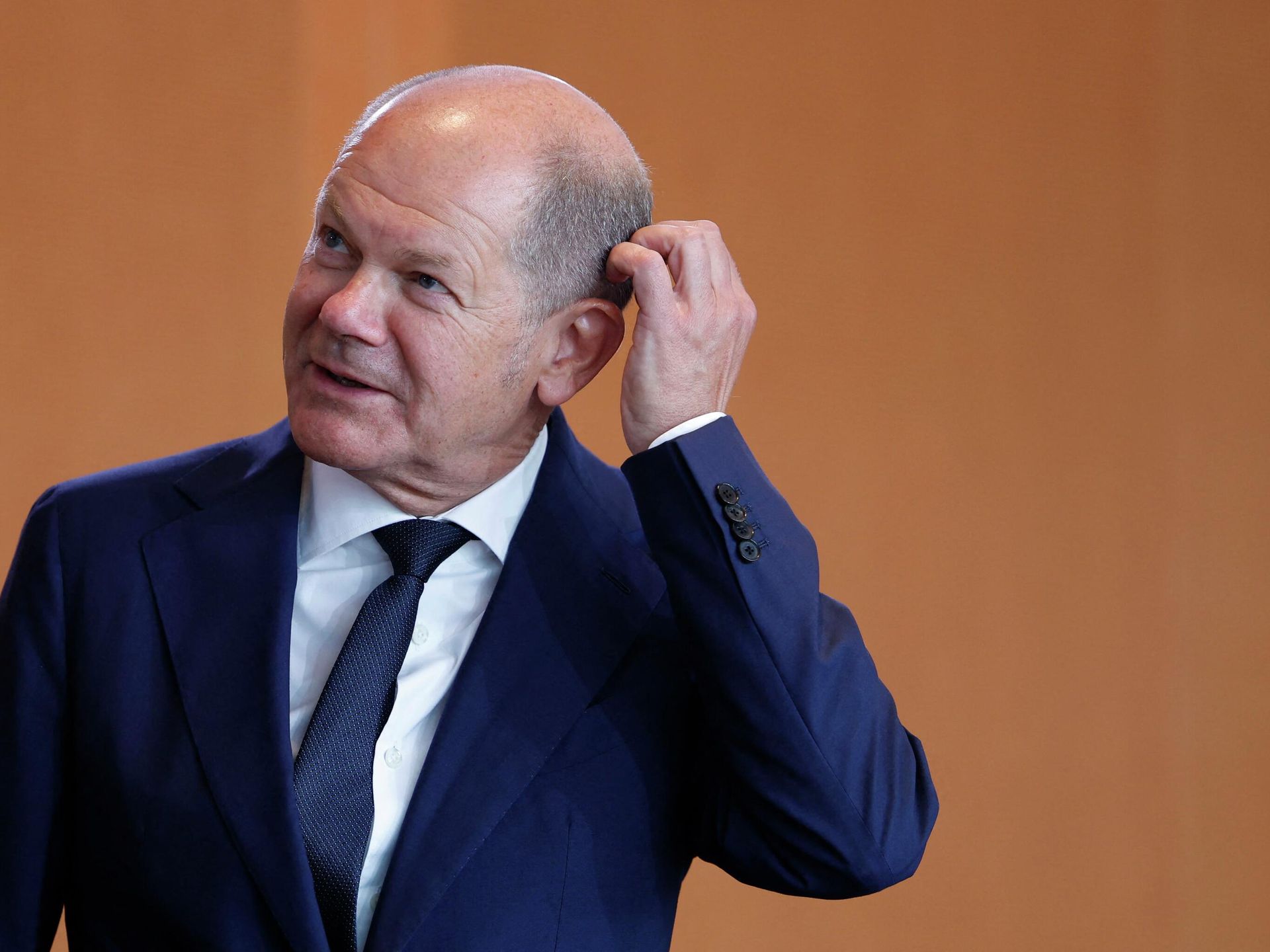
BERLIN (Sputnik) - Germany has taken a big package of measures, and even if Russia no longer supplies gas to Germany, the country "probably" can still manage this winter, German Chancellor Olaf Scholz said on Thursday.
The priority right now is to
ensure the supply of energy sources, such as coal, oil and gas, from Russia, Norway, the Netherlands and through the Western European direction, according to Scholz.
"However, if Russia halts deliveries, which it keeps reducing, then we can increase deliveries from Norway, the Netherlands, from the Western European direction," the minister said at a meeting with fellow citizens in the western city of Essen.
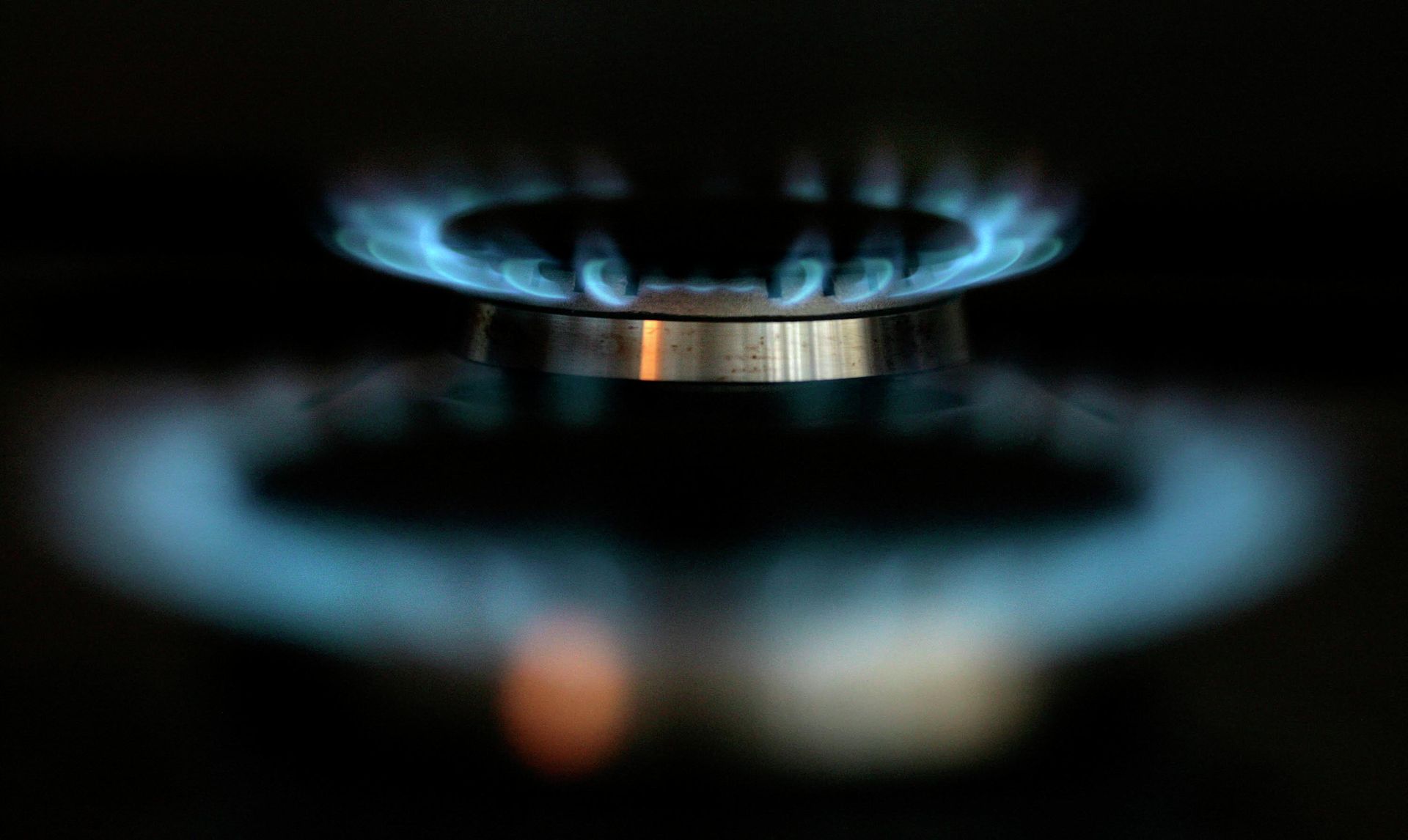
Scholz noted that the country is currently building liquefied natural gas (LNG) terminals on the North German coast, on the North and Baltic Seas, as well as pipelines to additionally import products. The first terminals will be launched next January. A decision was also made to fill the country's gas storage facilities. In addition, the government decided to resume the operation of coal-fired power plants.
"And in this regard, we can now say that even if it is very difficult, we can probably manage this winter," the minister emphasized.
During a series of dialogues with citizens, in the format of a city assembly, the official plans to visit all 16 federal states of Germany. The first of these meetings took place in the summer in Lubeck and then in Magdeburg.
Nord Stream 1, the main pipeline supplying Europe with Russian natural gas, was operating at 40% of its capacity since mid-June and at 20% from the end of July. Russian energy giant Gazprom attributed lower volumes to the problems with maintenance and repair of the Siemens turbines.