https://sputnikglobe.com/20220908/importing-crude-from-russia-part-of-indias-inflation-management-policy-finance-minister-says-1100532373.html
Importing Crude From Russia Part of India's ‘Inflation Management’ Policy, Finance Minister Says
Importing Crude From Russia Part of India's ‘Inflation Management’ Policy, Finance Minister Says
Sputnik International
Indian retail inflation in July was roughly 6.7 percent higher than in 2021 in the same month, largely due to volatility in global food and fuel prices... 08.09.2022, Sputnik International
2022-09-08T11:09+0000
2022-09-08T11:09+0000
2022-09-08T11:09+0000
india
russia
crude oil
nirmala sitharaman
narendra modi
western sanctions
inflation
https://cdn.imgsputnikglobe.com/img/07e6/09/08/1100538425_0:81:3070:1808_1920x0_80_0_0_02ce116365895202690dd133966c385d.jpg
Indian Finance Minister Nirmala Sitharaman has said that New Delhi's decision to import crude from Russia despite warnings from Western nations is part of New Delhi’s overall efforts to manage retail inflation in the country.The minister underlined that India’s overall crude imports from foreign countries was to the tune of 85 percent, with the remaining requirements met from domestic sources of energy.Sitharaman revealed that the decision to import crude from Russia was made by Prime Minister Narendra Modi, who chairs the Cabinet Committee on Economic Affairs (CCEA).“Get it from Russia because they are willing to give you oil at a discount,” she quoted the PM as saying.She noted that the prime minister made the decision to boost Russian oil imports in spite of the threat of political implications arising from such a move from New Delhi’s Western partners. US President Joe Biden was among those who criticized New Delhi’s purchases of Russian crude back in April.She further noted that other US allies such as Japan and even EU nations like Italy were continuing to import Russian crude, which have been kept out of six rounds of Western economic sanctions leveled against Moscow by the G7+1 allies, which include US, Canada, Japan, United Kingdom, France, Italy, Germany, as well as the European Union (EU).During the G7 Leaders’ Summit held in Germany in June, where Prime Minister Modi was invited as the head of one of the "partner countries," the Indian leader rebuffed the West’s criticism about India-Russia energy trade. At the time, Modi said that India would continue to “ensure its energy security.”Global crude prices hit a record high of $120 a barrel in June, the highest since the global financial crisis (GFC) in 2008, amid worries over supply-side constraints in the wake of Moscow’s special military operation in Ukraine launched in February this year.While the EU, traditionally the biggest importer of Russian energy, drew down its import of Russian oil, countries like India and China decided to significantly upgrade their energy ties with Moscow in view of the prevailing high global prices.
https://sputnikglobe.com/20220906/attempt-to-cap-russian-crude-prices-reflects-failure-of-western-sanctions-indian-author-says-1100430766.html
russia
Sputnik International
feedback@sputniknews.com
+74956456601
MIA „Rossiya Segodnya“
2022
News
en_EN
Sputnik International
feedback@sputniknews.com
+74956456601
MIA „Rossiya Segodnya“
Sputnik International
feedback@sputniknews.com
+74956456601
MIA „Rossiya Segodnya“
india, russia, crude oil, nirmala sitharaman, narendra modi, western sanctions, inflation
india, russia, crude oil, nirmala sitharaman, narendra modi, western sanctions, inflation
Importing Crude From Russia Part of India's ‘Inflation Management’ Policy, Finance Minister Says
Indian retail inflation in July was roughly 6.7 percent higher than in 2021 in the same month, largely due to volatility in global food and fuel prices triggered by Western sanctions against Russia over its military operation in Ukraine. India's top bank, the RBI, aims to reduce the overall inflation to below 6 percent.
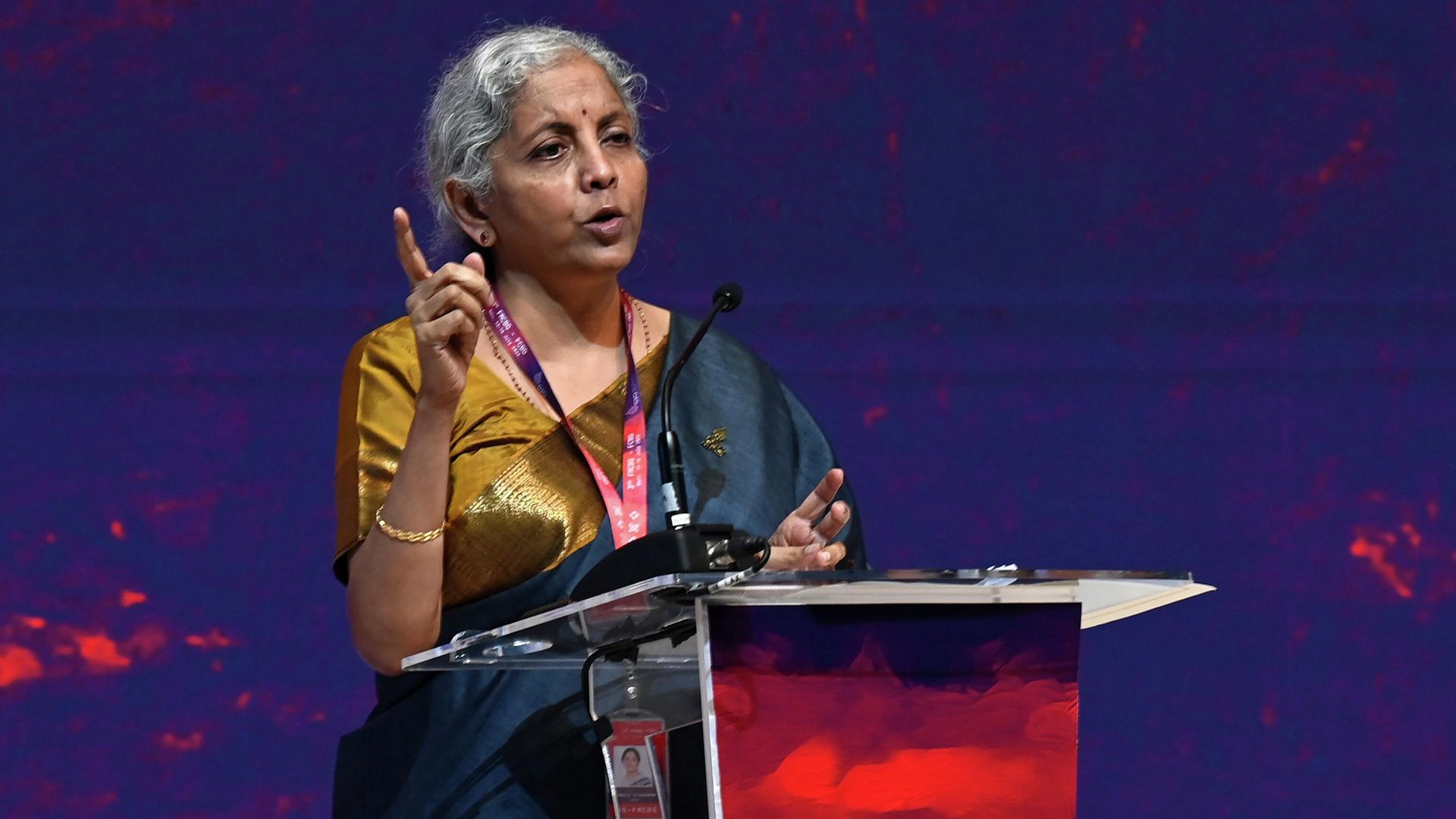
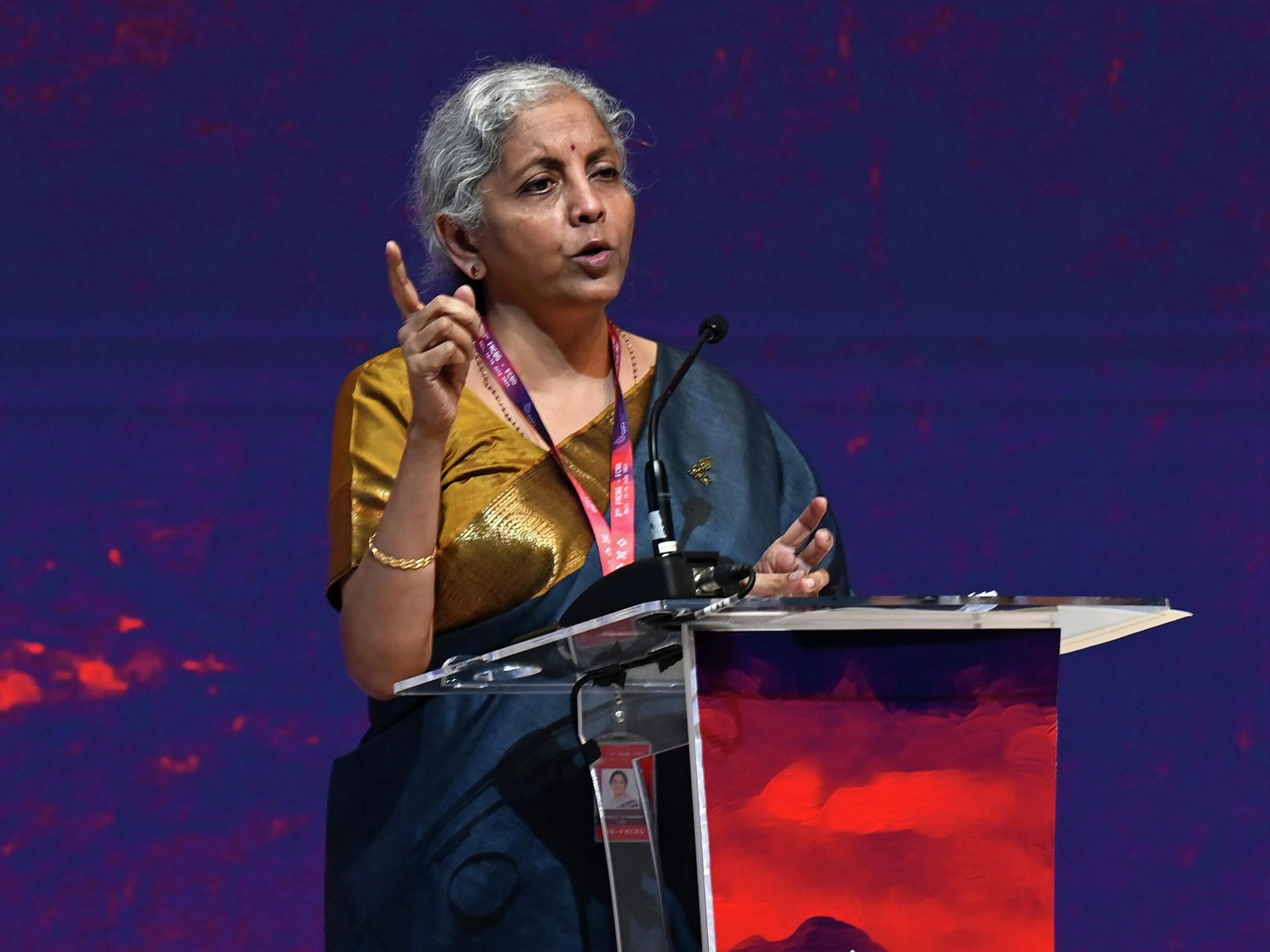
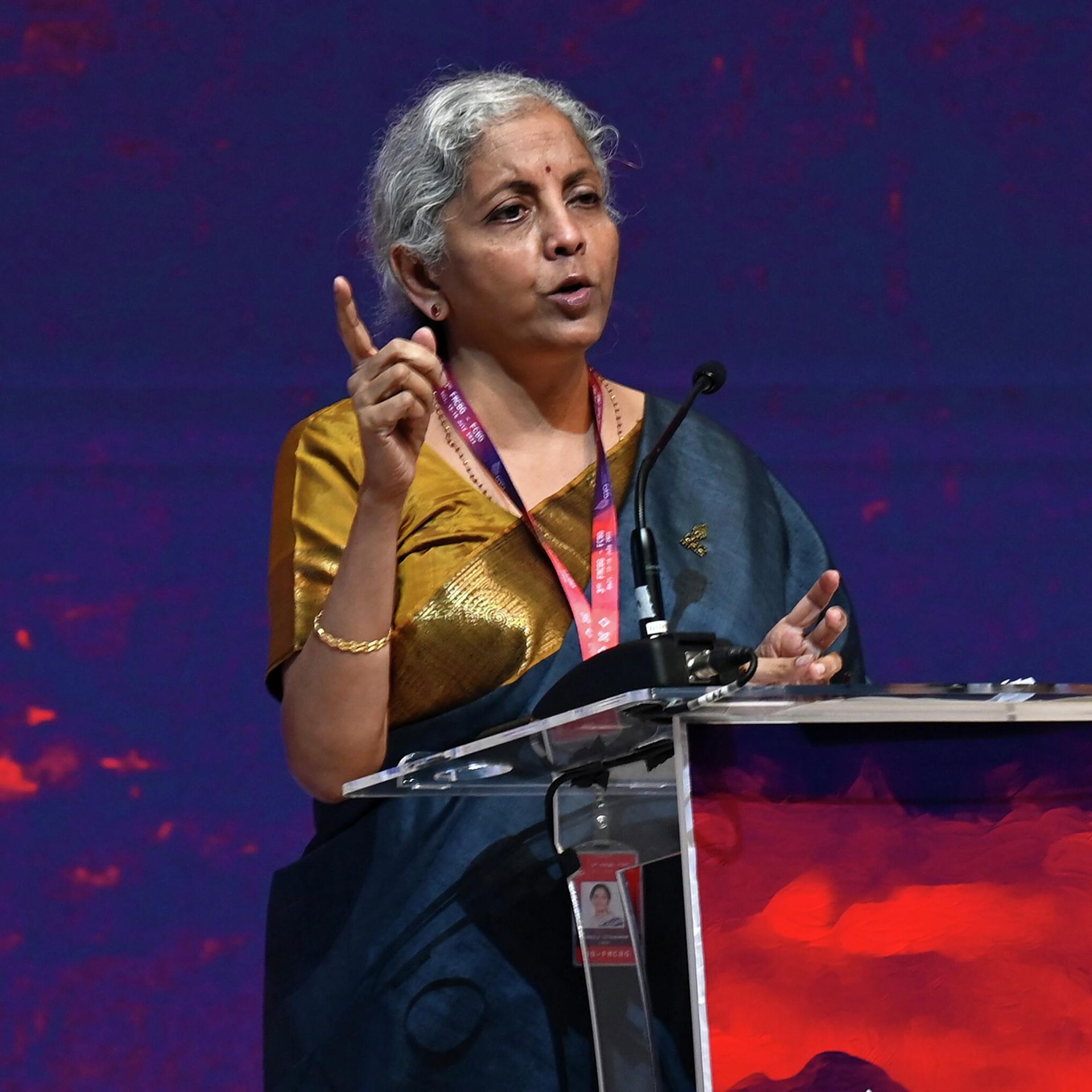
Indian Finance Minister Nirmala Sitharaman has said that New Delhi's decision to import crude from Russia despite warnings from Western nations is part of New Delhi’s overall efforts to manage retail inflation in the country.
“Whereas our overall crude imports had just 2 percent or less than two percent of [a] Russian component into our crude basket, it was ramped up to almost 12 to 13 percent. That’s talking about a couple of months,” Sitharaman stated during a speech at the event "Taming Inflation," organized by the Indian Council for Research on International Economic Relations (ICRIEC).
The minister underlined that India’s overall crude imports from foreign countries was to the tune of 85 percent, with the remaining requirements met from domestic sources of energy.
Sitharaman revealed that the decision to import crude from Russia was made by Prime Minister Narendra Modi, who chairs the Cabinet Committee on Economic Affairs (CCEA).
“At that stage, to take a very strong political decision. I respect the Prime Minister for his courage on this,” Sitharaman said.
“Get it from Russia because they are willing to give you oil at a discount,” she quoted the PM as saying.
She noted that the prime minister made the decision to boost Russian oil imports in spite of the threat of political implications arising from such a move from New Delhi’s Western partners. US President
Joe Biden was among those who criticized New Delhi’s purchases of Russian crude back in April.
“And that’s where I give credit to the statesmanship of the prime minister, to make sure that we kept intact our other global relationships yet managed, till today, to get the Russian fuel,” Sitharaman stated.
She further noted that other US allies such as Japan and even EU nations like Italy were continuing to import Russian crude, which have been kept out of six rounds of Western economic sanctions leveled against Moscow by the G7+1 allies, which include US, Canada, Japan, United Kingdom, France, Italy, Germany, as well as the European Union (EU).
6 September 2022, 14:17 GMT
During the G7 Leaders’ Summit held in Germany in June, where Prime Minister Modi was invited as the head of one of the "partner countries," the Indian leader rebuffed the West’s criticism about India-Russia energy trade. At the time, Modi said that India would continue to “
ensure its energy security.”Global crude prices hit a record high of $120 a barrel in June, the highest since the global financial crisis (GFC) in 2008, amid worries over supply-side constraints in the wake of Moscow’s special military operation in Ukraine launched in February this year.
While the EU, traditionally the biggest importer of Russian energy, drew down its import of Russian oil, countries like India and China decided to significantly upgrade their energy ties with Moscow in view of the prevailing high global prices.