https://sputnikglobe.com/20220913/almost-50-of-japanese-support-development-of-new-generation-nuclear-reactors---poll-1100705249.html
Almost 50% of Japanese Support Development of New Generation Nuclear Reactors - Poll
Almost 50% of Japanese Support Development of New Generation Nuclear Reactors - Poll
Sputnik International
TOKYO (Sputnik) - Almost half of the Japanese support the government's initiative to develop new generation nuclear reactors, according to a poll conducted by... 13.09.2022, Sputnik International
2022-09-13T06:00+0000
2022-09-13T06:00+0000
2023-04-06T12:14+0000
japan
https://cdn1.img.sputnikglobe.com/img/103355/48/1033554858_0:0:4000:2251_1920x0_80_0_0_9f34c352448f5aac272ea086c8b65ccd.jpg
A total of 48% of the respondents supported the idea of developing nuclear reactors of a new generation, while 32% opposed it, the poll found. Another 20% of the survey participants remained undecided.The survey was conducted on September 9-11 through random telephone conversations among 1,255 people over the age of 18.Japanese Prime Minister Fumio Kishida said in late August during a government meeting on energy that the authorities intend to take all measures to restart the existing nuclear power units in the country, and will also consider the construction of new generation nuclear reactors amid rising energy prices.The Japanese government aims to restart seven domestic nuclear reactors in different parts of the country by next summer, bringing the total number of operating power units to 17, Japanese media said. The government mulls launching units 6 and 7 of the Kashiwazaki-Kariwa nuclear power plant, unit 2 of the Onagawa plant, units 1 and 2 of the Takahama plant, unit 2 of the Shimane plant and unit 7 of the Tokai-2 plant.Japan's ministry of economy, trade and industry may also consider extending the maximum operating period of nuclear reactors, which is now 40 years. Under Japanese laws, the lifespan can be prolonged to 60 years if a facility meets all the requirements and passes inspection.Japan currently has 10 operating nuclear units, but only half of them generate power, while the rest are going through additional inspections. Nuclear energy covered up to 30% of Japan's total energy demand before the 2011 Fukushima accident, when an earthquake and a tsunami caused the world's second-largest nuclear accident after the Chernobyl disaster.Experts say that several regions of Japan may face problems with electricity supply due to the rising prices for liquefied natural gas and unstable energy supplies. The upcoming heating season could be the most challenging for the country since 2012, when all nuclear power plants were shut down after the Fukushima accident.
japan
Sputnik International
feedback@sputniknews.com
+74956456601
MIA „Rossiya Segodnya“
2022
Sputnik International
feedback@sputniknews.com
+74956456601
MIA „Rossiya Segodnya“
News
en_EN
Sputnik International
feedback@sputniknews.com
+74956456601
MIA „Rossiya Segodnya“
Sputnik International
feedback@sputniknews.com
+74956456601
MIA „Rossiya Segodnya“
japan
Almost 50% of Japanese Support Development of New Generation Nuclear Reactors - Poll
06:00 GMT 13.09.2022 (Updated: 12:14 GMT 06.04.2023) TOKYO (Sputnik) - Almost half of the Japanese support the government's initiative to develop new generation nuclear reactors, according to a poll conducted by Japanese broadcaster NHK.
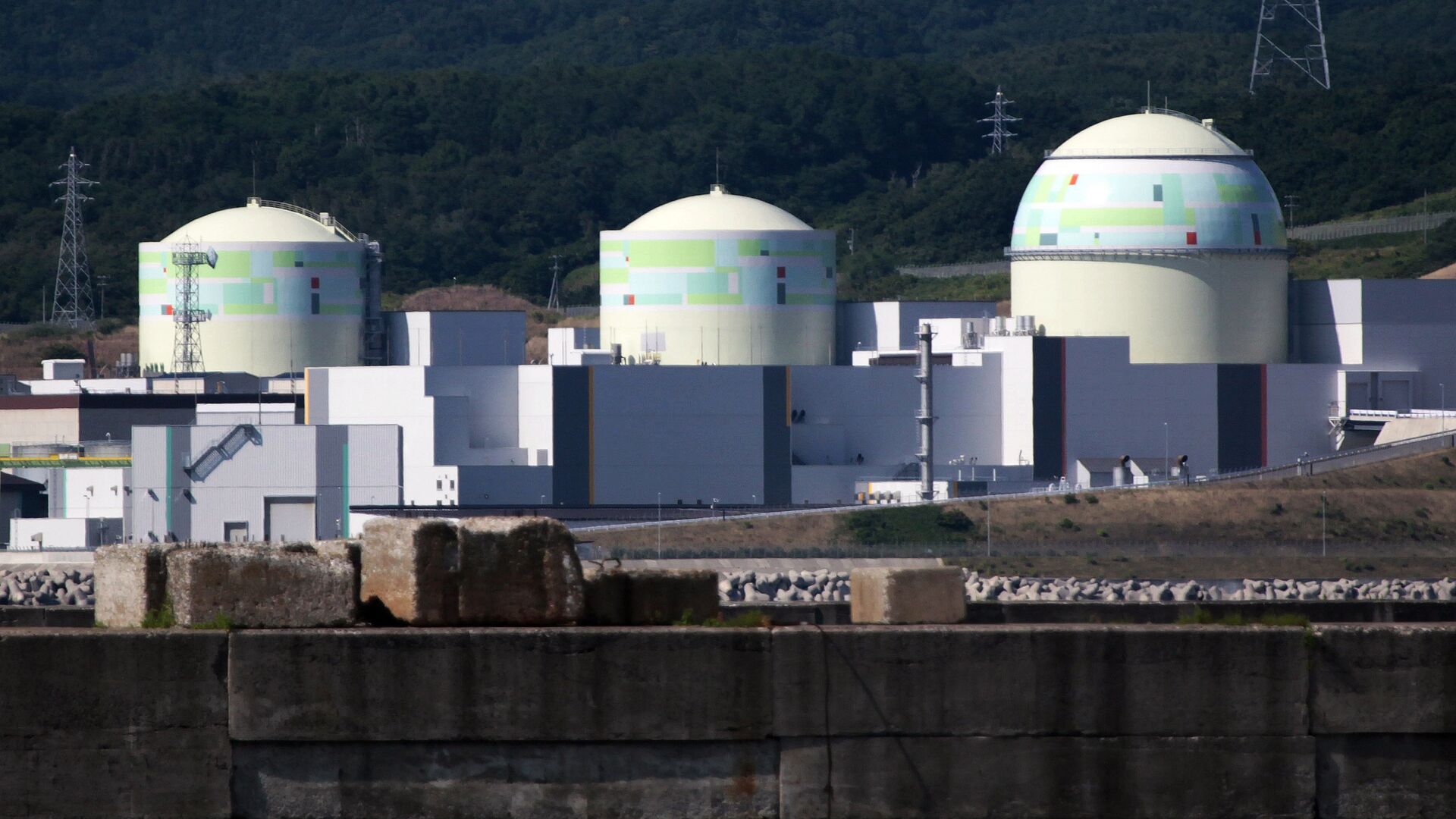
A total of 48% of the respondents supported the idea of developing nuclear reactors of a new generation, while 32% opposed it, the poll found. Another 20% of the survey participants remained undecided.
The survey was conducted on September 9-11 through random telephone conversations among 1,255 people over the age of 18.
Japanese Prime Minister Fumio Kishida said in late August during a government meeting on energy that the authorities intend to take all measures to restart the existing nuclear power units in the country, and will also consider the construction of new generation nuclear reactors amid rising energy prices.
The Japanese government aims to restart seven domestic nuclear reactors in different parts of the country by next summer, bringing the total number of operating power units to 17, Japanese media said. The government mulls launching units 6 and 7 of the Kashiwazaki-Kariwa nuclear power plant, unit 2 of the Onagawa plant, units 1 and 2 of the Takahama plant, unit 2 of the Shimane plant and unit 7 of the Tokai-2 plant.
Japan's ministry of economy, trade and industry may also consider extending the maximum operating period of nuclear reactors, which is now 40 years. Under Japanese laws, the lifespan can be prolonged to 60 years if a facility meets all the requirements and passes inspection.
Japan currently has 10 operating nuclear units, but only half of them generate power, while the rest are going through additional inspections. Nuclear energy covered up to 30% of Japan's total energy demand before the 2011 Fukushima accident, when an earthquake and a tsunami caused the world's second-largest nuclear accident after the Chernobyl disaster.
Experts say that several regions of Japan may face problems with electricity supply due to the rising prices for liquefied natural gas and unstable energy supplies. The upcoming heating season could be the most challenging for the country since 2012, when all nuclear power plants were shut down after the Fukushima accident.