https://sputnikglobe.com/20221012/kremlin-we-can-say-nato-fights-in-ukraine-after-stoltenbergs-statement-1101750565.html
Kremlin: We Can Say NATO Fights in Ukraine After Stoltenberg's Statement
Kremlin: We Can Say NATO Fights in Ukraine After Stoltenberg's Statement
Sputnik International
MOSCOW (Sputnik) - NATO Secretary General Jens Stoltenberg’s statement that Russia’s victory in Ukraine would mean the alliance’s defeat can be considered a... 12.10.2022, Sputnik International
2022-10-12T09:39+0000
2022-10-12T09:39+0000
2023-03-05T10:54+0000
russia
nato
jens stoltenberg
russia
ukraine
dmitry peskov
kremlin
https://cdn.imgsputnikglobe.com/img/07e6/08/13/1099753413_0:4:1019:577_1920x0_80_0_0_308655d93b97cf504a1c2df745640397.jpg
When asked if Stoltenberg’s statement can be considered a recognition of this fact, Peskov replied in the affirmative.This comes as a response to the NATO chief, who claimed that if Russia wins it will be not just a "big defeat for Ukrainians, but it will be a defeat and dangerous for all of us."While the alliance has repeatedly said it is not participating in the conflict in Ukraine, the US, Britain, Germany, and other countries have supplied Kiev with intel data and various weapons, contributing to the crisis.Moscow has repeatedly warned them that by assisting Ukraine, the Western countries are only prolonging the conflict, causing new casualties, since the Ukrainian forces use arms to target civilian infrastructure.Russia has been a consistent critic of NATO’s expansion following the collapse of the Soviet Union, since the bloc promised not to invite eastern European countries into the alliance. However, NATO continued to expand, incorporating the Czech Republic, Hungary, Poland, Bulgaria, Estonia, Latvia, Lithuania, Romania, Slovakia, Slovenia, Albania, Croatia, Montenegro, and North Macedonia over the decades.The bloc also boosted its cooperation with Georgia and Ukraine, ignoring Russia's proposals to stop the expansion and de-escalate tensions last year.
russia
ukraine
Sputnik International
feedback@sputniknews.com
+74956456601
MIA „Rossiya Segodnya“
2022
Sputnik International
feedback@sputniknews.com
+74956456601
MIA „Rossiya Segodnya“
News
en_EN
Sputnik International
feedback@sputniknews.com
+74956456601
MIA „Rossiya Segodnya“
Sputnik International
feedback@sputniknews.com
+74956456601
MIA „Rossiya Segodnya“
russia, nato, jens stoltenberg, ukraine, dmitry peskov, kremlin
russia, nato, jens stoltenberg, ukraine, dmitry peskov, kremlin
Kremlin: We Can Say NATO Fights in Ukraine After Stoltenberg's Statement
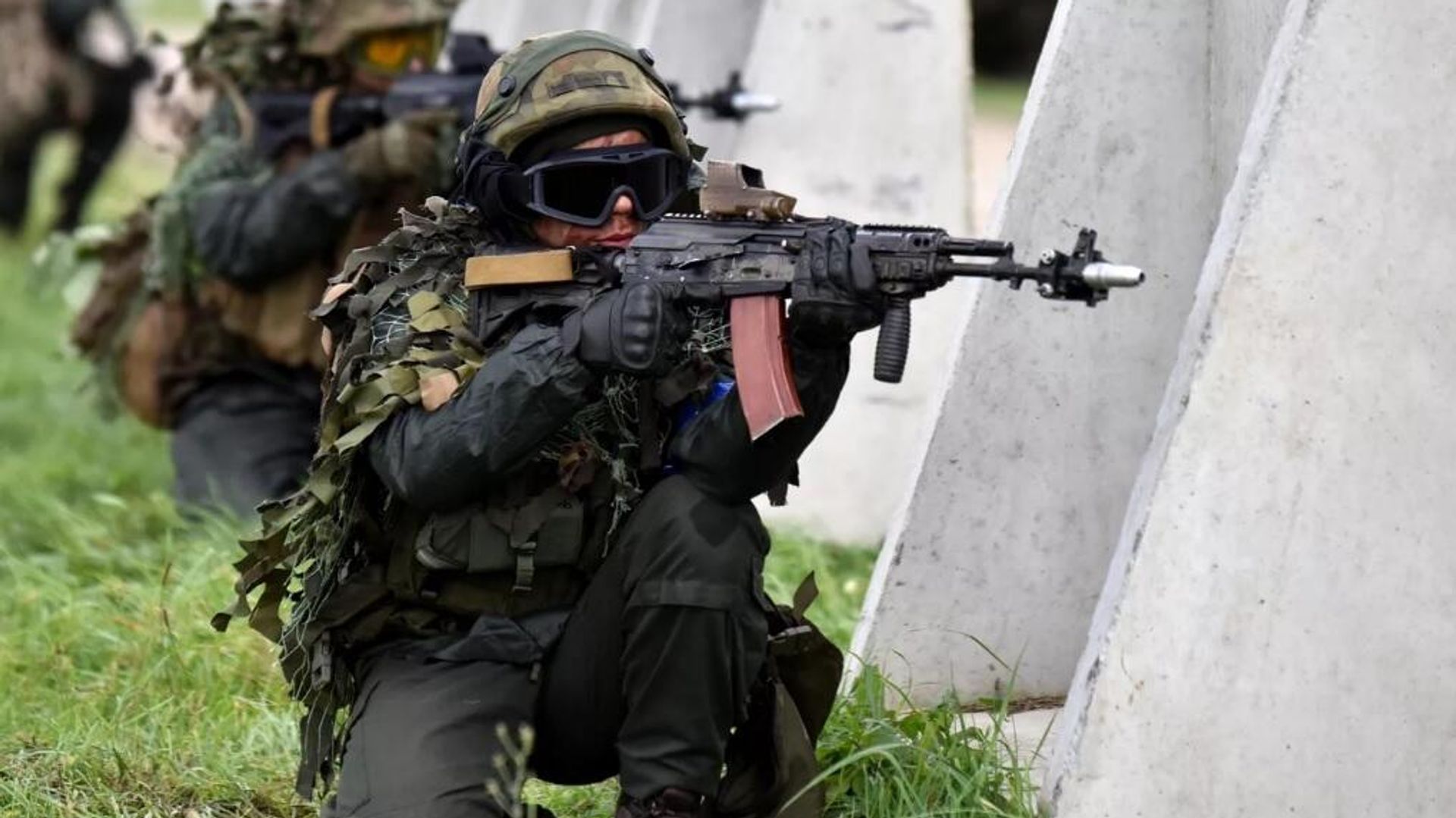
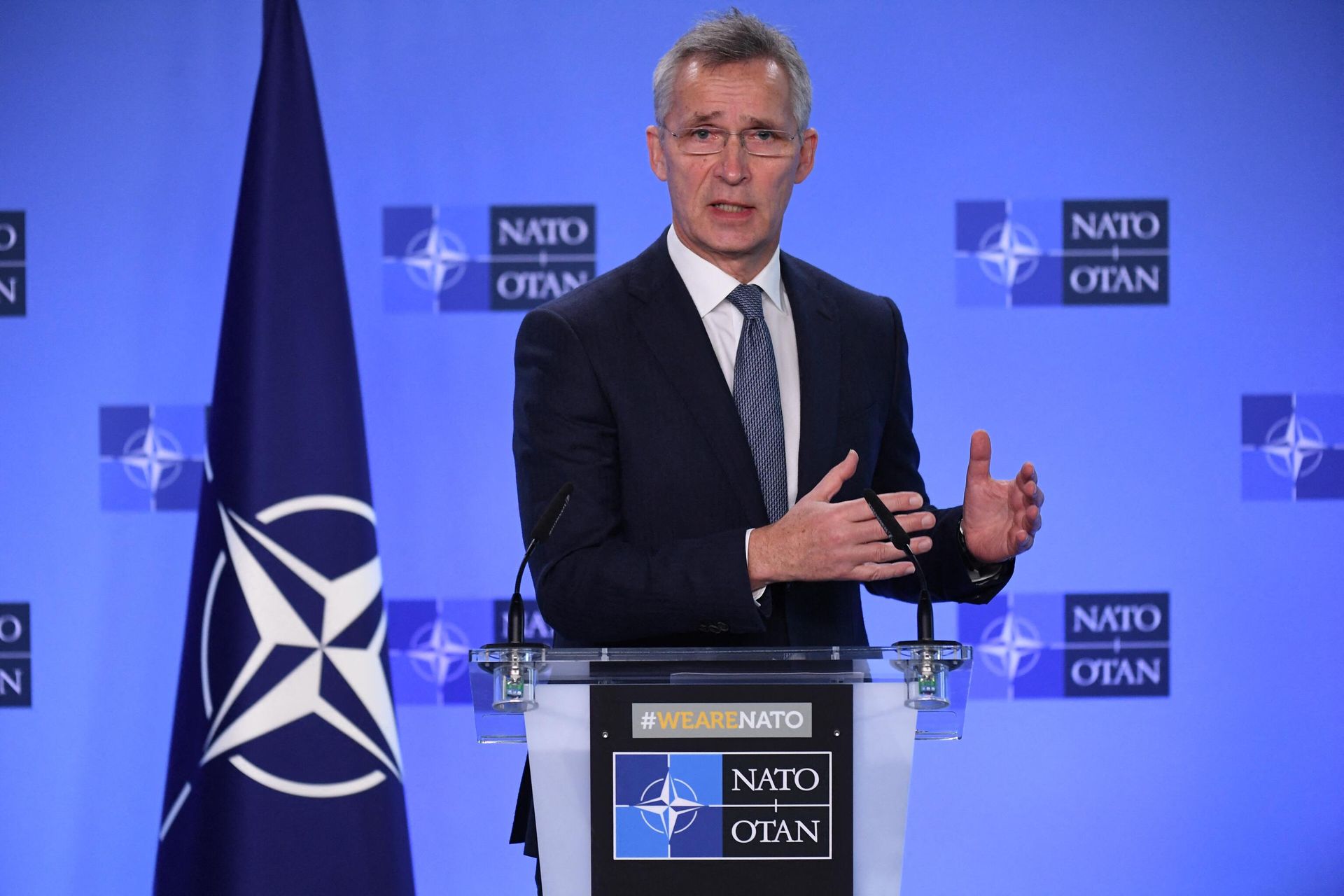
09:39 GMT 12.10.2022 (Updated: 10:54 GMT 05.03.2023) MOSCOW (Sputnik) - NATO Secretary General Jens Stoltenberg’s statement that Russia’s victory in Ukraine would mean the alliance’s defeat can be considered a recognition of the fact that NATO fights in Ukraine, Kremlin spokesman Dmitry Peskov said on Wednesday.
When asked if Stoltenberg’s statement can be considered a recognition of this fact, Peskov replied in the affirmative.
This comes as a response to the NATO chief, who claimed that if Russia wins it will be not just a "big defeat for Ukrainians, but it will be a
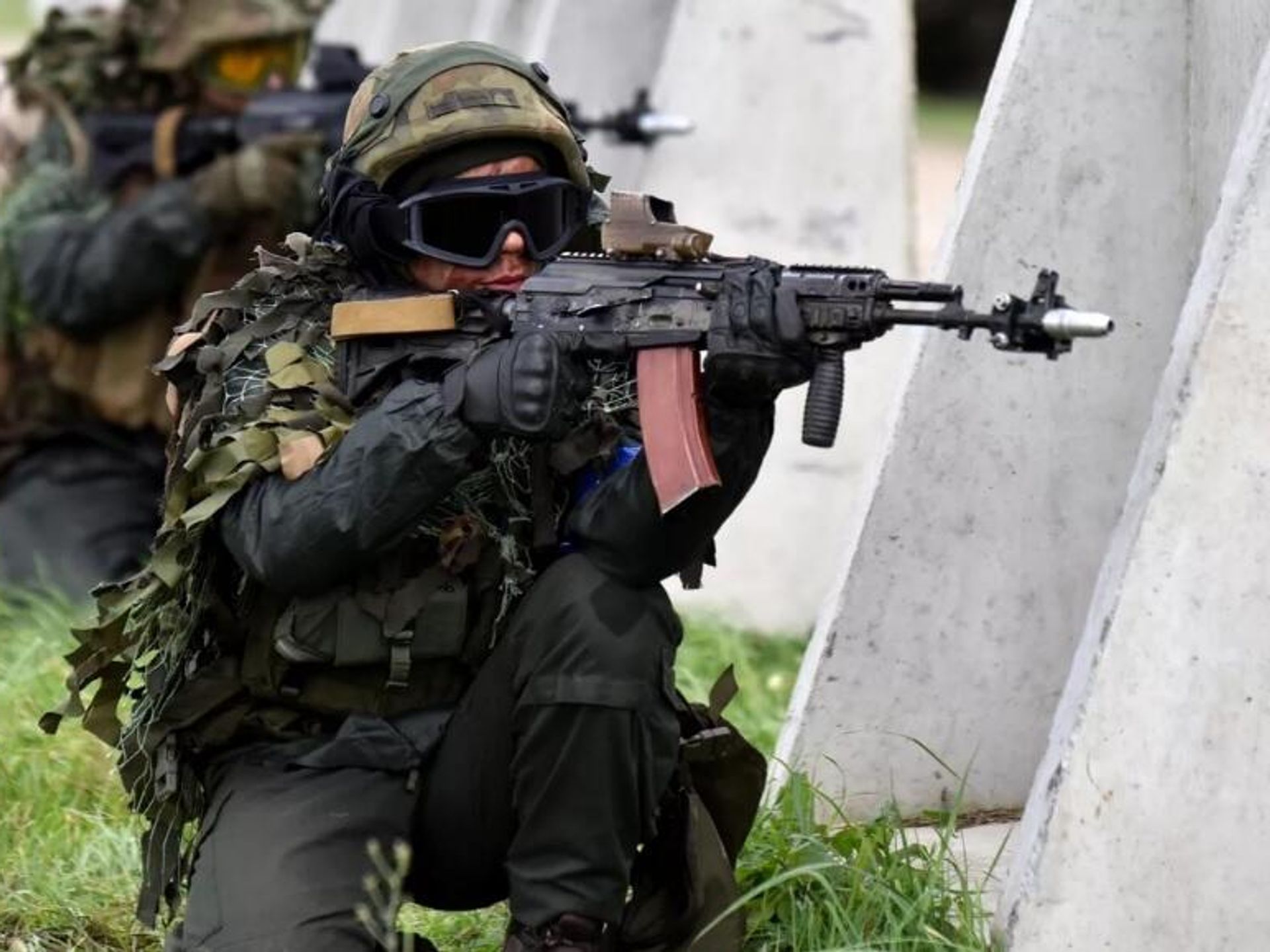
defeat and dangerous for all of us."While the alliance has repeatedly said it is not participating in the conflict in Ukraine, the US, Britain, Germany, and other countries have supplied Kiev with intel data and various weapons, contributing to the crisis.
Moscow has repeatedly warned them that by assisting Ukraine, the Western countries are only prolonging the conflict, causing new casualties, since the Ukrainian forces use arms to target civilian infrastructure.
Russia has been a consistent critic of NATO’s expansion following the collapse of the Soviet Union,
since the bloc promised not to invite eastern European countries into the alliance. However, NATO continued to expand, incorporating the Czech Republic, Hungary, Poland, Bulgaria, Estonia, Latvia, Lithuania, Romania, Slovakia, Slovenia, Albania, Croatia, Montenegro, and North Macedonia over the decades.
The bloc also
boosted its cooperation with Georgia and Ukraine, ignoring Russia's proposals to stop the expansion and de-escalate tensions last year.