https://sputnikglobe.com/20221105/erdogan-dubs-revival-of-grain-deal-diplomatic-success-1103817947.html
Erdogan Dubs Revival of Grain Deal 'Diplomatic Success'
Erdogan Dubs Revival of Grain Deal 'Diplomatic Success'
Sputnik International
ANKARA (Sputnik) - Turkish President Recep Tayyip Erdogan called on Saturday the resumption of the grain deal a diplomatic success, noting Ankara's balanced... 05.11.2022, Sputnik International
2022-11-05T14:02+0000
2022-11-05T14:02+0000
2022-11-05T14:02+0000
world
russia
turkiye
ukraine
grain
recep tayyip erdogan
https://cdn1.img.sputnikglobe.com/img/07e5/04/08/1082574921_0:0:3182:1790_1920x0_80_0_0_22c6ccbb340620c0d7b02e7be3f1c921.jpg
On October 29, Russia suspended its participation in the UN-mediated grain deal after its ships were attacked by Ukraine in the Black Sea. On Wednesday, the Russian Defense Ministry said that Moscow was returning to the deal after receiving written guarantees from Ukraine on refraining from using the grain corridor for military purposes, following mediation by Turkey and the UN. Kiev denied providing any additional guarantees.The Turkish leader noted that the revival was achieved "thanks to… balanced relationships" with Russian President Vladimir Putin, Ukrainian President Volodymyr Zelenskyy and UN Secretary-General Antonio Guterres.On July 22, Russia, Ukraine, and Turkey signed a UN-brokered initiative to provide a humanitarian maritime corridor for ships exporting food and fertilizer from Ukraine via the Black Sea. The deal will expire on November 19.After returning to the grain deal, the Kremlin said that Russia was still undecided about extending it, and is yet to assess its effectiveness. Moscow has repeatedly said the agreement is not effective in bringing grain and fertilizer to developing countries, while sanctions continue to hinder Russia's food exports even though the deal was supposed to guarantee their free flow to global markets.
russia
turkiye
ukraine
Sputnik International
feedback@sputniknews.com
+74956456601
MIA „Rossiya Segodnya“
2022
Sputnik International
feedback@sputniknews.com
+74956456601
MIA „Rossiya Segodnya“
News
en_EN
Sputnik International
feedback@sputniknews.com
+74956456601
MIA „Rossiya Segodnya“
Sputnik International
feedback@sputniknews.com
+74956456601
MIA „Rossiya Segodnya“
russia, turkiye, ukraine, grain, recep tayyip erdogan
russia, turkiye, ukraine, grain, recep tayyip erdogan
Erdogan Dubs Revival of Grain Deal 'Diplomatic Success'
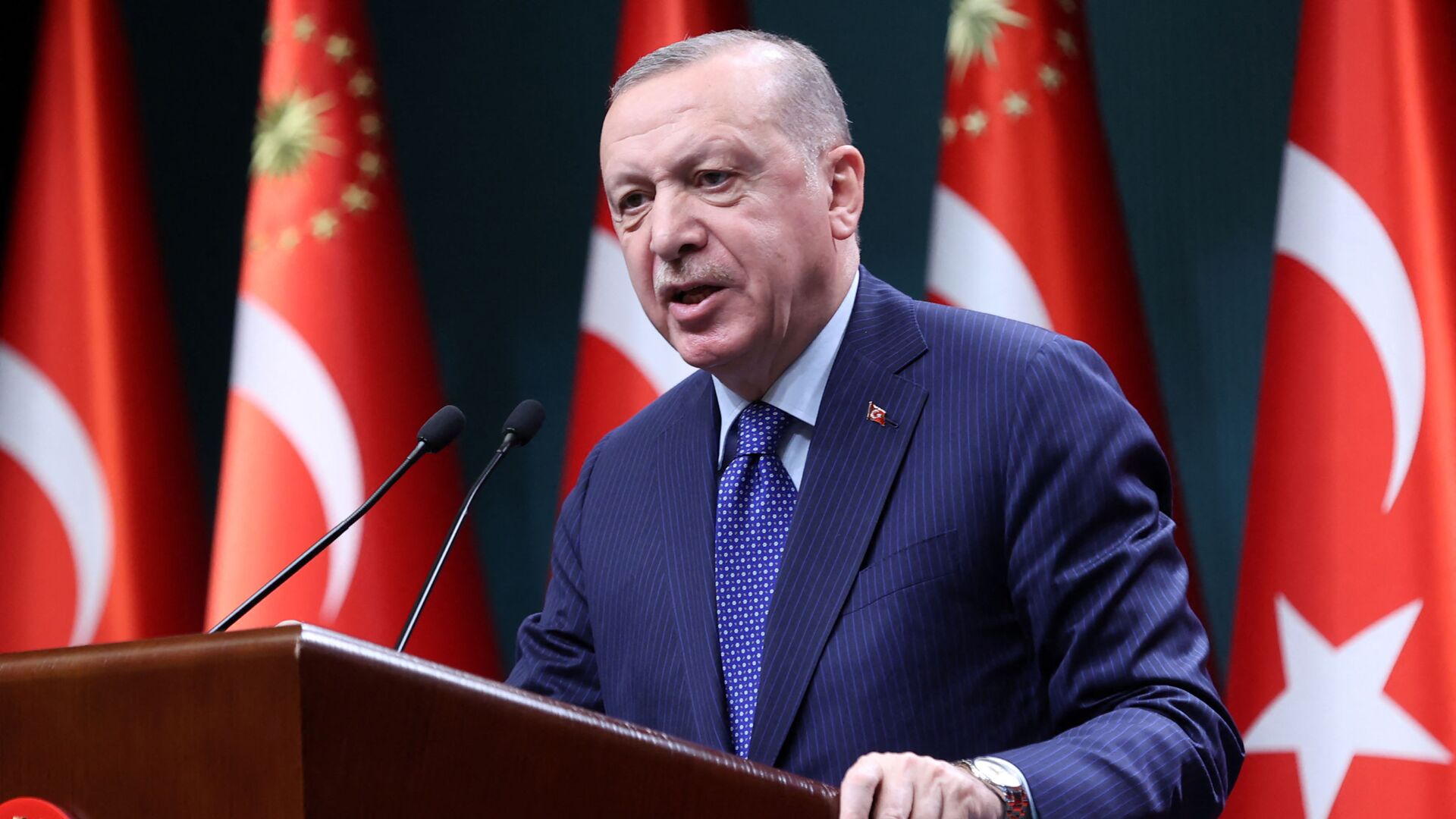
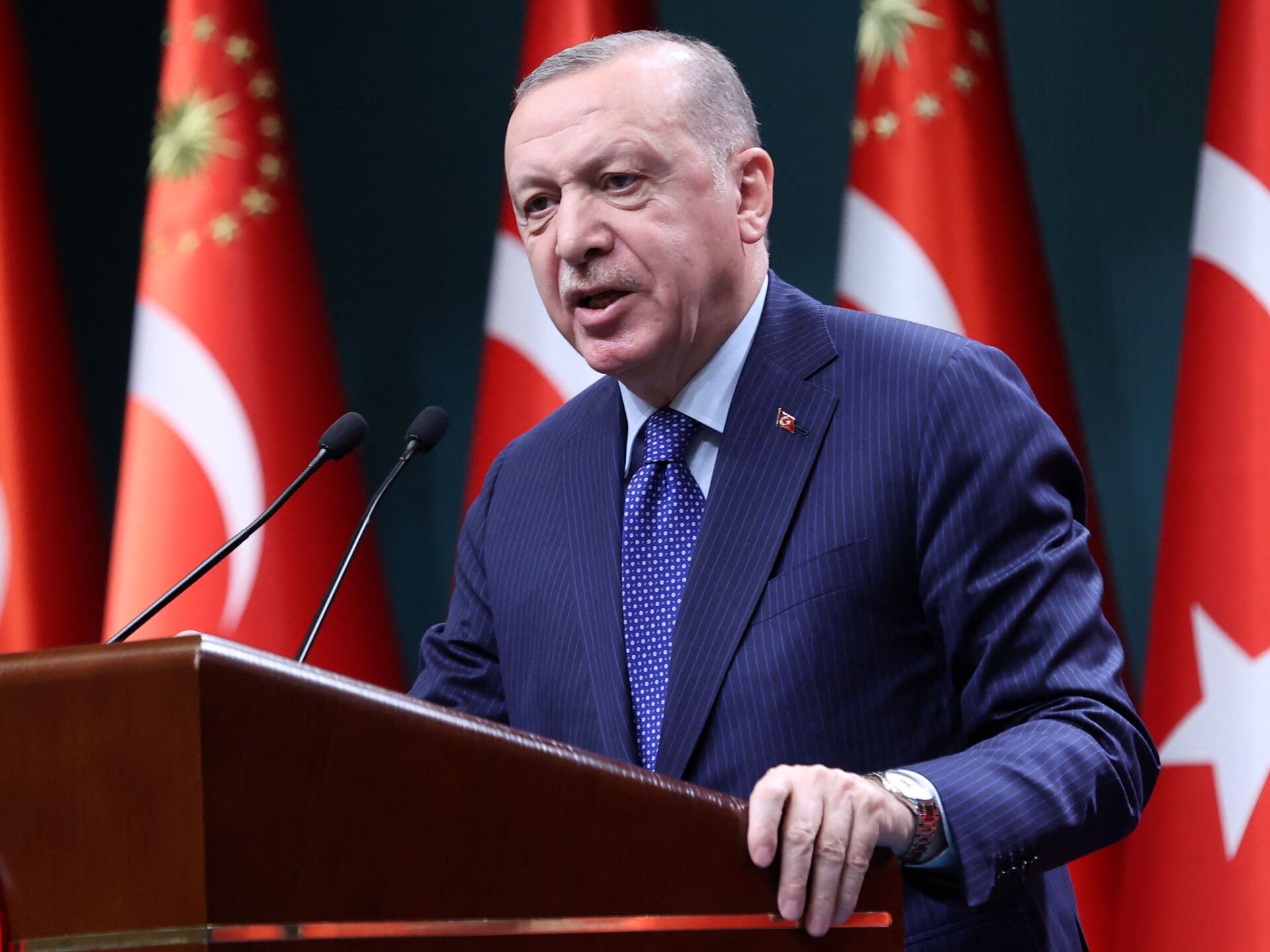
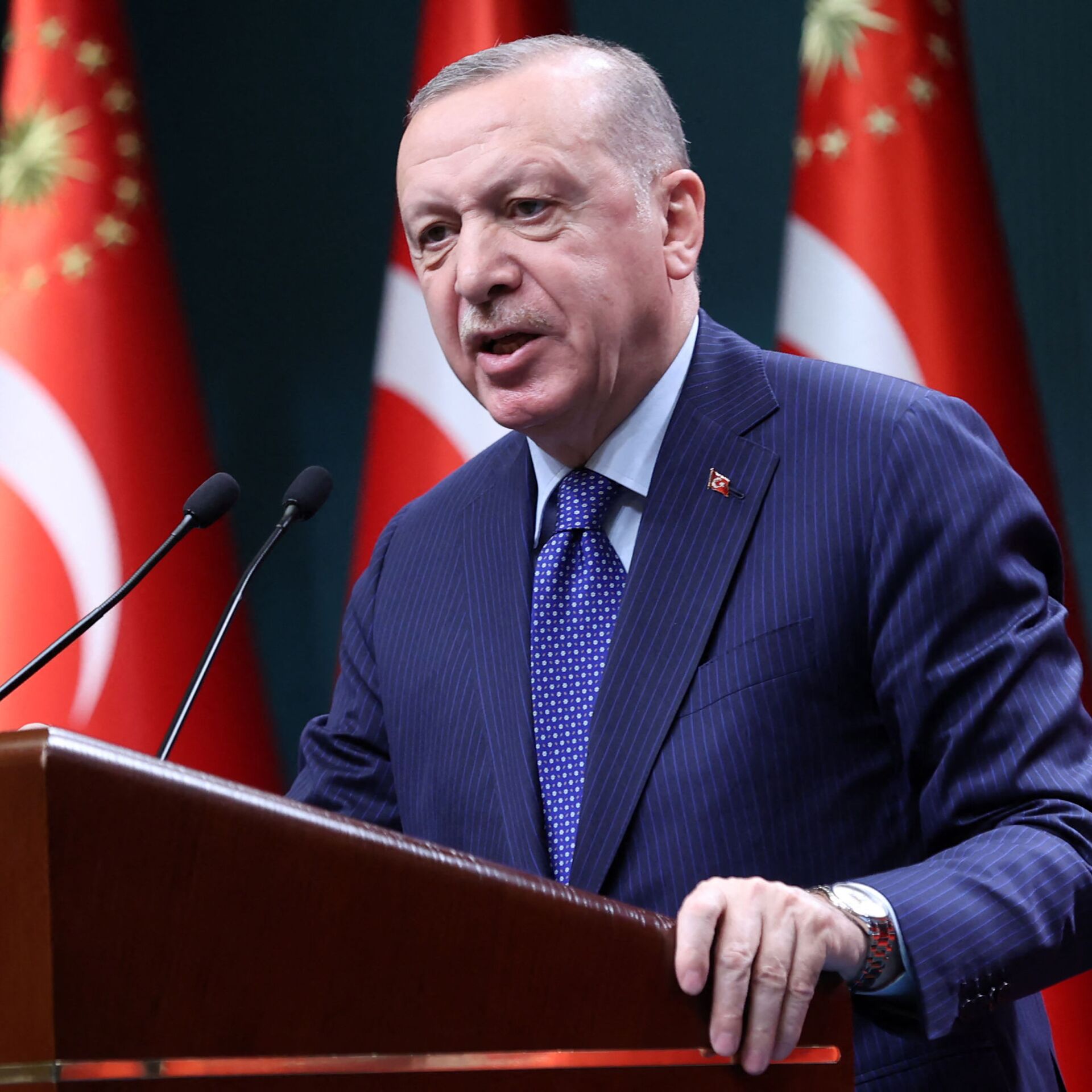
ANKARA (Sputnik) - Turkish President Recep Tayyip Erdogan called on Saturday the resumption of the grain deal a diplomatic success, noting Ankara's balanced approach to all parties to the initiative.
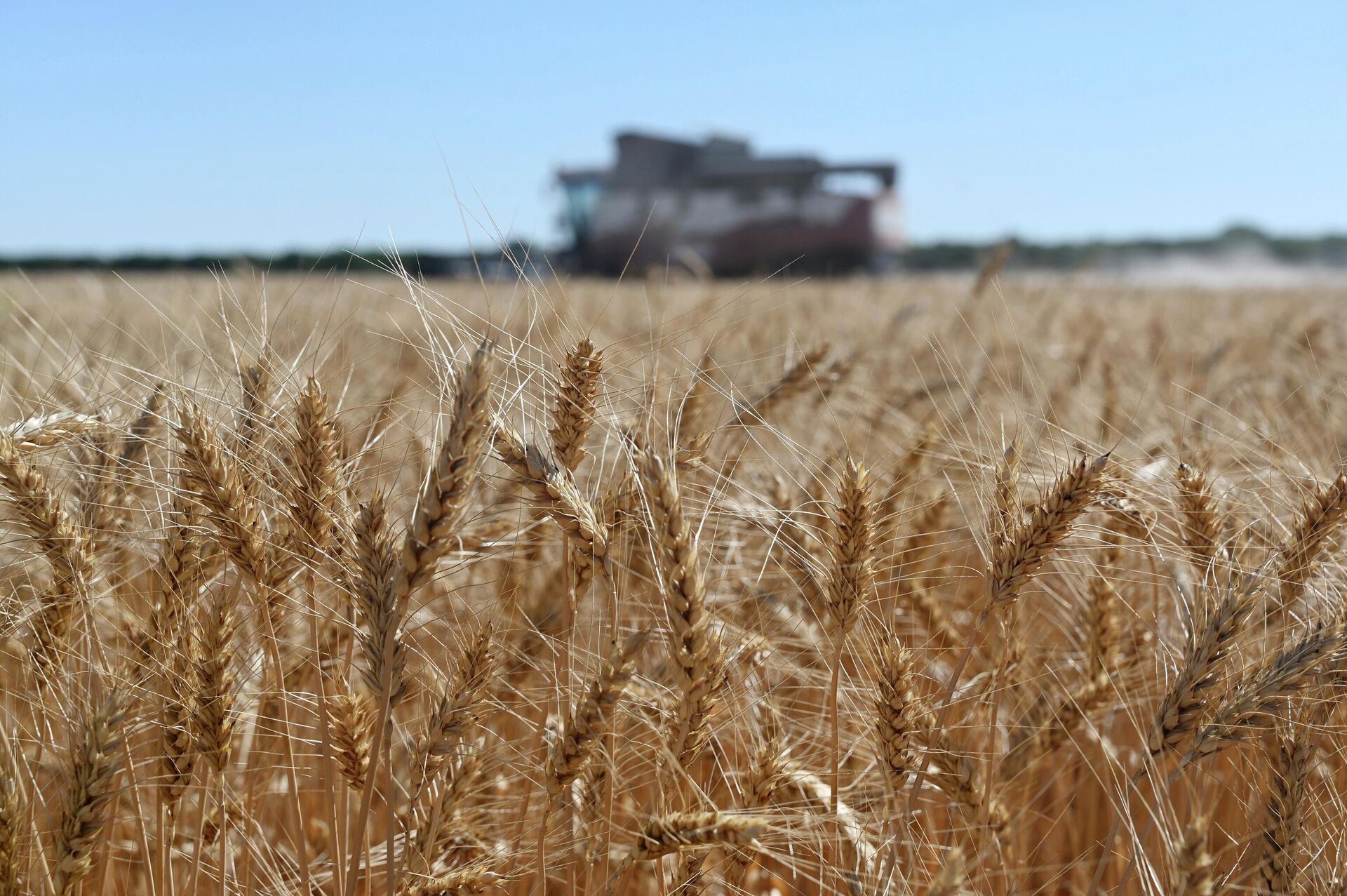
On October 29, Russia suspended its participation in the UN-mediated grain deal after its ships were attacked by Ukraine in the Black Sea. On Wednesday, the Russian Defense Ministry said that Moscow was returning to the deal after receiving written guarantees from Ukraine on refraining from using the grain corridor for military purposes, following mediation by Turkey and the UN. Kiev denied providing any additional guarantees.
"We play a key role in diplomacy because of our peaceful politics. Resolving the grain crisis is a diplomatic success," Erdogan said at a political forum in Istanbul.
The Turkish leader noted that the revival was achieved "thanks to… balanced relationships" with Russian President Vladimir Putin, Ukrainian President Volodymyr Zelenskyy and UN Secretary-General Antonio Guterres.
On July 22, Russia, Ukraine, and Turkey signed a UN-brokered initiative to provide a humanitarian maritime corridor for ships
exporting food and fertilizer from Ukraine via the Black Sea. The deal will expire on November 19.
After returning to the grain deal, the Kremlin said that Russia was still undecided about extending it, and is yet to assess its effectiveness. Moscow has repeatedly said the agreement is not effective in
bringing grain and fertilizer to developing countries, while sanctions continue to hinder Russia's food exports even though the deal was supposed to guarantee their free flow to global markets.