https://sputnikglobe.com/20221208/japan-to-refrain-from-designating-china-as-threat-in-new-security-strategy-reports-say-1105194736.html
Japan to Refrain From Designating China as 'Threat' in New Security Strategy, Reports Say
Japan to Refrain From Designating China as 'Threat' in New Security Strategy, Reports Say
Sputnik International
TOKYO (Sputnik) - Japan is going to refrain from dubbing China a "threat" in its updated National Security Strategy, which will be revised together with two... 08.12.2022, Sputnik International
2022-12-08T12:03+0000
2022-12-08T12:03+0000
2022-12-08T12:03+0000
military
japan
china
senkaku islands
territorial dispute
territorial disputes
https://cdn.imgsputnikglobe.com/img/07e6/09/1d/1101355703_1:0:1779:1000_1920x0_80_0_0_d048ab32f2ae265f6668bb8f4453a868.png
Japan's new security paper might still use the word "threat" with regard to China's launch of ballistic missiles in August, which fell into Japan's exclusive economic zone, a designation proposed by Japanese lawmakers from the Liberal Democratic Party, the report said.The Japanese government's plans reflect its intention to preserve what ties it has remaining with China after the Asian nations held their first summit in three years in November.On August 4, Japan said five Chinese ballistic missiles had fallen into its exclusive economic zone southwest of Hateruma Island in Okinawa during Chinese drills related to Taiwan.The diplomatic relations between China and Japan are complicated by a territorial dispute over the Senkaku Islands, which went under the control of the United States after World War 2 and were passed on to Japan in 1972. China rejects Japan's sovereignty over the islands. Japan believes that China's territorial claims over the islands followed the discovery of valuable minerals in their shelf in the 1970s.In 2018, relations between Tokyo and Beijing improved after the visit of then-Japanese Prime Minister Shinzo Abe to China, during which he met with Chinese President Xi Jinping and Premier Li Keqiang. The leaders reached an agreement to launch an incident prevention mechanism in the East China Sea starting June 2018, which involved the creation of an emergency communication line to avoid accidental armed clashes in the air and at sea.
japan
china
senkaku islands
Sputnik International
feedback@sputniknews.com
+74956456601
MIA „Rossiya Segodnya“
2022
Sputnik International
feedback@sputniknews.com
+74956456601
MIA „Rossiya Segodnya“
News
en_EN
Sputnik International
feedback@sputniknews.com
+74956456601
MIA „Rossiya Segodnya“
Sputnik International
feedback@sputniknews.com
+74956456601
MIA „Rossiya Segodnya“
china, japan, chinese threat, taiwan, senkaku island
china, japan, chinese threat, taiwan, senkaku island
Japan to Refrain From Designating China as 'Threat' in New Security Strategy, Reports Say
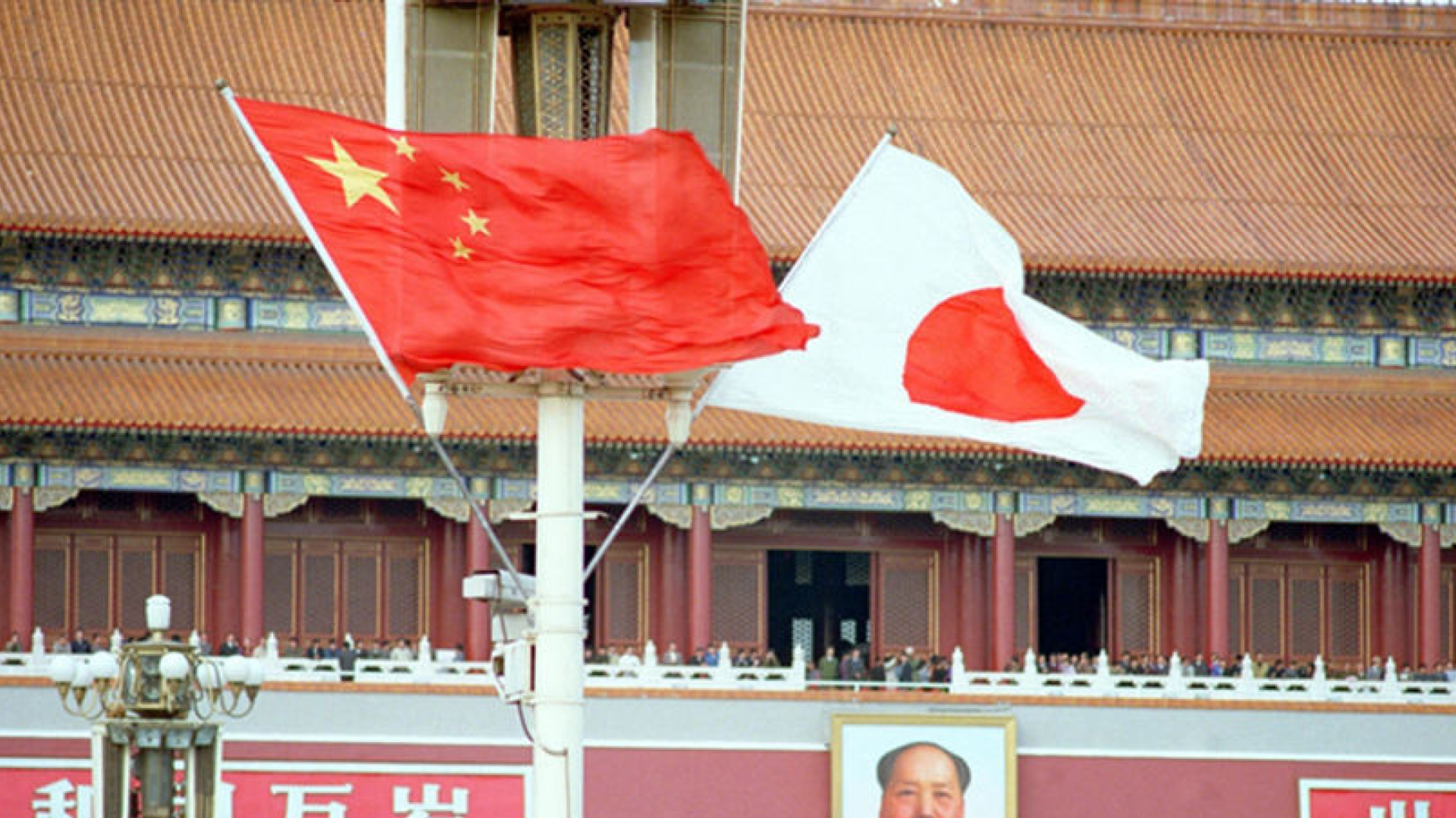
TOKYO (Sputnik) - Japan is going to refrain from dubbing China a "threat" in its updated National Security Strategy, which will be revised together with two other security-related documents next week, Japanese media reported on Thursday, citing government sources.
Japan's new security paper might still use the word "threat" with regard to China's launch of ballistic missiles in August, which fell into Japan's exclusive economic zone, a designation proposed by Japanese lawmakers from the Liberal Democratic Party, the report said.
The
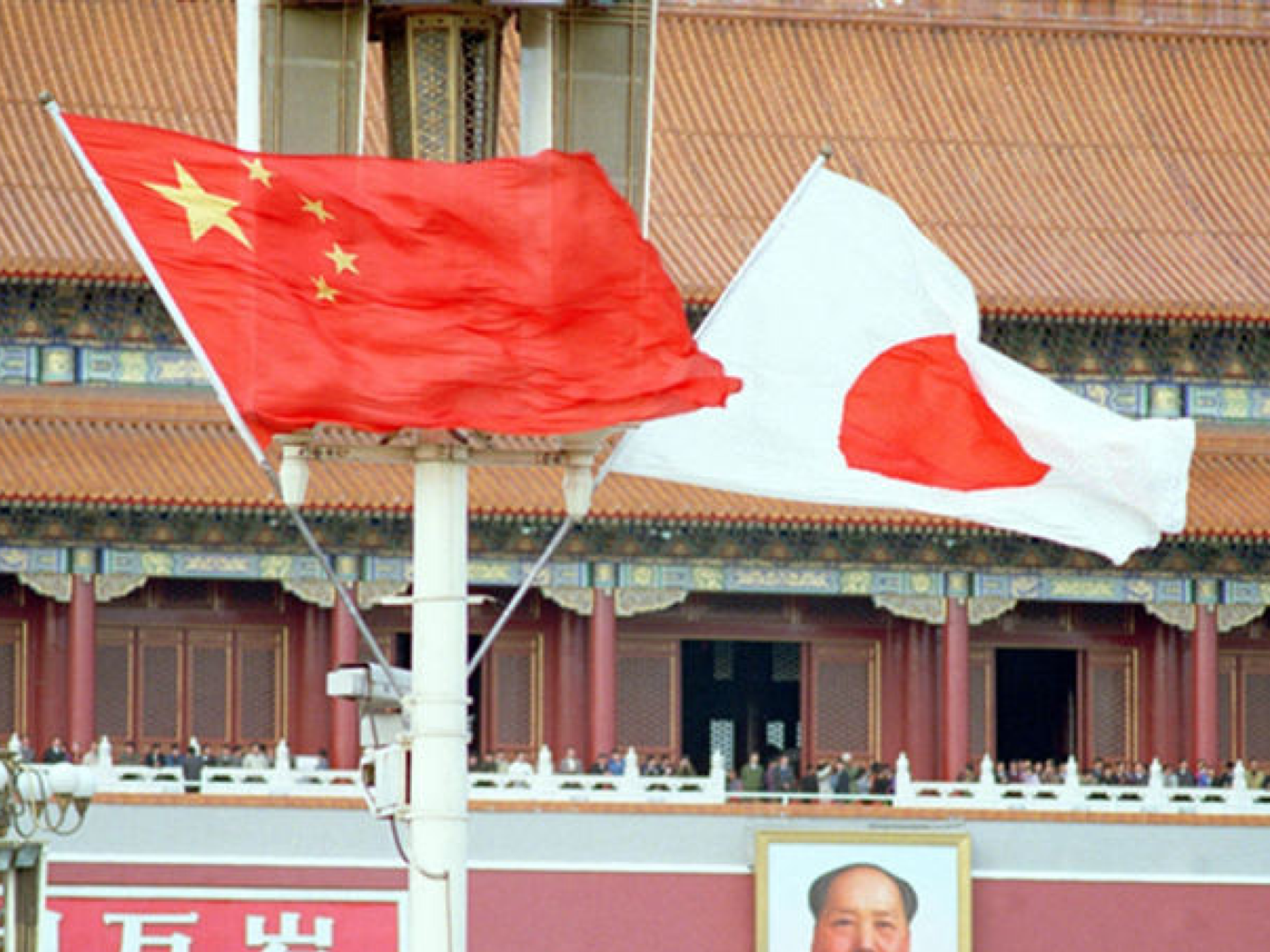
Japanese government's plans reflect its intention to preserve what ties it has remaining with China after the Asian nations held their first summit in three years in November.
On August 4, Japan said five Chinese ballistic missiles had fallen into its exclusive economic zone southwest of Hateruma Island in Okinawa during Chinese drills related to Taiwan.
The diplomatic relations between China and Japan are complicated by a
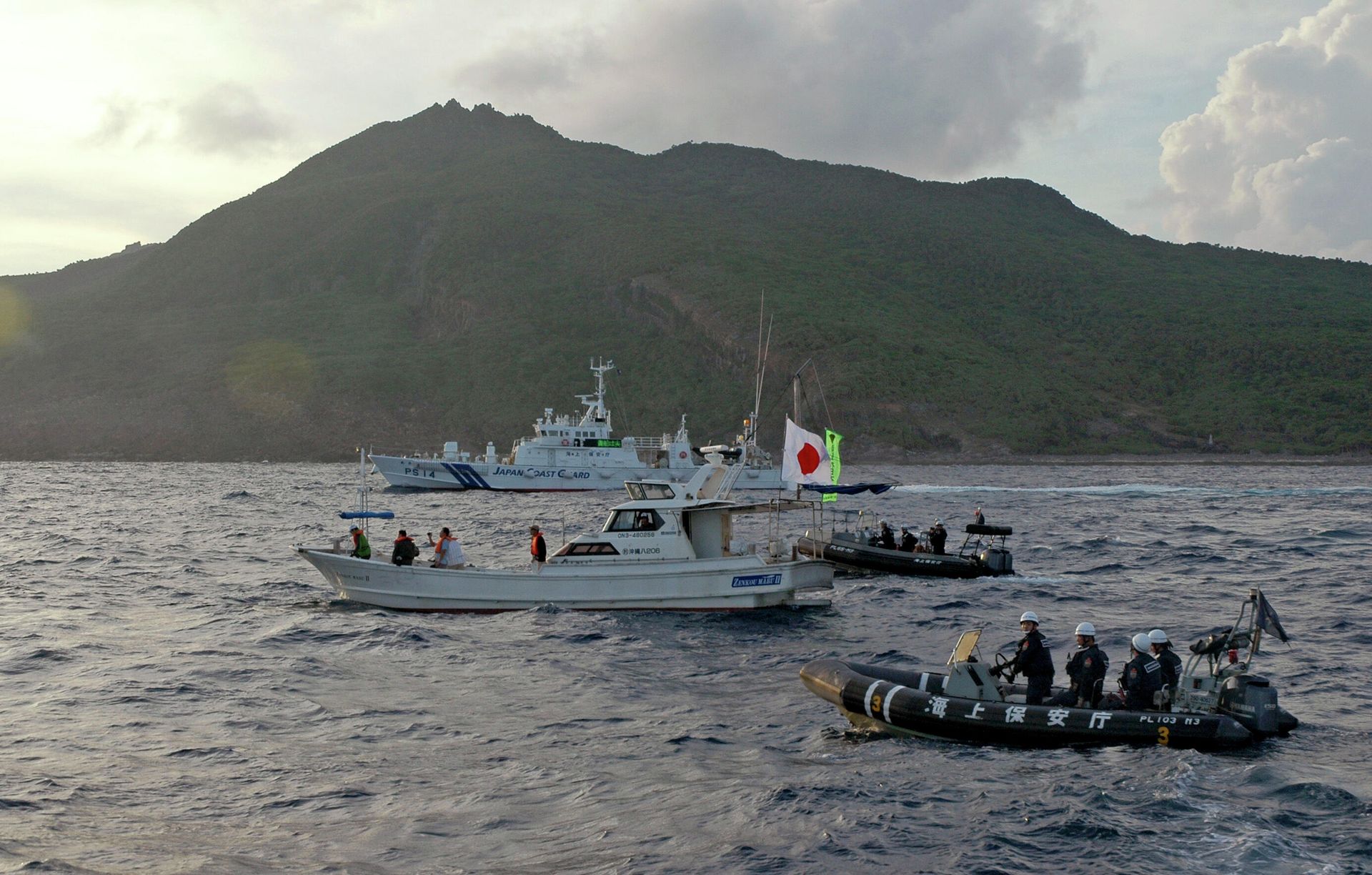
territorial dispute over the Senkaku Islands, which went under the control of the United States after World War 2 and were passed on to Japan in 1972. China rejects Japan's sovereignty over the islands. Japan believes that China's territorial claims over the islands followed the discovery of valuable minerals in their shelf in the 1970s.
In 2018, relations between Tokyo and Beijing improved after the visit of then-Japanese Prime Minister Shinzo Abe to China, during which he met with Chinese President Xi Jinping and Premier Li Keqiang. The leaders reached an agreement to launch an incident prevention mechanism in the East China Sea starting June 2018, which involved the creation of an emergency communication line to avoid accidental armed clashes in the air and at sea.