Nuclear Deception: How Propaganda on Atomic Bombs Was Waged in 20th Century
Nuclear Deception: How Propaganda on Atomic Bombs Was Waged in 20th Century
Sputnik International
Nuke creation was a major milestone for humanity as it changed the world in many ways. While military doctrines had to be rewritten across the globe, peaceful... 10.12.2022, Sputnik International
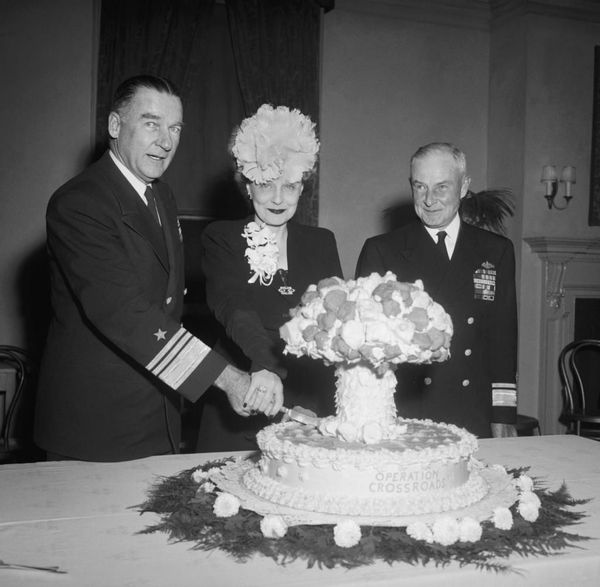
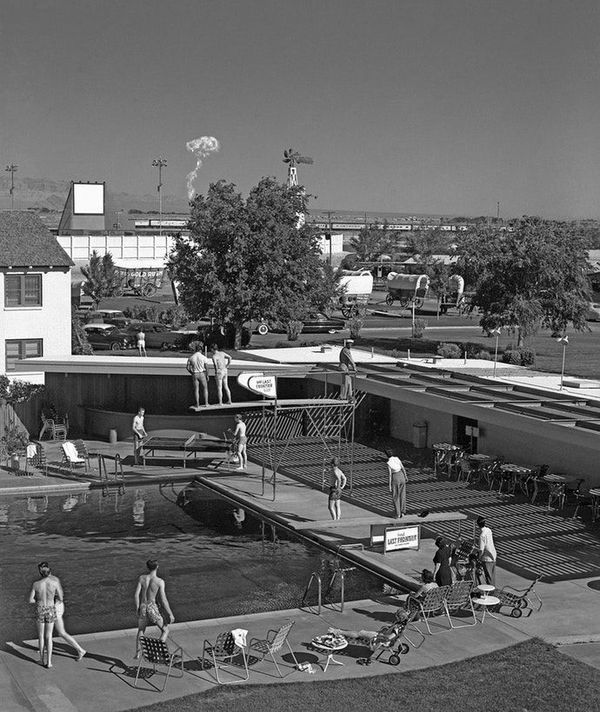
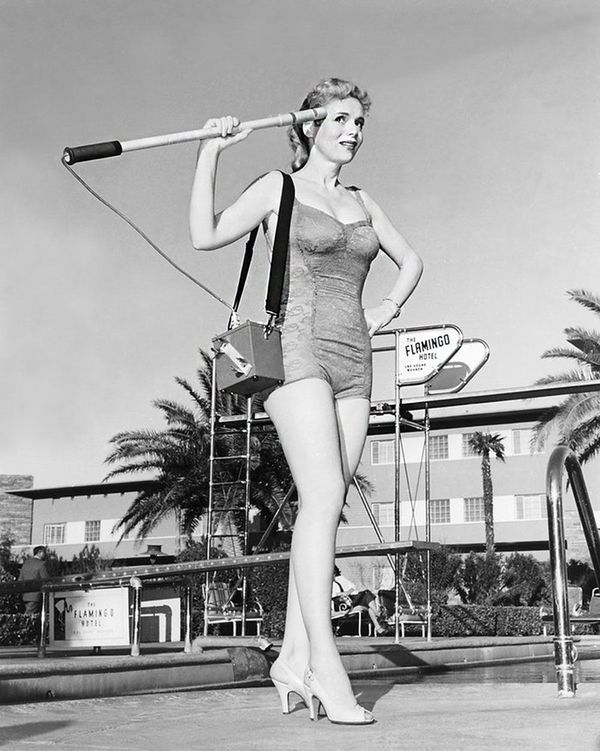
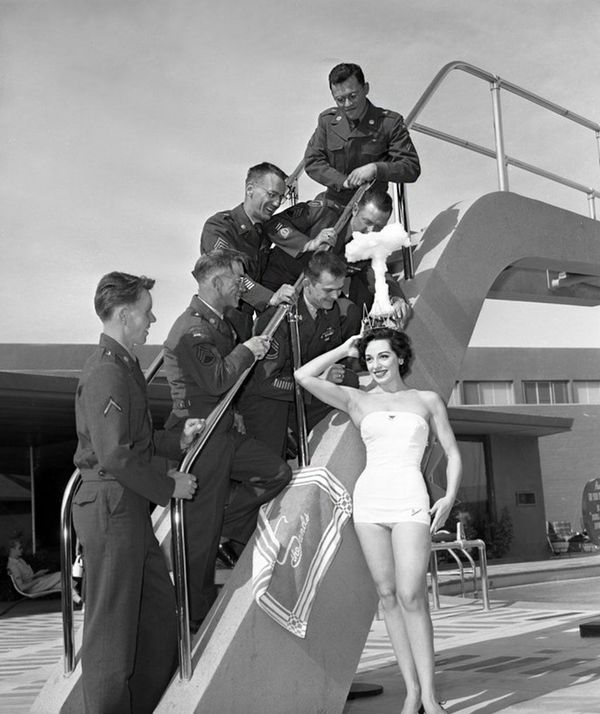
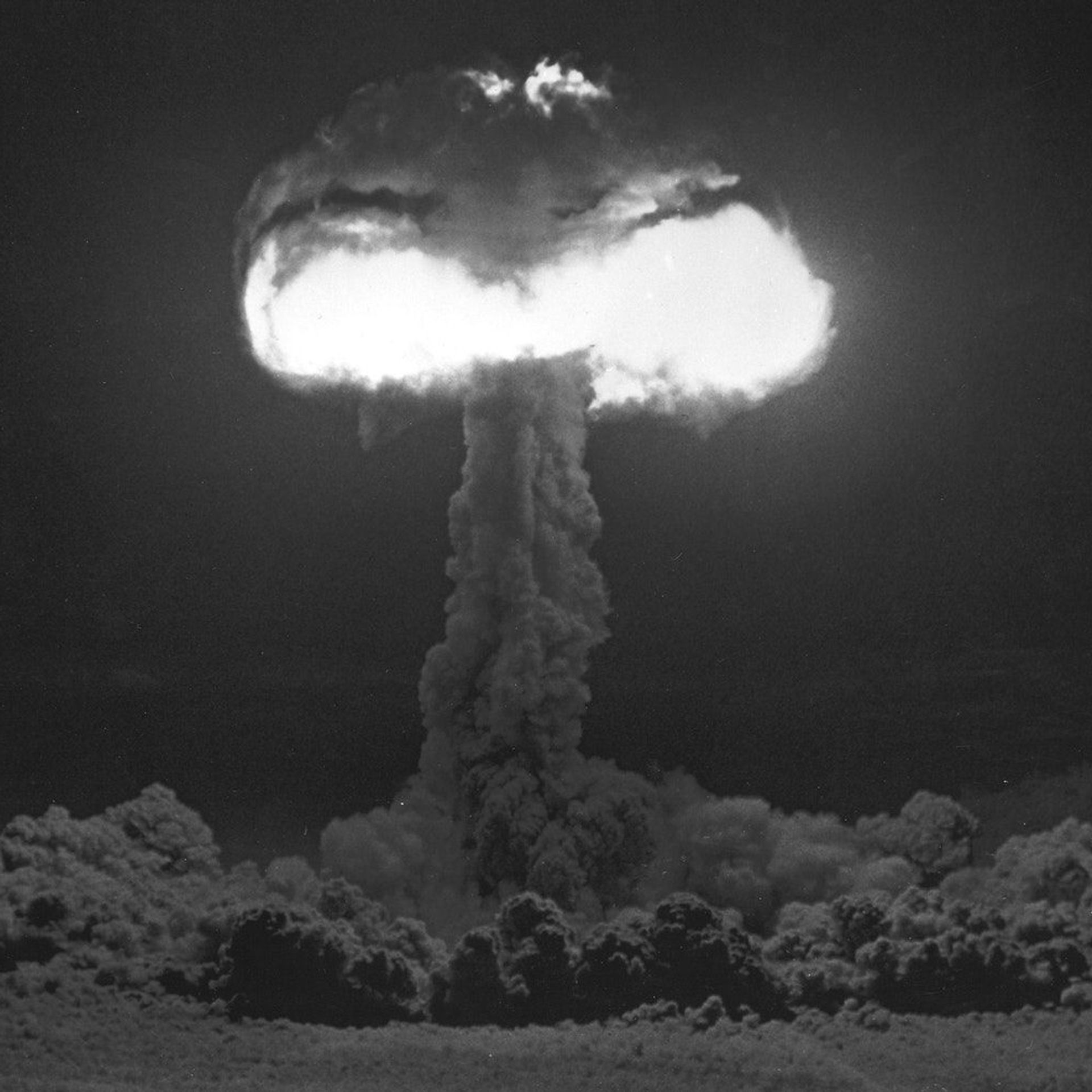
In 1950s, Americans witnessed the first televised atomic explosion. Atomic fever swept the United States, which echoed in a number of curious cultural phenomena. In a bid to mitigate people's fears, US mass culture tried to turn the dreadful weapons of annihilation into something trivial, almost funny, with a "mushroom" image of an atomic cloud becoming yet another symbol - and a product for a sale.
Nuke creation was a major milestone for humanity as it changed the world in many ways. While military doctrines had to be rewritten across the globe, peaceful life was also affected by the constant threat of these fearful weapons.
In 1950s, Americans witnessed the first televised atomic explosion. Atomic fever swept the United States, which echoed in a number of curious cultural phenomena. In a bid to mitigate people's fears, US mass culture tried to turn the dreadful weapons of annihilation into something trivial, almost funny, with a "mushroom" image of an atomic cloud becoming yet another symbol - and a product for a sale.
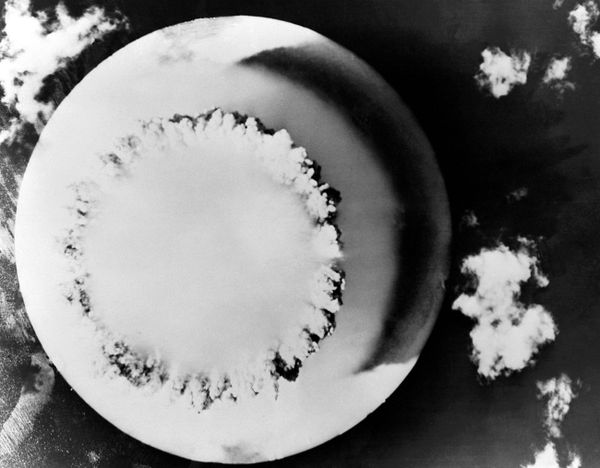
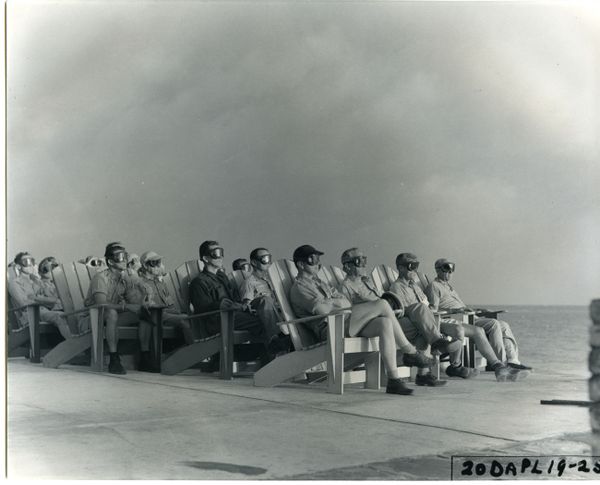
A nuclear explosion during the US Operation Crossroads on Ayatollah Bikini in the Pacific Ocean, 1946. Shot from an unmanned aerial vehicle flying over the epicenter of the explosion. View from above the large mushroom cloud generated by the Baker blast, the second in the Operation Crossroads atmospheric nuclear weapons test series at Bikini Atoll. Baker was detonated 90 feet underwater on July 25, 1946.
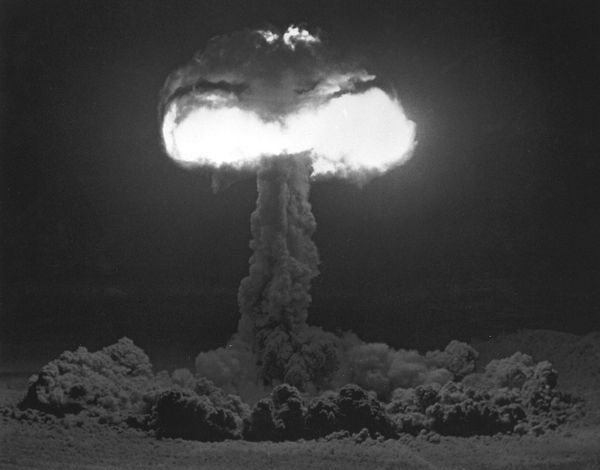
Operation name: Tumbler-Snapper. Date and time: May 1, 1952, 08:30. Test location: Range in Nevada. Explosion type, explosive placement: aerial, airdrop. Explosion height: 316 m. Yield: 19 kilotons. Marine infantry Pot and Wilson "supporting" the atomic mushroom during the Desert Rock IV exercise. A B-45 Tornado jet bomber dropped a modified TX-7 bomb with a capacity of 19 kilotons. Two hours after detonation, troops maneuvered to the explosion's epicenter to assess its impact on the military equipment and facilities located there.
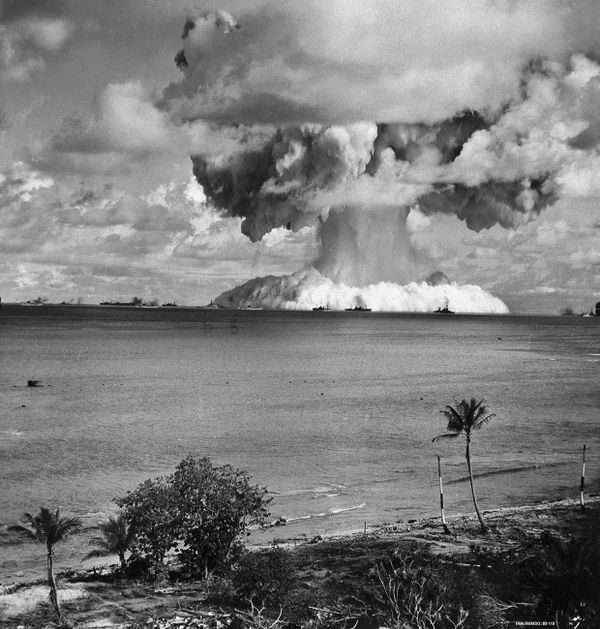
Operation name: Crossroads. Date and time: July 25, 1946, 08:35. Test location: Bikini Atoll, Pacific Ocean. Explosion type: underwater bomb. Yield: 21 kilotons. As a result of the blast, about two million tons of seawater were raised into the air, which resulted in various atmospheric phenomena, such as fog and rain, with high levels of radiation.
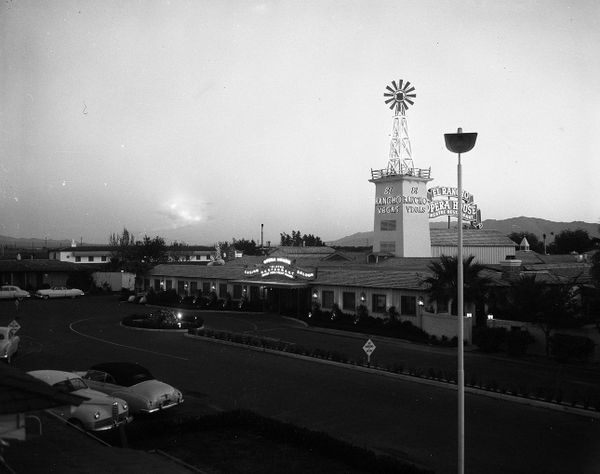
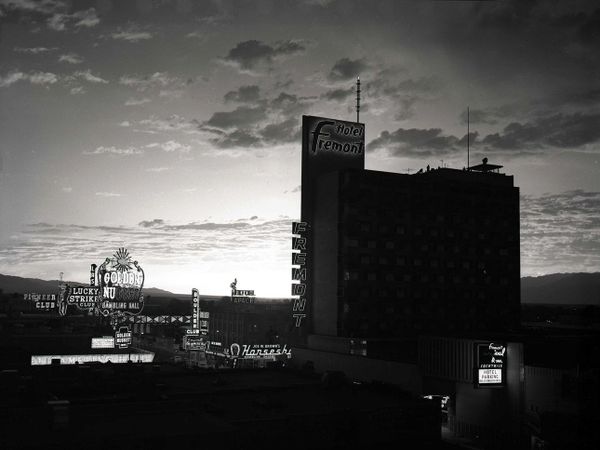
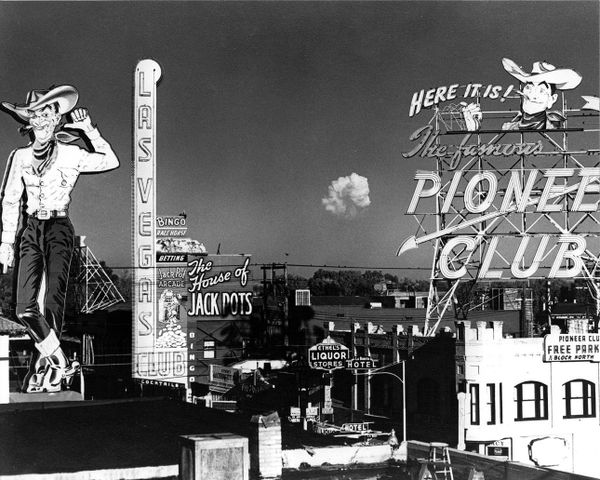
The photo was taken on the roof of a building on Fremont Street, about 120 kilometers from the epicenter of the explosion. The flash of an atomic explosion lights up the sky. Las Vegas, May 28, 1957.
Students practice "duck and cover" personal protection measures against the backdrop of a real atomic bomb explosion. The photo was taken in Indian Springs, Nevada, 40 kilometers from the epicenter of a 31-kiloton aerial atomic bomb explosion. Date and time: April 22, 1952, 09:30.
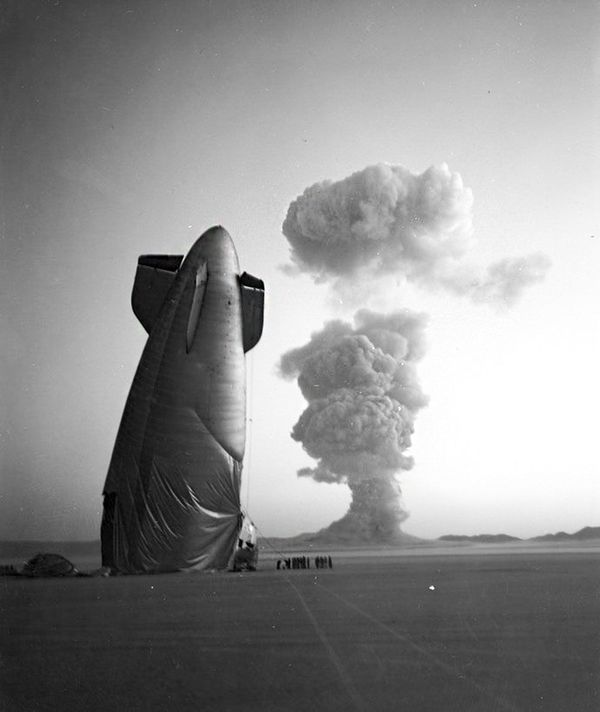
Airship ZSG-3 shot down by a shockwave from an explosion. Picture was taken from a distance of eight kilometers from the test site. Nevada Test Site, Nevada, August 7, 1957.
Ballerina Sally McGlossky dances "atomic" ballet in front of a mushroom cloud from Upshot-Knothole Dixie on Mount Charleston. Behind the dancer's back, you can see the cloud of a nuclear explosion. Nevada, April 6, 1953.
Newsfeed
0
Access to the chat has been blocked for violating the rules .
You will be able to participate again through:∞.
If you do not agree with the blocking, please use the feedback form
The discussion is closed. You can participate in the discussion within 24 hours after the publication of the article.