Descending Into the Abyss: 12 Years Since Civil War Began in Libya
Descending Into the Abyss: 12 Years Since Civil War Began in Libya
Sputnik International
Over several decades, Libya had enjoyed a period of economic prosperity, as its vast oil reserves and small population made it one of the richest African countries. However, the era of peace abruptly ended with the protests of “Arab Spring.”
As tensions flared up, violent protests got out of control, and on 15 February 2011, the civil war erupted.Within a couple of months, Libya was engulfed in conflict. NATO countries backed anti-government militants and launched an intervention, blockading Libyan water supplies and bombarding military facilities.In October 2011, decades-long Libyan leader Muammar Gaddafi was killed, and the African nation was torn by warring factions. Thousands of Libyans joined the endless flow of refugees, trying to reach Europe at any cost, and the clashes between various armed groups continue to plague the nation.Check out Sputnik's gallery to discover more!
For several decades, Libya was able to enjoy the fruits of tremendous economic prosperity thanks to its vast oil reserves and small population which made it one of the richest African countries. However, the era of peace ended abruptly with the protests of the “Arab Spring”.
As tensions flared up, violent protests got out of control, and on 15 February 2011, the civil war erupted.
Within a couple of months, Libya was engulfed in conflict. NATO countries backed anti-government militants and launched an intervention, blockading Libyan water supplies and bombarding military facilities.
In October 2011, decades-long Libyan leader Muammar Gaddafi was killed, and the African nation was torn by warring factions. Thousands of Libyans joined the endless flow of refugees, trying to reach Europe at any cost, and the clashes between various armed groups continue to plague the nation.
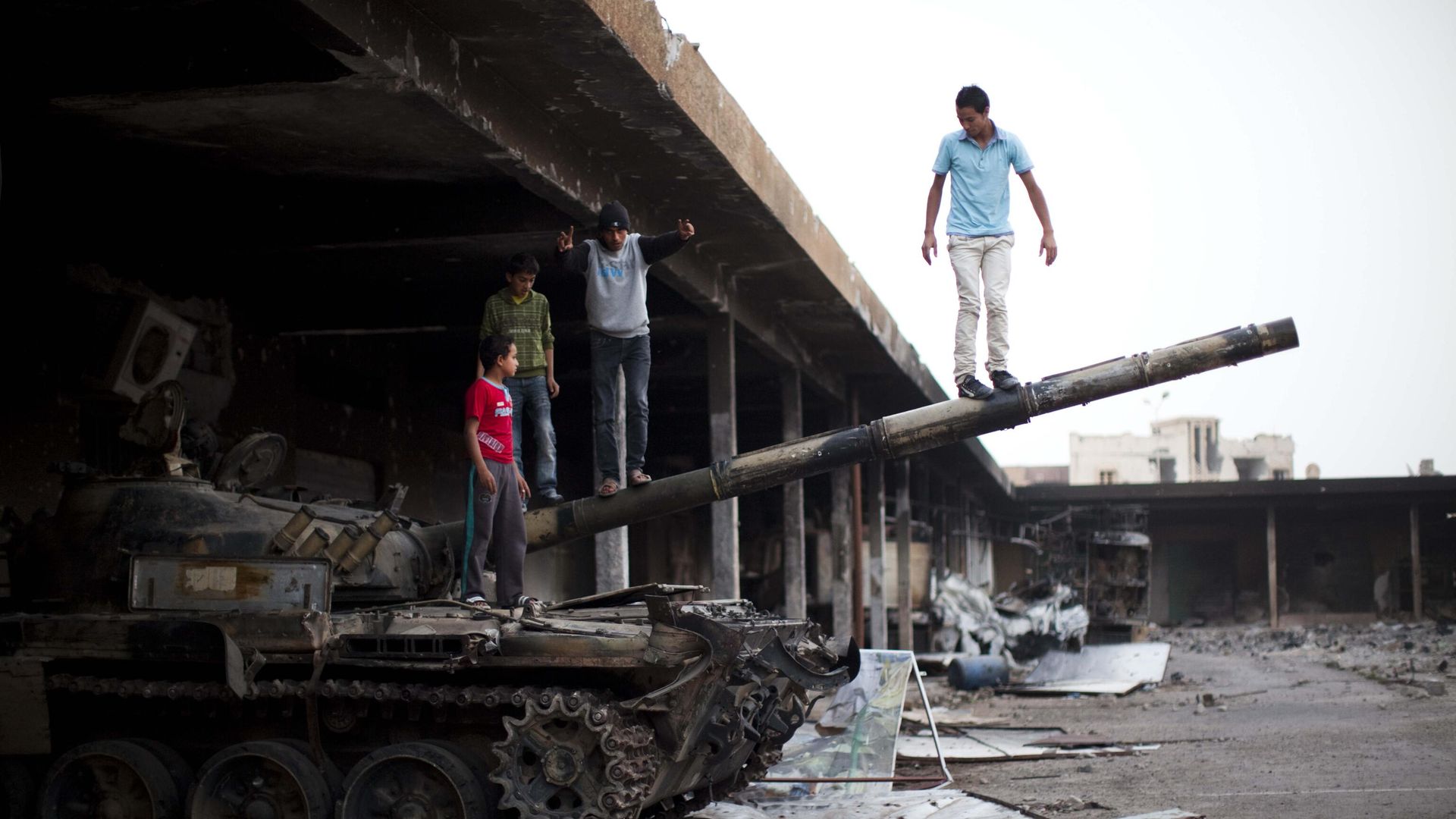
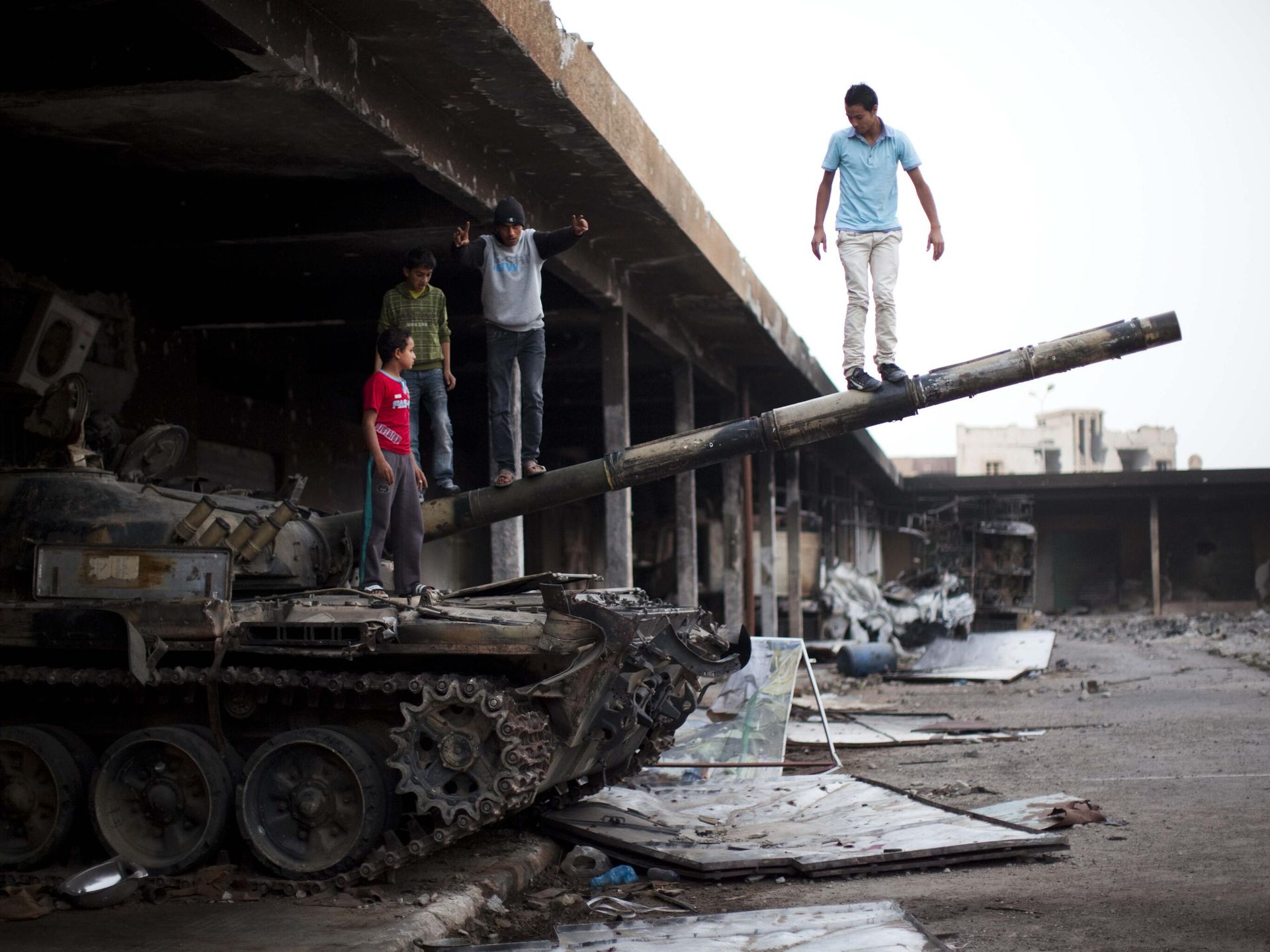
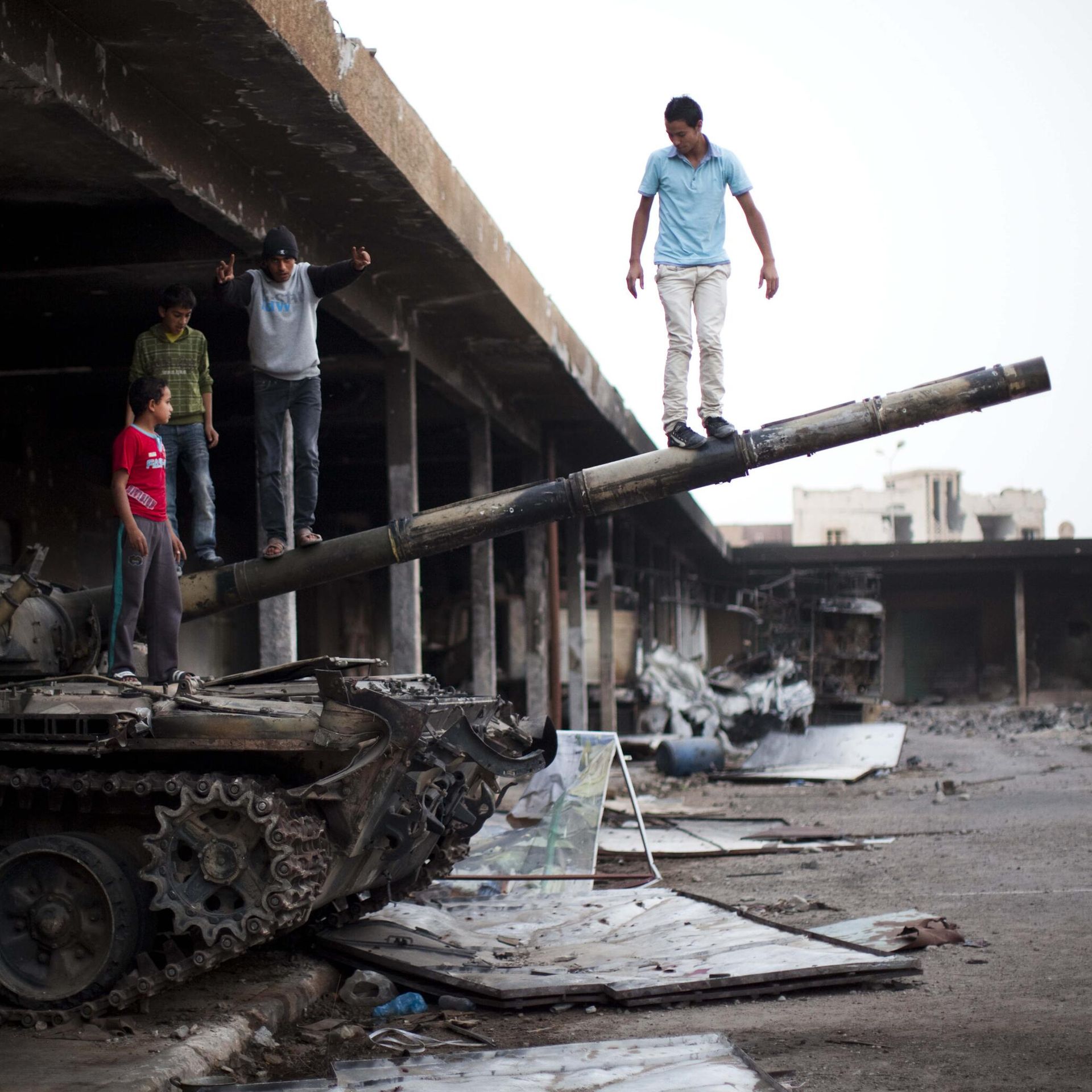
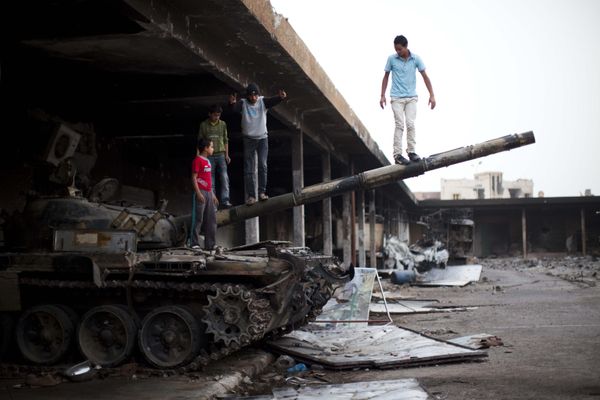
Boys play on a destroyed tank inside a vegetable market in Tripoli Street, the former center of fighting between the rebels and Muammar Gaddafi's forces in Misrata, Libya, on Sunday 22 May 2011.
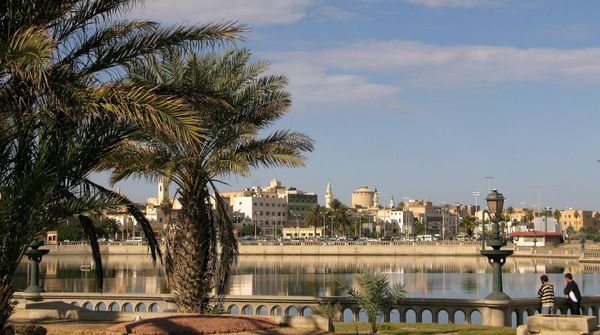
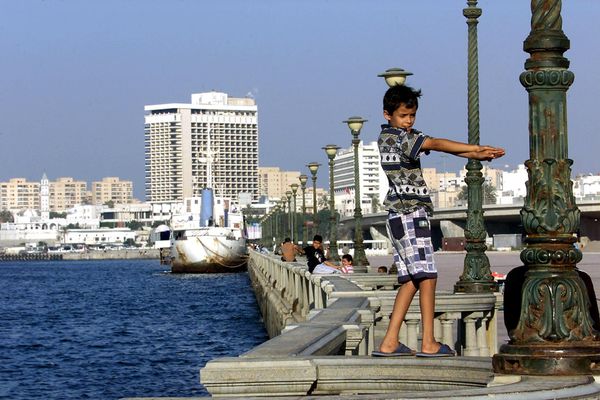
A general view shows Tripoli's old town on 21 November 2008. The old town in Tripoli is still largely unspoiled by mass-tourism, though it is increasingly exposed to visitors from abroad since the UN embargo was lifted in 2003.
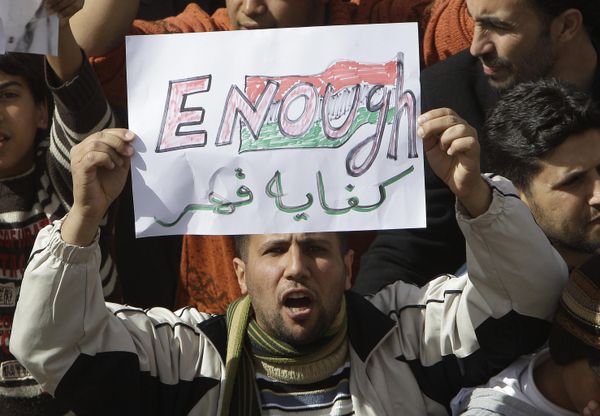
A Libyan protester holds up a sign against Libyan Leader Muammar Gaddafi during a demonstration, in Tobruk, Libya on Wednesday 23 February 2011. Heavy gunfire broke out in Tripoli as forces loyal to Gaddafi tightened their grip on the Libyan capital and anti-government protesters, including top government officials and diplomats, turned against the long-time leader and claimed control of several cities elsewhere.
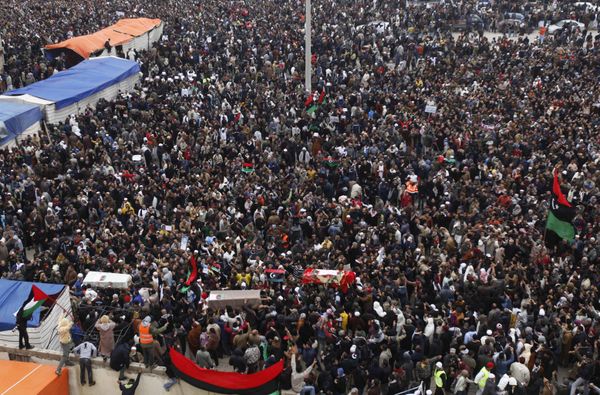
Libyan mourners carry the coffins of three protesters who were killed during the demonstrations against Libyan leader Muammar Gaddafi, in Benghazi, Libya, on Friday 25 February 2011.
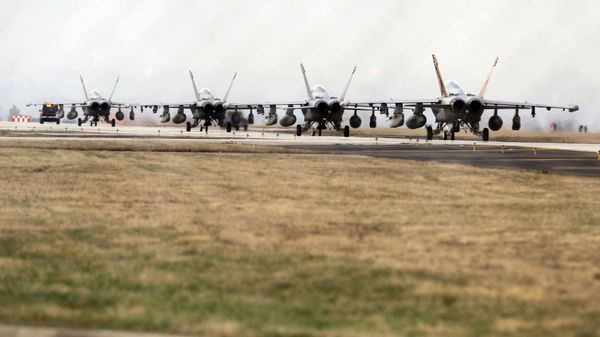
F-18 growler jet fighters seen through a fence are parked at the Nato airbase in Aviano, Italy on Saturday 19 March 2011. At this point, NATO's top decision-making body was meeting to review military plans for a no-fly zone over Libya.
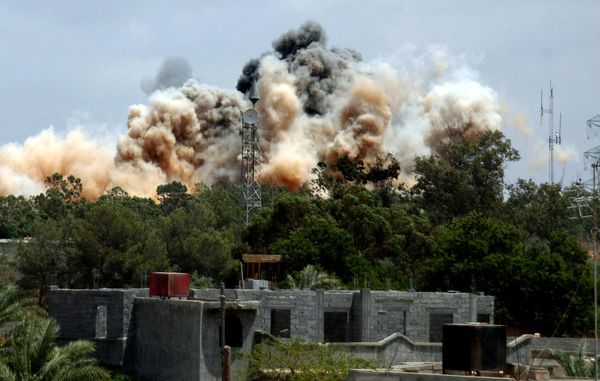
Smoke billows out from behind the trees after an air raid on the area of Tajura, 30km east of Tripoli, as loud explosions rocked the Libyan capital on 24 May 2011 when NATO unleashed a blitz oh the area in a bid to speed up the removal of Libyan leader Muammar Gaddafi.
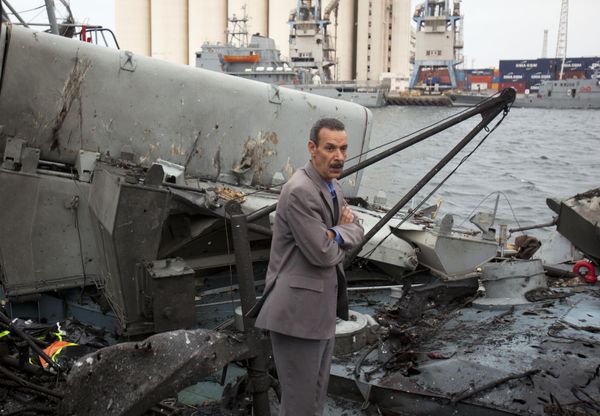
In this photo taken on 20 May 2011, a Libyan official inspects damage on ships moored at the seaport in Tripoli, Libya. NATO fighter jets struck three ports in bombing runs overnight, targeting Gadhafi's navy.
Residents lie in open graves and make the victory sign, to show their willingness to sacrifice themselves to the cause at a park in the main square in Zawiya, 30 miles (50 kilometers) west of Tripoli, in Libya on Sunday 27 February 2011. The placard bears the message: "There is no God but Allah. Martyrs are God's beloved."
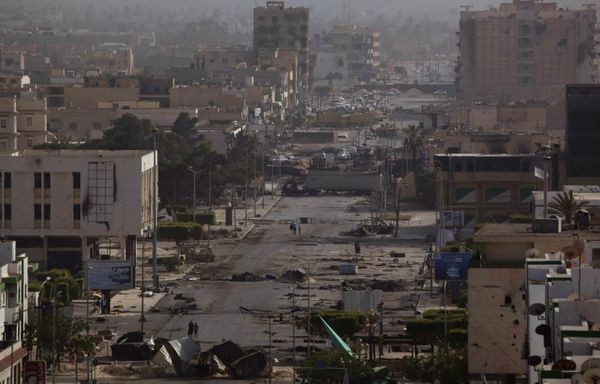
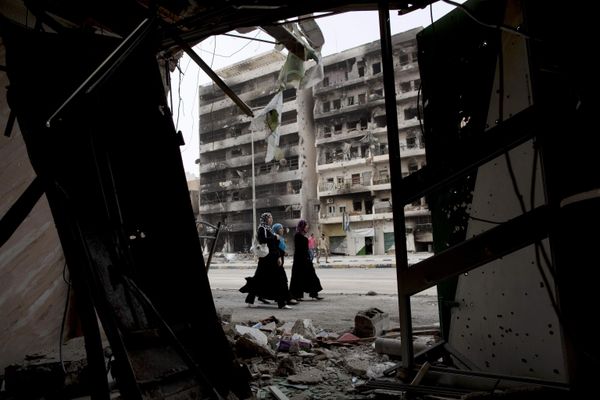
This photo taken on Sunday 22 May 2011, shows a general view of Tripoli street from the terrace of a building used by snipers loyal to Libyan leader Muammar Gaddafi.
Newsfeed
0
Access to the chat has been blocked for violating the rules .
You will be able to participate again through:∞.
If you do not agree with the blocking, please use the feedback form
The discussion is closed. You can participate in the discussion within 24 hours after the publication of the article.

 west of Tripoli, in Libya on Sunday 27 February 2011. The placard bears the message: "There is no God but Allah. Martyrs are God's beloved."")