Weeks Later, Still No Answers: Toxic Train Derailment in Ohio
Weeks Later, Still No Answers: Toxic Train Derailment in Ohio
Sputnik International
On February 3, a train hauling 20 cars with hazardous materials derailed in East Palestine, Ohio. A massive fire erupted as a result of the derailment, leading... 20.02.2023, Sputnik International
Weeks after the toxic train derailment in Ohio, East Palestine, residents are still worried about the repercussions on their health after officials released toxic chemicals, including hydrogen chloride, phosgene, butyl acrylate and ethylene, into the environment by burning vinyl chloride inside tanker cars.Many have complained about headaches, burning skin and irritated eyes, as well as anxiety about long-term health risks such as lung cancer. For its part, the Ohio Department of Natural Resources told Sputnik that approximately 3,500 fish have died in waterways near the site of the train derailment.While local authorities claim that air monitoring hasn't detected dangerous levels of fumes where crews released and burned toxic chemicals, people living close to the wreckage site still want answers.
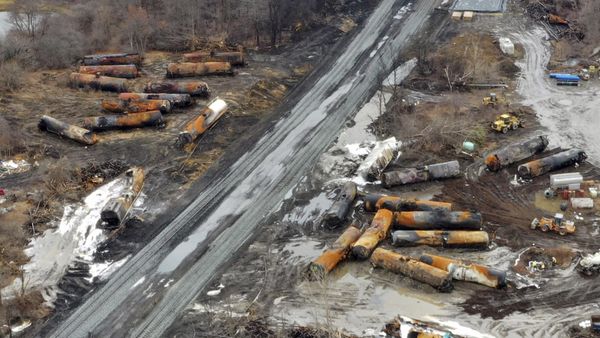
On February 3, a train hauling 20 cars with hazardous materials derailed in East Palestine, Ohio. A massive fire erupted as a result of the derailment, leading to officials burning vinyl chloride inside five of the tanker cars in a "controlled release."
Weeks after the toxic train derailment in Ohio, East Palestine, residents are still worried about the repercussions on their health after officials released toxic chemicals, including hydrogen chloride, phosgene, butyl acrylate and ethylene, into the environment by burning vinyl chloride inside tanker cars.
Many have complained about headaches, burning skin and irritated eyes, as well as anxiety about long-term health risks such as lung cancer. For its part, the Ohio Department of Natural Resources told Sputnik that approximately 3,500 fish have died in waterways near the site of the train derailment.
While local authorities claim that air monitoring hasn't detected dangerous levels of fumes where crews released and burned toxic chemicals, people living close to the wreckage site still want answers.
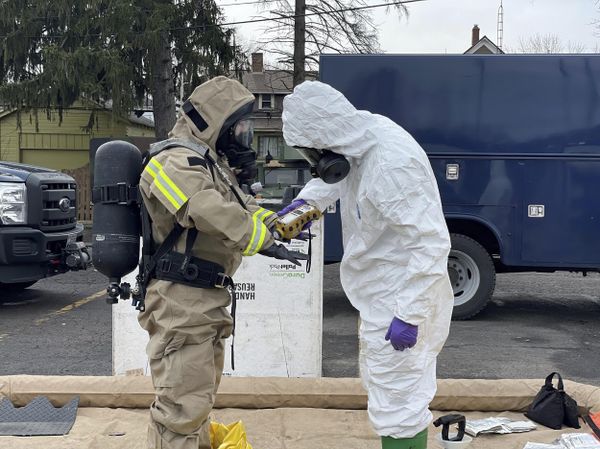
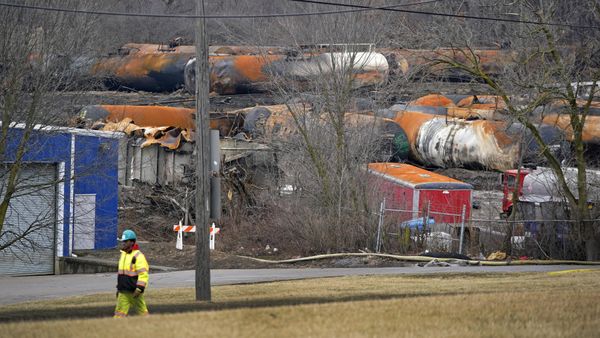
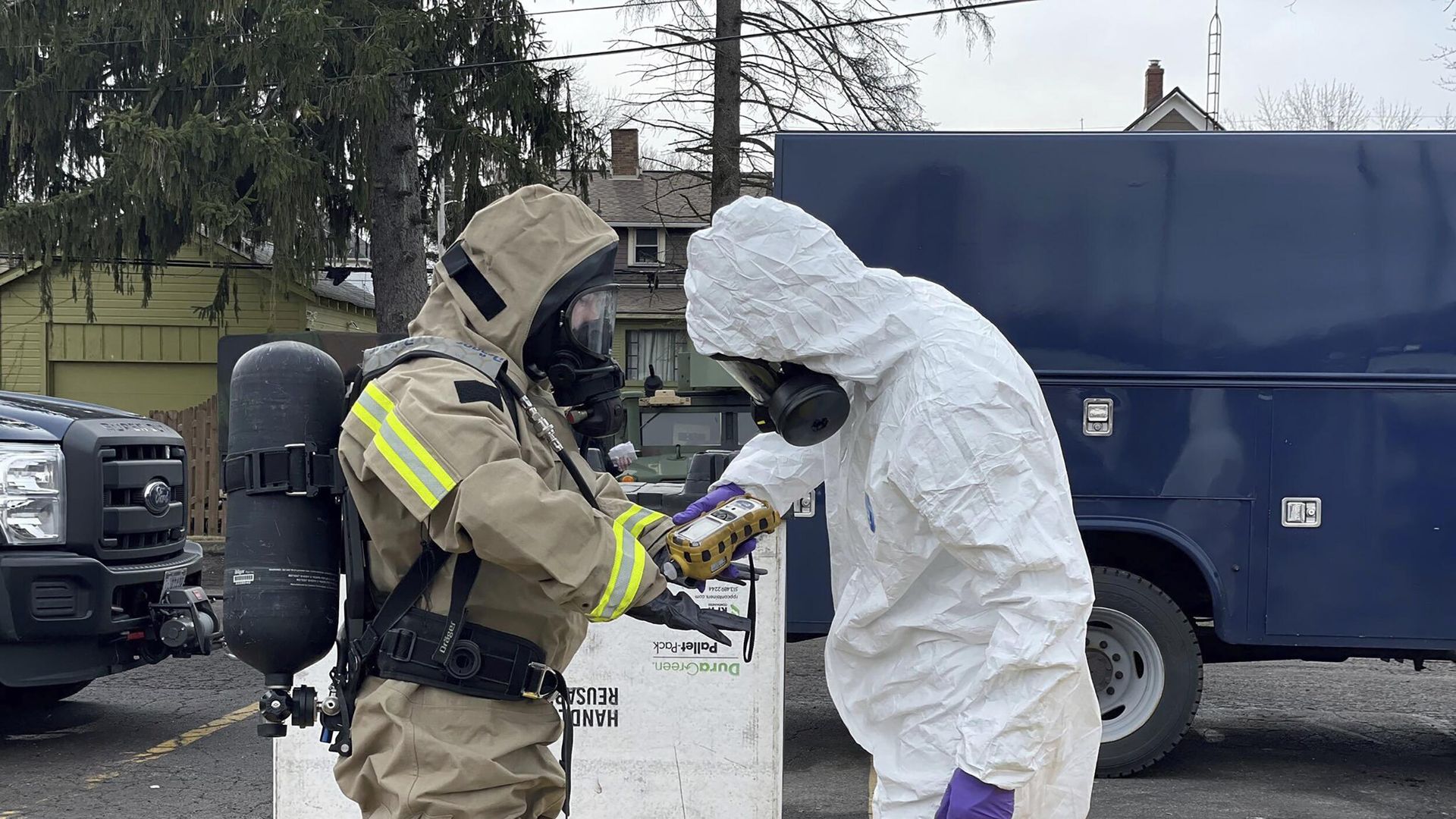
In this photo provided by the Ohio National Guard, ONG 52nd Civil Support Team members prepare to enter an incident area to assess remaining hazards with a lightweight inflatable decontamination system (LIDS) in East Palestine, Ohio. Authorities say air monitoring hasn’t detected dangerous levels of fumes in communities where crews released and burned toxic chemicals from a derailed train. But they also said that Ohio and Pennsylvania residents living close to the wreckage still aren’t being allowed to return to their homes.
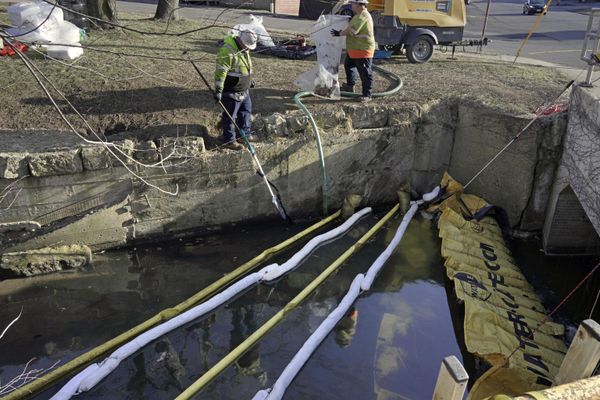
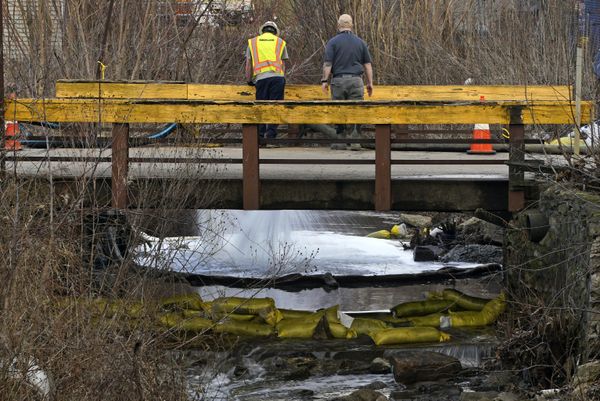
Booms are placed in a stream that flows through the center of East Palestine, Ohio, as cleanup continues following the derailment of a Norfolk Southern freight train. (AP Photo/Gene J. Puskar)
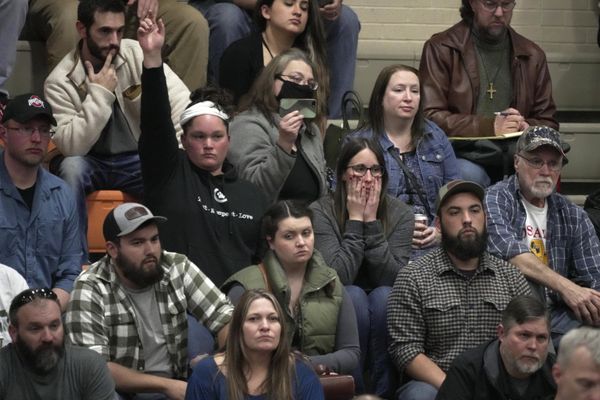
A woman raises her hand with a question during a town hall meeting at East Palestine High School in East Palestine, Ohio. The meeting was held to answer questions about the ongoing cleanup from the February 3 derailment of a Norfolk Southern freight train carrying hazardous materials. (AP Photo/Gene J. Puskar)
Officials at first repeatedly claimed the air quality and drinking water did not pose threats but, finally, Governor Mike DeWine announced on Friday that a creek near East Palestine is still "severely contaminated."
HEPACO workers observe a stream in East Palestine, Ohio, as the cleanup continues after the derailment of a Norfolk Southern freight train. (AP Photo/Gene J. Puskar)
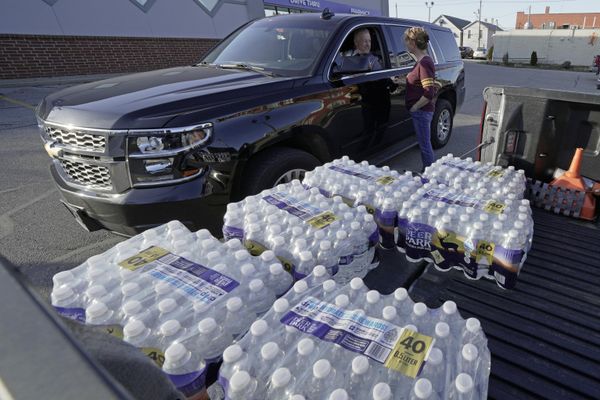
Becky Rance, center, talks with a police officer as she hands out water from the back of her truck in downtown East Palestine, Ohio, as the cleanup of portions of a Norfolk Southern freight train continues. (AP Photo/Gene J. Puskar)
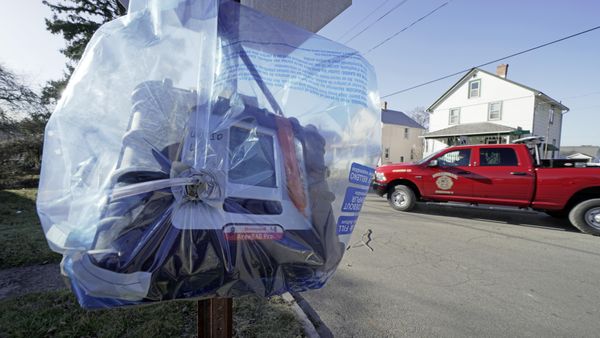
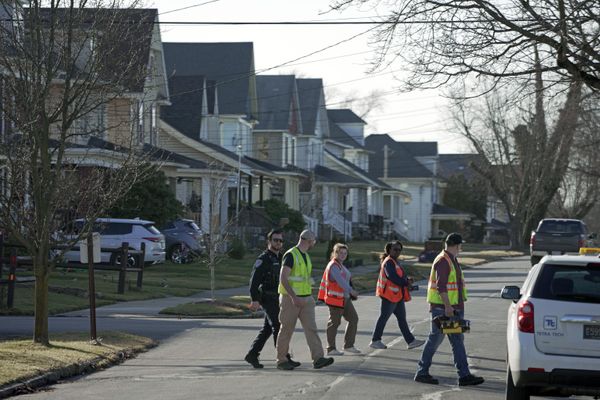
A group monitoring indoor air quality leaves a home in East Palestine, Ohio. (AP Photo/Gene J. Puskar)
Newsfeed
0
Access to the chat has been blocked for violating the rules .
You will be able to participate again through:∞.
If you do not agree with the blocking, please use the feedback form
The discussion is closed. You can participate in the discussion within 24 hours after the publication of the article.