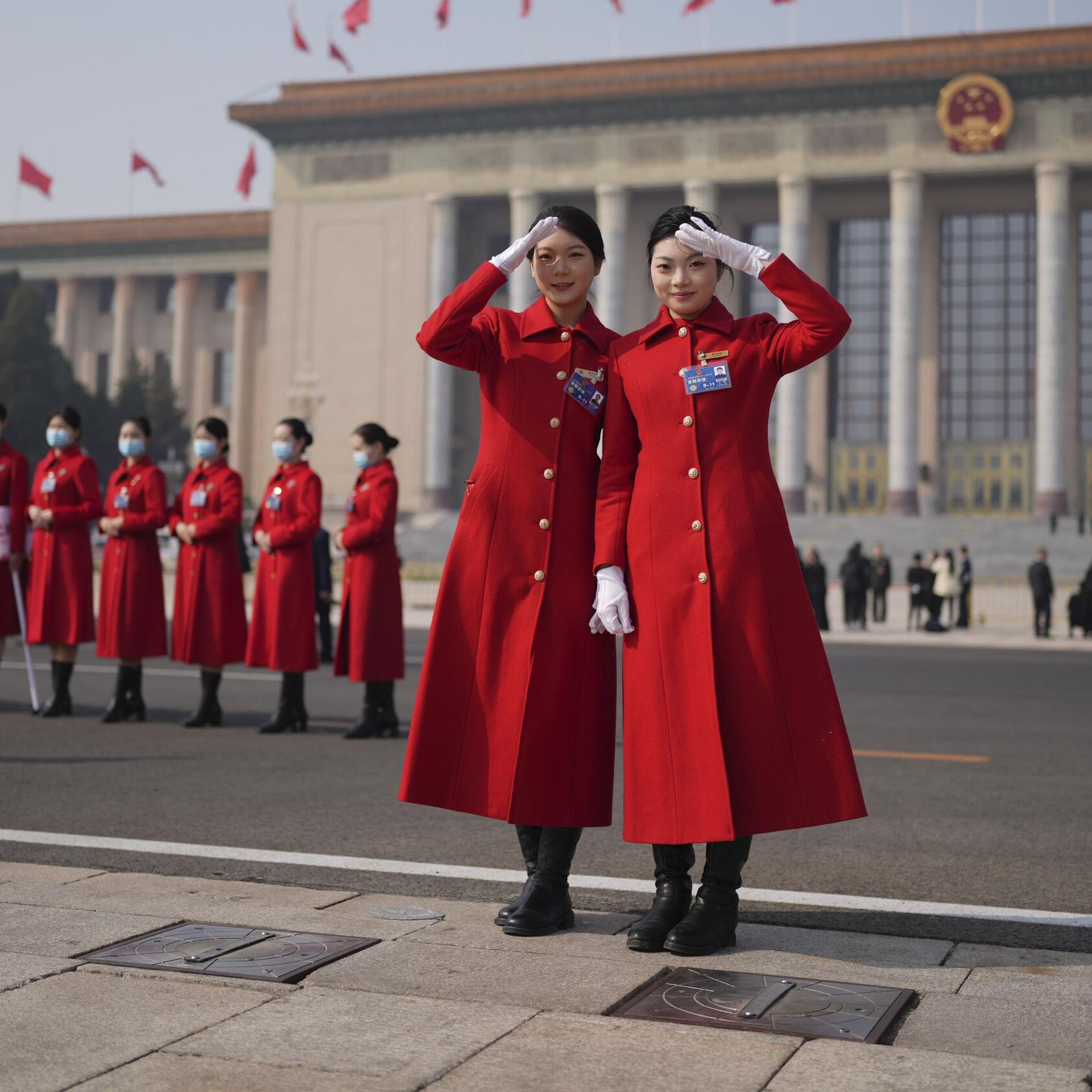
China's Top Political 'Two Sessions' Kicks-Off in Beijing
China's Top Political 'Two Sessions' Kicks-Off in Beijing
Sputnik International
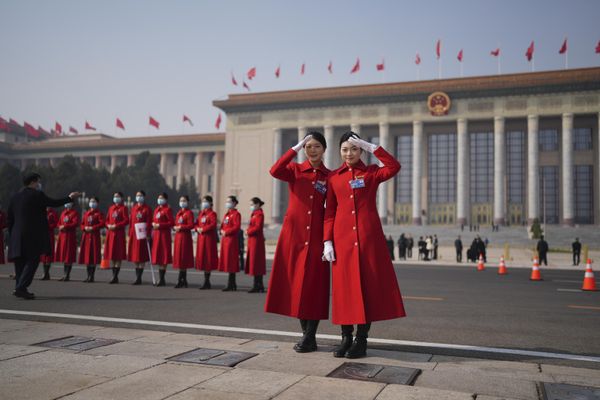
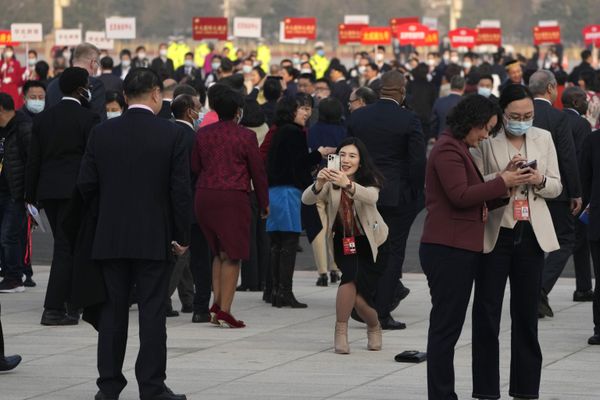
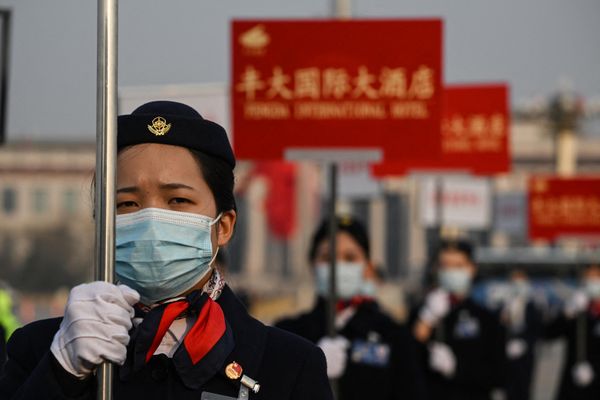
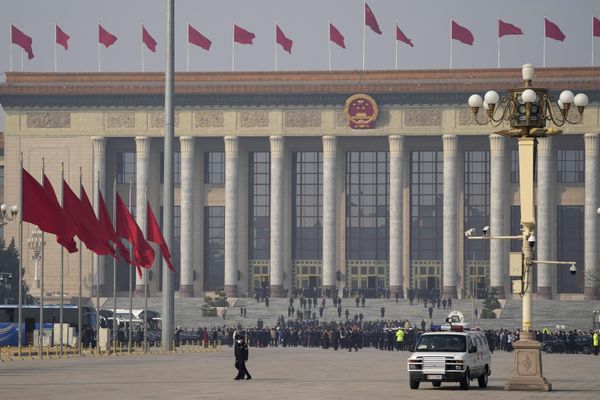
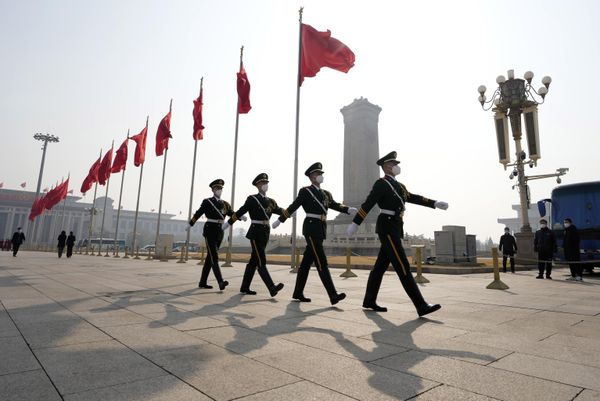
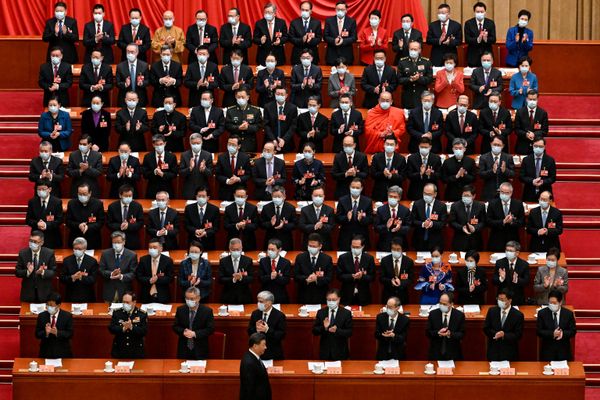
This week is marked by the start of the "two sessions" in Beijing. The event is called that way because both the National People's Congress (NPC) and the Chinese People's Political Consultative Conference (CPPCC) hold their annual meetings simultaneously.
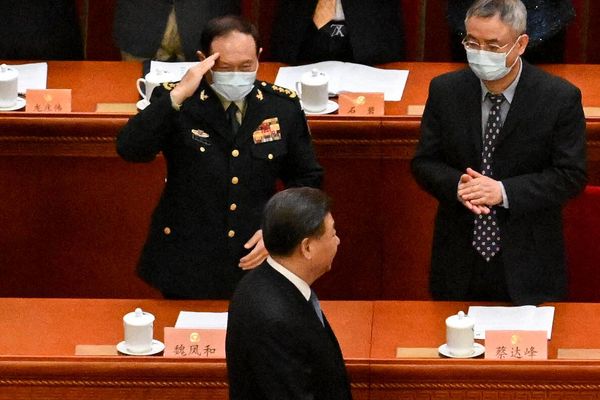
National People's Congress is the Chinese parliament, consisting roughly of 3,000 members, while the CPPCC is an advisory body. Usually, the "Two sessions" lasts about a week. As a result of the top-level meetings, the Chinese government publishes a report which outlines key points of the country's internal and foreign policy. Follow Sputniks photo gallery to learn more!
This week is marked by the start of the "two sessions" in Beijing. The event is called that way because both the National People's Congress (NPC) and the Chinese People's Political Consultative Conference (CPPCC) hold their annual meetings simultaneously.
National People's Congress is the Chinese parliament, consisting roughly of 3,000 members, while the CPPCC is an advisory body. Usually, the "Two sessions" lasts about a week. As a result of the top-level meetings, the Chinese government publishes a report which outlines key points of the country's internal and foreign policy.
Chinese officials will discuss key issues of the political and socio-economic development of the China state, outline the plans for the future, determine the course of further reforms and adopt a budget for 2023.
The session kicked off with the government reports. First of all, the State Council has to inform the delegates on social and economic developments in the country.
One of key points of the meeting is the question of defense since China estimates current geopolitical risks as very high. That's why Bejing is planning a 7.2% increase in military spending.
Increases in China's defense budget have been "appropriate and reasonable" and are aimed at meeting "complex security challenges," a spokesperson for the country's parliament said.
In a nutshell, Beijing defense expenditures will exceed 1.5 trillion yuan (about $224.8 billion). The Communist Party of China (CPC) also plans to strengthen the combat training of the personnel of the People's Liberation Army.
China will continue to decisively oppose the idea of "Taiwan independence" and make efforts to peacefully reunite the island with the mainland. Beijing emphasizes that China will adhere to the defensive nature of the military doctrine and will not pose a threat to anyone.
Another critical issue is diplomacy. Since Deng Xiaoping's Chinese foreign policy formula basically remains unchanged – Beijing should "watch dispassionately, act calmly, hide its talents, bide its time, and seek concrete achievements."
Beijing's spending on diplomacy in 2023 will grow by 12.2 percent. China will "develop the foreign policy of a world power with Chinese specifics", "expand openness to the outside world" and "defend the world order."
Economic cooperation will be of utmost importance for Chinese foreign policy. Beijing will take an active part in international activities aimed at managing the global economy.
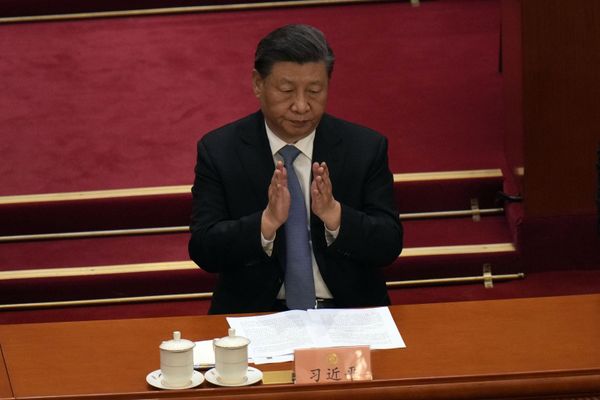
Chinese leader Xi Jinping believes that China should take a decisive part in the reform of the World Trade Organization and actively promote the principles of the Regional Comprehensive Economic Partnership (RCEP) agreement.
China's economy is developing at a reasonable pace, according to one of the reports read at the session. This became possible due to the introduction of innovations amidst growing trade protectionism in western countries.
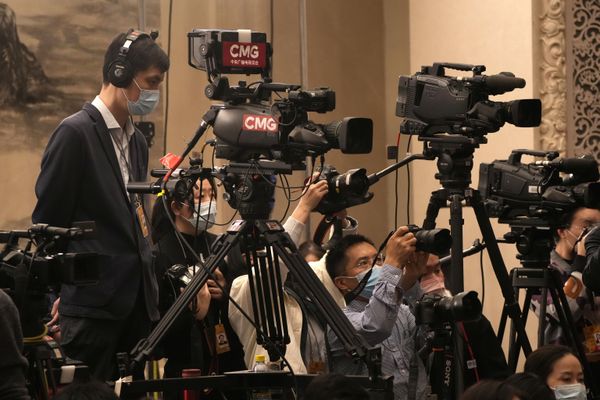
Abouve: Journalists atted a press conference on the eve of the opening session of the annual meeting of China's National People's Congress (NPC) at the Great Hall of the People in Beijing.
Newsfeed
0
Access to the chat has been blocked for violating the rules .
You will be able to participate again through:∞.
If you do not agree with the blocking, please use the feedback form
The discussion is closed. You can participate in the discussion within 24 hours after the publication of the article.