https://sputnikglobe.com/20230310/chinas-xi-jinping-unanimously-reelected-for-third-presidential-term-1108241072.html
China's Xi Jinping Unanimously Reelected for Historic Third Presidential Term
China's Xi Jinping Unanimously Reelected for Historic Third Presidential Term
Sputnik International
Chinese President Xi Jinping was unanimously reelected for a third presidential term on Friday, effectively becoming the first Chinese officials to do so.
2023-03-10T03:05+0000
2023-03-10T03:05+0000
2023-03-10T11:04+0000
asia
china
xi jinping
president
https://cdn.imgsputnikglobe.com/img/07e7/03/05/1108034815_0:0:3073:1728_1920x0_80_0_0_856c25af8f6253407a2ed01268df6dbf.jpg
Chinese President Xi Jinping was unanimously reelected for a historic third presidential term on Friday, becoming the first Chinese leader to do so. This was made possible by the Chinese legislature's move to abolish presidential term limits in 2018.Putin said he "highly appreciates" Xi's "personal contribution to strengthening the relations of comprehensive partnership and strategic interaction" between Russia and China.Xi's Presidency: Record and ProspectsXi Jinping was first elected to the top job in March 2013, and reelected for a second five-year term in 2018.Xi has presided over China's rise to the status of the world's largest economy, the Asian nation overtaking the US on innovation and technology research, the dramatic expansion of China's fledgling space program, and a big bump in China's defense capability, including the world's largest navy.Domestically, under Xi, China has seen more than 100 million people, mostly from its rural population, rise out of poverty. In more recent years, the Chinese president has called the peaceful reunification of China and Taiwan along the 'One Country, Two Systems' model applied to Hong Kong and Macau a top priority of his administration. Last year, Xi announced plans to achieve that goal by 2049 and the 100th anniversary of the founding of the People's Republic as part of the dream of the "great rejuvenation of the Chinese nation."Xi has also been credited for greatly reducing corruption in China. In 2018, he ran an anti-corruption campaign with the slogan "Saohei chu'e," which translates roughly to "sweep away black and eliminate evil." The campaign ended last year and according to official statistics resulted in nearly 40,000 criminal cells and corrupt companies being busted and 50,000 Communist Party and government officials being punished for helping them.Voting results have also shown that Han Zheng was elected as deputy president. Prior to the election, Han served as the vice primer, where he was the top official responsible for Hong Kong and Macao affairs. He also co-chaired the Intergovernmental Russian-Chinese Commission on Investment Cooperation and Energy Cooperation and chaired the steering group for the XXIV Winter Olympic Games in Beijing and launched the Olympic torch relay that year.Parliament Approves Ambitious Reform PlanEarlier, the Chinese parliament approved a plan to re-organize institutions under the country's State Council — the country's highest state executive body. As a part of the reform plan, China will establish a state data department under the National Development and Reform Commission. The body will be responsible for promoting the creation of fundamental data institutions, unified planning for the integration, use, development, and application of information resources, and the planning and establishment of the digital economy and society.Moreover, the plan is expected to deepen the reform of the local financial regulation mechanism and establish a mechanism for local financial supervision and control.The final reform plan with details of the upcoming changes will be published later.The first session of the 14th National People's Congress opened on March 5 and will conclude its work on March 13.
https://sputnikglobe.com/20230306/why-west-shouldnt-make-problem-out-of-chinas-growing-military-spending-1108091712.html
https://sputnikglobe.com/20210726/chinas-e-yuan-could-be-largest-threat-to-west-as-us-slow-to-develop-digital-dollar---report-1083461106.html
china
Sputnik International
feedback@sputniknews.com
+74956456601
MIA „Rossiya Segodnya“
2023
Sputnik International
feedback@sputniknews.com
+74956456601
MIA „Rossiya Segodnya“
News
en_EN
Sputnik International
feedback@sputniknews.com
+74956456601
MIA „Rossiya Segodnya“
Sputnik International
feedback@sputniknews.com
+74956456601
MIA „Rossiya Segodnya“
china, xi jinping, third presidential term
china, xi jinping, third presidential term
China's Xi Jinping Unanimously Reelected for Historic Third Presidential Term
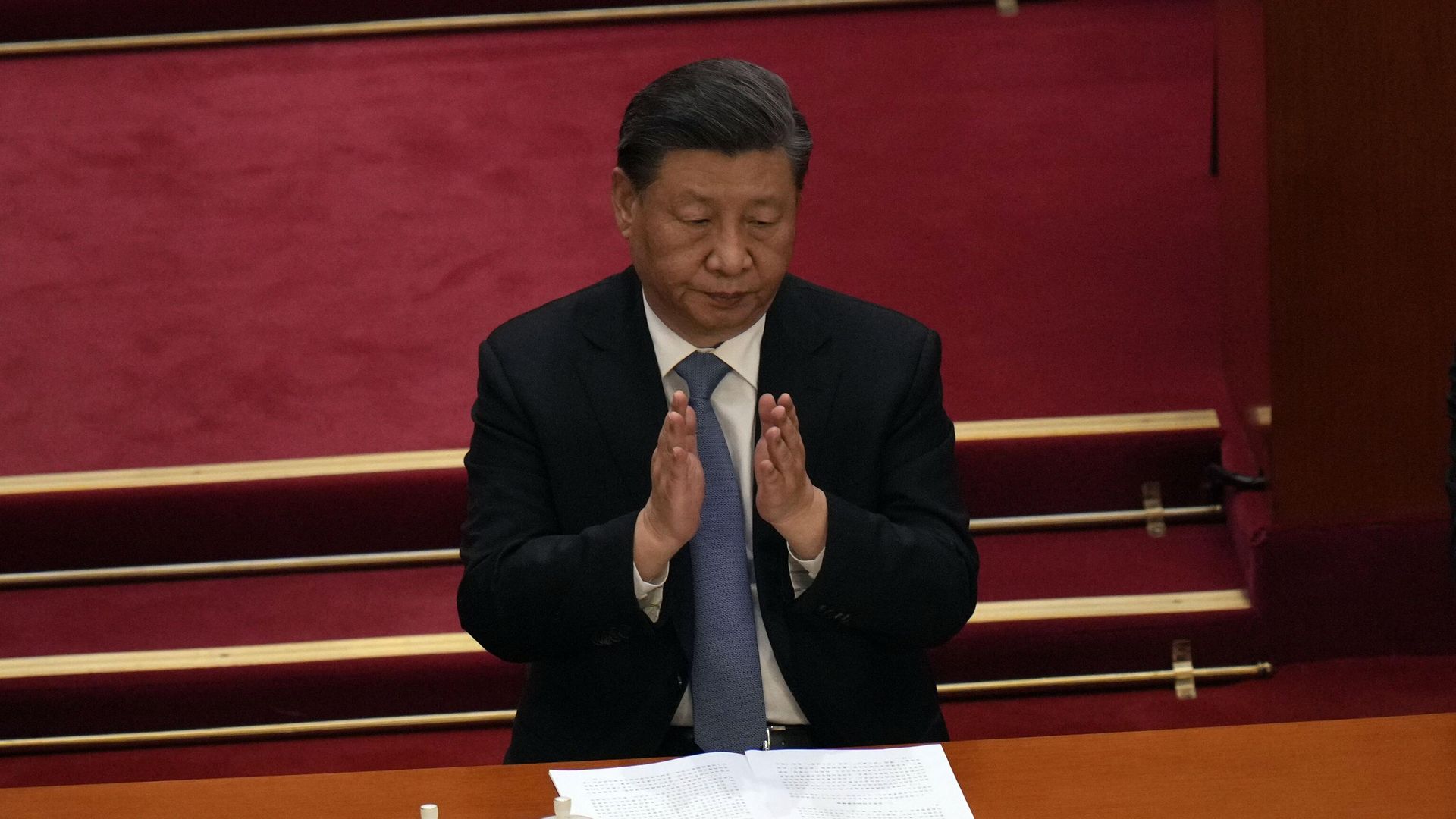
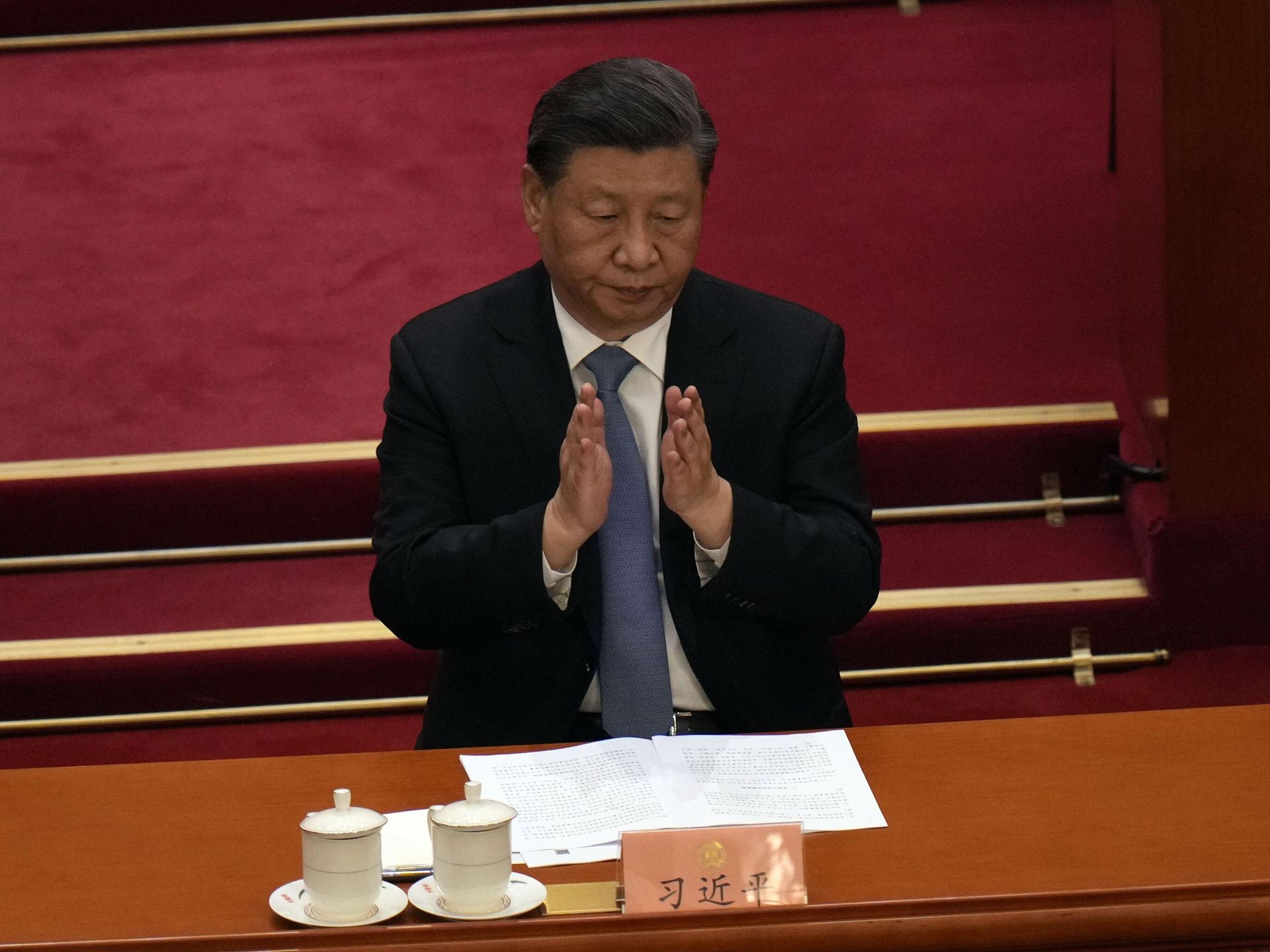
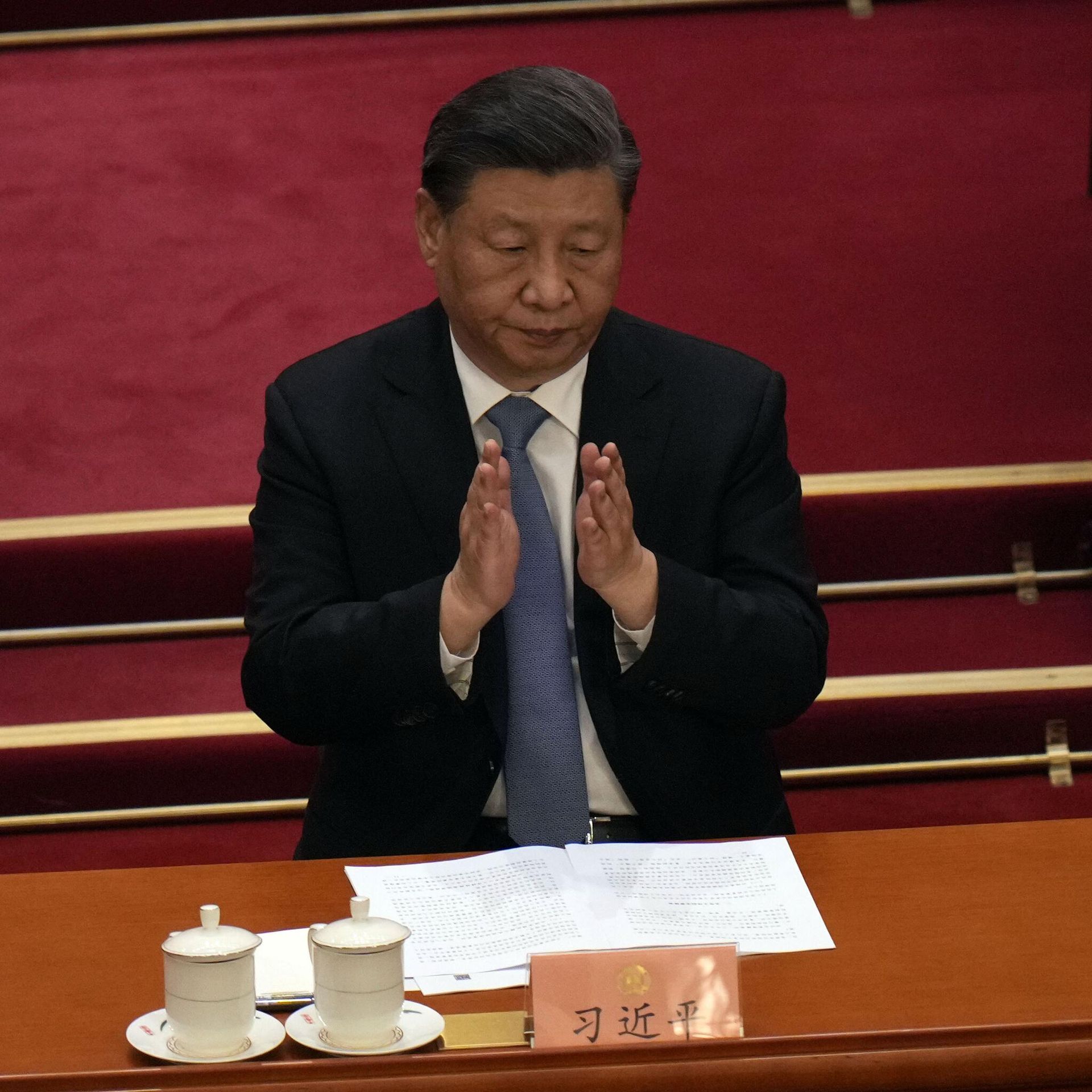
03:05 GMT 10.03.2023 (Updated: 11:04 GMT 10.03.2023) Xi was both elected to serve again as the president of the People's Republic of China and chairman of the powerful Central Military Commission during an ongoing session of the 14th National People's Congress - the supreme state authority of the PRC.
Chinese President Xi Jinping was unanimously reelected for a historic third presidential term on Friday, becoming the first Chinese leader to do so. This was made possible by the Chinese legislature's move to abolish presidential term limits in 2018.
Russian President Vladimir Putin wrote Xi a telegram Friday, offering his "dear friend" his "heartfelt congratulations" on the occasion, and saying his reelection by the National People's Congress signaled China's "broad support" for Xi's "course toward the further social and economic development of China and the protection of its national interests on the world stage."
Putin said he "highly appreciates" Xi's "personal contribution to strengthening the relations of comprehensive partnership and strategic interaction" between Russia and China.
Xi's Presidency: Record and Prospects
Xi Jinping was first elected to the top job in March 2013, and reelected for a second five-year term in 2018.
Xi has presided over China's rise to the status of the
world's largest economy, the Asian nation
overtaking the US on innovation and technology research, the
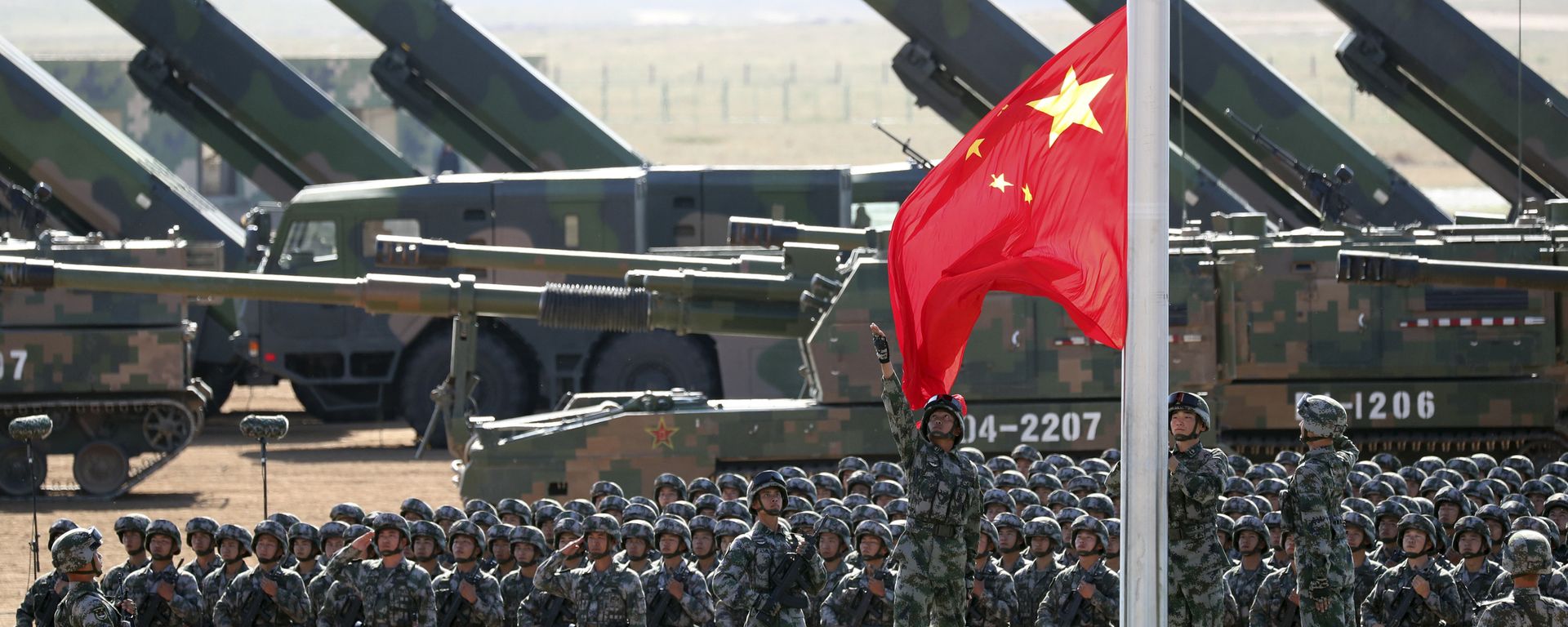
dramatic expansion of China's fledgling space program, and a big bump in China's defense capability, including the world's
largest navy.
Successive US administrations have sought to undercut China's rapid economic growth by imposing tariffs, export controls, and other sanctions and restrictions against the Chinese economy. At the same time, both Democrats and Republicans have advocated for the Biden administration to expand US military presence in the Asia-Pacific region in order to put additional pressure on Beijing and try to 'hem the Asian nation in' in its home waters.
Domestically, under Xi, China has seen more than 100 million people, mostly from its rural population, rise out of poverty. In more recent years, the Chinese president has called the peaceful reunification of China and Taiwan along the 'One Country, Two Systems' model applied to Hong Kong and Macau a top priority of his administration. Last year, Xi announced plans to achieve that goal by 2049 and the 100th anniversary of the founding of the People's Republic as part of the dream of the "great rejuvenation of the Chinese nation."
Xi has also been credited for greatly reducing corruption in China. In 2018, he ran an anti-corruption campaign with the slogan "Saohei chu'e," which translates roughly to "sweep away black and eliminate evil." The campaign ended last year and according to official statistics resulted in nearly 40,000 criminal cells and corrupt companies being busted and 50,000 Communist Party and government officials being punished for helping them.
Voting results have also shown that Han Zheng was elected as deputy president. Prior to the election, Han served as the vice primer, where he was the top official responsible for Hong Kong and Macao affairs. He also co-chaired the Intergovernmental Russian-Chinese Commission on Investment Cooperation and Energy Cooperation and chaired the steering group for the XXIV Winter Olympic Games in Beijing and launched the Olympic torch relay that year.
Parliament Approves Ambitious Reform Plan
Earlier, the Chinese parliament approved a plan to re-organize institutions under the country's State Council — the country's highest state executive body. As a part of the reform plan, China will establish a state data department under the National Development and Reform Commission. The body will be responsible for promoting the creation of fundamental data institutions, unified planning for the integration, use, development, and application of information resources, and the planning and establishment of the digital economy and society.
Moreover, the plan is expected to deepen the reform of the local financial regulation mechanism and establish a mechanism for local financial supervision and control.
The final reform plan with details of the upcoming changes will be published later.
The first session of the 14th National People's Congress opened on March 5 and will conclude its work on March 13.