https://sputnikglobe.com/20230310/new-york-city-teeming-with-rats-infected-with-different-covid-19-strains-study-warns-1108248278.html
New York City Teeming With Rats Infected With Different Covid-19 Strains, Study Warns
New York City Teeming With Rats Infected With Different Covid-19 Strains, Study Warns
Sputnik International
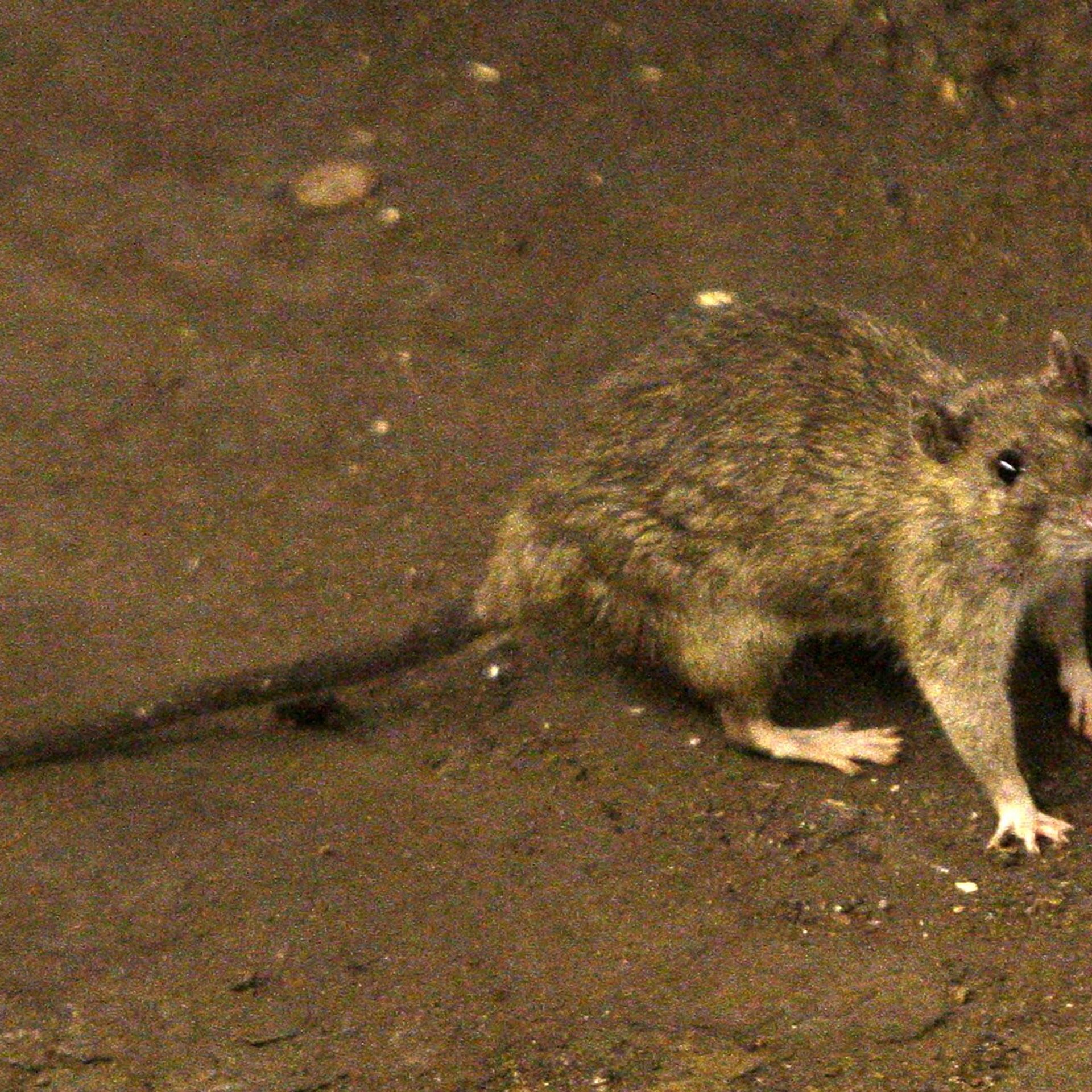
Over a million rats infesting New York City's sewers are infected with different Covid-19 strains, a study revealed.
2023-03-10T11:07+0000
2023-03-10T11:07+0000
2023-03-10T11:07+0000
science & tech
covid-19
rats
sars coronavirus
university of missouri
omicron strain
delta variant of covid-19
world health organization
wuhan
china
https://cdn.imgsputnikglobe.com/img/07e7/03/0a/1108248112_0:94:2000:1219_1920x0_80_0_0_707985cdd1d5b8908cce63c577f3e126.jpg
New York City’s rats have been found to be infected with the Alpha, Delta and Omicron variants of SARS-CoV-2, the virus that causes Covid-19, according to a study carried out by a team of researchers from the University of Missouri. Additional monitoring of the Big Apple's 8 million rodent population is being urged, as the discovery triggered speculation that the rats could cause the respiratory disease to spread again.Rats are common throughout New York City, scuttling about in its sewers, subways, parks, and abandoned buildings. The team of scientists analyzed Norway rats (Rattus norvegicus), also called the “brown” rat, caught at various places near city sewers during three months of 2021 to "look for evidence of SARS-CoV-2 infection,” said study co-author Tom DeLiberto, SARS-CoV-2 Coordinator at USDA APHIS Wildlife Services.After virological studies and genomic sequencing, they discovered that 13 of the 79 rats (16.5 percent) tested positive for the virus. This could be extrapolated to potentially 1.3 million of New York City's estimated 8 million rats, according to findings in the peer-reviewed publication featured in 'mBio', a journal of the American Society for Microbiology.The researchers also conducted a virus challenge study, which showed that Alpha, Delta and Omicron variants - found in humans during the pandemic - are able to cause infections in rats, while mutating to adapt to a new host.The fact that animals are susceptible to the virus causing COVID-19 is hardly new. At the start of the pandemic back in 2020, around 17 million mink were preemptively culled in Denmark upon being found to be infected with a novel strain. And in Hong Kong last year, 2,000 imported hamsters met a similar fate.Back in August 2022, a global tracker was released, making use of the Program for Monitoring Emerging Diseases and the World Animal Health Information System, revealing that all sorts of animal species have caught COVID-19, including mink, hamsters, cats and dogs.The rat study comes as a recent investigation by the US Department of Energy doubled down on the claims the virus may have been “leaked” from a Chinese lab, resuscitating the theory that the Wuhan lab in China was allegedly the source of the outbreak. Other intelligence agencies have tied the novel coronavirus to a market in Wuhan.Beijing has rejected the claims vehemently, pointing out that the World Health Organization’s probe determined it “extremely unlikely” the Wuhan lab was the source of the outbreak. Indeed, originally the COVID-19 pandemic was blamed on zoonotic transmission of a mutant bat coronavirus to humans at a wet market in Wuhan, China. Commenting on the FBI's data suggesting a lab origin of the coronavirus, Chinese Foreign Ministry spokeswoman Mao Ning said earlier that Beijing opposes any form of political manipulation under the pretext of finding the source of COVID-19.
https://sputnikglobe.com/20230302/uk-government-considered-exterminating-all-cats-at-outbreak-of-covid-19-pandemic-1107926900.html
https://sputnikglobe.com/20230215/who-quietly-suspends-investigation-into-covid-19-origins-reports-say-1107458169.html
wuhan
china
Sputnik International
feedback@sputniknews.com
+74956456601
MIA „Rossiya Segodnya“
2023
News
en_EN
Sputnik International
feedback@sputniknews.com
+74956456601
MIA „Rossiya Segodnya“
Sputnik International
feedback@sputniknews.com
+74956456601
MIA „Rossiya Segodnya“
rats infesting new york city, new york sewers, infected with different covid-19 strains, a study by university of missouri, alpha, delta, omicron variants, sars-cov-2, possible secondary spreading, disease, zoonotic transmission to humans,
rats infesting new york city, new york sewers, infected with different covid-19 strains, a study by university of missouri, alpha, delta, omicron variants, sars-cov-2, possible secondary spreading, disease, zoonotic transmission to humans,
New York City Teeming With Rats Infected With Different Covid-19 Strains, Study Warns
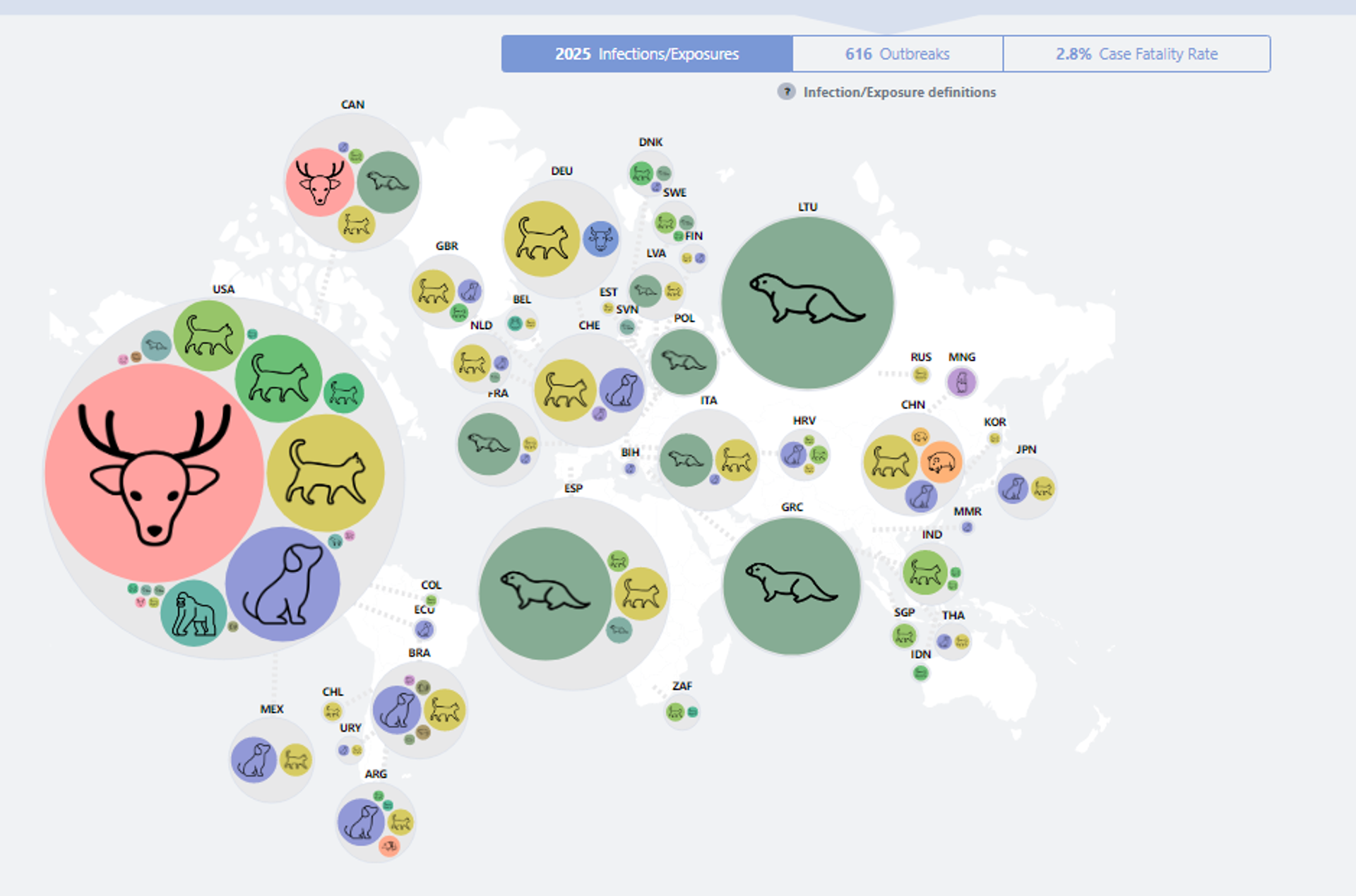
A global tracker released back in August 2022 and using the Program for Monitoring Emerging Diseases and the World Animal Health Information System revealed that numerous animal species have caught COVID-19, including mink, hamsters, cats and dogs, with the question now being whether animals can pass the virus back to humans.
New York City’s rats have been found to be infected with the Alpha, Delta and Omicron variants of SARS-CoV-2, the
virus that causes Covid-19, according to a study carried out by a team of researchers from the University of Missouri. Additional monitoring of the Big Apple's 8 million rodent population is being urged, as the discovery triggered speculation that the rats could cause the respiratory disease to spread again.
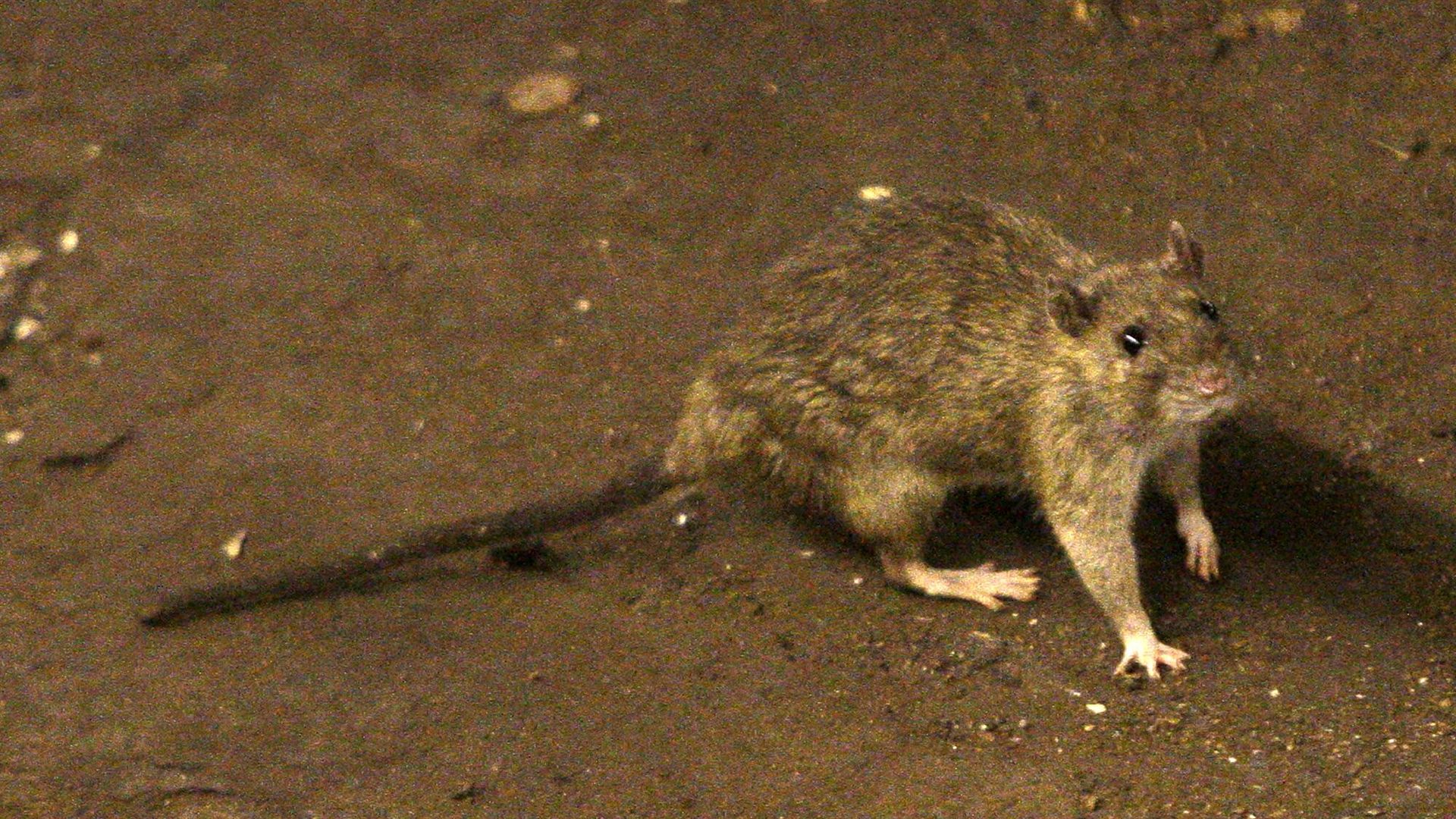
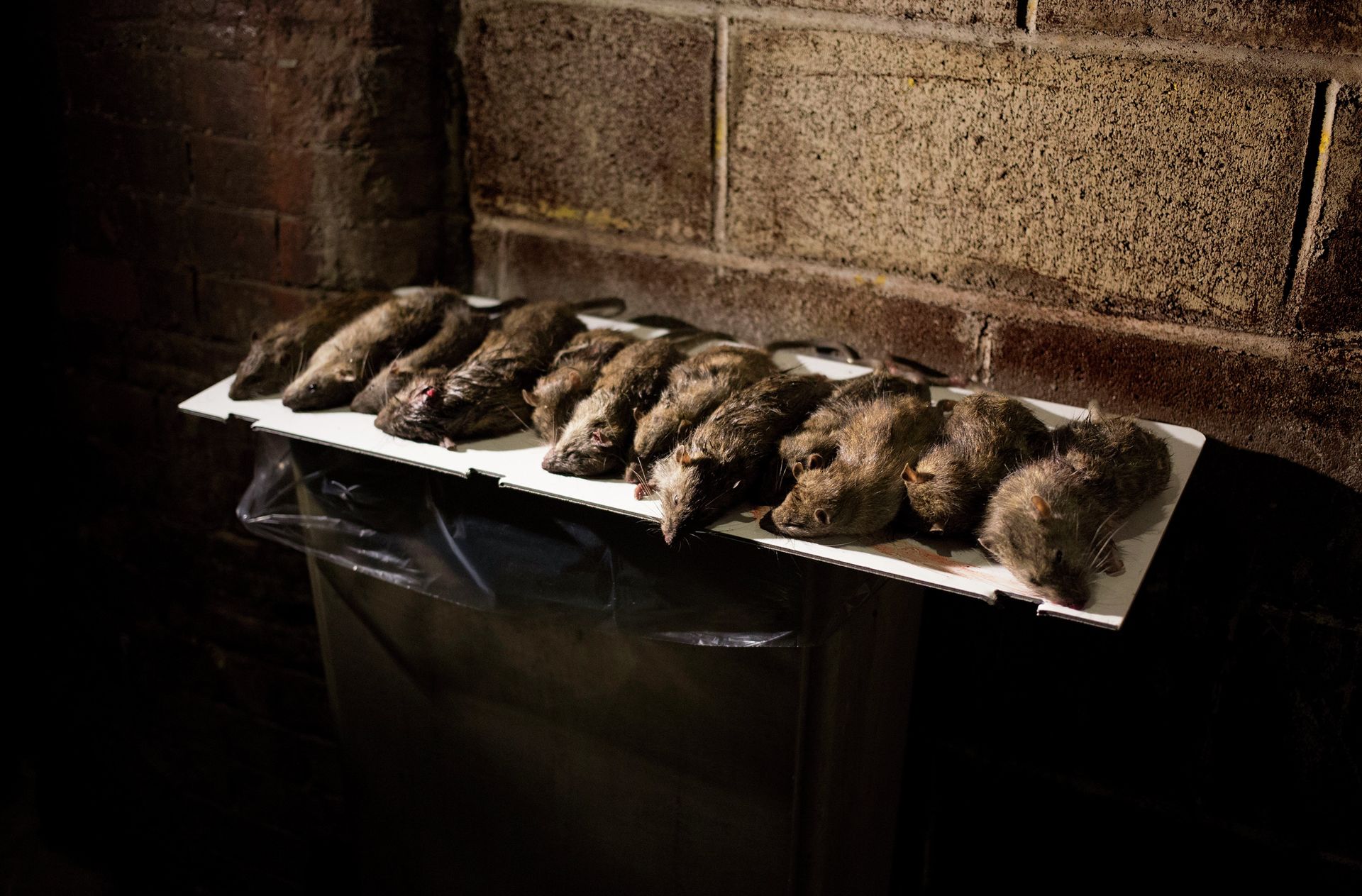
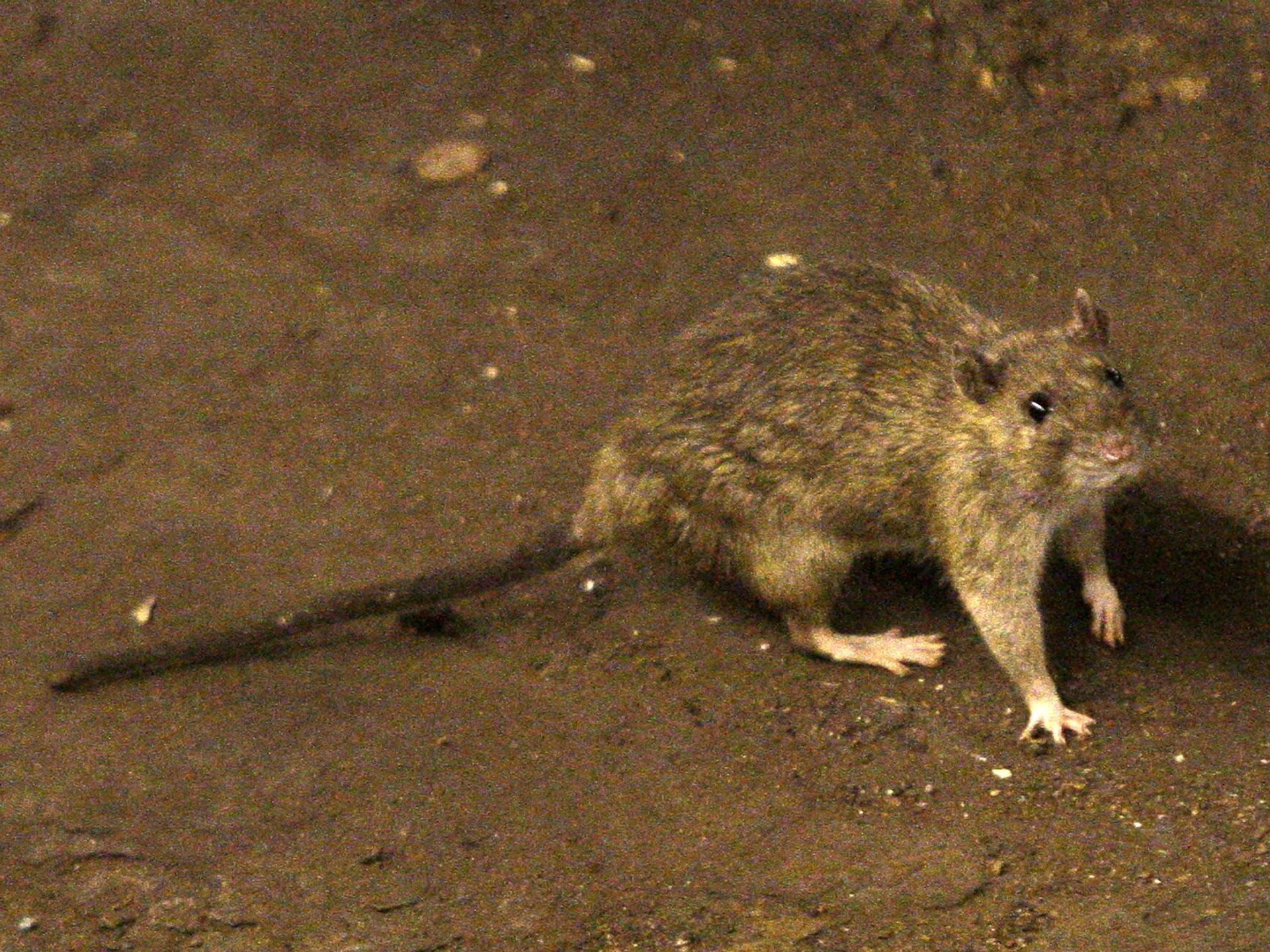
Rats are common throughout New York City, scuttling about in its sewers, subways, parks, and abandoned buildings. The team of scientists analyzed Norway rats (Rattus norvegicus), also called the “brown” rat, caught at various places near city sewers during three months of 2021 to "look for evidence of SARS-CoV-2 infection,” said study co-author Tom DeLiberto, SARS-CoV-2 Coordinator at USDA APHIS Wildlife Services.
After virological studies and genomic sequencing, they discovered that 13 of the 79 rats (16.5 percent) tested positive for the virus. This could be extrapolated to potentially 1.3 million of New York City's estimated 8 million rats, according to findings in the peer-reviewed publication featured in 'mBio', a journal of the American Society for Microbiology.
“To the best of our knowledge, this is one of the first studies to show SARS-CoV-2 variants can cause infections in the wild rat populations in a major US urban area,” Henry Wan, the study's principal investigator, said.
The researchers also conducted a virus challenge study, which showed that Alpha, Delta and Omicron variants - found in humans
during the pandemic - are able to cause infections in rats, while mutating to adapt to a new host.
“Our findings highlight the need for further monitoring of SARS-CoV-2 in rat populations for potential secondary zoonotic transmission to humans. Overall, our work in this space shows that animals can play a role in pandemics that affect humans, and it’s important that we continue to increase our understanding so we can protect both human and animal health,” Wan, Professor and Director of the Center for Influenza and Emerging Infectious Diseases at the University of Missouri, said.
The fact that
animals are susceptible to the virus causing COVID-19 is hardly new. At the start of the pandemic back in 2020, around 17 million
mink were preemptively culled in Denmark upon being found to be infected with a novel strain. And in Hong Kong last year, 2,000 imported hamsters met a similar fate.
Back in August 2022, a
global tracker was released, making use of the Program for Monitoring Emerging Diseases and the World Animal Health Information System
, revealing that all sorts of animal species have caught COVID-19, including mink, hamsters, cats and dogs.
The rat study comes as a recent investigation by the US Department of Energy doubled down on the claims the virus may have been “leaked” from a Chinese lab,
resuscitating the theory that the Wuhan lab in China was allegedly the source of the outbreak. Other intelligence agencies have tied the novel coronavirus to a market in Wuhan.
Beijing
has rejected the claims vehemently, pointing out that the World Health Organization’s probe determined it “extremely unlikely” the Wuhan lab was the source of the outbreak. Indeed, originally the COVID-19 pandemic was blamed on zoonotic transmission of a mutant bat coronavirus to humans at a wet market in Wuhan, China.
Commenting on the FBI's data suggesting a lab origin of the coronavirus, Chinese Foreign Ministry spokeswoman Mao Ning said earlier that Beijing opposes any form of political manipulation under the pretext of finding the source of COVID-19.

15 February 2023, 10:37 GMT