https://sputnikglobe.com/20230520/huge-weight-of-new-yorks-skyscrapers-may-cause-it-to-collapse--sink-study-warns--1110478453.html
Huge Weight of New York's Skyscrapers May Cause City to Collapse & Sink, Study Warns
Huge Weight of New York's Skyscrapers May Cause City to Collapse & Sink, Study Warns
Sputnik International
The huge weight of New York's skyscrapers may cause the city to sink, study warns.
2023-05-20T08:01+0000
2023-05-20T08:01+0000
2023-05-20T09:33+0000
beyond politics
us
new york city
skyscrapers
floods
hurricane ida
university of rhode island
us geological survey (usgs)
manhattan
new york
https://cdn.imgsputnikglobe.com/img/07e7/05/14/1110477788_0:161:3071:1888_1920x0_80_0_0_52fdaeba9e18fa8bcc64ca1e373613d7.jpg
New York may become one huge, watery sinkhole, according to a dire forecast by a recent study.The Big Apple, as the metropolis is also known, boasts a striking skyline, with an array of some of the tallest buildings in the world, such as One World Trade Center, or Central Park Tower, but it is the combined weight of all these colossuses that may cause the city to collapse.The low-lying city is sinking at a rate of 1-2 millimeters per year, according to research done by oceanologists of the University of Rhode Island and a scientist from the US Geological Survey. Their findings have been published in the journal Earth’s Future. Furthermore, it was added that "some areas," such as Lower Manhattan, Brooklyn, and Queens, were seen to be "subsiding much faster". This is the technical term used to describe the sinking.As part of the study, the researchers calculated the weight of buildings and their contents in New York City, coming up with a hefty 764Bln kilograms. Afterwards, they split the city into 100 meter squares, and modeled the "downward pressure" that these buildings exert. The team took into consideration the geology and soil conditions in these areas, such as bedrock, sand, silt, and clay lake deposits. Elevation change was measured using satellite data. The result was quite alarming.Although the bedrock many skyscrapers tower over isn't vulnerable to sinking, substrates such as clay and artificial fill are. The point of the research was to draw attention to the fact that New York is highly exposed to future flooding. Already, a larger part of lower Manhattan ranged no more than 1 to 2 meters above sea level, clarified the study. The team referred to the devastation wrought by the 2012 Hurricane Sandy, and Hurricane Ida in 2021, and warned that New York City ranked third in the world "in terms of future exposed assets to coastal flooding". However, according to the scientists, and "90 percent of the 67,400 structures in the expanded post-Hurricane Sandy flood-risk areas have not been built to floodplain standards."The team estimated that every future high-rise building erected in a "coastal, river, or lakefront setting" could "contribute to future flood risk".
https://sputnikglobe.com/20220216/coastal-america-to-face-fivefold-increase-in-destructive-floods-by-2050-report-warns-1093071762.html
new york city
manhattan
new york
Sputnik International
feedback@sputniknews.com
+74956456601
MIA „Rossiya Segodnya“
2023
News
en_EN
Sputnik International
feedback@sputniknews.com
+74956456601
MIA „Rossiya Segodnya“
Sputnik International
feedback@sputniknews.com
+74956456601
MIA „Rossiya Segodnya“
new york is sinking, skyscrapers, weight of buildings, sea-level rise, subsidence, university of rhode island, us geological survey, lower manhattan, brooklyn, and queens, downward pressure, buildings exert.
new york is sinking, skyscrapers, weight of buildings, sea-level rise, subsidence, university of rhode island, us geological survey, lower manhattan, brooklyn, and queens, downward pressure, buildings exert.
Huge Weight of New York's Skyscrapers May Cause City to Collapse & Sink, Study Warns
08:01 GMT 20.05.2023 (Updated: 09:33 GMT 20.05.2023) A study carried out last year that examined around 99 coastal cities in various countries discovered that "subsidence", or sinking, might be a bigger threat in the future than the much-hyped climate-linked sea-level rise, with residents possibly facing flooding sooner than expected.
New York may become one huge, watery sinkhole, according to a dire forecast by a recent study.
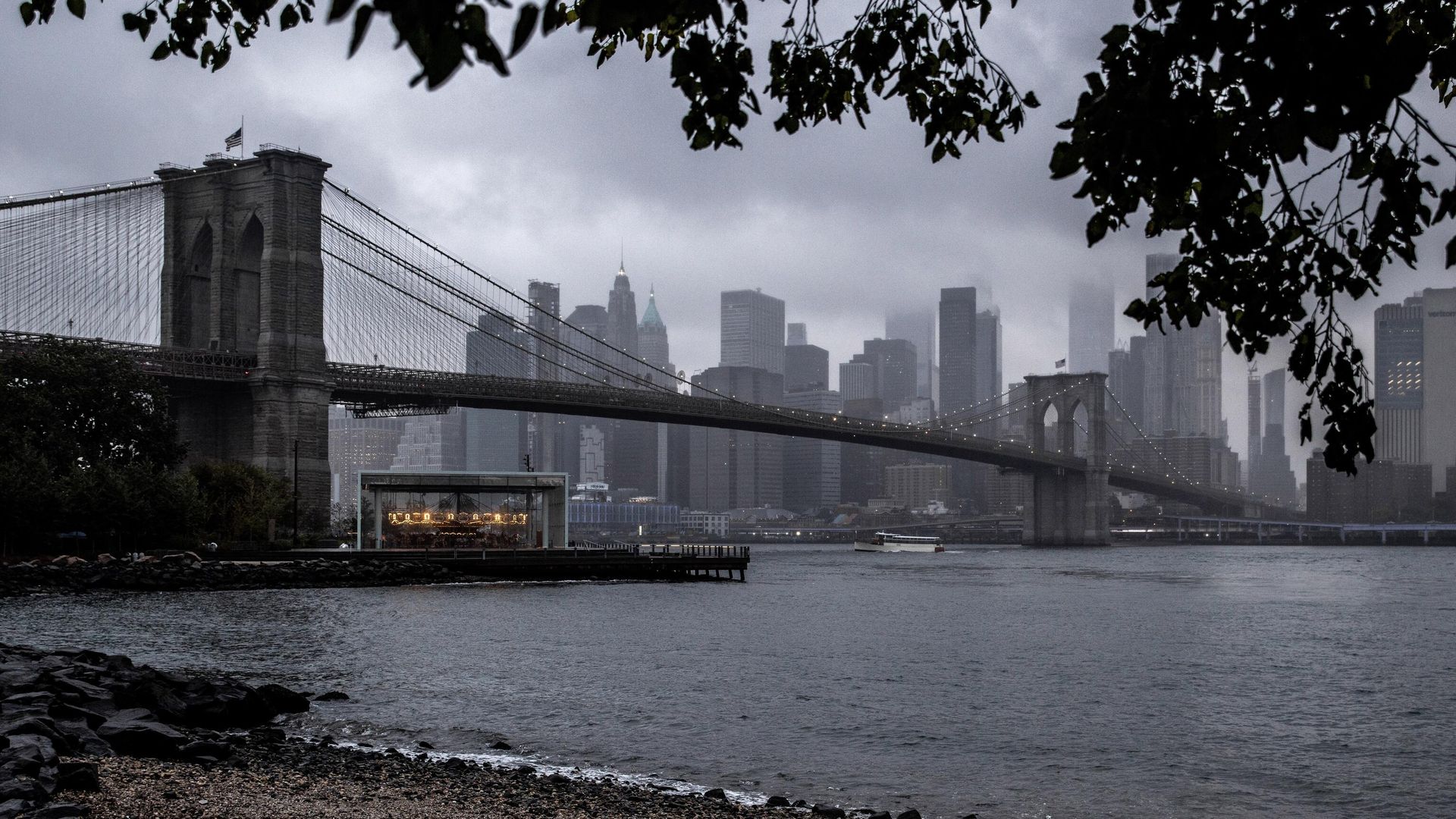
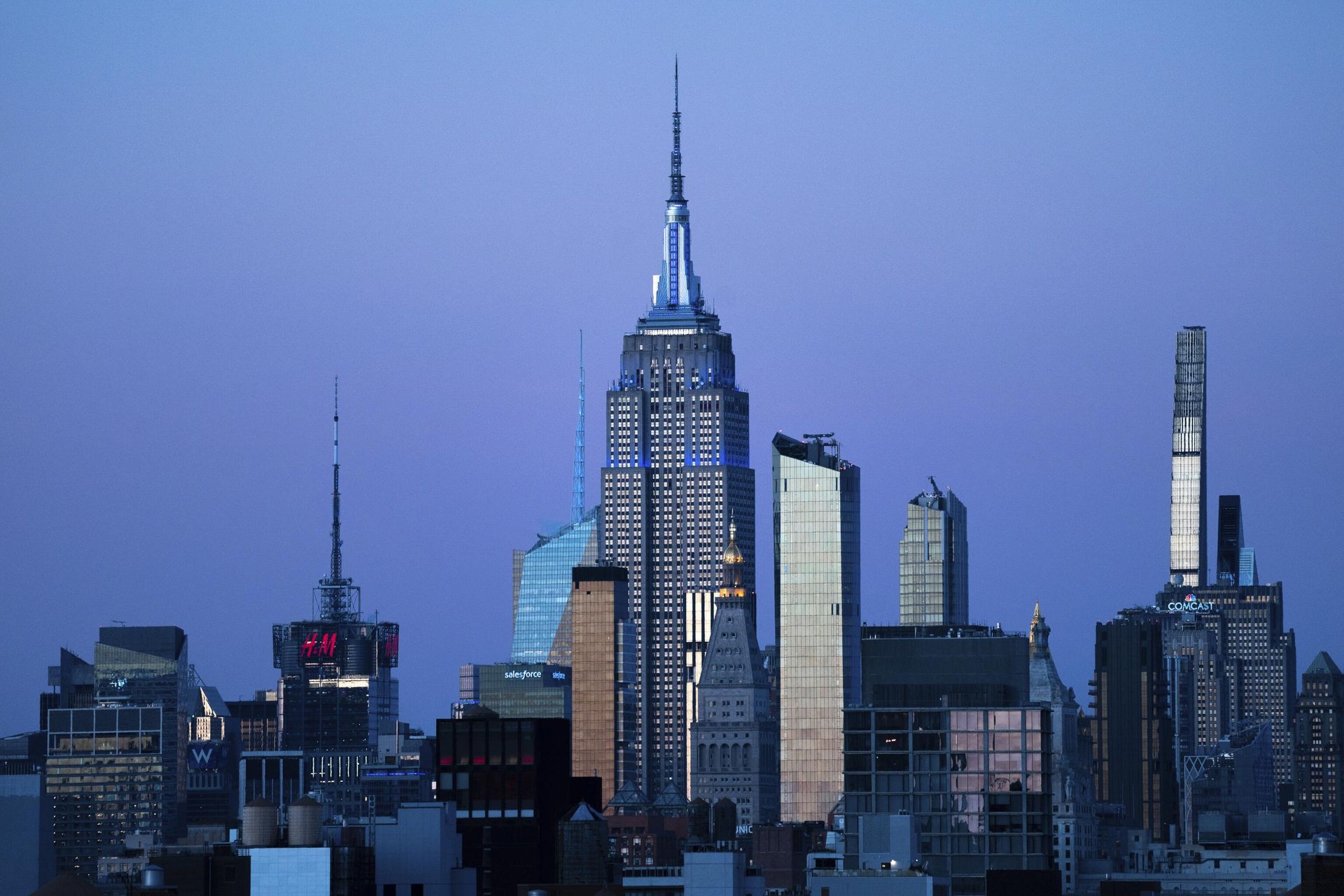
The Big Apple, as the metropolis is also known, boasts a striking skyline, with an array of some of the tallest buildings in the world, such as One World Trade Center, or Central Park Tower, but it is the combined weight of all these colossuses that may cause the city to collapse.
The low-lying city is
sinking at a rate of 1-2 millimeters per year, according to research done by oceanologists of the University of Rhode Island and a scientist from the US Geological Survey. Their findings have been published in the journal
Earth’s Future. Furthermore, it was added that "some areas," such as Lower Manhattan, Brooklyn, and Queens, were seen to be "subsiding much faster". This is the technical term used to describe the sinking.
As part of the study, the researchers calculated the weight of buildings and their contents in New York City, coming up with a hefty 764Bln kilograms. Afterwards, they split the city into 100 meter squares, and modeled the "downward pressure" that these buildings exert. The team took into consideration the geology and soil conditions in these areas, such as bedrock, sand, silt, and clay lake deposits. Elevation change was measured using satellite data. The result was quite alarming.
"The combination of tectonic and anthropogenic subsidence, sea level rise, and increasing hurricane intensity imply an accelerating problem along coastal and riverfront areas... Repeated exposure of building foundations to salt water can corrode reinforcing steel and chemically weaken concrete, causing structural weakening,” the authors highlighted.
Although the bedrock many skyscrapers tower over isn't vulnerable to sinking, substrates such as clay and artificial fill are. The point of the research was to draw attention to the fact that New York is highly exposed to
future flooding. Already, a larger part of lower Manhattan ranged no more than 1 to 2 meters above sea level, clarified the study. The team referred to the devastation wrought by the 2012 Hurricane Sandy, and Hurricane Ida in 2021, and warned that New York City ranked third in the world "in terms of future exposed assets to coastal flooding". However, according to the scientists, and "90 percent of the 67,400 structures in the expanded post-Hurricane Sandy flood-risk areas have not been built to floodplain standards."
“New York faces significant challenges from flood hazard; the threat of sea level rise is 3 to 4 times higher than the global average along the Atlantic coast of North America … A deeply concentrated population of 8.4 million people faces varying degrees of hazard from inundation in New York City,” geologist Tom Parsons of the United States Geological Survey (USGS) and his colleagues at the University of Rhode Island said.
The team estimated that every future high-rise building erected in a "coastal, river, or lakefront setting" could "contribute to future flood risk".
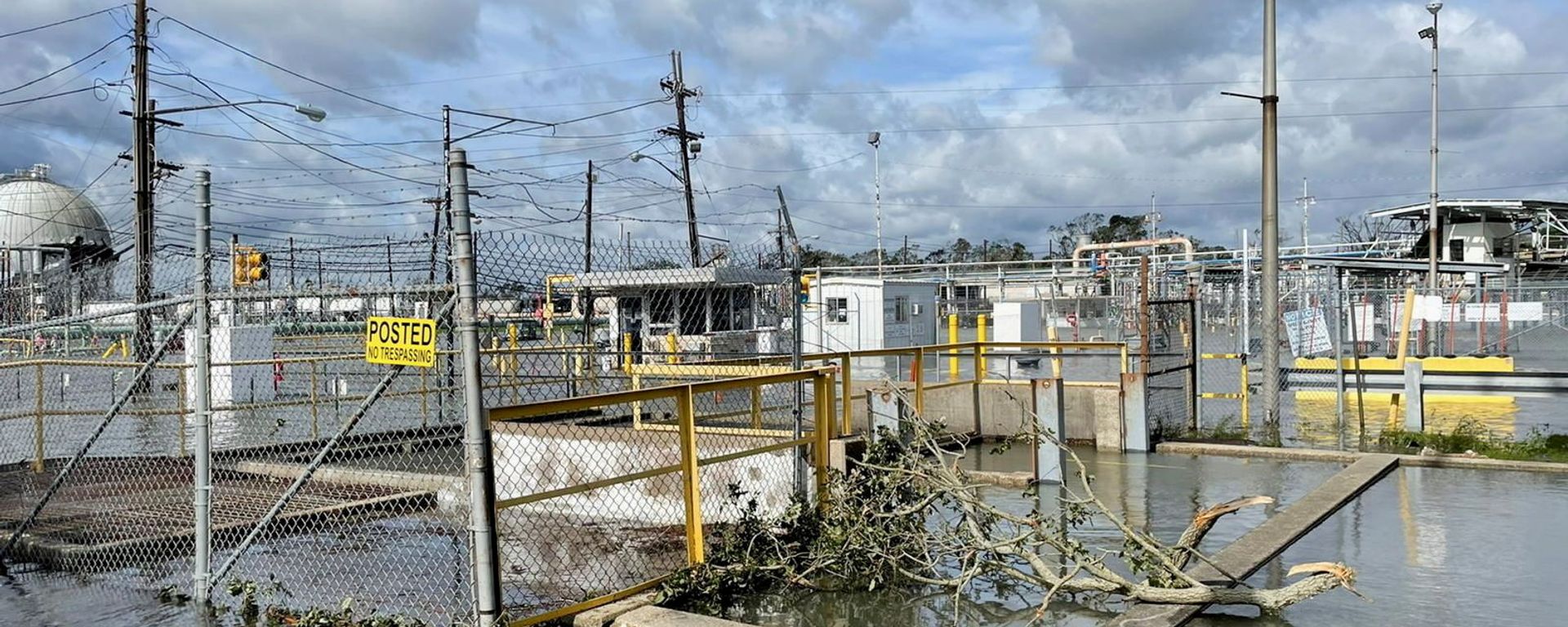
16 February 2022, 11:29 GMT