https://sputnikglobe.com/20230822/archeologists-uncover-slave-rooms-in-roman-villa-near-pompeii-1112773525.html
Archeologists Uncover ‘Slave Room’ in Roman Villa Near Pompeii
Archeologists Uncover ‘Slave Room’ in Roman Villa Near Pompeii
Sputnik International
The discovery lends insight into how slaves lived in the ancient city.
2023-08-22T01:12+0000
2023-08-22T01:12+0000
2023-08-22T01:21+0000
beyond politics
pompeii
pompeii
ancient
ancient rome
archeology
research
research
scientific research
excavation
https://cdn.imgsputnikglobe.com/img/07e5/03/02/1082227271_0:160:3073:1889_1920x0_80_0_0_1d99ae3669eaf70cb3ec1a4bb1a8371b.jpg
Archeologists have made an exciting discovery at the historical site of Pompeii: a small bedroom in a wealthy suburban villa about 2,000 feet (600 meters) north of Pompeii’s walls, Italy's culture ministry said on Sunday. The bedroom, officials believe, belonged to slaves and was preserved by the disastrous eruption of Mount Vesuvius in 79 A.D. Inside the room, researchers found two beds, two small cabinets, as well as several urns and ceramic containers that held the remains of two mice and a rat.However, no grates, locks, nor chains were found in the bedroom. The lack of such restraints suggests “control was primarily exerted through the internal organization of servitude” as opposed to physical barriers, Gavriel Zuchtriegel, director of the Archaeological Park of Pompeii, has detailed.Previously, excavations on the Civita Giuliana villa also unveiled other relics, including a ceremonial chariot and a stable containing the remains of three harnessed horses. The remains of a wealthy man aged 30 to 40 and a younger man aged between 18 and 23, were also discovered at the site. The remains of the younger individual is believed to most likely be those of a slave.Archeologists said some of the site has been destroyed by robbers attempting to access another section of the villa during a raid. The looters destroyed part of one of the beds in the process.But more fascinating discoveries could be around the corner - or under researchers’ feet - and will surely be revealed in the future, as Italian Culture Minister Gennaro Sangiuliano has said the conservation and research efforts in the area will continue.
pompeii
ancient rome
Sputnik International
feedback@sputniknews.com
+74956456601
MIA „Rossiya Segodnya“
2023
News
en_EN
Sputnik International
feedback@sputniknews.com
+74956456601
MIA „Rossiya Segodnya“
Sputnik International
feedback@sputniknews.com
+74956456601
MIA „Rossiya Segodnya“
pompeii, ancient city, ancient rome, remains, archeology
pompeii, ancient city, ancient rome, remains, archeology
Archeologists Uncover ‘Slave Room’ in Roman Villa Near Pompeii
01:12 GMT 22.08.2023 (Updated: 01:21 GMT 22.08.2023) The discovery sheds light on what life was like for the lowest ring in Ancient Rome.
Archeologists have made an exciting discovery at the historical site of
Pompeii: a small bedroom in a wealthy suburban villa about 2,000 feet (600 meters) north of Pompeii’s walls, Italy's culture ministry said on Sunday.
The bedroom, officials believe, belonged to slaves and was preserved by the disastrous eruption of Mount Vesuvius in 79 A.D.
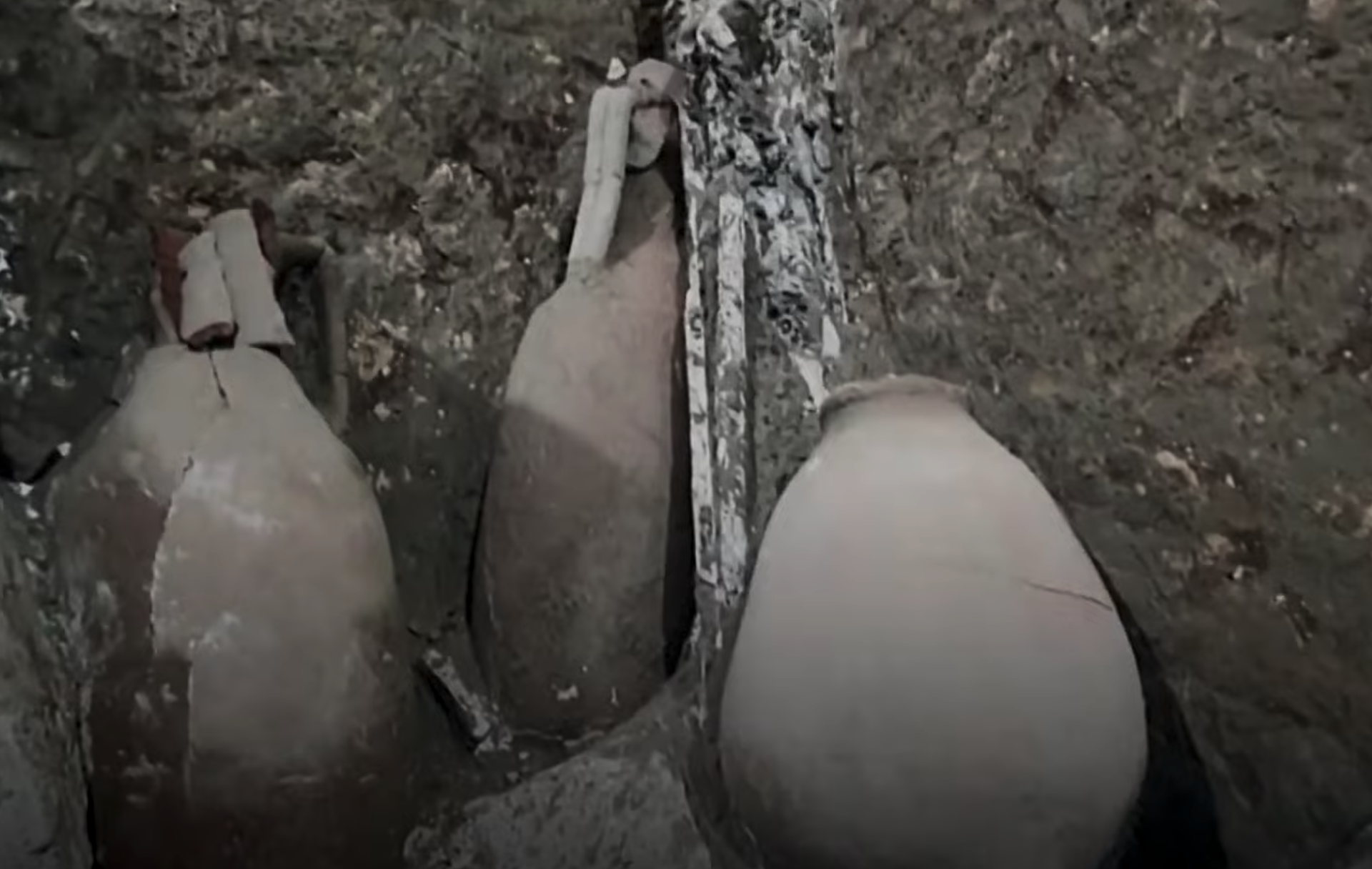
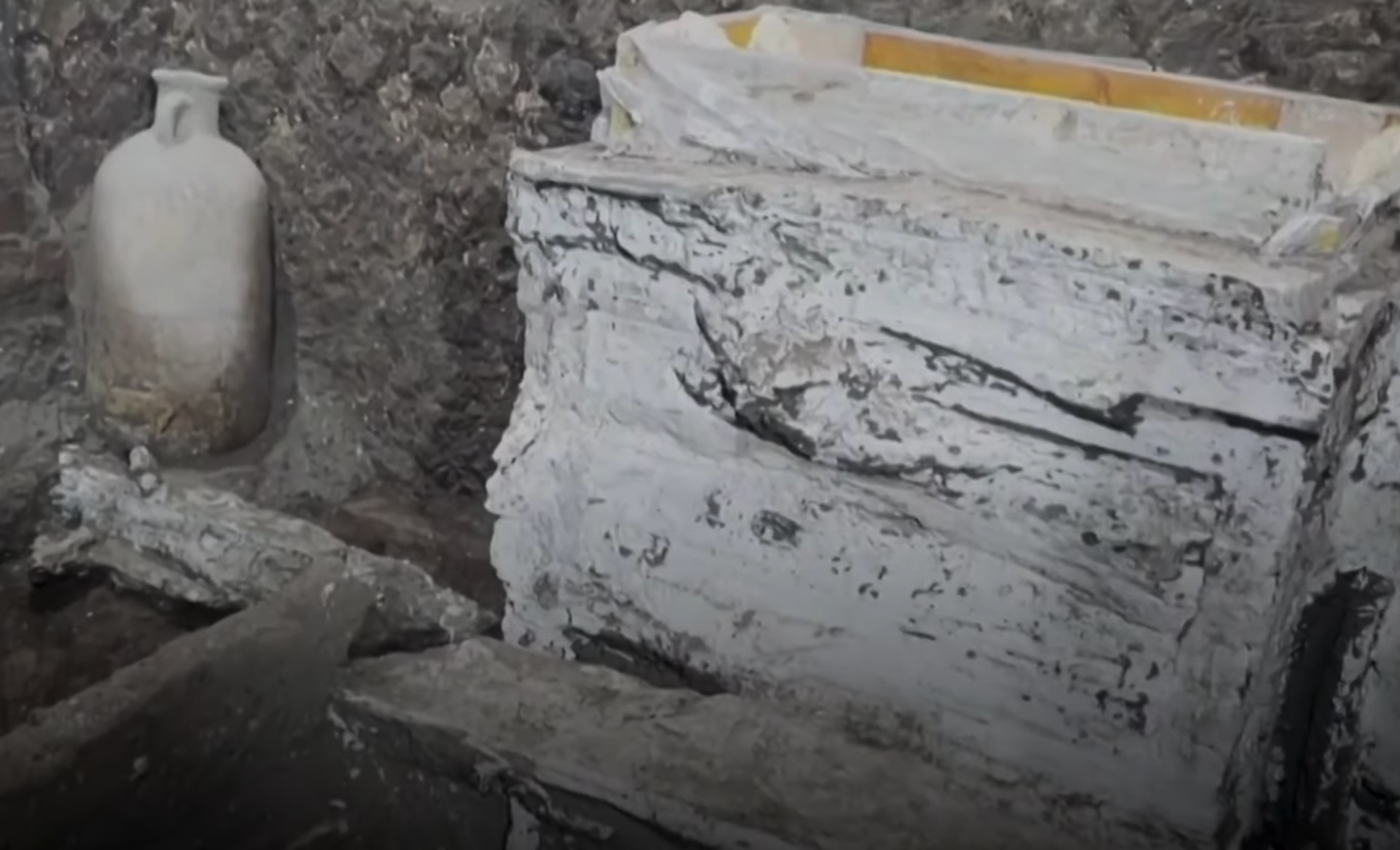
Inside the room, researchers found two beds, two small cabinets, as well as several urns and ceramic containers that held the remains of two mice and a rat.
However, no grates, locks, nor chains were found in the bedroom. The lack of such restraints suggests “control was primarily exerted through the internal organization of servitude” as opposed to physical barriers, Gavriel Zuchtriegel, director of the Archaeological Park of Pompeii, has detailed.
“These details once again underline the conditions of precarity and poor hygiene in which the lower echelons of society lived during that time,” the culture ministry said in its statement.
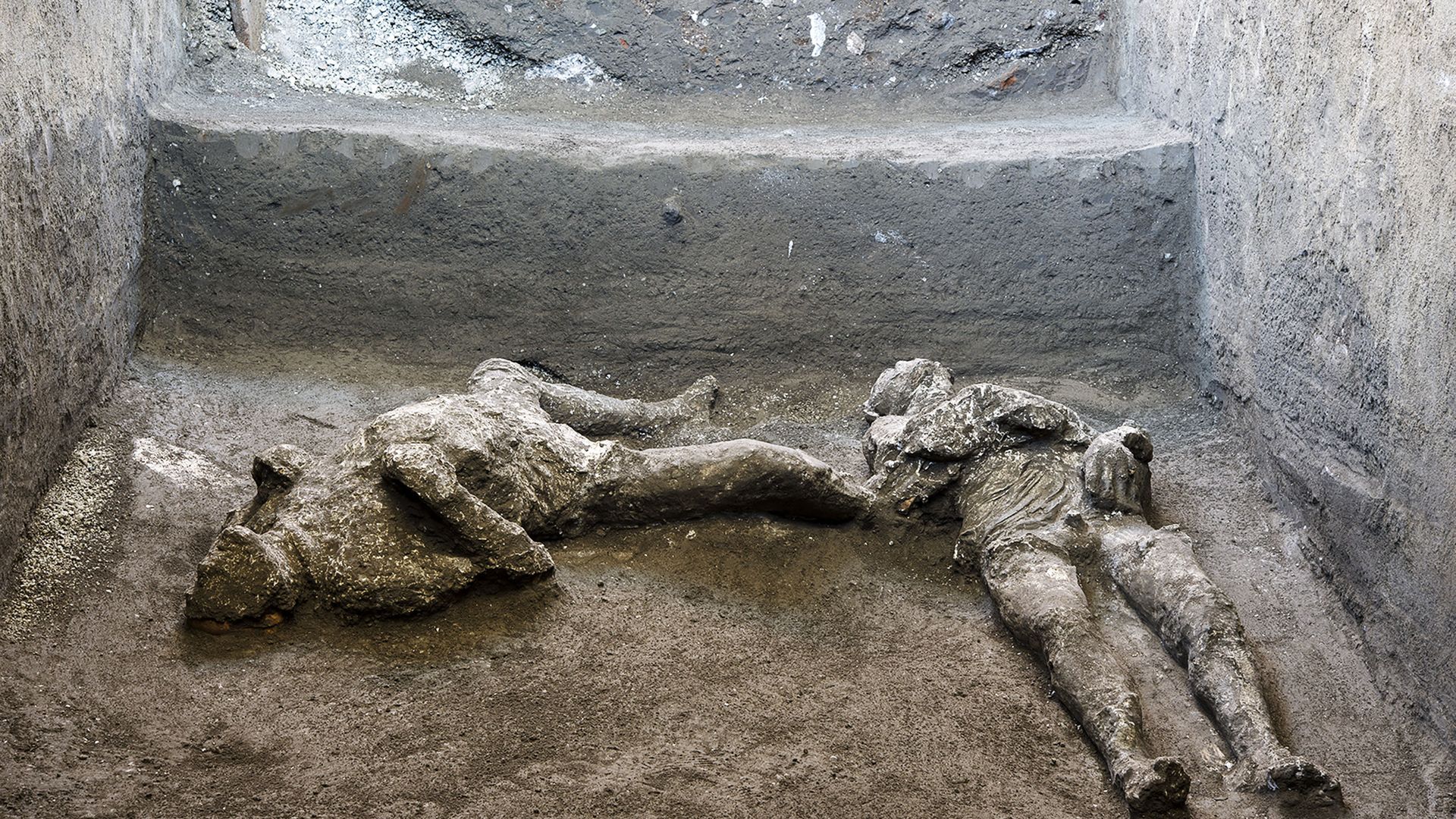
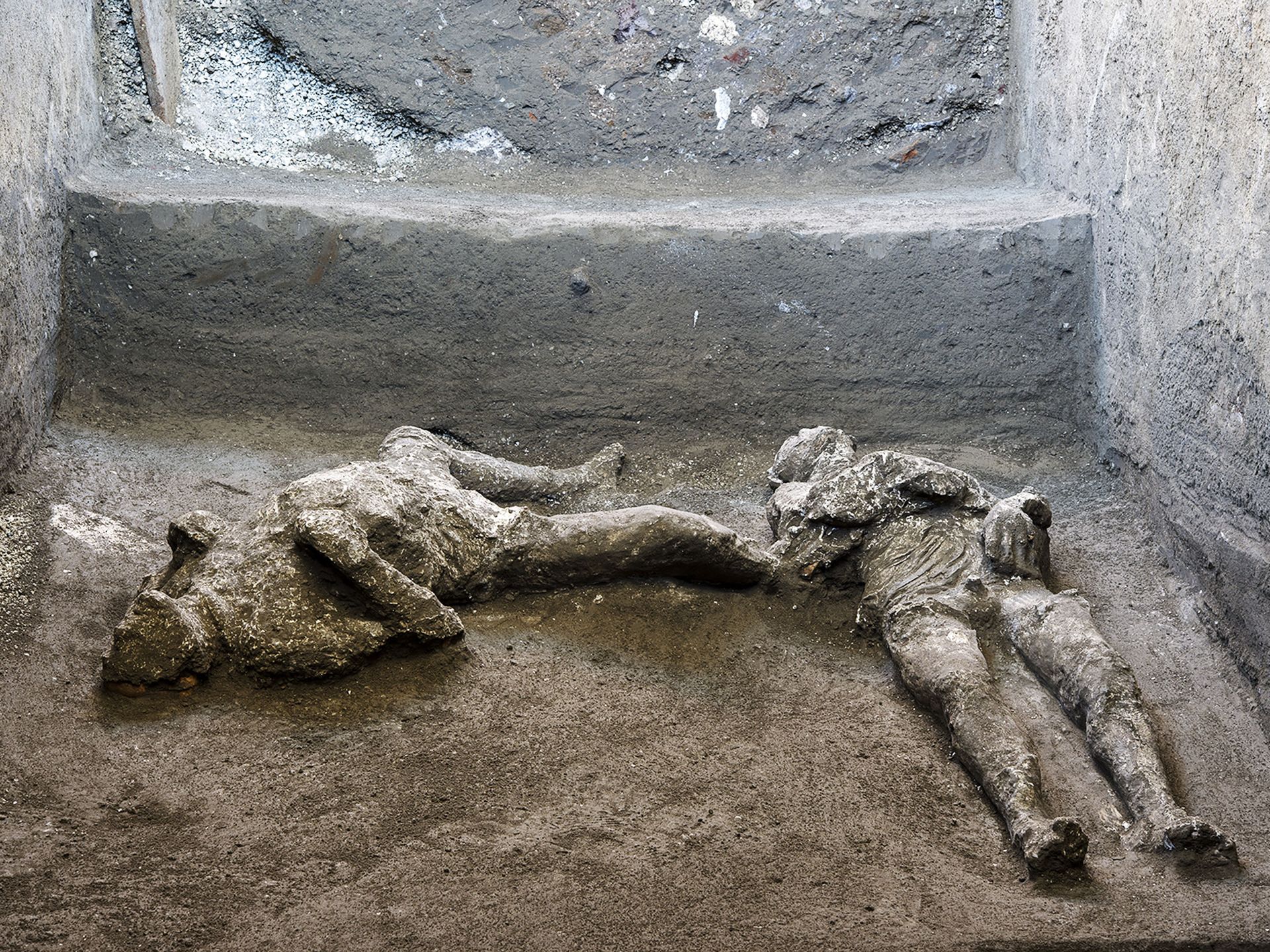
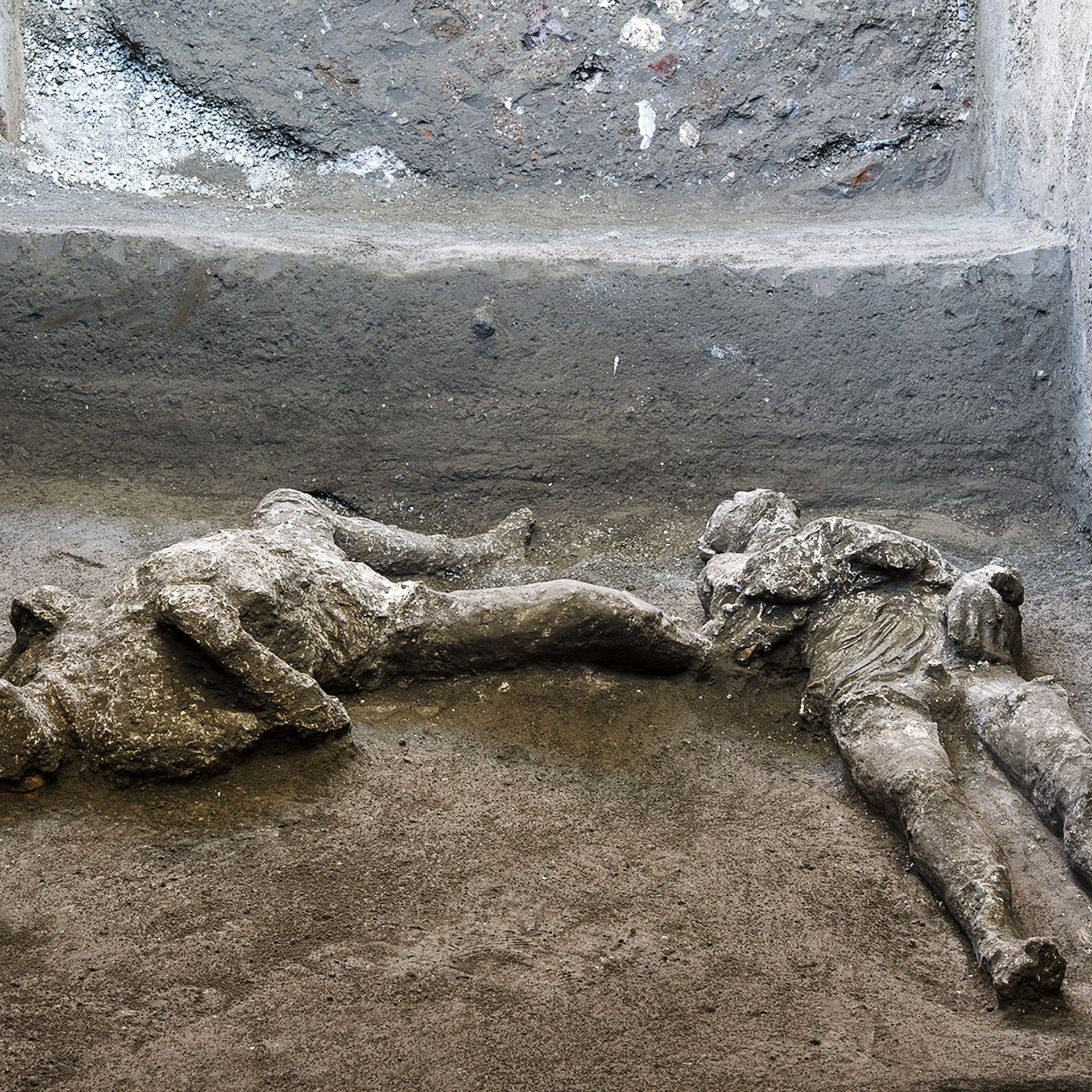
Previously, excavations on the Civita Giuliana villa also unveiled other relics, including a ceremonial chariot and a stable containing the remains of three harnessed horses. The remains of a wealthy man aged 30 to 40 and a younger man aged between 18 and 23, were also discovered at the site. The remains of the younger individual is believed to most likely be those of a
slave.
Archeologists said some of the site has been destroyed by robbers attempting to access another section of the villa during a raid. The looters destroyed part of one of the beds in the process.
But more fascinating discoveries could be around the corner - or under researchers’ feet - and will surely be revealed in the future, as Italian Culture Minister Gennaro Sangiuliano has said the conservation and research efforts in the area will continue.
"What we are learning about the material conditions and social organization of that era opens up new horizons for historical and archaeological studies," he added.