Battle of Kursk: The Soviet Victory That Shaped WWII's Outcome
Battle of Kursk: The Soviet Victory That Shaped WWII's Outcome
Sputnik International
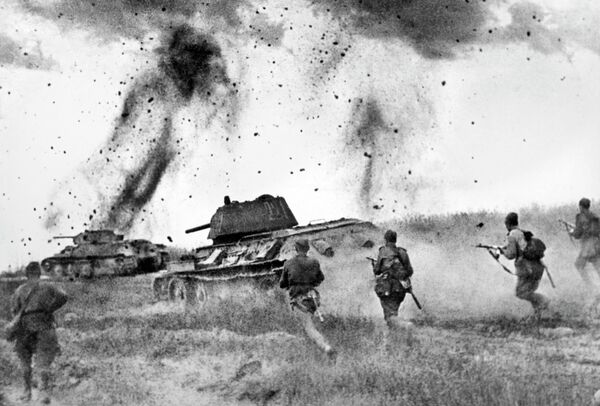
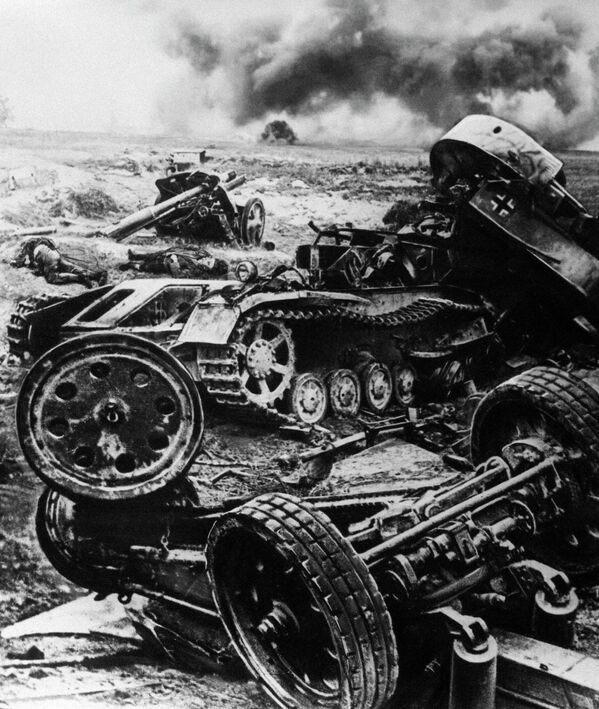
With about two million troops, 6,000 tanks and 4,000 aircraft involved in total, the Battle of Kursk is known to this day as the largest tank battle in history.
The battle, which started as a Nazi German attempt to deliver a decisive blow to Soviet forces, turned into a crushing defeat for the Nazis that paved the way for the Soviets to reclaim their occupied territory and push all the way to Berlin.With about two million troops, 6,000 tanks and 4,000 aircraft involved in total, the Battle of Kursk is known to this day as the largest tank battle in history.
Eighty years ago, the Soviet Red Army prevailed over Nazi German forces in a fierce and bloody battle that essentially sealed the outcome of the World War II in Europe – the Battle of Kursk.
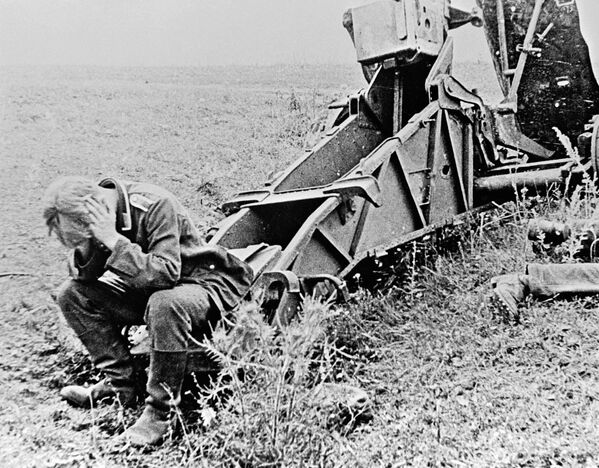
The battle, which started as a Nazi German attempt to deliver a decisive blow to Soviet forces, turned into a crushing defeat for the Nazis that paved the way for the Soviets to reclaim their occupied territory and push all the way to Berlin.
With about two million troops, 6,000 tanks and 4,000 aircraft involved in total, the Battle of Kursk is known to this day as the largest tank battle in history.
The advancing Nazi German forces marched straight into a network of minefields and anti-tank defenses, suffering heavy losses before the Red Army troops launched their counterattack.
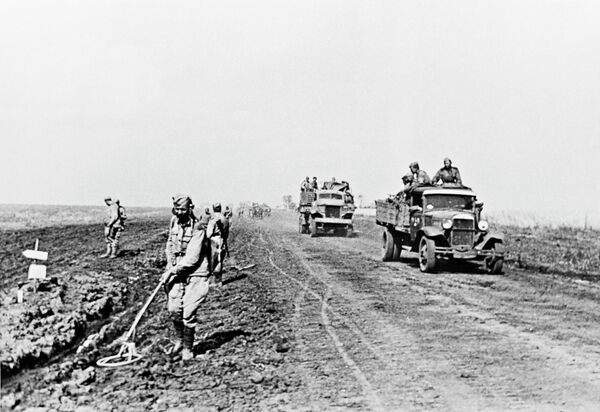
Above: Soviet combat engineers sweep the area for mines in the aftermath of the Battle of Kursk.
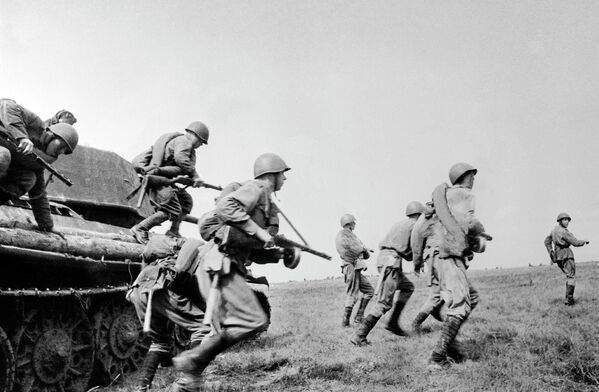
Having successfully repelled the Nazi German offensive at the Kursk salient, the Soviets on August 3, 1943, launched an offensive of their own, codenamed "Polkovodets Rumyantsev."
Above: Soviet flight crew confirm their orders during operation "Polkovodets Rumyantsev."
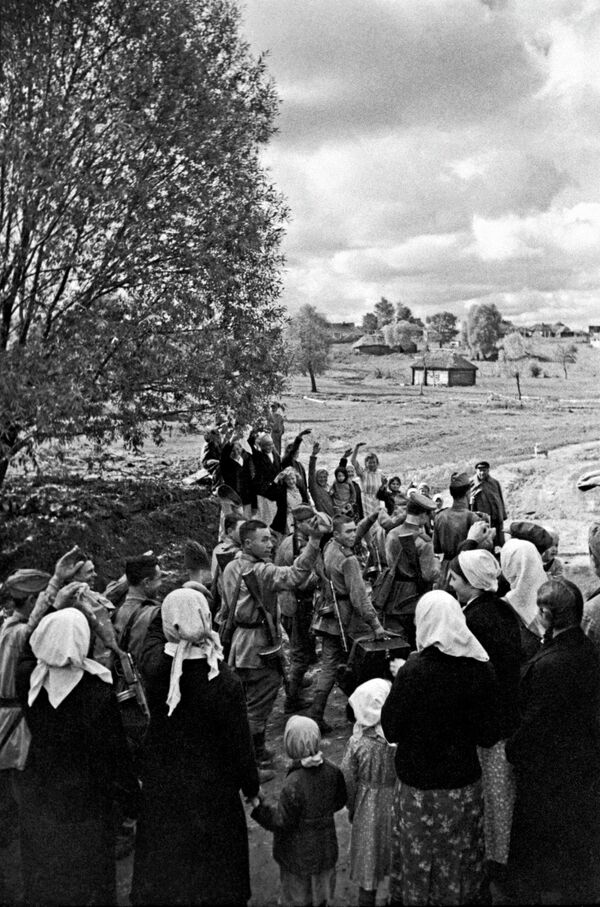
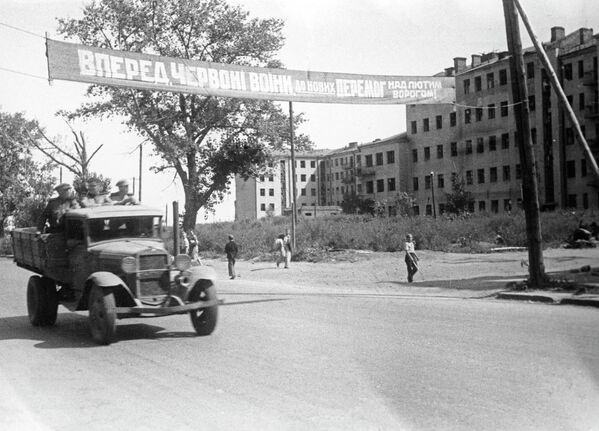
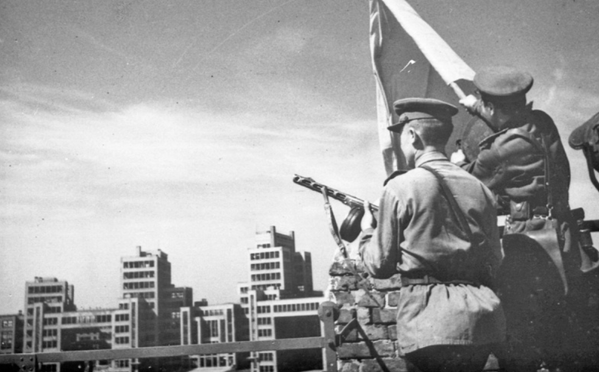
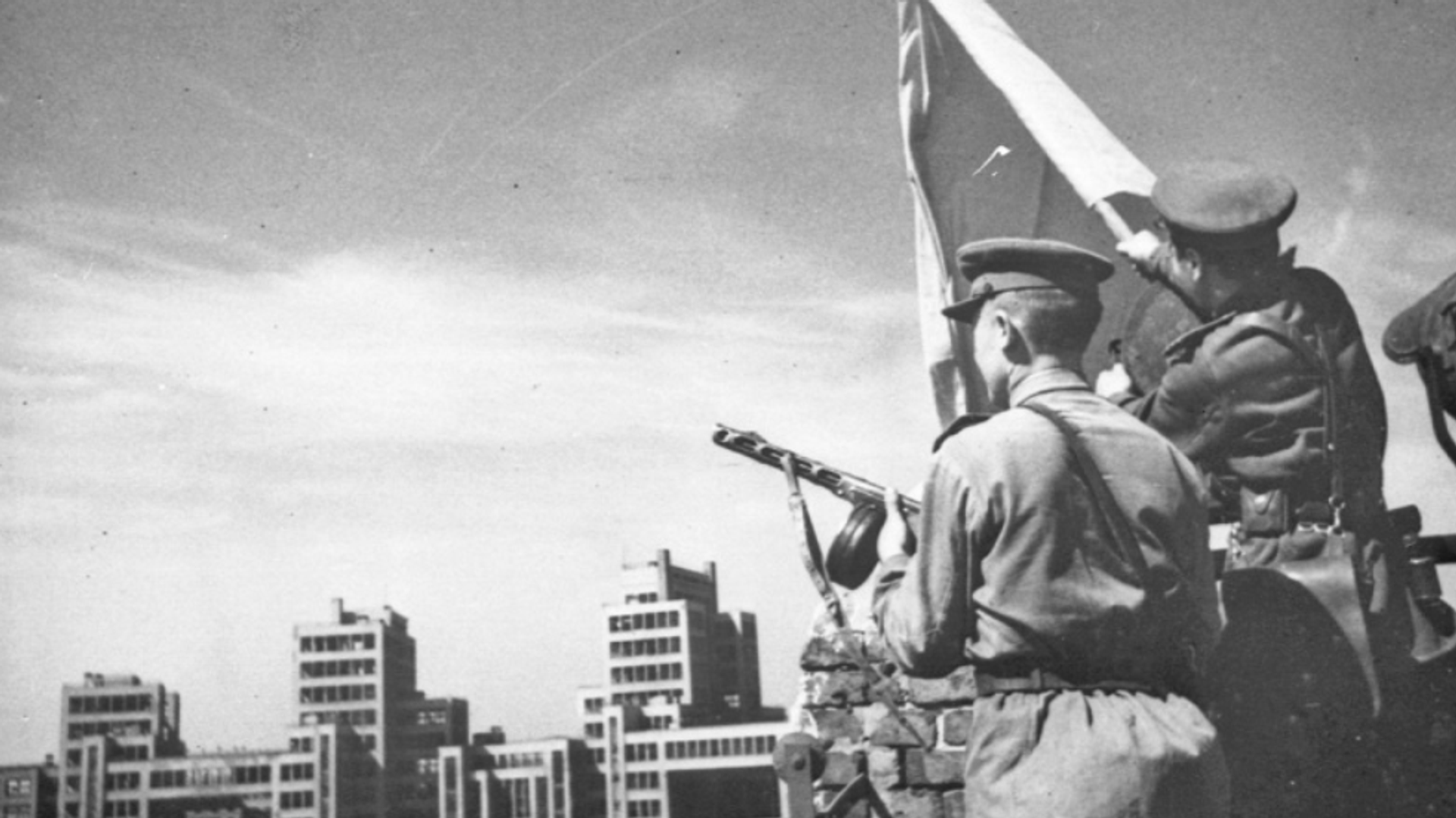
The liberation of Kharkov on August 23, 1943, marks the official end of the Battle of Kursk.
Newsfeed
0
Access to the chat has been blocked for violating the rules .
You will be able to participate again through:∞.
If you do not agree with the blocking, please use the feedback form
The discussion is closed. You can participate in the discussion within 24 hours after the publication of the article.