https://sputnikglobe.com/20230829/remnants-of-2000-year-old-roman-settlement-in-switzerland-hailed-as-extraordinary-find-1112973607.html
Remnants of 2,000-Year-Old Roman Settlement in Switzerland Hailed as ‘Extraordinary’ Find
Remnants of 2,000-Year-Old Roman Settlement in Switzerland Hailed as ‘Extraordinary’ Find
Sputnik International
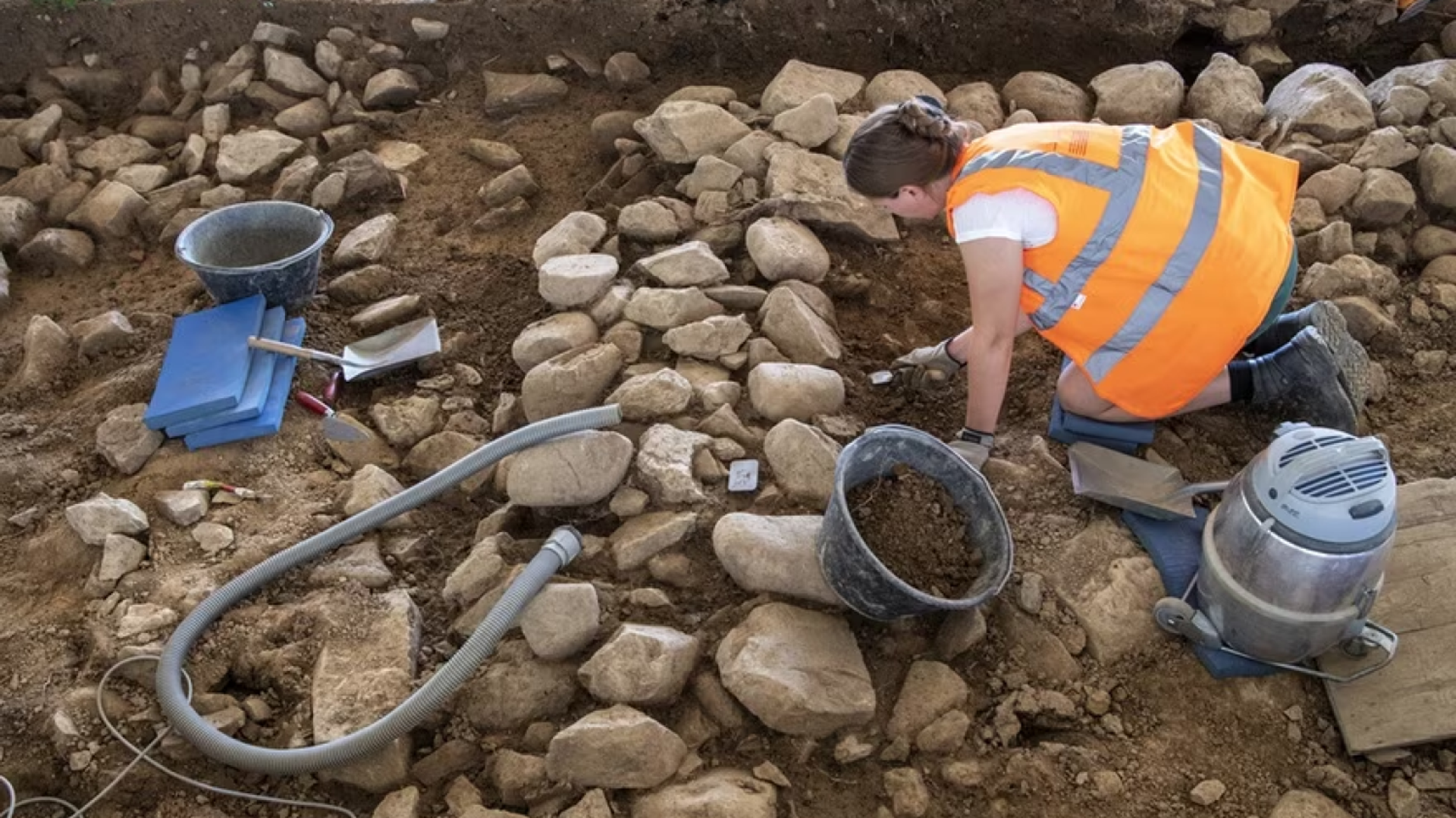
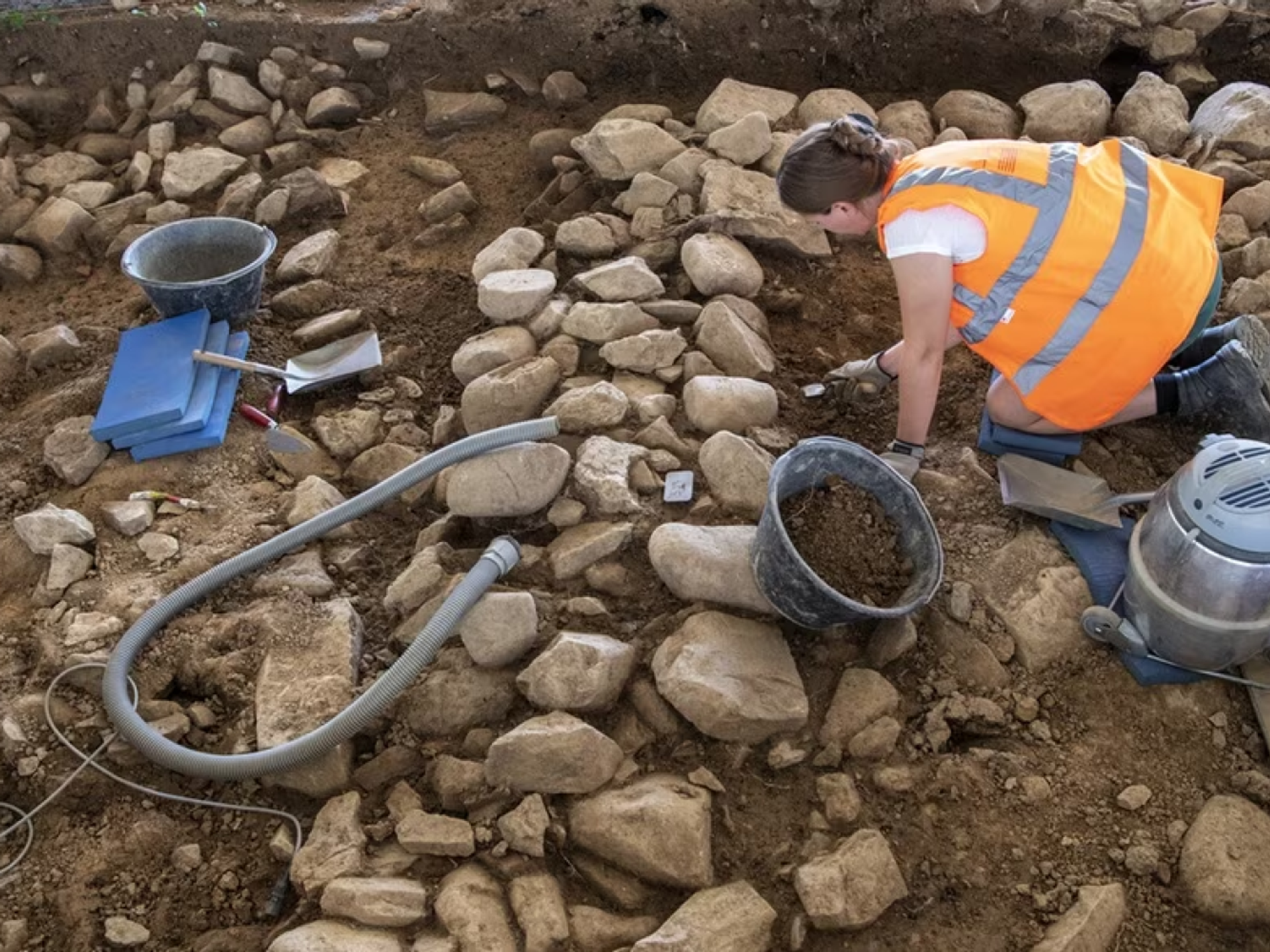
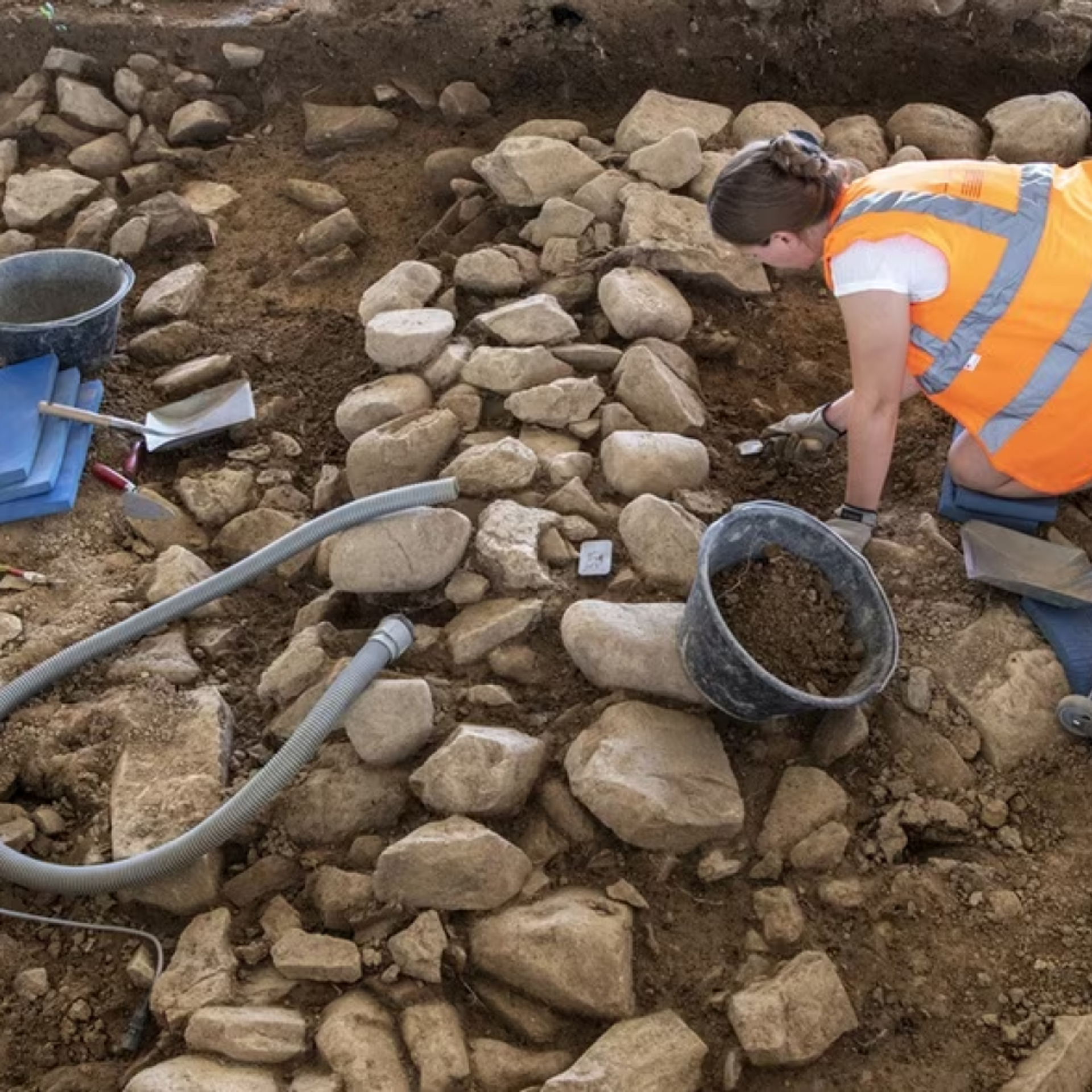
Swiss archaeologists have stumbled upon the remnants of a stone wall built by the Roman Empire some 2,000 years ago, the largest such find in nearly a century.
2023-08-29T21:30+0000
2023-08-29T21:30+0000
2023-08-29T21:29+0000
beyond politics
switzerland
roman empire
ancient ruins
coins
roman era
archaeology
https://cdn.imgsputnikglobe.com/img/07e7/08/1d/1112973718_0:21:1499:864_1920x0_80_0_0_915a8d551cd5632d93abaf7df7cd70b6.png
Swiss archaeologists have stumbled upon the remnants of a stone wall built by the Roman Empire some 2,000 years ago, the largest such find in nearly a century.The wall was found near Cham, a municipality of Zug canton in central Switzerland. At the time it was built, the area was on the Roman Empire’s northern frontier, separating it from Germania.Switzerland’s Office for the Preservation of Monuments and Archaeology has called the find “sensational” and “extraordinary,” the first of its kind in the area in nearly 100 years, according to the archaeologists.The discovery includes a perimeter wall surrounding an area of at least 5,300 square feet (500 square meters) that would have surrounded a group of buildings. Inside they have found fragments of a plaster wall, iron nails, gold fragments that may have once been jewelry, and a host of everyday items such as glassware, pots, amphoras and millstones.While other Roman artifacts and structures have also been found across Switzerland, they are not the oldest in the region. Items judged to be from a Celtic culture have also been discovered, as the tribes held sway across much of Central and Western Europe before the Roman conquests or the arrival of German migratory tribes from the north and east. At the peak of their power, an alliance of Celtic tribes sacked Rome under the Senones chieftain Brennus in 390 BCE.
https://sputnikglobe.com/20230817/ancient-3800-year-old-monument-baffles-archaeologists-in-northern-israel-1112692203.html
switzerland
Sputnik International
feedback@sputniknews.com
+74956456601
MIA „Rossiya Segodnya“
2023
News
en_EN
Sputnik International
feedback@sputniknews.com
+74956456601
MIA „Rossiya Segodnya“
Sputnik International
feedback@sputniknews.com
+74956456601
MIA „Rossiya Segodnya“
roman settlement; ruins; switzerland; roman empire; roman ruins
roman settlement; ruins; switzerland; roman empire; roman ruins
Remnants of 2,000-Year-Old Roman Settlement in Switzerland Hailed as ‘Extraordinary’ Find
At its height in the First Century CE, Rome ruled a vast empire that stretched from Great Britain to Babylon with an estimated population as high as 76 million. The so-called “Pax Romana” or “Roman Peace” across the region allowed a high development of trade and culture before it began to decline in the Third Century CE.
Swiss archaeologists have stumbled upon the remnants of a stone wall built by the Roman Empire some 2,000 years ago, the largest such find in nearly a century.
The wall was found near Cham, a municipality of Zug canton in central Switzerland. At the time it was built, the area was on the Roman Empire’s northern frontier, separating it from Germania.
Switzerland’s Office for the Preservation of Monuments and Archaeology has called the find “sensational” and “extraordinary,” the first of its kind in the area in nearly 100 years, according to the archaeologists.
"At the moment, we're wondering what this complex of buildings was used for," Kathrin Rüedi, from the Historical Monuments and Archaeology Service, said in a state news release, adding it could have been either a villa, an inn, or a temple.
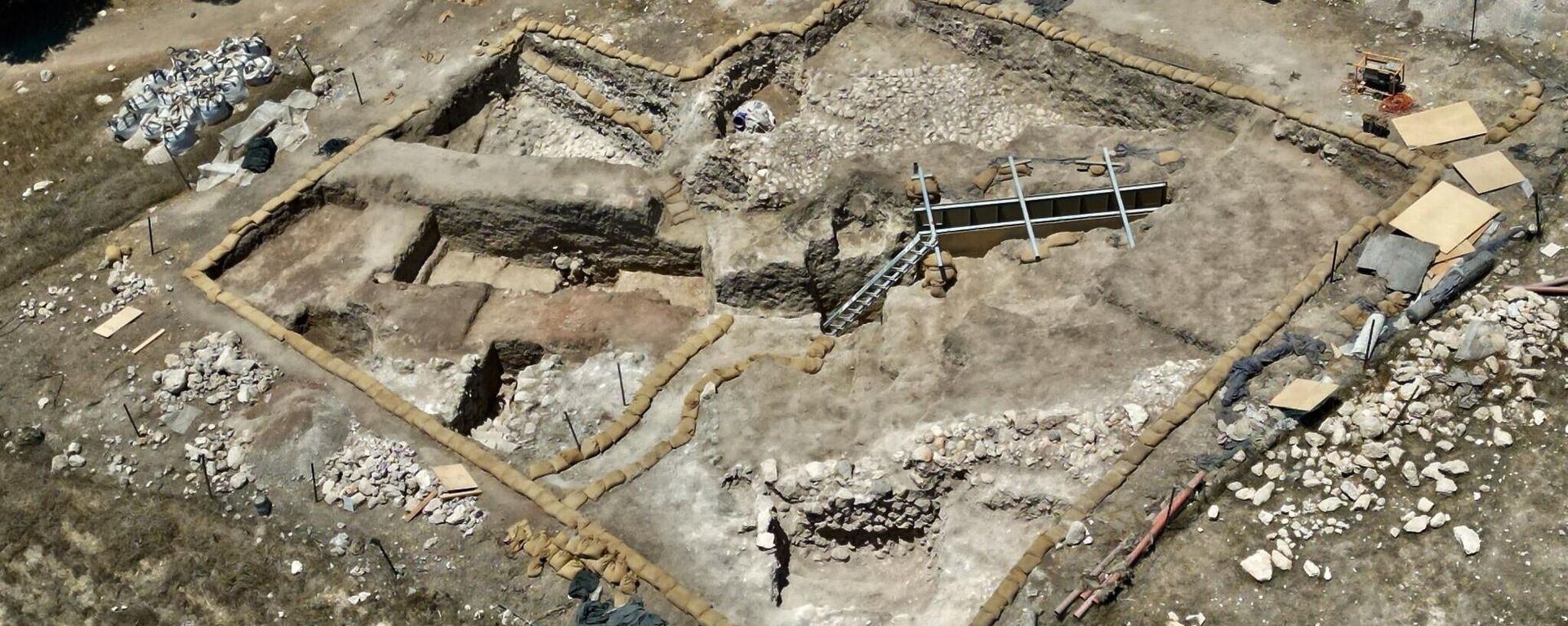
17 August 2023, 22:57 GMT
The discovery includes a perimeter wall surrounding an area of at least 5,300 square feet (500 square meters) that would have surrounded a group of buildings. Inside they have found fragments of a plaster wall, iron nails, gold fragments that may have once been jewelry, and a host of everyday items such as glassware, pots, amphoras and millstones.
The inclusion of imported Roman tableware known as terra sigillata - “sealed earth” in Latin - and detailed glass vessels suggests the site included elite Roman citizens. The amphorae, which would have been imported from Greece or elsewhere in the Mediterranean, likely brought foods such as wine, olive oil, or fish sauce.
Copper and bronze coins were also found, including a silver denarius minted in the First Century BCE, during the reign of Julius Caesar.
While other Roman artifacts and structures have also been found across Switzerland, they are not the oldest in the region. Items judged to be from a Celtic culture have also been discovered, as the tribes held sway across much of Central and Western Europe before the Roman conquests or the arrival of German migratory tribes from the north and east. At the peak of their power, an alliance of Celtic tribes sacked Rome under the Senones chieftain Brennus in 390 BCE.