https://sputnikglobe.com/20231006/amazon-launches-first-prototype-satellites-for-project-kuiper-internet-service-1113992512.html
Amazon Launches First Prototype Satellites for Project Kuiper Internet Service
Amazon Launches First Prototype Satellites for Project Kuiper Internet Service
Sputnik International
In a bid to compete with SpaceX’s Starlink, Amazon has prepared its own constellation of thousands of internet satellites for low Earth orbit.
2023-10-06T21:08+0000
2023-10-06T21:08+0000
2023-10-06T21:04+0000
beyond politics
jeff bezos
amazon
starlink
project kuiper
satellite
telecoms satellite
https://cdn.imgsputnikglobe.com/img/07e6/05/0c/1095474992_0:74:3072:1802_1920x0_80_0_0_f103d4d1e93b16c6909d1ba082ff4a12.jpg
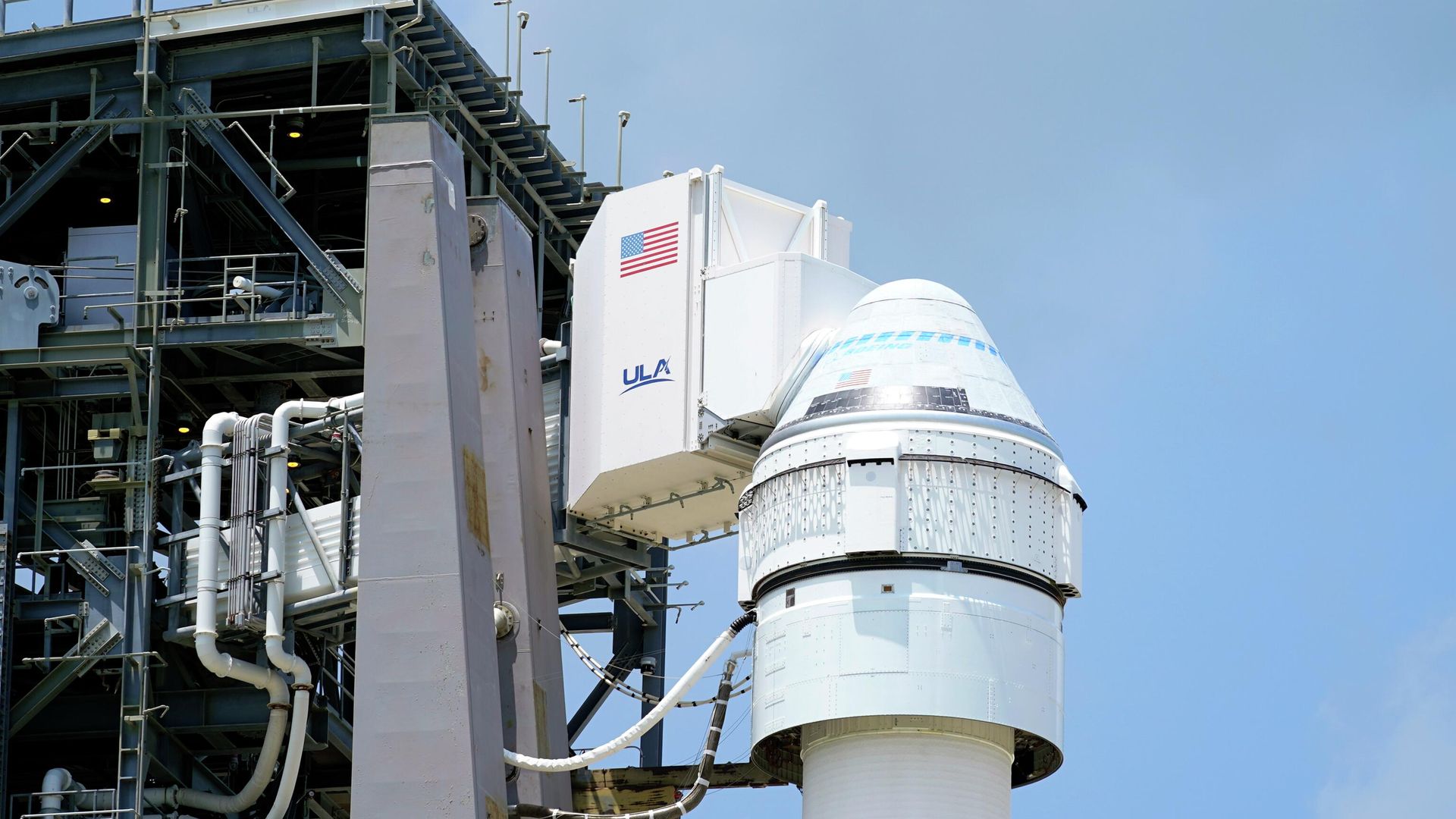
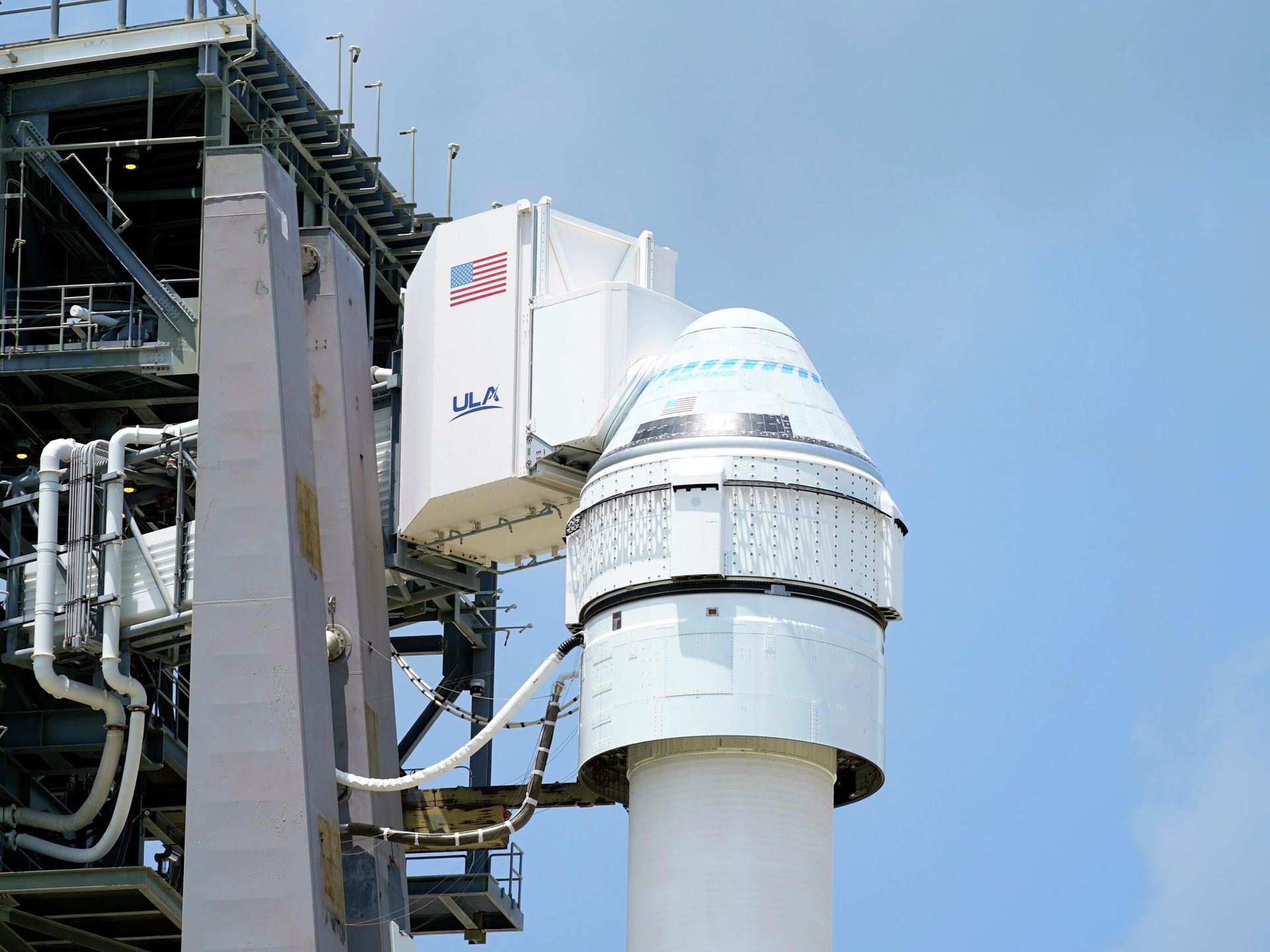
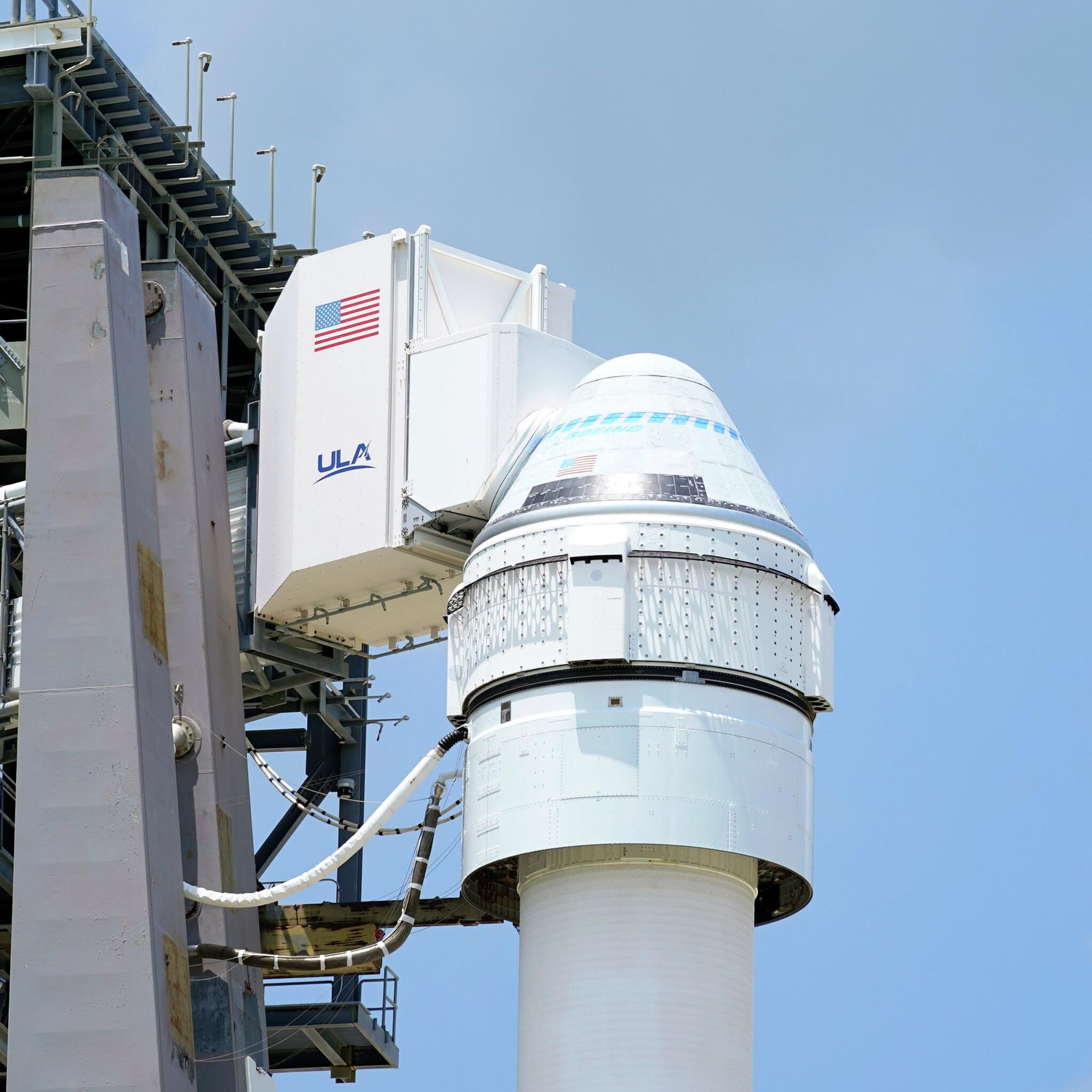
The first of Amazon’s Project Kuiper satellites, KuiperSat-1 and KuiperSat-2, were put into space atop an Atlas V rocket launched from Cape Canaveral, Florida, on Friday. They are to be the first of some 3,200 satellites that Amazon has already obtained US government permission to launch over the next decade.In a blog post, the company said it hopes to use the satellites to “add real-world data from space to years of data collected from lab and field testing” as it prepares the rest of the Kuiper constellation for launch.Amazon says the antennae on the Kuiper satellites can yield download speeds of up to 400 megabytes per second in field testing, although much of the so-called “protoflights” by KuiperSats 1 and 2 will focus on proving they can connect from space.Amazon has plans to sink some $10 billion into the project, including paying out $7.4 billion to ULA, Arianespace, and Blue Origin - the lattermost of which is also owned by Amazon founder Jeff Bezos - over the next five years to launch those satellites. The massive set of deals reportedly spans 77 launches, with options for more.The satellite internet constellation will be a direct competitor with Starlink, a service offered by SpaceX, which is owned by one of Bezos’ rivals for world’s richest man: Elon Musk. Starlink has a hefty head start, with some 5,000 satellites already in orbit and a bevy of contracts with the US government and others. Recently, SpaceX won a contract to supply the Pentagon with military versions of the Starlink satellites.In recent years, such projects have ballooned the number of man-made satellites in orbit, creating concerns about space debris, collisions, vulnerability in warfare, and “sky pollution” from the visibility of the objects in the night sky.
https://sputnikglobe.com/20231004/us-fines-major-tv-provider-150000-over-space-debris-after-failed-satellite-deorbit-1113935864.html
Sputnik International
feedback@sputniknews.com
+74956456601
MIA „Rossiya Segodnya“
2023
News
en_EN
Sputnik International
feedback@sputniknews.com
+74956456601
MIA „Rossiya Segodnya“
Sputnik International
feedback@sputniknews.com
+74956456601
MIA „Rossiya Segodnya“
starlink; project kuiper; amazon; satellite internet; space debris
starlink; project kuiper; amazon; satellite internet; space debris
Amazon Launches First Prototype Satellites for Project Kuiper Internet Service
In a bid to compete with SpaceX’s Starlink, Amazon has prepared its own constellation of thousands of internet satellites for low Earth orbit.
The first of Amazon’s Project Kuiper satellites, KuiperSat-1 and KuiperSat-2, were put into space atop an Atlas V rocket launched from Cape Canaveral, Florida, on Friday. They are to be the first of some 3,200 satellites that Amazon
has already obtained US government permission to launch over the next decade.
In
a blog post, the company said it hopes to use the satellites to “add real-world data from space to years of data collected from lab and field testing” as it prepares the rest of the Kuiper constellation for launch.
“We’ve done extensive testing here in our lab and have a high degree of confidence in our satellite design. But there’s no substitute for on-orbit testing,” Rajeev Badyal, Kuiper’s vice president of technology, said in the release. “This is Amazon’s first time putting satellites into space, and we’re going to learn an incredible amount regardless of how the mission unfolds.”
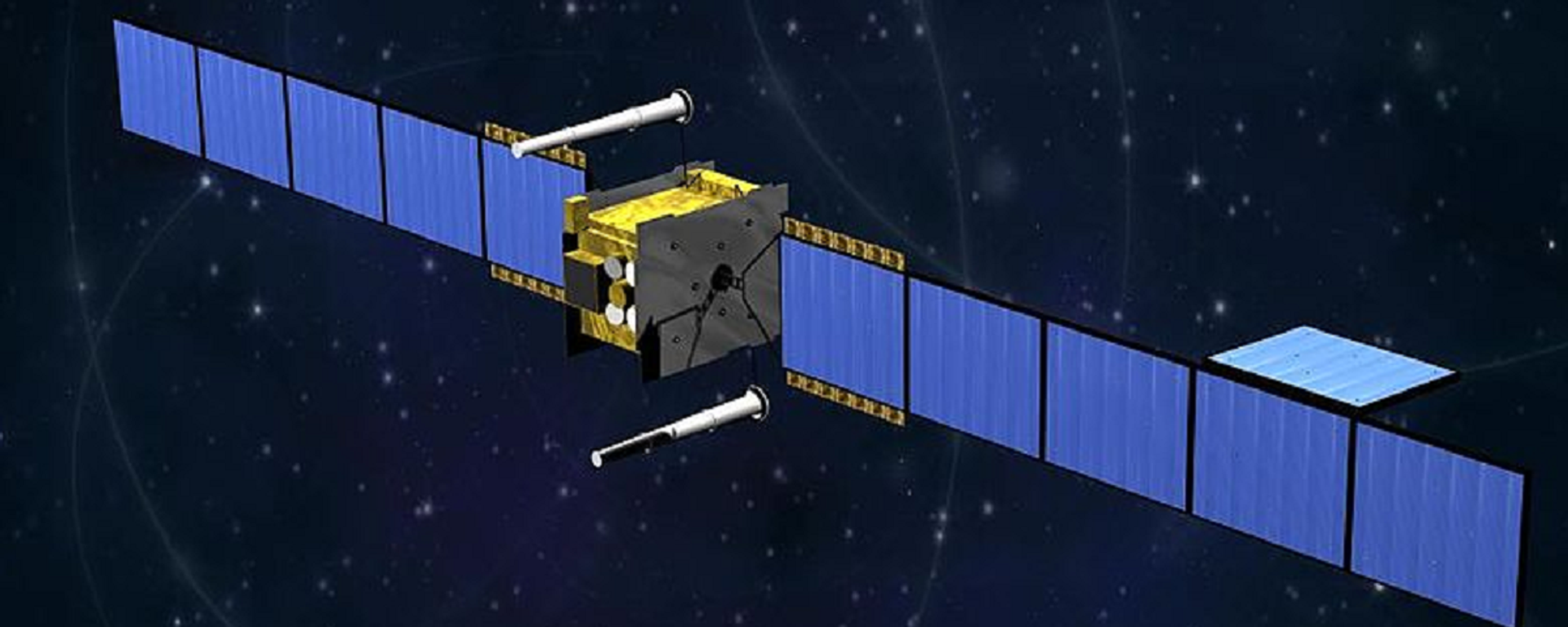
Amazon says the antennae on the Kuiper satellites can yield download speeds of up to 400 megabytes per second in field testing, although much of the so-called “protoflights” by KuiperSats 1 and 2 will focus on proving they can connect from space.
4 October 2023, 21:28 GMT
Amazon has plans to sink some $10 billion into the project, including paying out $7.4 billion to ULA, Arianespace, and Blue Origin - the lattermost of which is also owned by Amazon founder Jeff Bezos - over the next five years to launch those satellites. The massive set of deals reportedly spans 77 launches, with options for more.
The satellite internet constellation will be a direct competitor with Starlink, a service offered by SpaceX, which is owned by one of Bezos’ rivals for world’s richest man: Elon Musk. Starlink has a hefty head start, with some 5,000 satellites already in orbit and a bevy of contracts with the US government and others. Recently, SpaceX won a contract to supply the Pentagon with military versions of the Starlink satellites.
However, there are numerous other rivals on the massive internet satellite constellation front, including OneWeb and Telesat, and a planned program by the Chinese National Space Administration.
In recent years, such projects have ballooned the number of man-made satellites in orbit,
creating concerns about space debris, collisions, vulnerability in warfare, and “sky pollution” from the visibility of the objects in the night sky.