Leningrad's 900-Day Blockade: Remembering the Bloodiest Chapter in Human History
Leningrad's 900-Day Blockade: Remembering the Bloodiest Chapter in Human History
Sputnik International
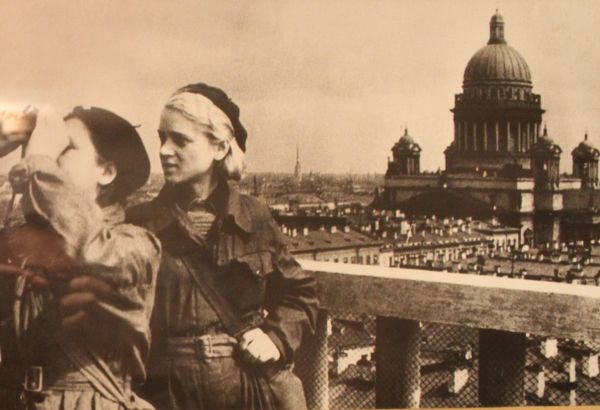
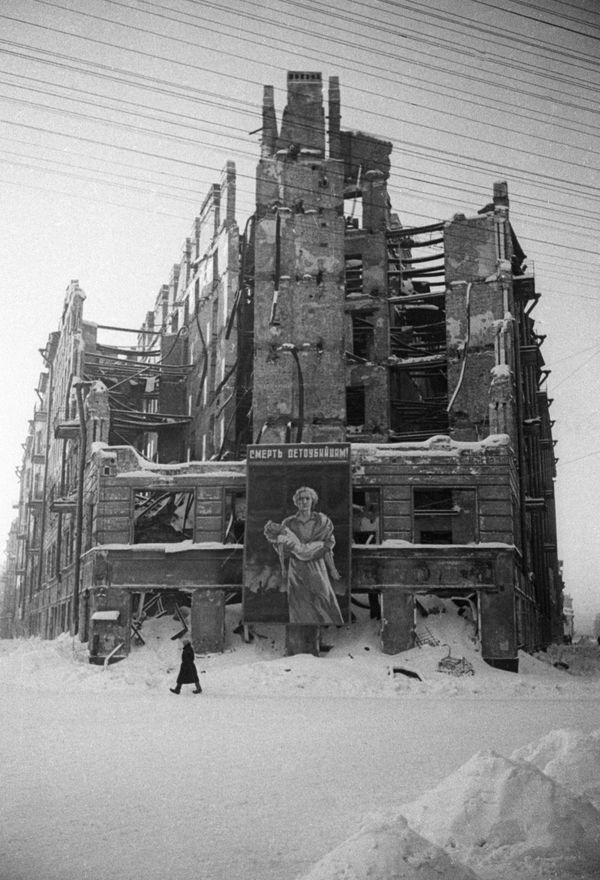
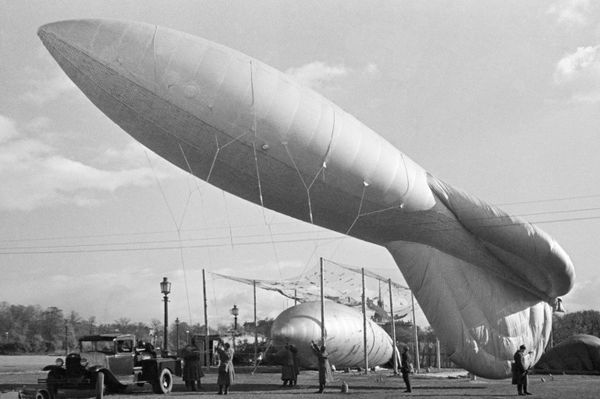
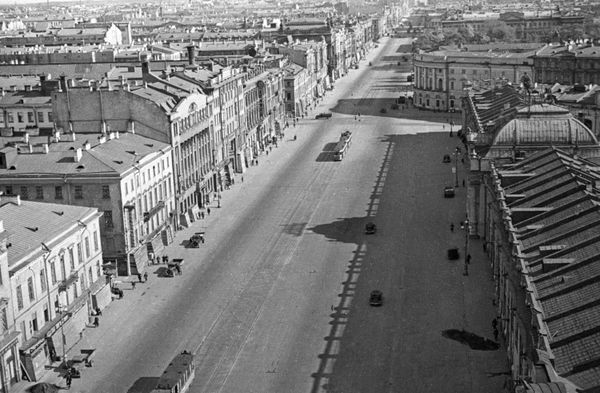
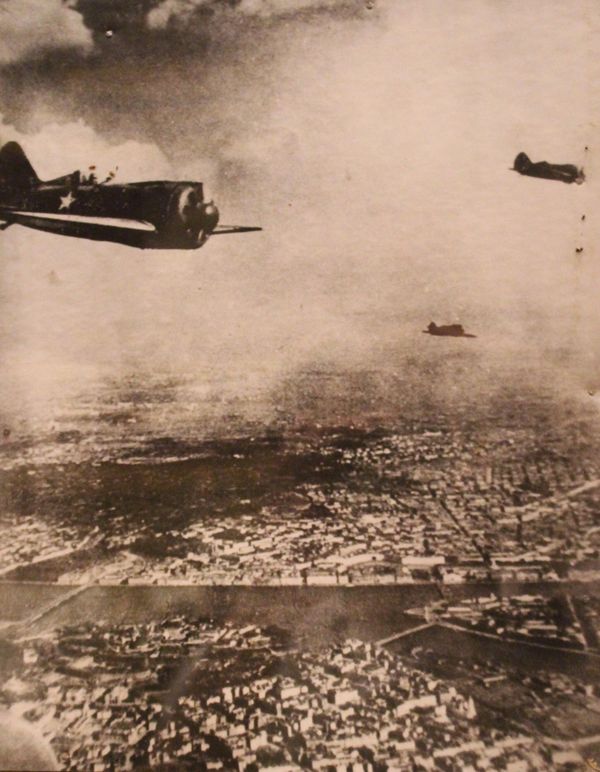
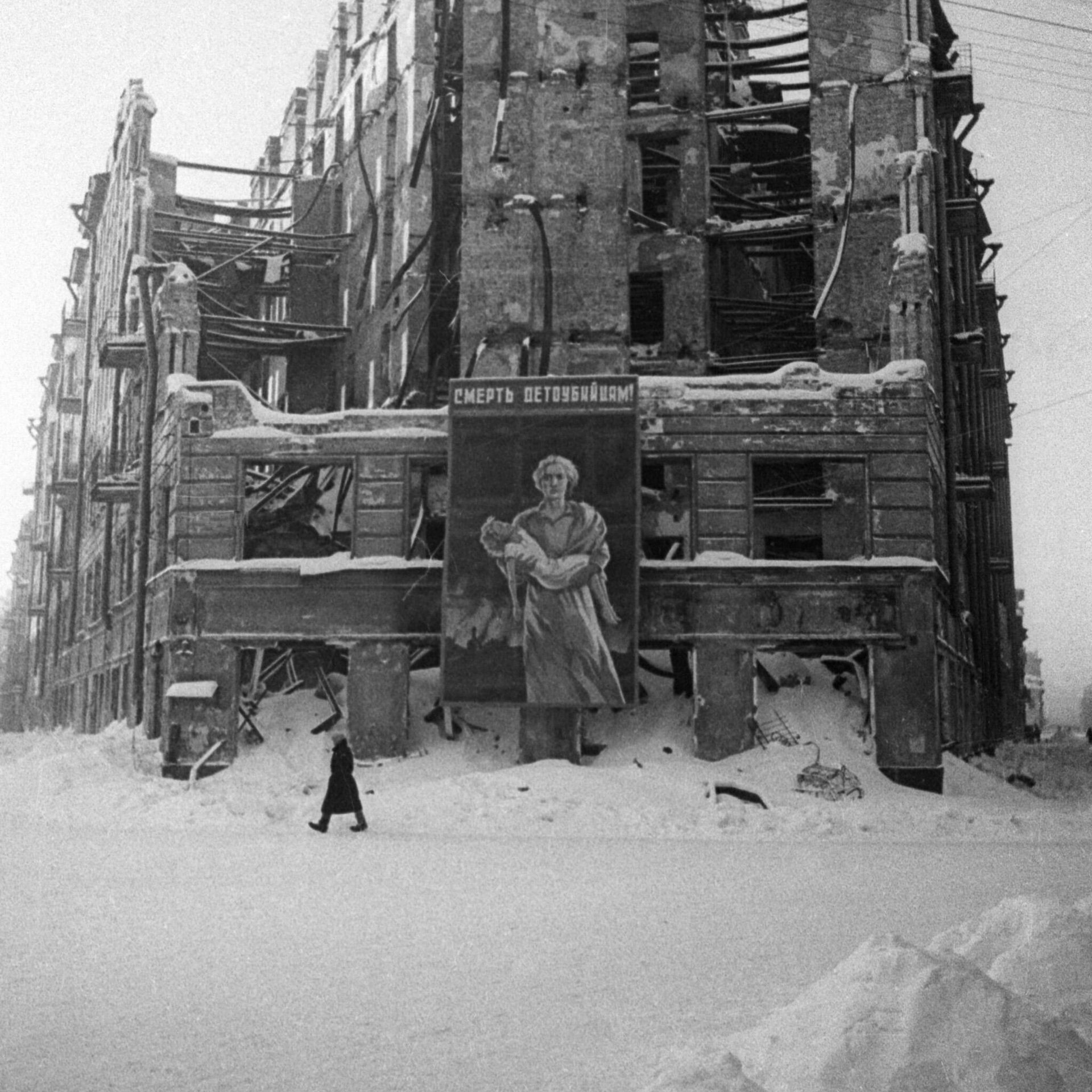
January 27 marks the 80th anniversary of the complete liberation of Leningrad (now St. Petersburg) from the Nazi siege. The blockade began on September 8, 1941, and lasted almost three years.
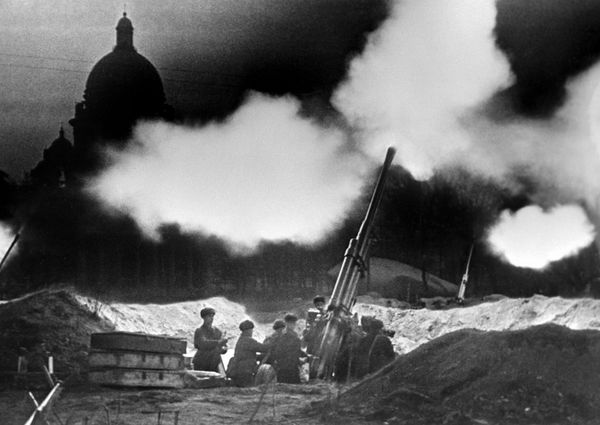
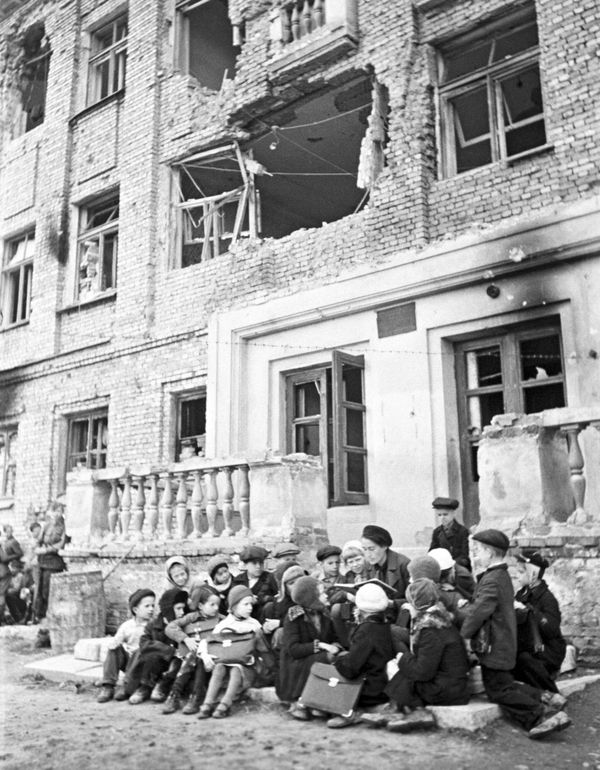
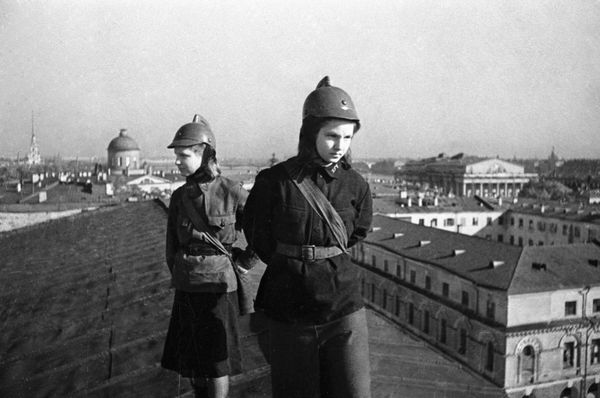
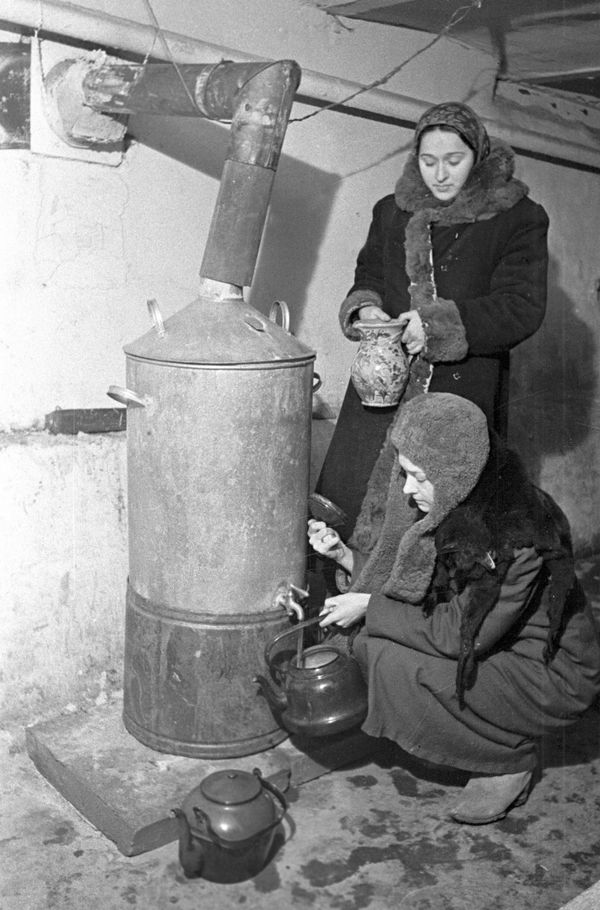
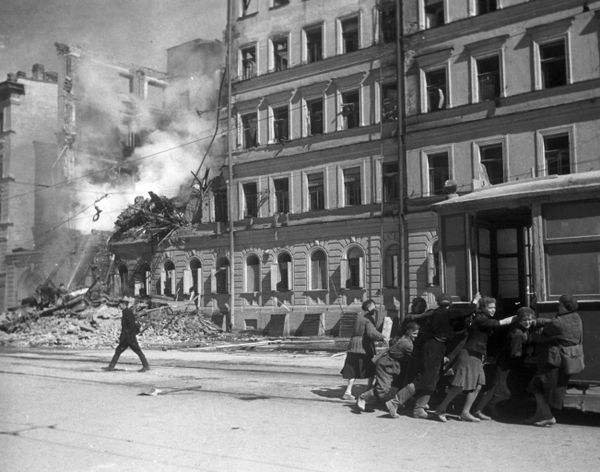
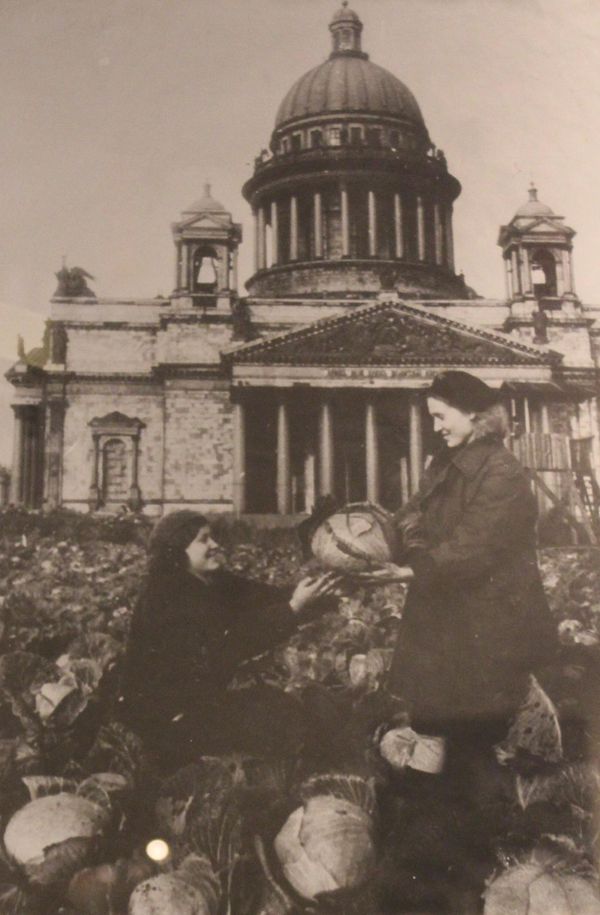
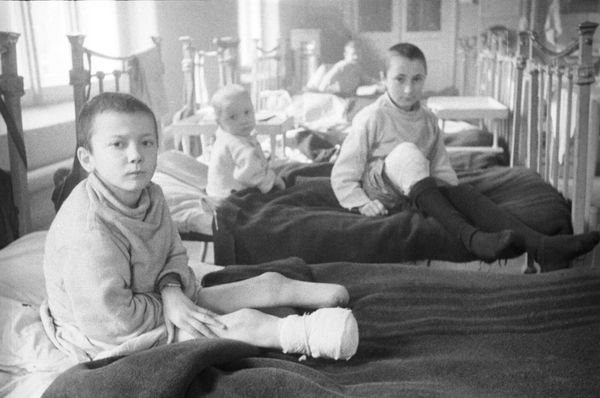
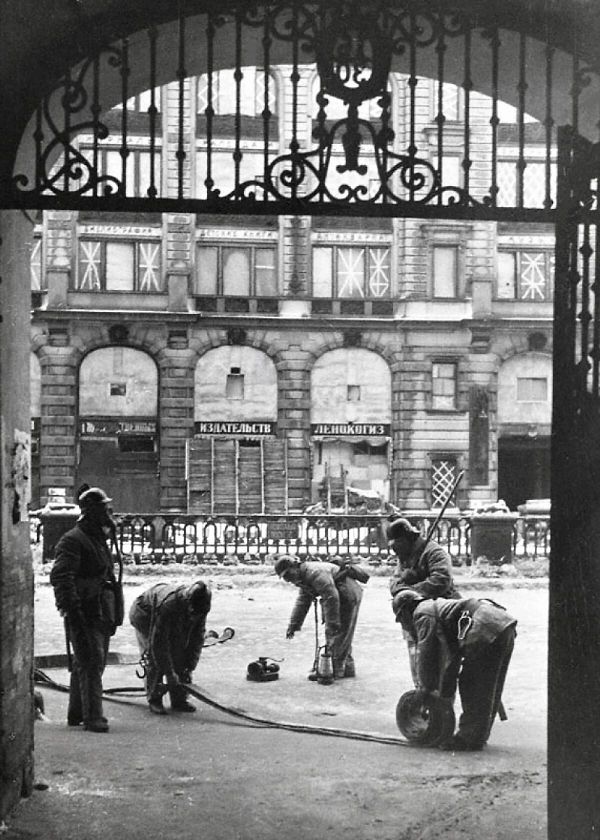
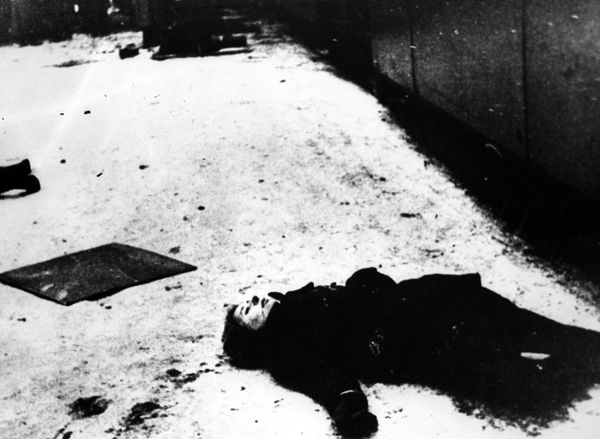
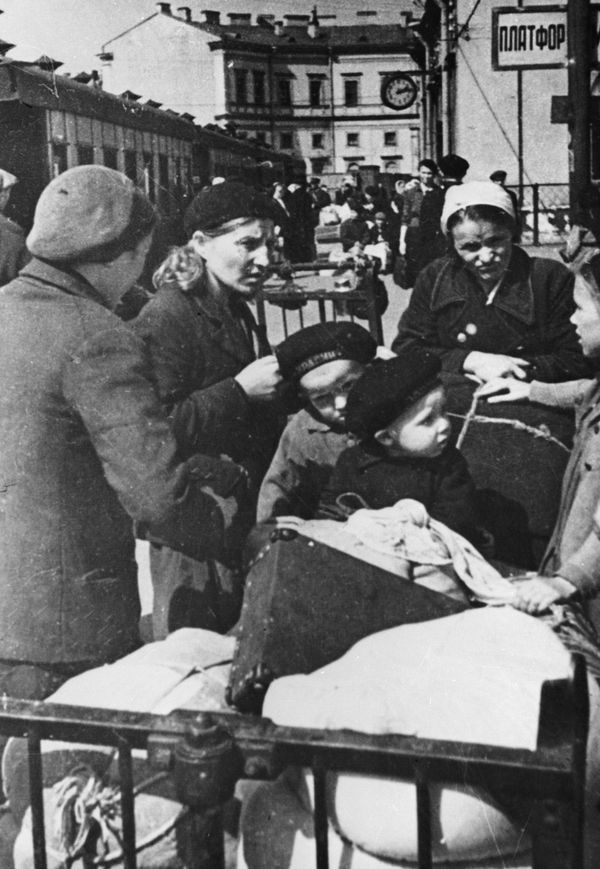
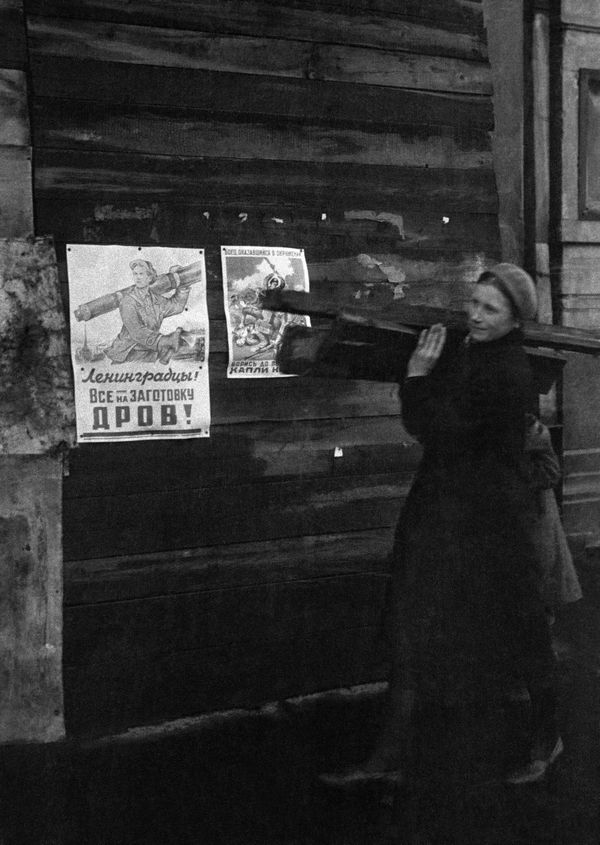
In the midst of the fascist siege, the city's industries continued to operate, and the people of Leningrad toiled in defense factories and served in divisions of the People's Militia. Over 2.5 million residents were trapped in the besieged city, including 400,000 children. According to various estimates, between 600,000 and one million citizens died during the blockade, most of them from starvation.The blockade was broken in January 1943 during Operation "Iskra". As a result of intense fighting, an 11-kilometer-wide corridor was created. A 33-kilometer "Road of Life" was built along the southern shore of Lake Ladoga, and a crossing over the Neva River was constructed in just 18 days.In February 1943, trains carrying food, raw materials, and ammunition finally reached Leningrad. The blockade was officially lifted on January 27, 1944, and to commemorate this historic event, a 24-gun salute echoed through the city, marking the end of the fascist attack.
leningrad siege, leningrad siege death toll, leningrad siege 80th anniversary, how long was the siege of leningrad, how did the siege of leningrad end, who won the siege of leningrad, siege of leningrad date, leningrad blockade
leningrad siege, leningrad siege death toll, leningrad siege 80th anniversary, how long was the siege of leningrad, how did the siege of leningrad end, who won the siege of leningrad, siege of leningrad date, leningrad blockade
Leningrad's 900-Day Blockade: Remembering the Bloodiest Chapter in Human History
January 27 marks the 80th anniversary of the complete liberation of Leningrad (now St. Petersburg) from the Nazi siege. The blockade began on September 8, 1941, and lasted almost three years.
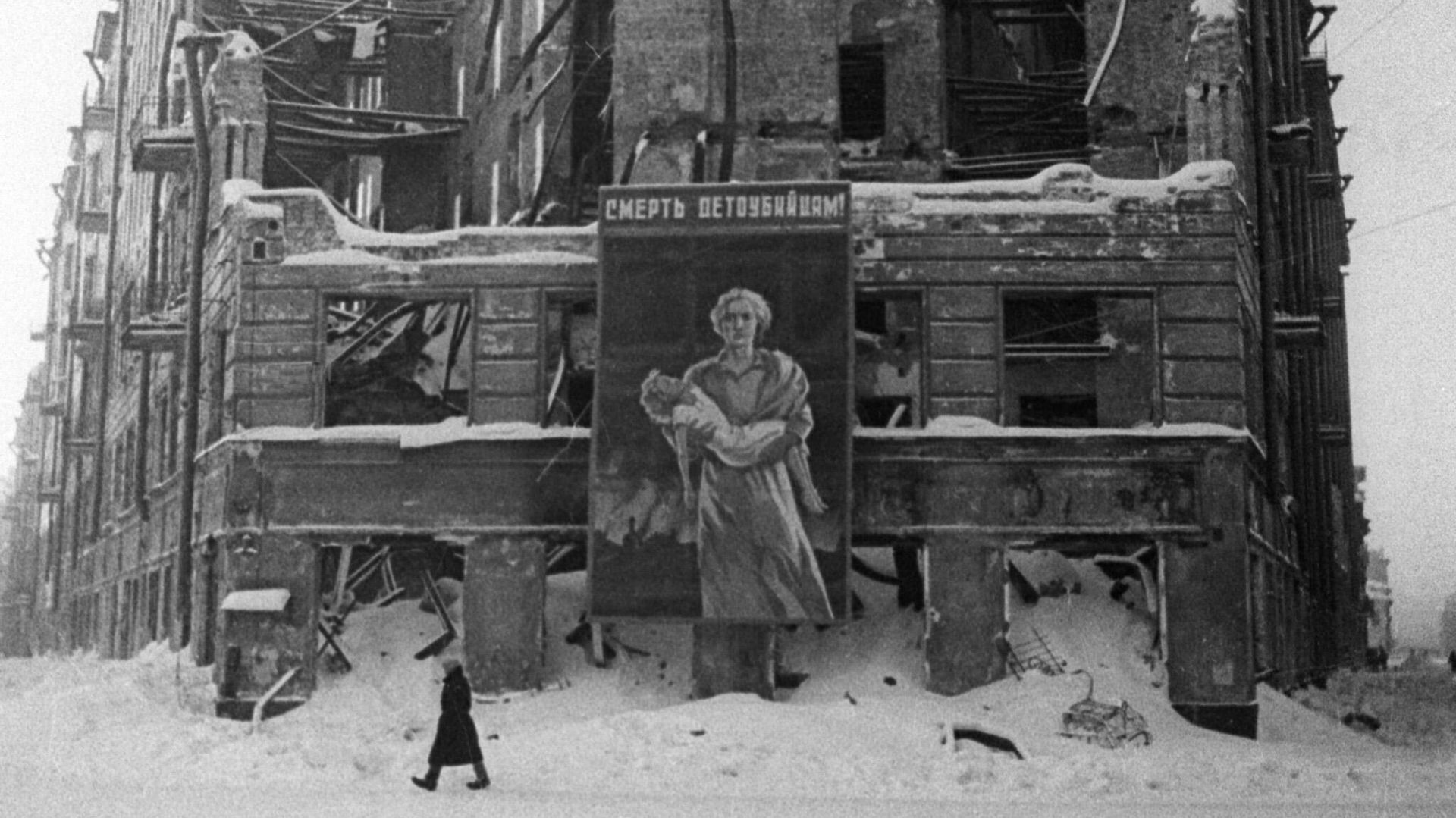
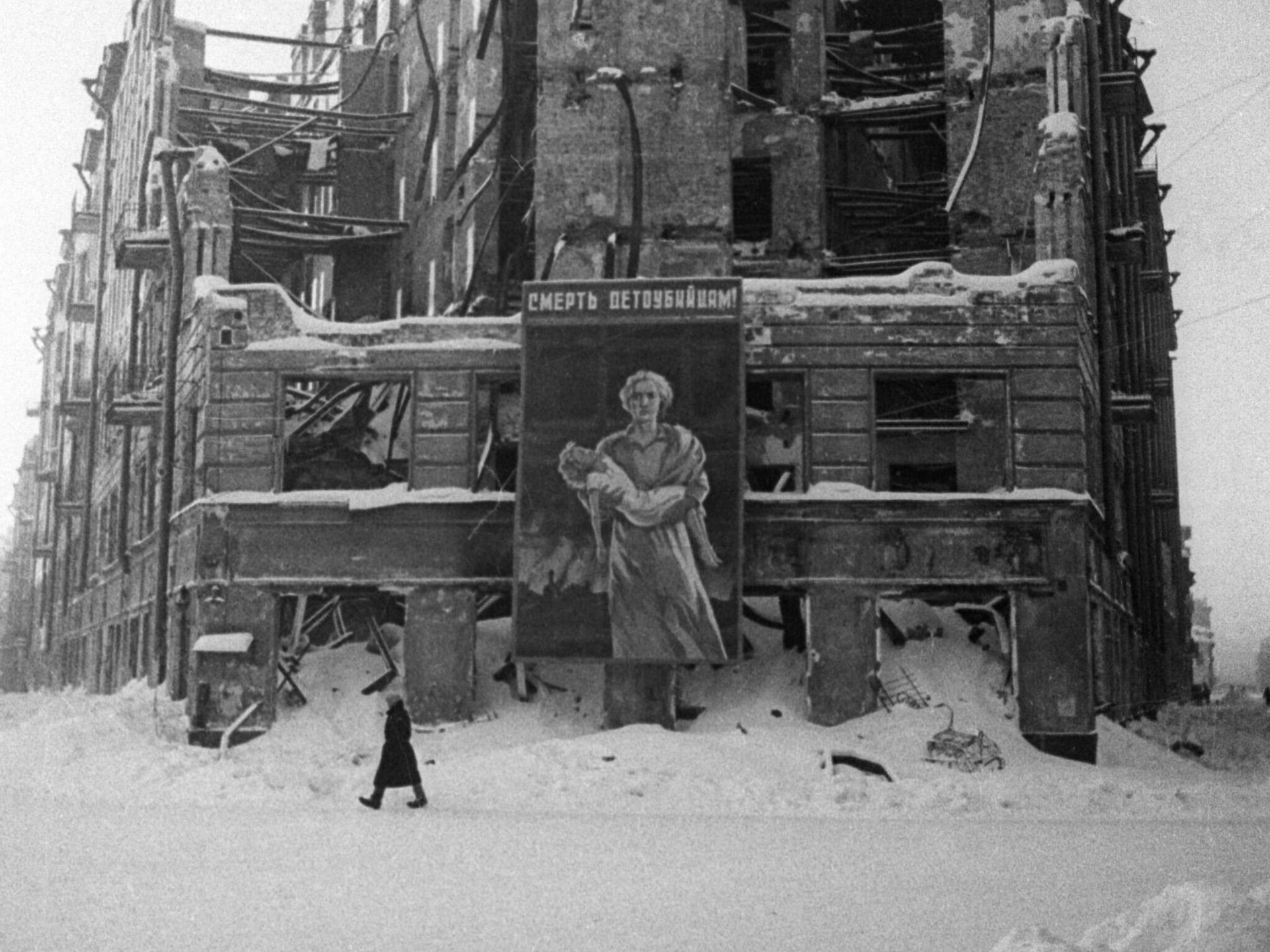
In the midst of the fascist siege, the city's industries continued to operate, and the people of Leningrad toiled in defense factories and served in divisions of the People's Militia. Over 2.5 million residents were trapped in the besieged city, including 400,000 children. According to various estimates, between 600,000 and one million citizens died during the blockade, most of them from starvation.
The blockade was broken in January 1943 during Operation "Iskra". As a result of intense fighting, an 11-kilometer-wide corridor was created. A 33-kilometer "Road of Life" was built along the southern shore of Lake Ladoga, and a crossing over the Neva River was constructed in just 18 days.
In February 1943, trains carrying food, raw materials, and ammunition finally reached Leningrad. The blockade was officially lifted on January 27, 1944, and to commemorate this historic event, a 24-gun salute echoed through the city, marking the end of the fascist attack.
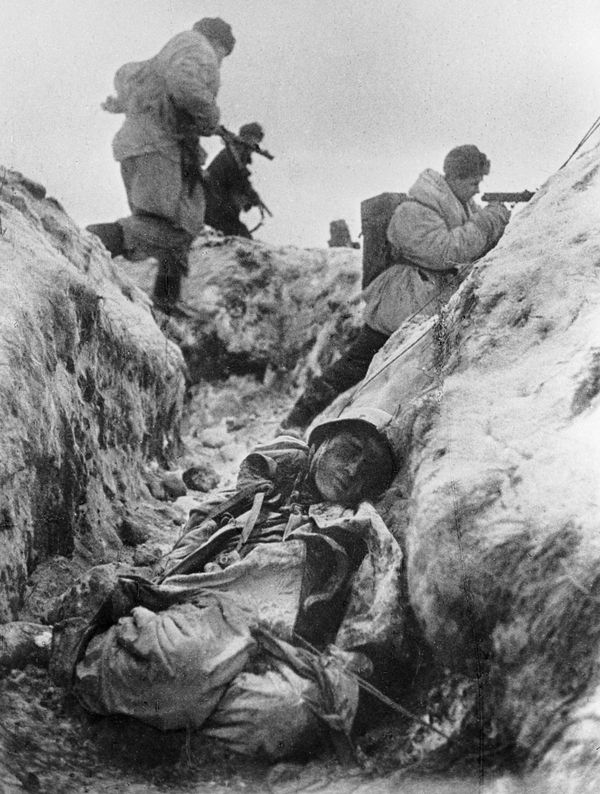
Soldiers of Colonel Andrei Bondarev's 168th Rifle Division during the battle on the Leningrad Front. The photo is taken in the Nevsky Patch, 1941, during the Battle for Leningrad.
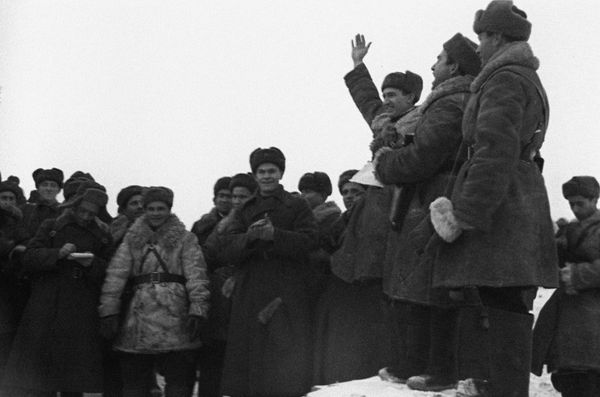
The blockade ring of Leningrad was breached on January 18, 1943. The meeting of the armies of the Leningrad and Volkhov Fronts after the breakthrough, the Great Patriotic War 1941-1945.
Newsfeed
0
Access to the chat has been blocked for violating the rules .
You will be able to participate again through:∞.
If you do not agree with the blocking, please use the feedback form
The discussion is closed. You can participate in the discussion within 24 hours after the publication of the article.