https://sputnikglobe.com/20250711/iran-us-respond-with-attention-to-russias-proposal-to-help-iran-deplete-uranium-1122425634.html
Iran, US Respond With Attention to Russia's Proposal to Help Iran Deplete Uranium
Iran, US Respond With Attention to Russia's Proposal to Help Iran Deplete Uranium
Sputnik International
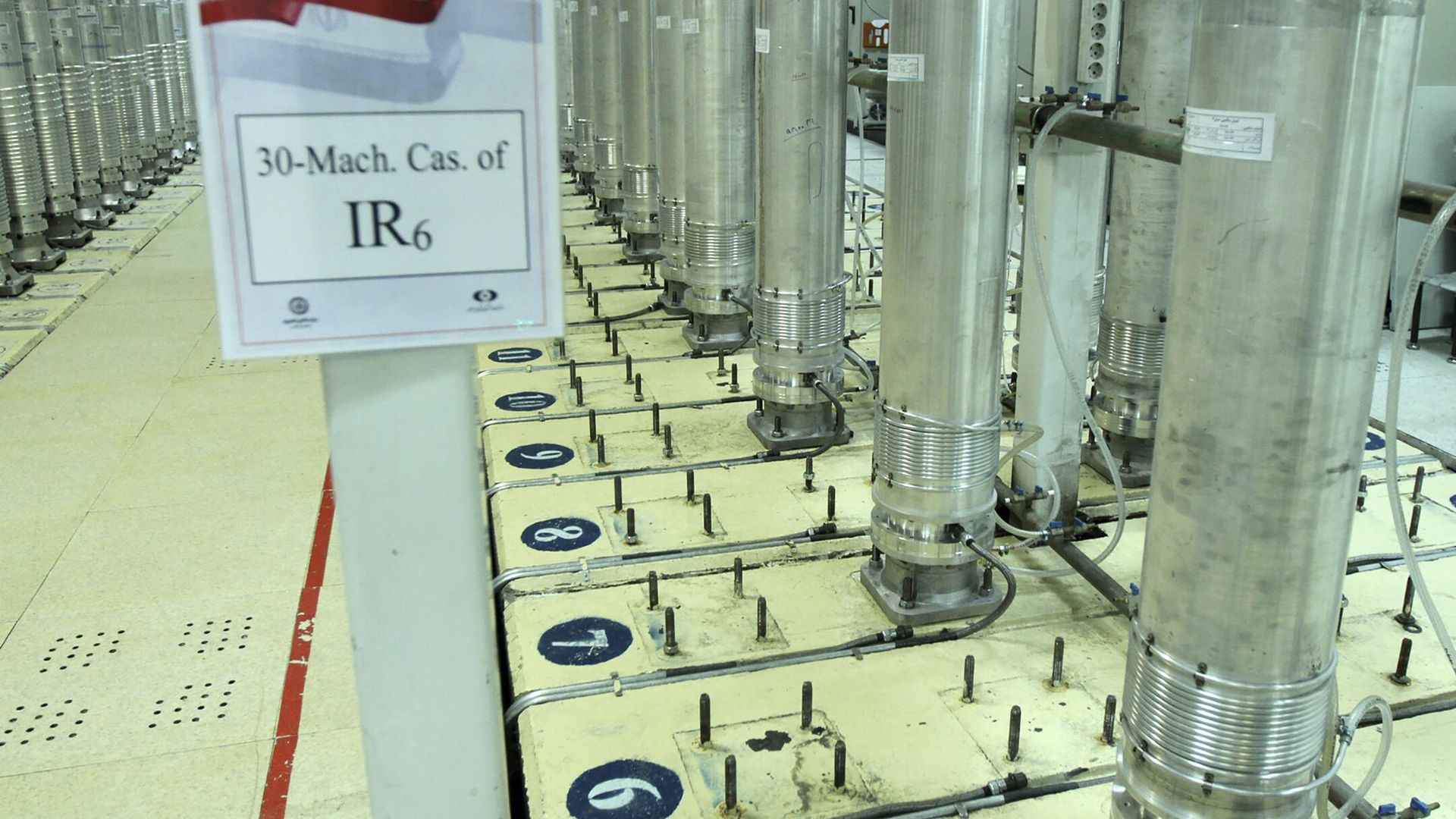
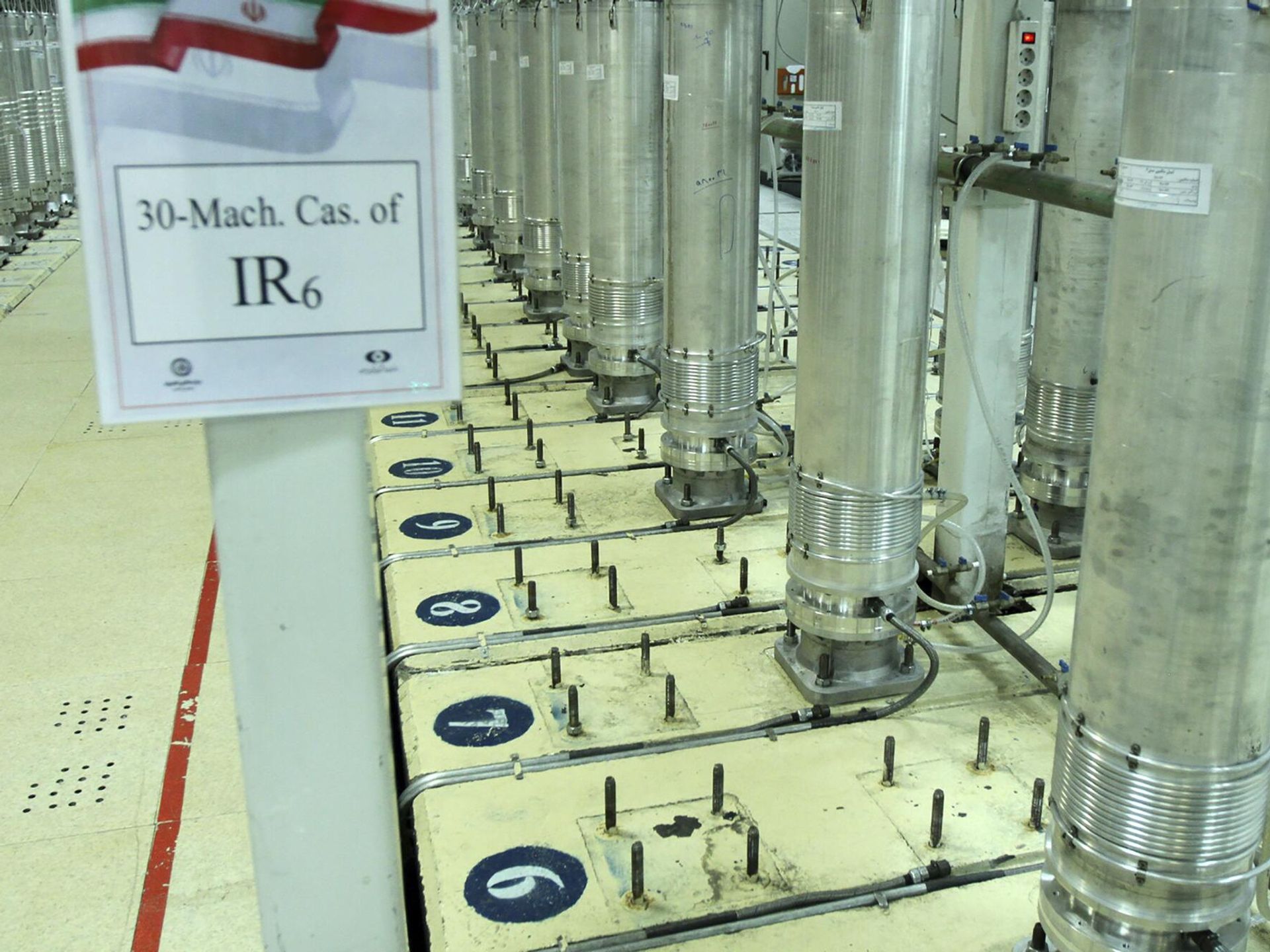
Iran, the United States and the International Atomic Energy Agency (IAEA) have paid close attention to Russia's proposal to remove excess enriched uranium from Iran, but the matter has not yet reached specifics, Russian Deputy Foreign Minister Sergey Ryabkov told Sputnik.
2025-07-11T04:39+0000
2025-07-11T04:39+0000
2025-07-11T04:39+0000
world
iran
russia
international atomic energy agency (iaea)
sergey ryabkov
nuclear program
iran's nuclear program
iranian nuclear program
iran's nuclear program amid western sanctions
iran's nuclear program
https://cdn.imgsputnikglobe.com/img/07e9/06/1a/1122341506_0:62:2160:1277_1920x0_80_0_0_b33e5fae672209f7852a4d45b15a27fd.jpg
"We have conveyed this proposal to both the Iranian side and the American side, and the IAEA is also aware of it. Its purpose is to solve two problems at once - one is related to the fact that the Iranian side, as we understand it, is firmly insisting on the importance of preserving the right to carry out enrichment work on its territory. On the other hand, we see that there are opponents of Tehran who are expressing great concern about the accumulation on its territory of uranium enriched above the levels that are usually used in the manufacture of fuel for nuclear reactors," Ryabkov said. If Russia could take this material out of Iran and carry out appropriate work with it in order to produce fuel from it or manage it in such a way that it becomes a commercial product subject to sale, then both of these tasks could be effectively solved, he said. "Considering that it is still unclear how the dialogue will proceed, whether it will proceed at all, and if it does, in what format, we have not yet reached the specifics of such practical measures. But all interested parties approached this with attention and, perhaps, one can say, perceived this as a reflection of the seriousness of our efforts, the seriousness of our intentions in this regard," Ryabkov said.
https://sputnikglobe.com/20250701/1122375444.html
iran
russia
israel
Sputnik International
feedback@sputniknews.com
+74956456601
MIA „Rossiya Segodnya“
2025
Sputnik International
feedback@sputniknews.com
+74956456601
MIA „Rossiya Segodnya“
News
en_EN
Sputnik International
feedback@sputniknews.com
+74956456601
MIA „Rossiya Segodnya“
Sputnik International
feedback@sputniknews.com
+74956456601
MIA „Rossiya Segodnya“
iranian nuclear program, deplete uranium, depleted uranium, russian mediation, iranian weapons, ira-israel row, nuclear facilities, nuclear weapon, nuclear bomb, iran's nuclear program, nuclear capability, nuclear threat
iranian nuclear program, deplete uranium, depleted uranium, russian mediation, iranian weapons, ira-israel row, nuclear facilities, nuclear weapon, nuclear bomb, iran's nuclear program, nuclear capability, nuclear threat
Iran, US Respond With Attention to Russia's Proposal to Help Iran Deplete Uranium
MOSCOW (Sputnik) - Iran, the United States and the International Atomic Energy Agency (IAEA) have paid close attention to Russia's proposal to remove excess enriched uranium from Iran, but the matter has not yet reached specifics, Russian Deputy Foreign Minister Sergey Ryabkov told Sputnik.
"We have conveyed this proposal to both the Iranian side and the American side, and the IAEA is also aware of it. Its purpose is to solve two problems at once - one is related to the fact that the Iranian side, as we understand it, is firmly insisting on the importance of preserving the right to carry out enrichment work on its territory. On the other hand, we see that there are opponents of Tehran who are expressing great concern about the accumulation on its territory of uranium enriched above the levels that are usually used in the manufacture of fuel for nuclear reactors," Ryabkov said.
If Russia could take this material out of Iran and carry out appropriate work with it in order to produce fuel from it or manage it in such a way that it becomes a commercial product subject to sale, then both of these tasks could be effectively solved, he said.
"Considering that it is still unclear how the dialogue will proceed, whether it will proceed at all, and if it does, in what format, we have not yet reached the specifics of such practical measures. But all interested parties approached this with attention and, perhaps, one can say, perceived this as a reflection of the seriousness of our efforts, the seriousness of our intentions in this regard," Ryabkov said.