https://sputnikglobe.com/20250729/natos-rapid-response-in-action-europe-lacks-infrastructure-for-quick-troop-moves-1122507556.html
NATO’s 'Rapid Response' in Action: Europe Lacks Infrastructure for Quick Troop Moves
NATO’s 'Rapid Response' in Action: Europe Lacks Infrastructure for Quick Troop Moves
Sputnik International
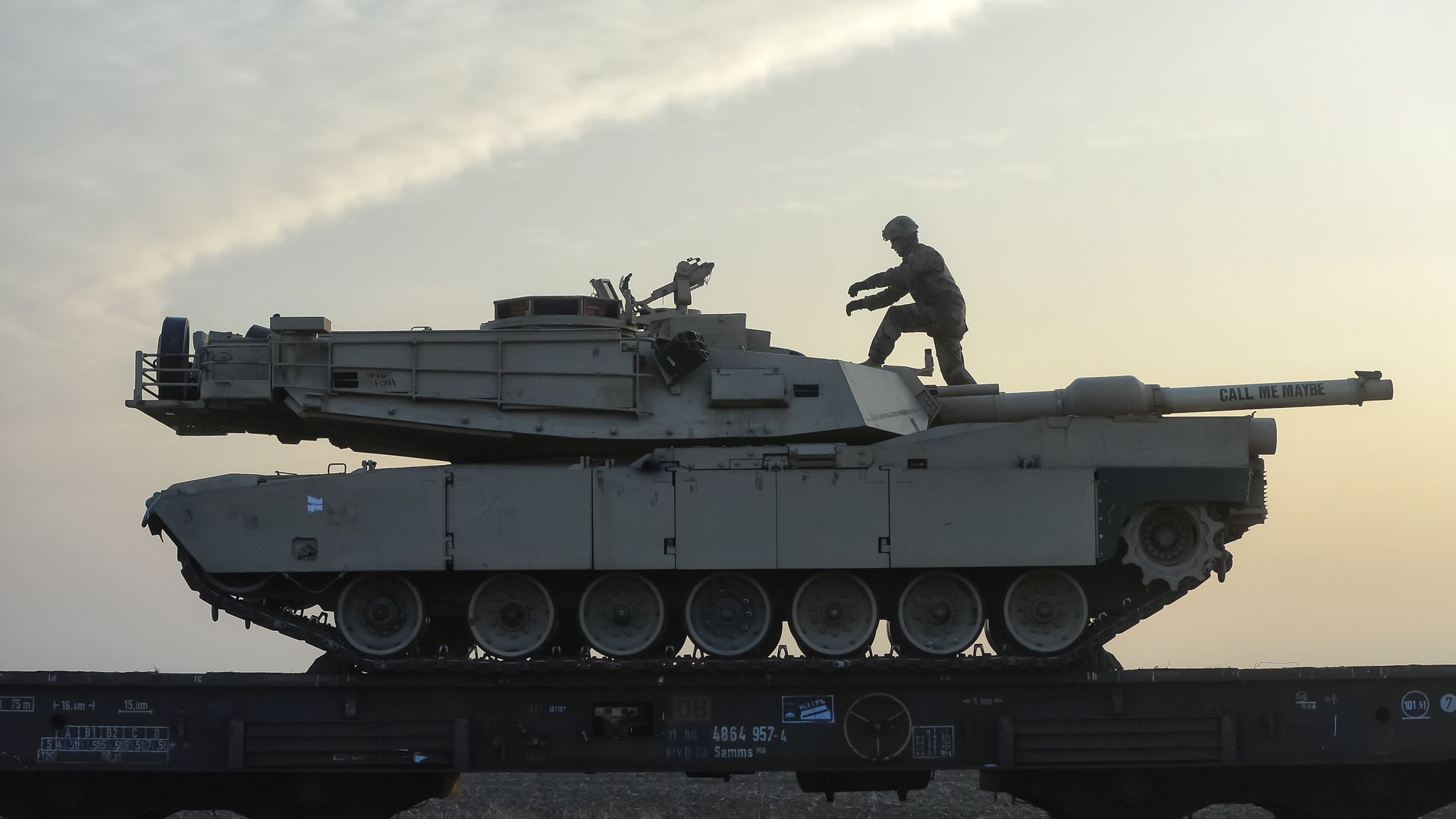
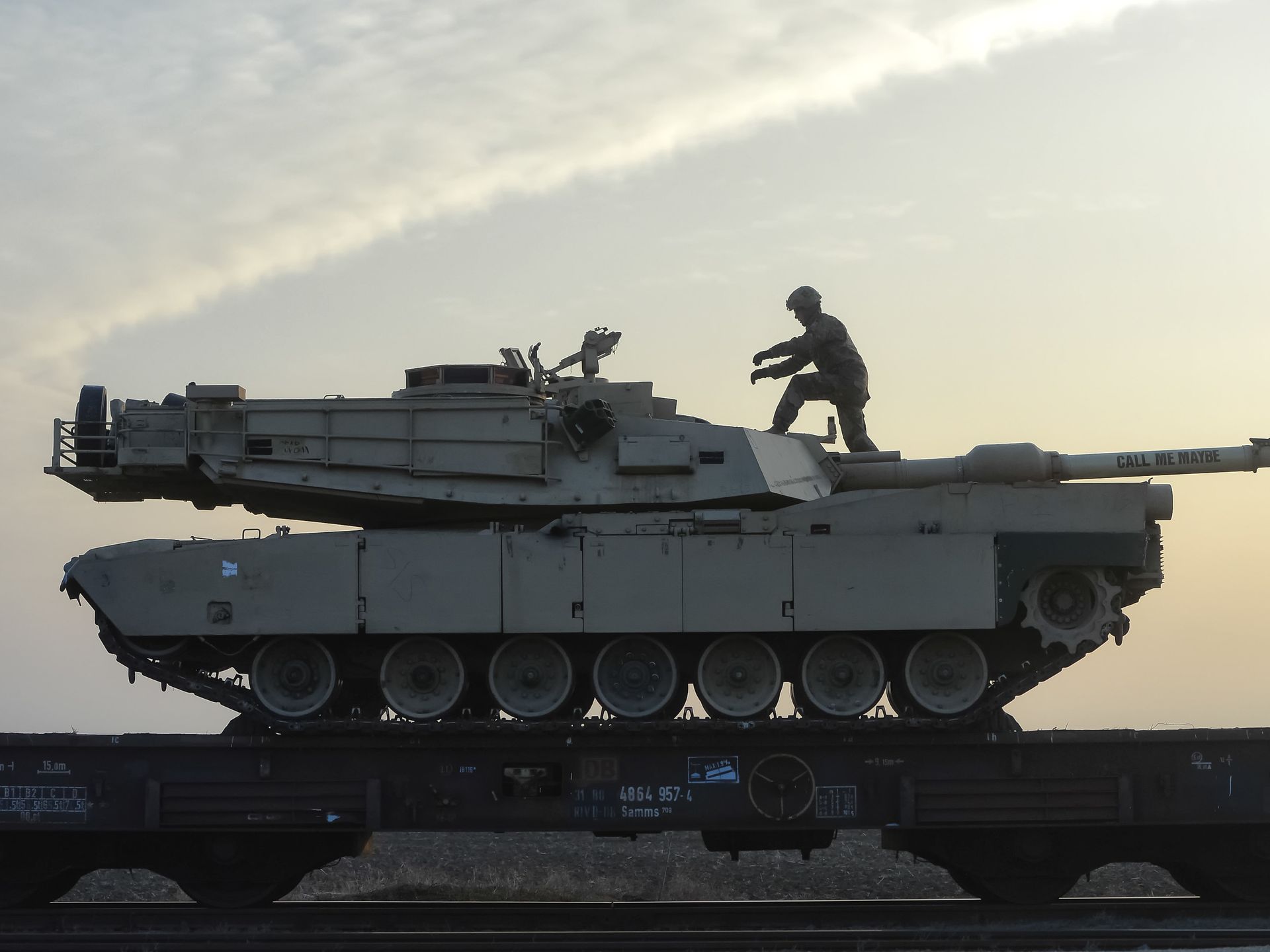
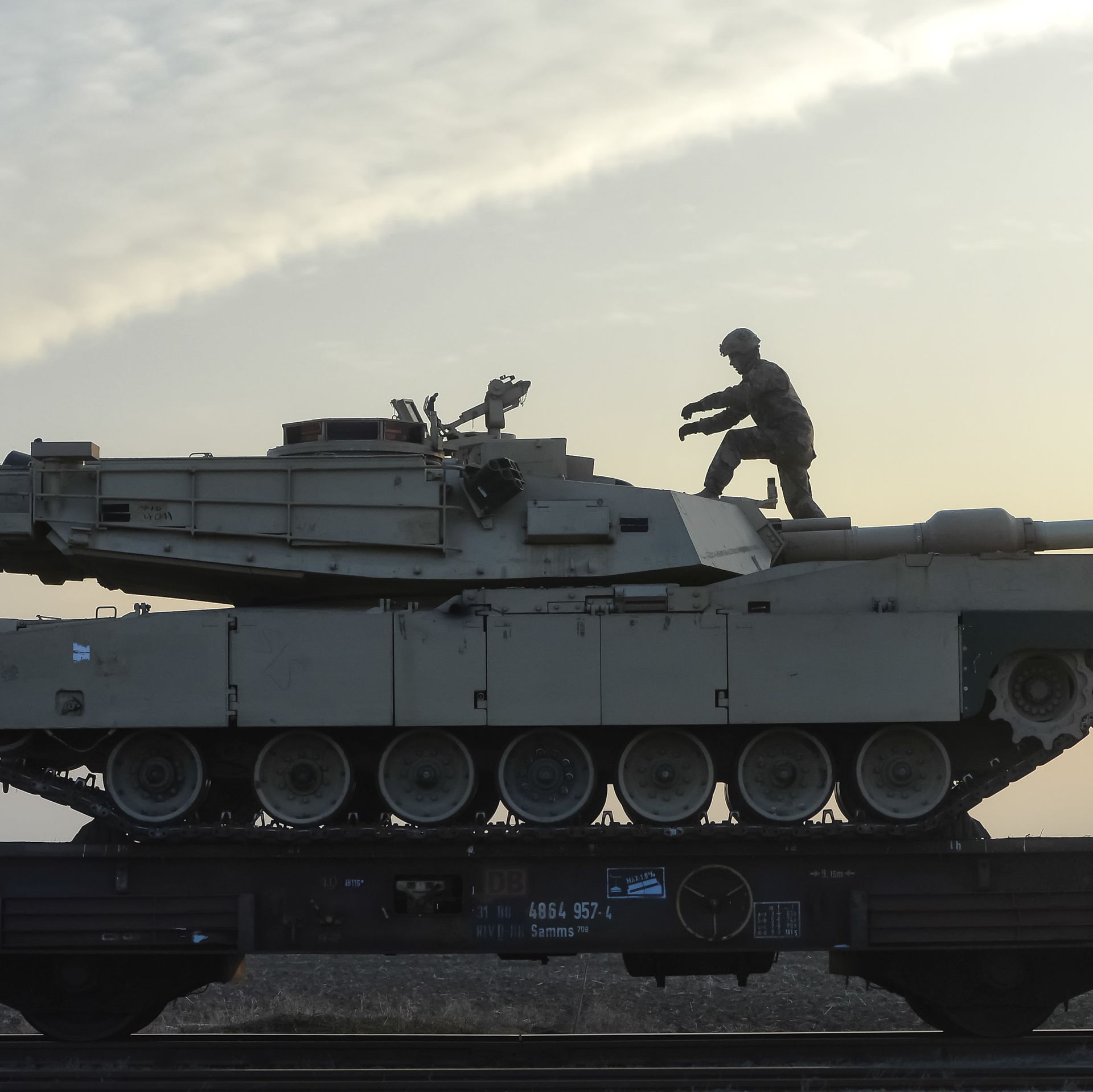
European roads, bridges, and railways are not suitable for quickly transporting tanks, troops, and military supplies in the event of an armed conflict with Russia, the Financial Times newspaper reported on Tuesday, citing EU Commissioner for Sustainable Transport and Tourism Apostolos Tzitzikostas.
2025-07-29T09:45+0000
2025-07-29T09:45+0000
2025-07-29T09:45+0000
military
russia
nato
european union (eu)
https://cdn.imgsputnikglobe.com/img/105068/38/1050683881_0:189:3612:2221_1920x0_80_0_0_1f7d38cb9edba17c1f27f6f8d26a7605.jpg
"The reality today is that if we want to move military equipment and troops from the western side of Europe to the eastern side, it takes weeks and in some cases months," Tzitzikostas was quoted as saying. Most existing EU infrastructure was built without considering the need to mobilize armies across the bloc, he added. According to the commissioner, aging bridges require modernization and widening and the EU needs to build new bridges to overhaul infrastructure and boost military mobility. Modernizing the necessary infrastructure would cost at least 17 billion euros ($19.6 billion), Tzitzikostas said. He added that the EU was developing a strategy to enable troop deployment "in a matter of hours, maximum a matter of days" in response to a potential attack. This involves upgrading 500 infrastructure projects along four military corridors spanning the continent. Tzitzikostas said that Brussels was planning to cut red tape to prevent "tanks getting stuck in paperwork" at borders. The strategy will be presented later this year. "We can no longer afford to be unprepared or dependent," he said. At the June 24–25 NATO summit in The Hague, member states tentatively committed to raising defense spending from the current bloc-wide average of 2% of GDP, not yet met by all the members, to 5% by 2035. In recent years, Russia has cited unprecedented NATO activity near its western borders. The alliance frames its expanded initiatives as "deterring Russian aggression." Moscow has repeatedly expressed concern over NATO’s force buildup in Europe. The Kremlin maintains that Russia threatens no one but will respond to actions endangering its interests.
https://sputnikglobe.com/20180219/germany-nato-rapid-response-force-1061800628.html
russia
Sputnik International
feedback@sputniknews.com
+74956456601
MIA „Rossiya Segodnya“
2025
Sputnik International
feedback@sputniknews.com
+74956456601
MIA „Rossiya Segodnya“
News
en_EN
Sputnik International
feedback@sputniknews.com
+74956456601
MIA „Rossiya Segodnya“
Sputnik International
feedback@sputniknews.com
+74956456601
MIA „Rossiya Segodnya“
nato troop mobility, eu military infrastructure, tanks stuck in europe, nato rapid response issues, eu defense spending, european roads for military transport, nato vs russia tensions, eu bridges modernization, military corridors europe, troop deployment delays
nato troop mobility, eu military infrastructure, tanks stuck in europe, nato rapid response issues, eu defense spending, european roads for military transport, nato vs russia tensions, eu bridges modernization, military corridors europe, troop deployment delays
NATO’s 'Rapid Response' in Action: Europe Lacks Infrastructure for Quick Troop Moves
MOSCOW (Sputnik) - European roads, bridges, and railways are not suitable for quickly transporting tanks, troops, and military supplies in the event of an armed conflict with Russia, the Financial Times newspaper reported on Tuesday, citing EU Commissioner for Sustainable Transport and Tourism Apostolos Tzitzikostas.
"The reality today is that if we want to move military equipment and troops from the western side of Europe to the eastern side, it takes weeks and in some cases months," Tzitzikostas was quoted as saying.
Most existing EU infrastructure was built without considering the need to mobilize armies across the bloc, he added.
According to the commissioner, aging bridges require modernization and widening and the EU needs to build new bridges to overhaul infrastructure and boost military mobility. Modernizing the necessary infrastructure would cost at least 17 billion euros ($19.6 billion), Tzitzikostas said.
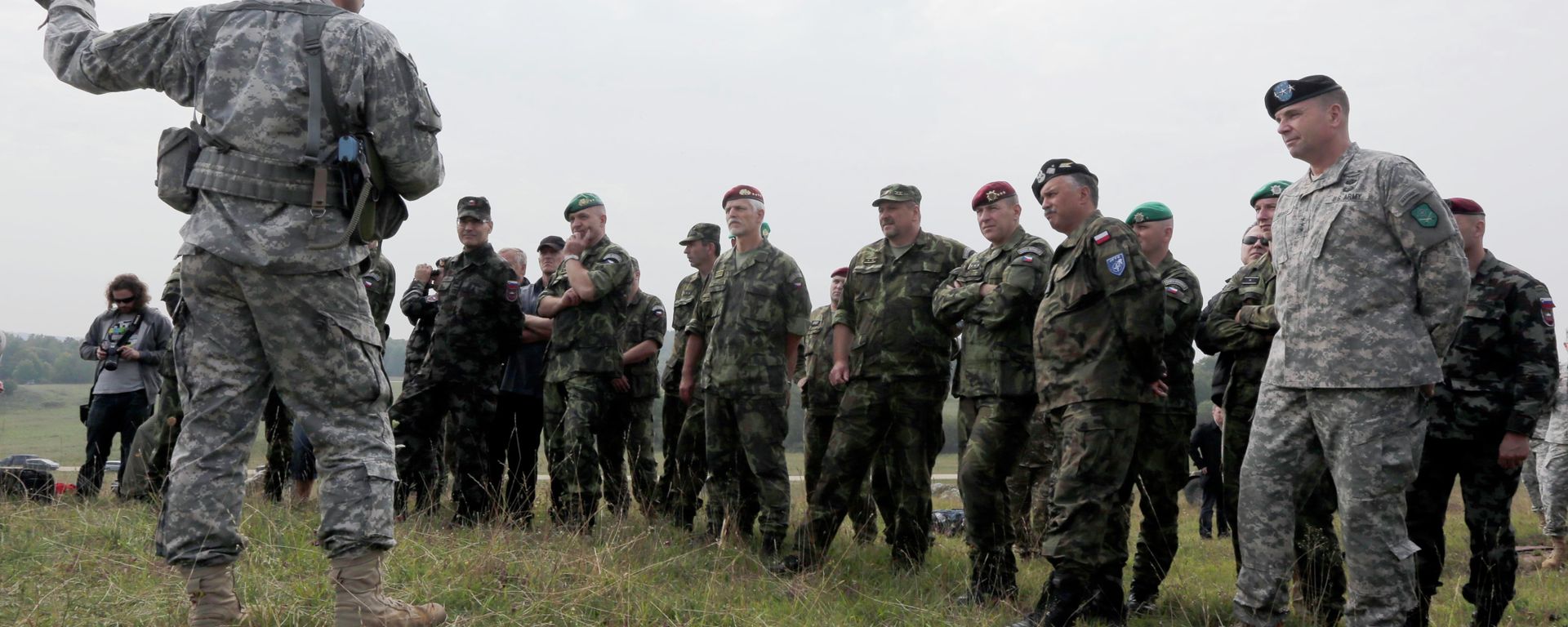
19 February 2018, 10:06 GMT
He added that the EU was developing a strategy to enable troop deployment "in a matter of hours, maximum a matter of days" in response to a potential attack. This involves upgrading 500 infrastructure projects along four military corridors spanning the continent.
Tzitzikostas said that Brussels was planning to cut red tape to prevent "tanks getting stuck in paperwork" at borders. The strategy will be presented later this year.
"We can no longer afford to be unprepared or dependent," he said.
At the June 24–25 NATO summit in The Hague, member states tentatively committed to raising defense spending from the current bloc-wide average of 2% of GDP, not yet met by all the members, to 5% by 2035.
In recent years, Russia has cited unprecedented NATO activity near its western borders. The alliance frames its expanded initiatives as "deterring Russian aggression." Moscow has repeatedly expressed concern over NATO’s force buildup in Europe. The Kremlin maintains that Russia threatens no one but will respond to actions endangering its interests.