https://sputnikglobe.com/20251014/russia-intensifies-efforts-to-document-wwii-era-genocide-expands-probe-to-modern-crimes-1122960166.html
Russia Intensifies Efforts to Document WWII-Era Genocide, Expands Probe to Modern Crimes
Russia Intensifies Efforts to Document WWII-Era Genocide, Expands Probe to Modern Crimes
Sputnik International
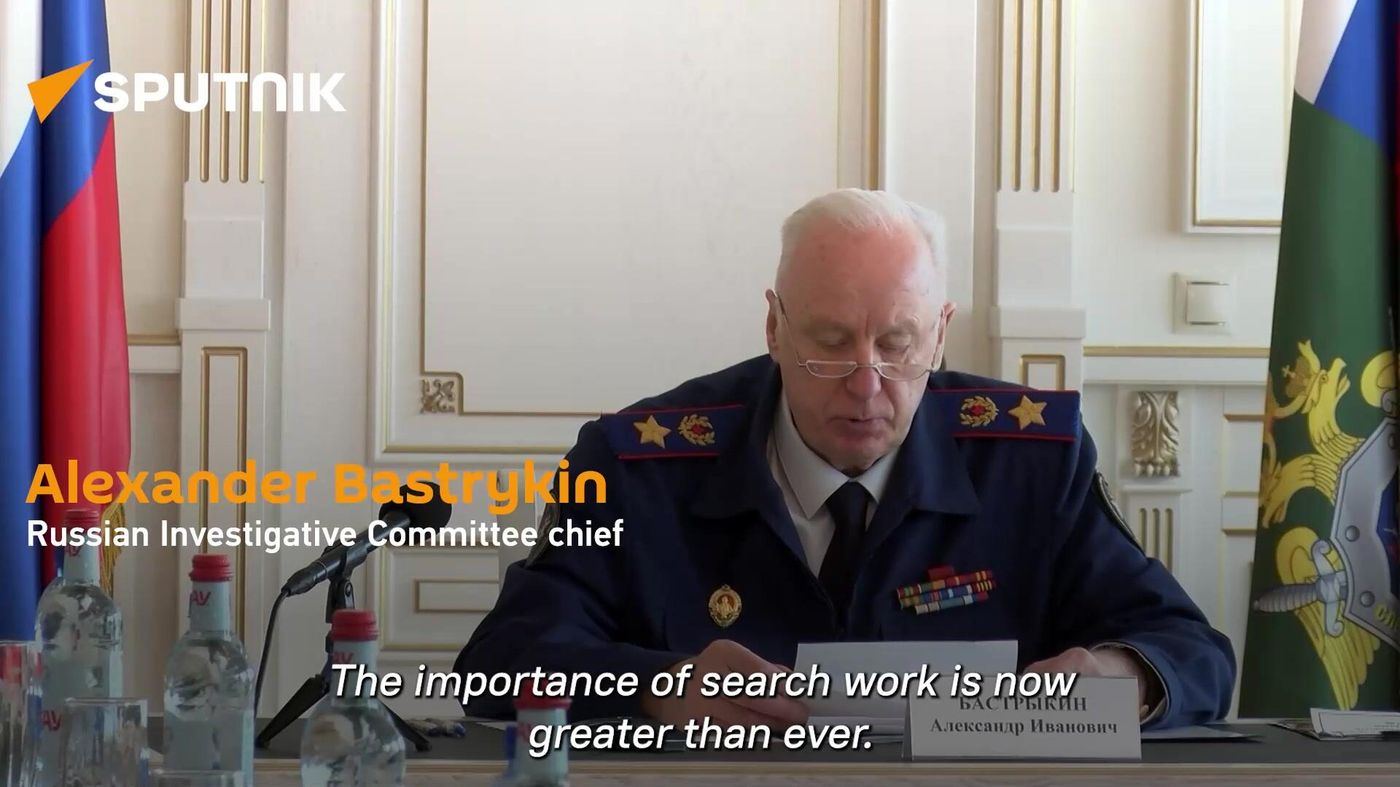
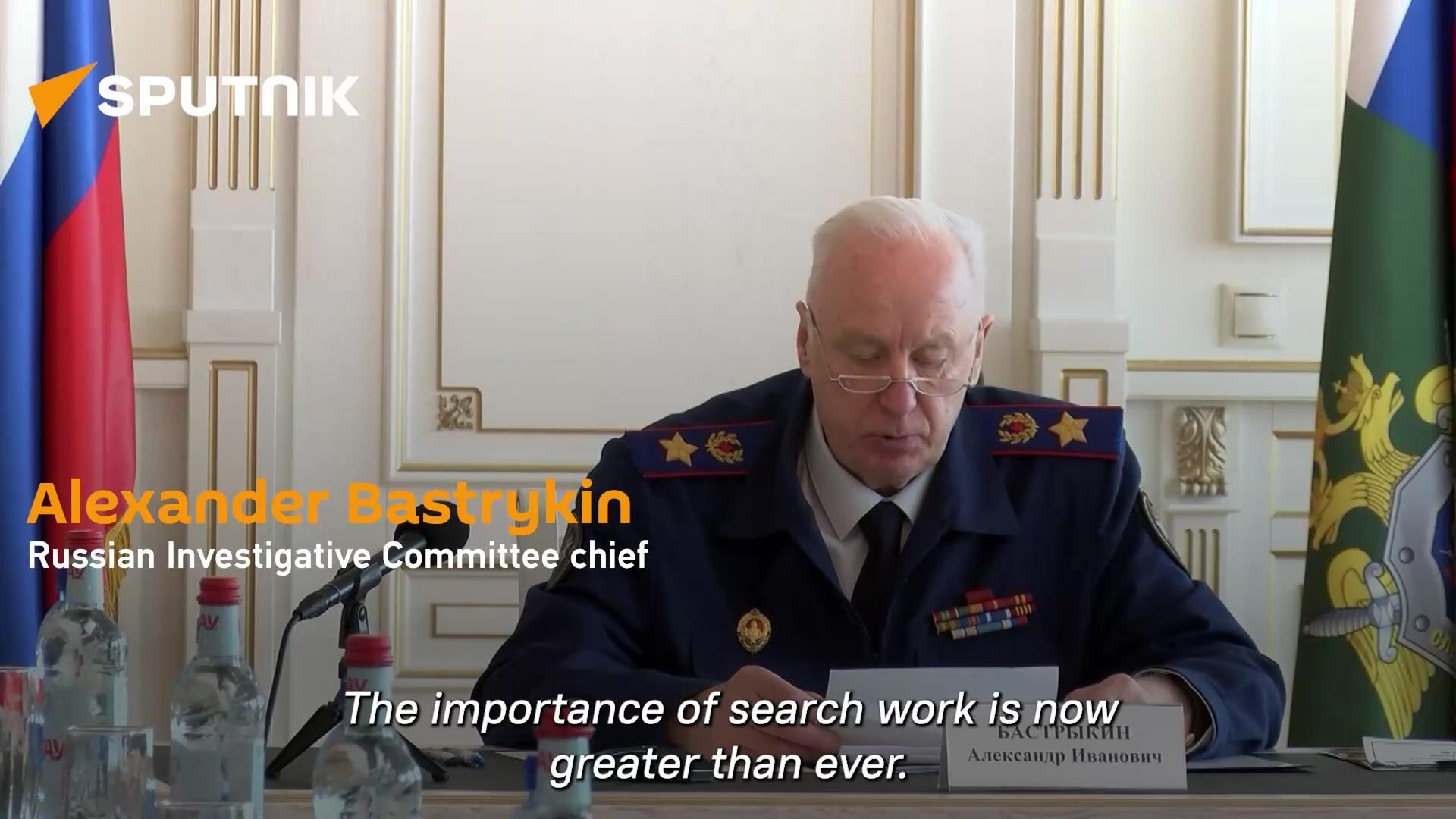
The head of Russia’s Investigative Committee, Alexander Bastrykin, chaired a high-level meeting of the agency’s Search and Archive Work Coordination Staff, bringing together senior law enforcement officials, parliamentary deputies, and leaders of historical preservation organizations.
2025-10-14T16:23+0000
2025-10-14T16:23+0000
2025-10-14T16:23+0000
russia
alexander bastrykin
russia
nazi
investigative committee
world war ii
great patriotic war
https://cdn.imgsputnikglobe.com/img/07e9/0a/0e/1122960330_0:0:1920:1080_1920x0_80_0_0_83f440e8b685f295d260806f8c407e3d.jpg
The meeting highlighted ongoing efforts to investigate Nazi crimes during the Great Patriotic War (World War II) and address contemporary issues such as the destruction of Soviet war memorials abroad.Key developments presented at the meeting:In cooperation with the Russian Ministry of Foreign Affairs and Ministry of Defense, work continues in creating a registry of WWII memorials and graves located in foreign countries. Sergey Novikov, head of the Presidential Administration’s Department for Public Projects, proposed creating an interagency working group to streamline efforts in locating and preserving these memorials.The session also highlighted ongoing initiatives such as “Place of Memory. Public Patrol” and “Archive Assault,” aimed at furthering historical research and education on the genocide. A new Digital Portal has been launched to document the events, with a focus on the genocide of the Soviet people by Nazi forces.The meeting concluded with the presentation of new exhibits for the Investigative Committee's museum, including items recovered in Mongolia from a WWII expedition. Alexander Bastrykin praised the staff for their dedication to preserving the memory of the fallen soldiers and stressed the importance of remembering WWII’s lessons to prevent future conflicts.The event ended with the transfer of significant artifacts to the National Center for Historical Memory, further enriching the museum's collection.
russia
Sputnik International
feedback@sputniknews.com
+74956456601
MIA „Rossiya Segodnya“
2025
Sputnik International
feedback@sputniknews.com
+74956456601
MIA „Rossiya Segodnya“
News
en_EN
Sputnik International
feedback@sputniknews.com
+74956456601
MIA „Rossiya Segodnya“
Alexander Bastrykin: It is our sacred duty to protect the good name of fallen soldiers
Sputnik International
Alexander Bastrykin: It is our sacred duty to protect the good name of fallen soldiers
2025-10-14T16:23+0000
true
PT0M35S
Sputnik International
feedback@sputniknews.com
+74956456601
MIA „Rossiya Segodnya“
russia, wwii, genocide, investigative committee, nazi crimes, historical preservation, soviet war memorials, wwii prisoners, belarus, war memorial destruction, criminal cases, latvia, lithuania, estonia, ukraine, wwii memorial registry, foreign graves, public projects, digital portal, historical education, museum exhibits, national center for historical memory, pskov, smolensk, kherson, lugansk, sergey novikov, place of memory, archive assault, nazi occupation crimes, soviet people, war artifacts
russia, wwii, genocide, investigative committee, nazi crimes, historical preservation, soviet war memorials, wwii prisoners, belarus, war memorial destruction, criminal cases, latvia, lithuania, estonia, ukraine, wwii memorial registry, foreign graves, public projects, digital portal, historical education, museum exhibits, national center for historical memory, pskov, smolensk, kherson, lugansk, sergey novikov, place of memory, archive assault, nazi occupation crimes, soviet people, war artifacts
Russia Intensifies Efforts to Document WWII-Era Genocide, Expands Probe to Modern Crimes
The head of Russia’s Investigative Committee, Alexander Bastrykin, chaired a high-level meeting of the agency’s Search and Archive Work Coordination Staff, bringing together senior law enforcement officials, parliamentary deputies, and leaders of historical preservation organizations.
The meeting highlighted ongoing efforts to investigate Nazi crimes during the Great Patriotic War (World War II) and address contemporary issues such as the destruction of Soviet war memorials abroad.
Key developments presented at the meeting:
Search operations in 2025 in Pskov, Smolensk, Kherson regions and the Lugansk People’s Republic uncovered remains of dozens of WWII prisoners and civilians, including women, the elderly and children.
Russian courts have issued 34 rulings recognizing acts of Nazi forces and their collaborators as genocide of the Soviet people.
Legal assistance was provided to Belarus in investigating crimes by occupation authorities and Ukrainian, Polish, and Lithuanian paramilitary groups on its territory.
Eighteen criminal cases were initiated regarding damage or destruction of Soviet war memorials in Latvia, Lithuania, Estonia, and Ukraine.
Work is underway to create a unified register of WWII memorial sites and military graves located abroad.
In cooperation with the Russian Ministry of Foreign Affairs and Ministry of Defense, work continues in creating a registry of WWII memorials and graves located in foreign countries. Sergey Novikov, head of the Presidential Administration’s Department for Public Projects, proposed creating an interagency working group to streamline efforts in locating and preserving these memorials.
The session also highlighted ongoing initiatives such as “Place of Memory. Public Patrol” and “Archive Assault,” aimed at furthering historical research and education on the genocide. A new Digital Portal has been launched to document the events, with a focus on the genocide of the Soviet people by Nazi forces.
The meeting concluded with the presentation of new exhibits for the Investigative Committee's museum, including items recovered in Mongolia from a WWII expedition. Alexander Bastrykin praised the staff for their dedication to preserving the memory of the fallen soldiers and stressed the importance of remembering WWII’s lessons to prevent future conflicts.
The event ended with the transfer of significant artifacts to the National Center for Historical Memory, further enriching the museum's collection.